


The Heel That Refuses to Stay Quiet
The kitten heel has always carried a reputation problem. For decades it lived in an awkward middle ground – too low to read as glamour, too elevated for true comfort – dismissed by stiletto devotees as a compromise and by flat-shoe loyalists as pointless. Manolo Blahnik never agreed with that assessment. The house has quietly championed the kitten heel across multiple collections, and right now, that conviction is paying off in a way even the brand’s most optimistic watchers did not anticipate.
What’s happening is less a comeback and more a recalibration. The stiletto is not disappearing from runways or red carpets, but its grip on everyday aspirational dressing has loosened. Women who once bought into the idea that height equals elegance are reconsidering. And Manolo Blahnik’s kitten heel – refined, precise, and built with the same construction standards as its taller counterparts – is sitting at exactly the right intersection of that shift.
Why the Stiletto’s Dominance Was Always Conditional
The stiletto earned its cultural authority partly through mythology. Cinema, fashion photography, and decades of editorial rhetoric told a very consistent story: the tall, thin heel was power, sex appeal, and polish compressed into a single object. That story worked because it was aspirational by design. The discomfort was never a bug – it was the point. Pain signaled seriousness. Height signaled intent.
That logic held until it didn’t. The slow normalization of flat footwear in professional and social settings across the 2010s began eroding the idea that heels at all were mandatory. But the backlash against flats-as-default opened a door for something else: a heel that reads as intentional without demanding sacrifice. The kitten heel, at its best, does exactly that. It says “I dressed on purpose” without the four-hour recovery window a stiletto requires after a gallery opening or a long dinner.
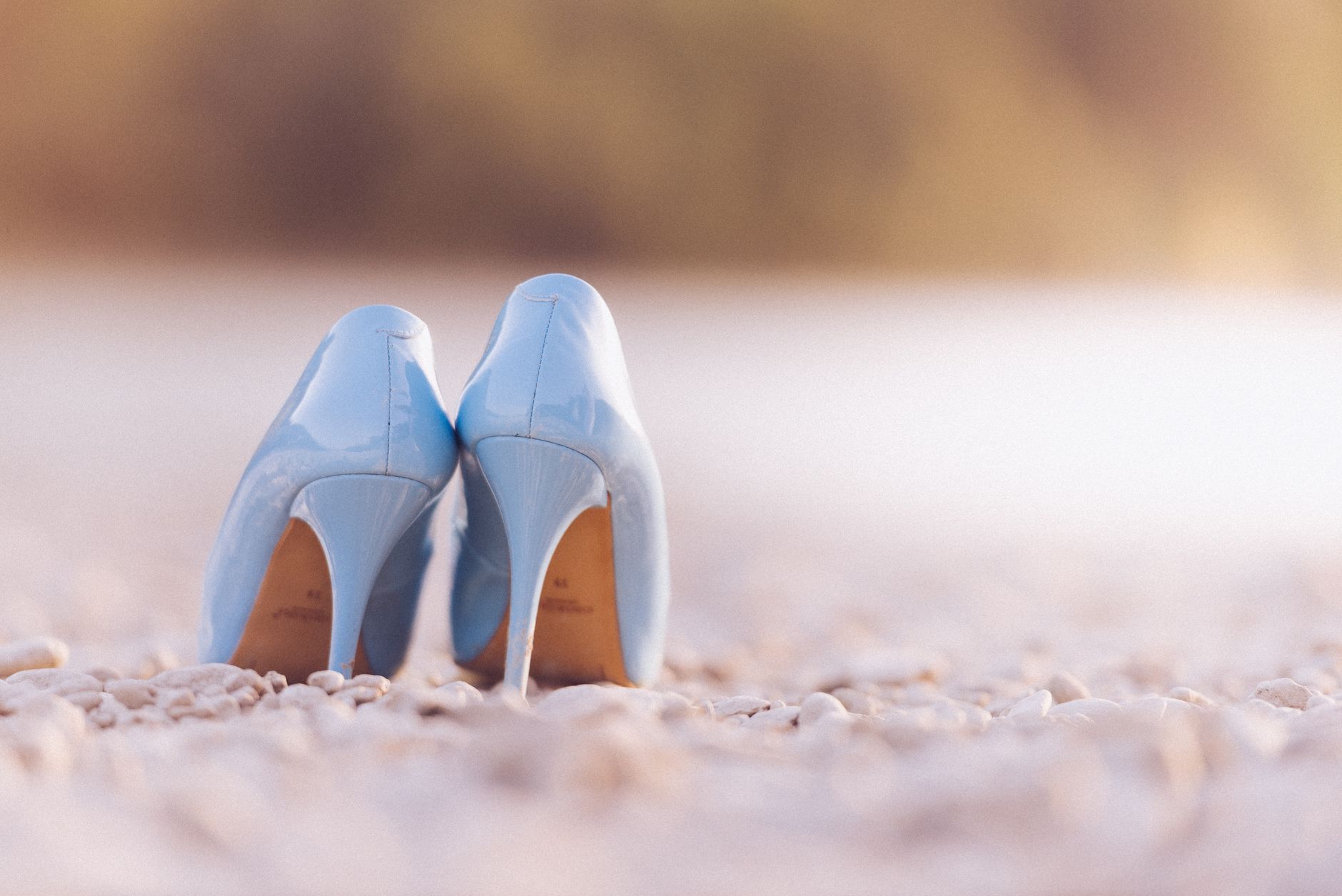
Manolo Blahnik has always understood heel height as a design language rather than a height competition. The house’s kitten heel silhouettes retain the same pointed toe, the same architectural precision, and the same attention to the moment where heel meets sole that defines its most iconic styles. The difference is scale, not ambition. That consistency matters because it means a Blahnik kitten heel does not feel like a lesser version of the brand – it feels like the same conversation conducted at a different register.

The Quiet Momentum Building Around Shorter Heels
Styling choices on recent European runways have reinforced this. Shorter heels – not clunky blocks, but slim, tapered profiles sitting between one and two inches – have appeared with increasing frequency in collections that want to signal refinement without formality. The kitten heel specifically has benefited from the broader appetite for dressing that feels considered rather than performative.
There is also a generational dimension worth acknowledging. Younger buyers who grew up in an era of sneaker culture and ergonomic footwear are not approaching heels with the same inherited assumptions as their predecessors. For these buyers, a heel needs to justify itself on aesthetic grounds alone. The kitten heel, stripped of the mythology the stiletto depends on, is being evaluated purely as a shape – and increasingly, it wins that evaluation.
What Blahnik Gets Right That Others Miss
Several footwear brands have attempted kitten heel revivals over the past few years with mixed results. The ones that stumbled tended to treat the silhouette as retro nostalgia – a nod to the 1950s and early 1960s, complete with rounded toes and bow details that read more as costume than fashion. Nostalgia can work, but it is a limited runway. The moment the cultural reference fades, the shoe fades with it.
Manolo Blahnik avoids that trap by refusing to treat the kitten heel as a period piece. The house’s versions lean on the same geometric restraint that characterizes its broader design philosophy. Clean lines, quality leather, and heel construction that does not wobble or taper into absurdity. There is no wink to a past decade. The shoe simply exists as a well-made object that happens to have a short heel.
The construction argument is more relevant than it sounds. A kitten heel done badly – thin leather upper, heel that flexes under weight, poorly finished insole – feels cheap in a way that a badly made stiletto somehow escapes, because the stiletto’s drama distracts from its flaws. The kitten heel has nowhere to hide. Every detail is visible because nothing is competing for attention. Blahnik’s manufacturing standards, applied consistently across heel heights, mean the kitten heel benefits from the same quality that the brand’s more theatrical styles trade on.

The current moment in fashion is also favoring silhouettes that work across multiple contexts without requiring a full costume change. A Blahnik kitten heel moves from a morning meeting to a restaurant dinner without the wearer needing to re-narrativize her outfit. The stiletto is more demanding – it asks the rest of the look to justify it, or it risks reading as overdressed. That contextual flexibility is not something the fashion press tends to celebrate loudly, but it drives purchasing decisions in a significant and sustained way. The question now is whether other houses will take the kitten heel as seriously as Blahnik always has, or whether this moment belongs specifically to a brand that never stopped believing in it.
Frequently Asked Questions
Why is the kitten heel becoming popular again?
Shifting attitudes toward comfort, contextual dressing, and a move away from aspirational discomfort have made the kitten heel a credible alternative to the stiletto.
What makes Manolo Blahnik’s kitten heel different from other brands?
Blahnik applies the same construction quality and geometric precision to its kitten heels as its taller styles, avoiding the nostalgia trap that limits other brands’ versions.