



The overshirt had a good run. For the better part of four years, that boxy, button-front layer sat at the intersection of casual and considered – equally at home over a white tee as it was under a structured coat. But something has been shifting in the quieter corners of the luxury market, where customers who buy less but buy better have started reaching for something different. Loro Piana’s cashmere bomber has been gaining ground, and the transition says more about how luxury dressing is evolving than any single runway moment could.
It is not a dramatic swap. The people moving from overshirt to cashmere bomber are not doing so loudly, and that is precisely the point. This is a category shift that happens at the level of personal wardrobes, not Instagram announcements. The Loro Piana bomber – typically rendered in their signature brushed or baby cashmere, with clean ribbed cuffs and a minimal zip closure – looks almost deliberately uninteresting at first glance. That restraint is the whole argument.
Why the Overshirt Is Losing Ground
The overshirt arrived as a workwear-adjacent solution for a generation that wanted dressing to feel effortless rather than studied. It borrowed utility aesthetics – patch pockets, sturdy fabrics, shirt collars – and made them feel appropriate across a wide range of contexts. The problem with that kind of versatility is that it eventually starts to feel like compromise. An overshirt is not quite a shirt, not quite a jacket, not quite anything. For a while that ambiguity read as freedom. Now it increasingly reads as indecision.
The piece also suffered from overexposure. Once every mid-range brand from H&M to Zara had produced its version, the overshirt’s association with considered dressing started to erode. High-low dressing is a real strategy and an appealing one, but the anchor piece in that equation needs to carry some weight. An overshirt at forty dollars looks almost identical to an overshirt at four hundred. That is difficult terrain for a garment trying to signal anything beyond basic functionality.

What the Cashmere Bomber Actually Offers
Loro Piana’s bomber works through a combination of material and proportion that is harder to replicate cheaply than the overshirt ever was. Cashmere at this quality level – particularly the brand’s sourced Hircus goat fiber or baby cashmere from the Hircus breed – has a visual weight and surface quality that reads differently across a room. It does not need to announce itself. The people who notice it already know what they are looking at.
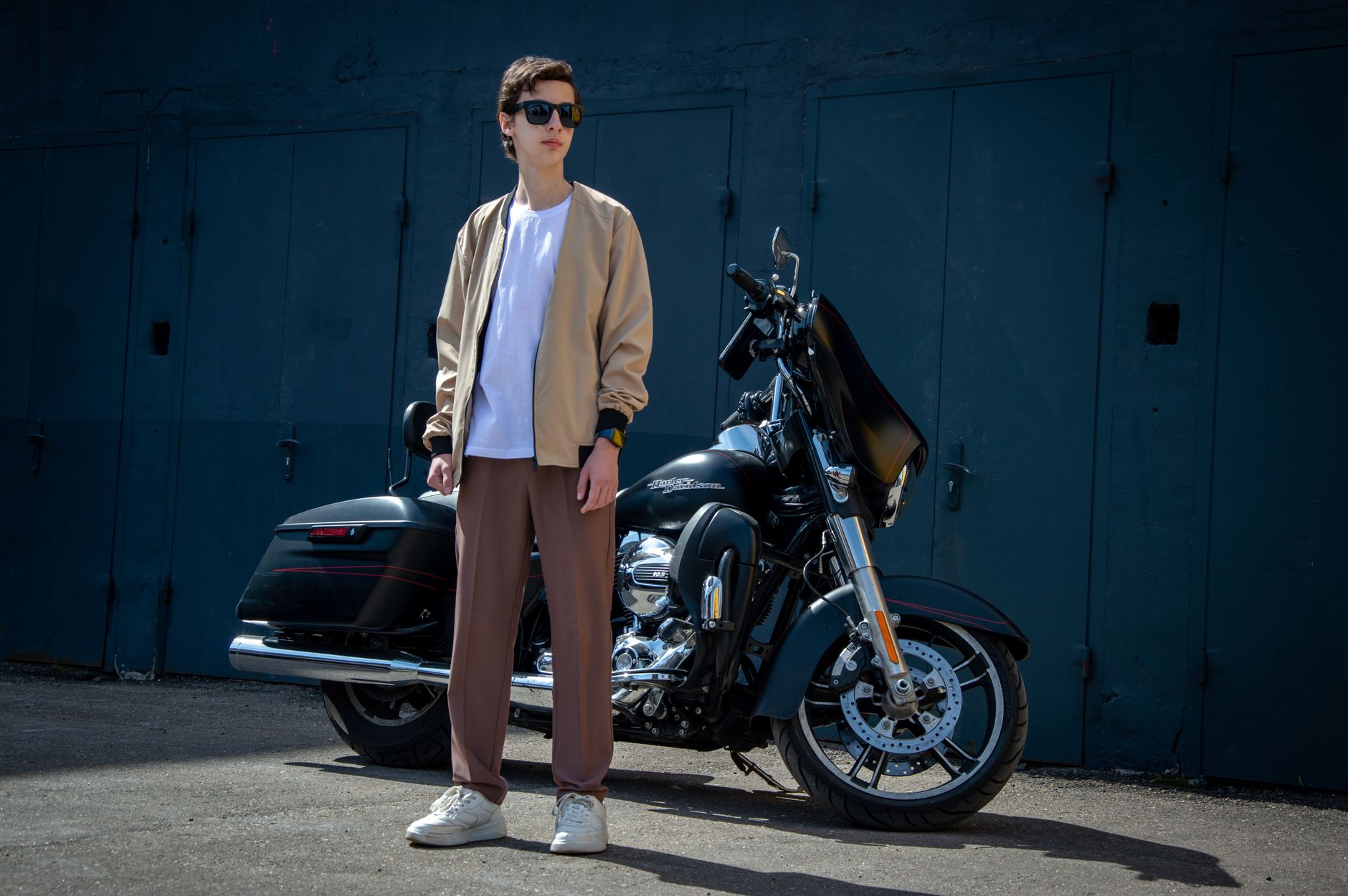
The silhouette matters as much as the fiber. Loro Piana cuts the bomber with slightly more length and a cleaner body than the inflated, streetwear-adjacent versions that saturated the market in the late 2010s. The ribbed hem sits lower, the chest is not exaggerated, and the zip lies flat without pulling. That proportional restraint makes it function as a genuine alternative to a blazer in smart-casual settings, which is something the overshirt could never quite achieve. You can wear this to a dinner where you might feel underdressed in just a sweater and overdressed in a full suit.
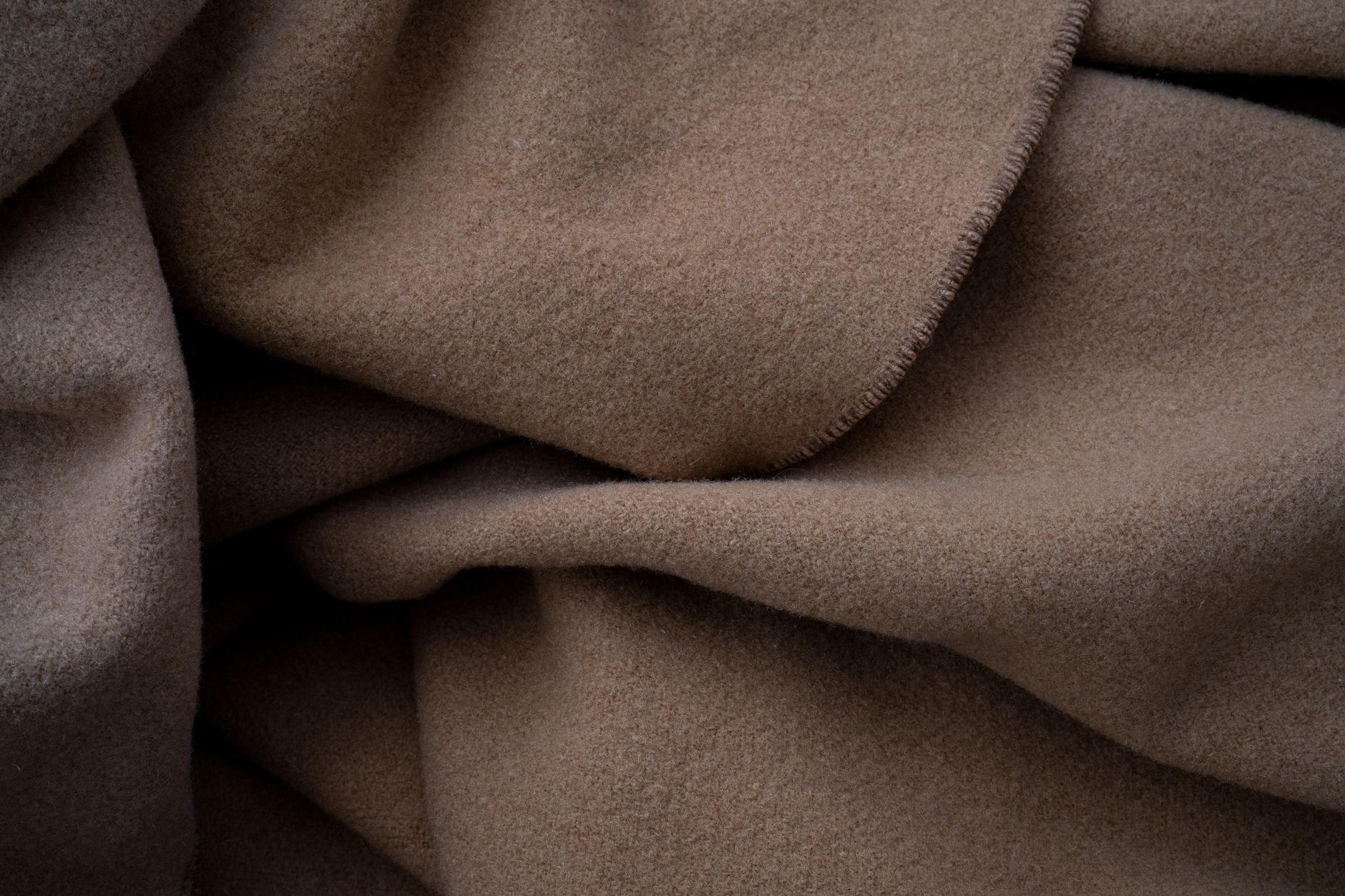
There is also the tactile element, which photographs cannot fully communicate. Luxury at this price point – Loro Piana’s cashmere bombers typically fall in the range of several thousand dollars – is increasingly justified by sensory experience rather than branding. The bomber does not have a large logo. What it has is weight, softness, and a particular way of holding its shape through a long day of wearing. Those are qualities that reveal themselves through use, not through a tag or a monogram.
For buyers who are already familiar with how understated luxury pieces outlast their louder counterparts, the Loro Piana bomber follows a recognizable logic. The less a piece relies on visible branding, the longer it tends to hold both physical and cultural value. A bomber in raw umber or dusty grey cashmere has no expiration date written into its design.
How It Sits Within the Broader Quiet Luxury Moment
The cashmere bomber’s rise is inseparable from what has been happening across luxury fashion for the past several years – the consistent preference for clothes that signal wealth through quality rather than iconography. Loro Piana was arguably the founding text of that aesthetic, long before the term “quiet luxury” made its way into trend reporting. The brand has spent decades building an identity around fabric provenance and construction rather than campaigns and collaborations. The bomber is perhaps the most distilled expression of that approach available in their current collection.
What makes this particular garment interesting is that it does not require the wearer to already understand the brand’s codes. Unlike a cashmere crewneck, which could belong to any number of labels, the bomber’s silhouette carries some recognizable structure. It is a category with defined associations – relaxed, layerable, slightly sporty – that the cashmere execution elevates without abandoning. The wearer gets the ease of the form and the seriousness of the material in one piece.
The Investment Case, Made Practically
The argument for spending significantly more on a single outerwear piece rather than rotating through several mid-range alternatives comes down to frequency of wear and cost-per-use over time. A cashmere bomber in a neutral that works across seasons – autumn through early spring in temperate climates – gets reached for constantly because it solves a genuine problem. That in-between temperature range, too warm for a real coat and too cold for just a sweater, is exactly where this garment operates best.
Loro Piana also has a track record of producing pieces that do not date. Their knitwear from a decade ago still circulates in wardrobes without looking archaic, largely because the brand avoids trend-specific detailing. A bomber from the current collection will not look obviously “now” in the way that some heavily branded pieces do, and that is a deliberate choice with practical consequences. The purchase calculus changes when a piece has a realistic ten-year horizon.
The overshirt will not disappear. It still has a function in casual layering, particularly in heavier fabrics like flannel or heavy cotton twill, and plenty of brands continue to produce strong versions. But the customer who was using it as a slightly elevated, go-everywhere layer has found something that does the job with more precision. Whether the cashmere bomber holds that position or eventually yields to whatever replaces it is the more interesting question – Loro Piana has never been particularly interested in chasing what comes next, which is usually why what they make still gets worn.