



The Quiet Detail That’s Winning Over Luxury Buyers
Monogram hardware has been the dominant visual shorthand of luxury fashion for decades – the interlocking letters, the logo-stamped clasps, the buckles designed to be read from across a room. Loro Piana has never played that game. The Italian house built its entire identity on the absence of noise: no logos, no seasonal campaigns, no red carpet strategy. What it has, instead, is craft so refined that the details do all the talking. And right now, one detail in particular is pulling serious attention.
The braid trim – a hand-finished woven edge appearing on jackets, cardigans, tote bags, and footwear across recent Loro Piana collections – has quietly become one of the most recognizable signals in understated luxury dressing.
It shows up as a narrow border along a cashmere coat’s hem, a woven binding on a suede moccasin, or a structured edge finishing a linen tote. Subtle enough to miss at a glance, but immediately legible to anyone who knows. That is, by design, the entire point.

Why Braid Trim Works Where Logos No Longer Do
There is a straightforward reason this kind of detail is gaining ground: logo fatigue is real and it runs deep in the category of buyers Loro Piana targets. The customer who spends at this level – $4,000 jackets, $900 loafers – has often already cycled through the visible branding phase. What follows is a preference for things that signal membership to a much smaller group, one that recognizes quality by texture, by cut, by the kind of finishing that does not photograph particularly well but feels immediately different in person.
Braid trim sits precisely in that register. It requires significant labor to execute properly – the hand-finishing process on a single garment edge can take hours when done at the level Loro Piana demands. That labor cost is invisible to the eye but implicit in the price, and buyers in this tier understand that equation intuitively. The trim is not decorative in the way a rhinestone button is decorative. It is structural, functional, and aesthetically restrained all at once, which is a difficult combination to achieve and an even more difficult one to replicate at lower price points. This is what makes it an effective marker of authentic craft rather than performed luxury.
The timing also matters. A growing number of high-end buyers have shifted their attention toward houses that operate outside the seasonal spectacle of fashion week – brands where the creative vision is expressed through material and technique rather than through campaign imagery and celebrity placement. Loro Piana releases collections without fanfare, without a front row to photograph, without a social media moment engineered to drive conversation. The braid trim detail works within that ethos because it rewards attention rather than demanding it.
How It’s Moving Through the Market
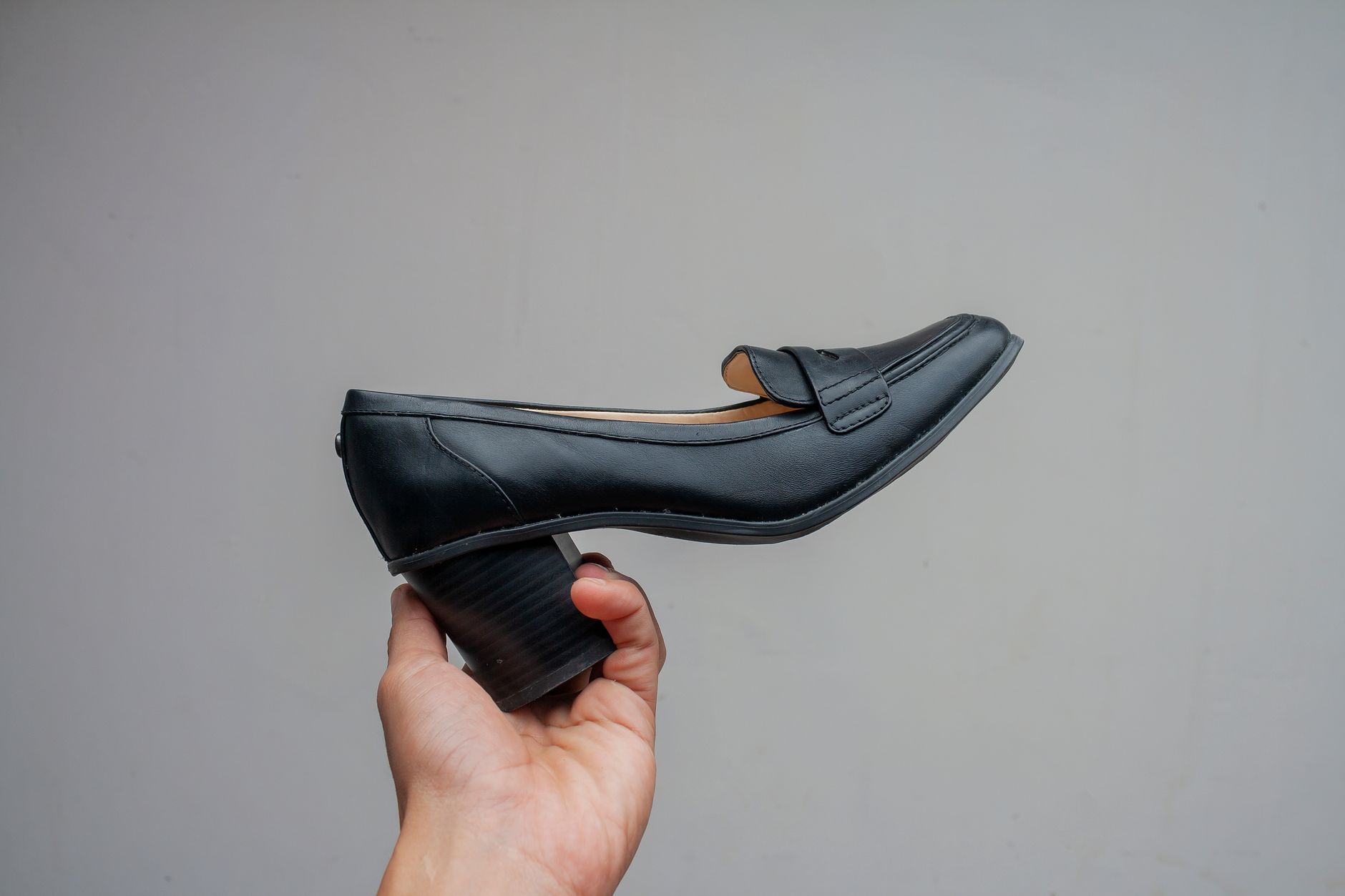
The braid trim has started appearing on the pieces that move fastest at resale, which is one of the cleaner indicators of a detail gaining cultural traction. Loro Piana loafers with the woven trim edge are holding strong secondary market value, and the brand’s structured totes finished with braid binding are regularly backordered at the retail level. Neither of these is a coincidence.
What’s happening is a version of the same dynamic that made Bottega Veneta’s intrecciato weave a shorthand for sophisticated consumption in the early 2000s – a house-specific technique becoming so associated with a particular sensibility that the technique itself becomes the brand identifier, rendering the logo redundant. Loro Piana has been building toward this for years, but the braid trim is the first detail to break through at scale, appearing consistently enough across product categories that it now registers as a house signature rather than a seasonal styling choice.
Styling-wise, the trim is appearing in contexts that reveal exactly who is reaching for it. Cream cashmere cardigans with braid-edged cuffs worn over wide-leg trousers. Suede driving shoes with the woven toe cap finishing photographed on cobblestone streets in European cities. The aesthetic codes are consistent: natural palette, relaxed silhouette, expensive materials worn without ceremony. This is not fashion as performance. It is fashion as a kind of quiet confidence, the kind that does not need anyone in the room to recognize the brand name to feel entirely secure in the investment.

The Staying Power Question
The real test for a detail like this is whether it calcifies into a trend – something that gets knocked off by mass market brands, diluted, and eventually abandoned by the original adopter – or whether it becomes genuinely synonymous with the house, resistant to imitation because the craft behind it is too expensive and too specialized to replicate at any other price point. Loro Piana’s braid trim is, for now, holding the line on that second category, and the brand shows no sign of amplifying it in ways that would invite the knockoff cycle. Monogram hardware took decades to exhaust itself. A hand-finished woven border on a $3,500 coat may have considerably more runway.