



The knit glove has had a long run. Practical, packable, available in every colorway from oatmeal to forest green – it became the default winter hand covering for anyone who wanted warmth without much thought. But something is shifting on the accessory floor this season, and Jil Sander is at the center of it.
The German house has been quietly pushing a sleeker alternative: a structured leather glove with clean seaming, a fitted wrist, and none of the casual softness that defines the knit category. It is not a new concept in fashion history, but the way Jil Sander is framing it – spare, functional, almost architectural – makes it feel like a direct counter-proposal to the cozy-everything aesthetic that dominated the past several winters.
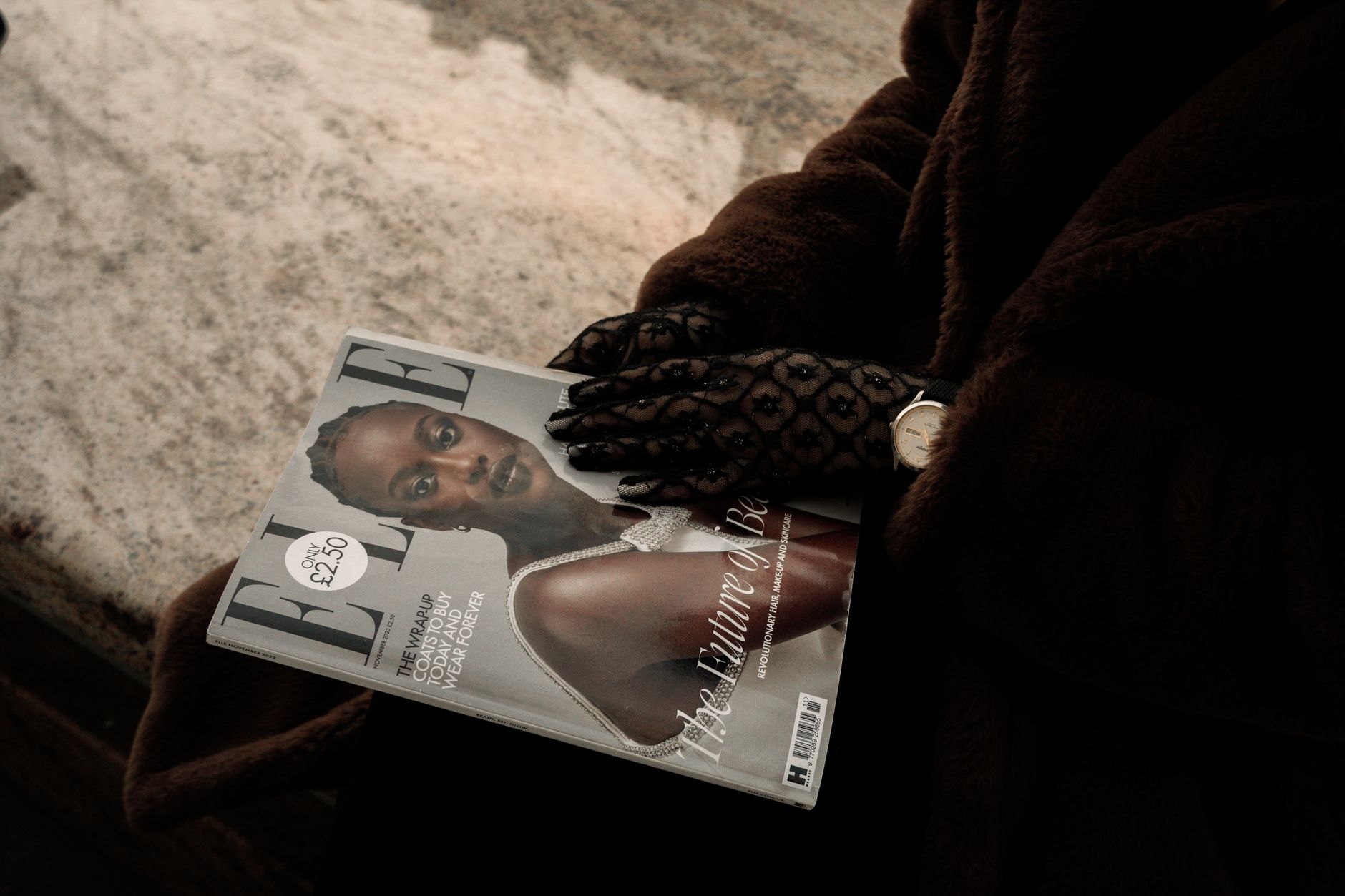
Why Leather Gloves Fell Out of Fashion (And Why That Is Reversing)
Leather gloves spent years associated with a particular kind of formality – the kind that felt dated rather than elegant. They read as something your grandmother wore to church, or a prop in a period drama. The rise of streetwear and the broader casualization of dress codes pushed them further into irrelevance. A chunky ribbed knit glove matched the aesthetic register of the times far better than anything with a palm seam and a snap closure.
What changed is not the glove itself. What changed is the appetite for precision dressing. Over the past two seasons, a quieter approach to getting dressed has been gaining ground – one that favors restraint over volume, structure over drape. Tailoring returned not as a trend but as a persistent undercurrent. The leather glove fits that register almost too perfectly. It is disciplined where the knit is relaxed, deliberate where the knit is afterthought.
Jil Sander has long been the house most associated with this particular grammar of getting dressed. Its collections consistently strip away everything extraneous until what remains is form, proportion, and material quality. A leather glove in that context is not a throwback – it is a logical extension of the same thinking that shaped the brand’s minimalist coats and unadorned trousers. The glove becomes part of a total visual argument, not a cold-weather add-on.
The Material Difference
There is a tactile case to be made here that goes beyond aesthetics. Quality leather gloves age in a way that knit gloves simply do not. They develop a patina, they mold slightly to the hand, they hold their shape through repeated wear. A good knit glove, by contrast, pills within a season and loses whatever crispness it started with. The leather glove’s longevity is built into its material logic – which also makes it easier to justify a higher price point without the argument feeling strained.
Jil Sander’s version leans into this durability narrative without making it explicit. The construction is tight, the leather smooth but not flashy, the lining functional rather than plush. It is the kind of object that rewards close attention but does not announce itself from across the room – a quality that currently carries considerable weight with the same buyers gravitating toward understated luxury accessories like Loro Piana’s Wish Bag.

How It Moves Through a Look
The strongest argument for the leather glove is how it reads in context. Pull on a ribbed knit glove over a tailored coat sleeve and the silhouette softens immediately – the cuff area becomes a visual loose end. A fitted leather glove, by contrast, continues the line of the sleeve. It maintains the shoulder-to-fingertip geometry that structured dressing depends on. Photographers working fashion coverage have started framing hand details in a way they rarely did when knit gloves dominated.
Color plays differently here too. Jil Sander’s leather gloves arrive in tones that treat black as a starting point rather than a default – cognac, stone, dark chocolate brown, and a muted burgundy that sits somewhere between wine and clay. These are not bold choices, but they are considered ones. Against a camel overcoat or a charcoal suit, they read as a deliberate decision rather than a default reach for something warm. That distinction matters when the broader mood in fashion is rewarding intentionality.
The silhouette question extends to sleeve interaction. One functional detail that keeps surfacing in how the Jil Sander glove is styled is its fit at the wrist – close enough to tuck under a cuff or sit just at the edge of one without creating bulk. That sounds minor until you consider how often a bulky knit glove disrupts the line of a sleeve, especially on slimmer cuts. The leather version solves a dressing problem most people have been tolerating rather than solving.
There is also a gender neutrality to the silhouette that Jil Sander has calibrated carefully. The glove does not read as masculine or feminine in the traditional sense of those categories – it reads as precise. That positioning puts it within reach of a much wider customer than the ladylike leather glove of earlier decades, which carried very specific associations about how it should be worn and by whom. A structured leather glove in cognac works with a men’s overcoat as naturally as it works with a women’s blazer dress, and that range is part of what gives it staying power as more than a seasonal novelty.
The knit glove is not disappearing from stores. But it is losing ground in the specific conversation about how accessories can sharpen a look rather than simply complete it – and right now, Jil Sander is making the most articulate case for what takes its place.