

The mule is having a moment that feels less like a trend and more like a correction. While sandals dominated warm-weather dressing for the better part of a decade, Bottega Veneta’s woven Intrecciato mule is quietly shifting where serious shoe attention lands – and the reasons go deeper than aesthetics.
Why the Intrecciato Mule Works Right Now
Bottega Veneta built its modern identity on the idea that the most recognizable thing about a luxury piece should be its craft, not its logo. The Intrecciato weave – the house’s signature hand-woven leather technique – carries that logic directly into footwear. The mule silhouette strips the shoe down to almost nothing structurally, which means the weave itself becomes the entire visual argument. There is nowhere to hide, and nothing else to look at.
The timing matters. After years of maximalist footwear – strappy sandals with architectural hardware, platforms with aggressive proportions, sneakers engineered for spectacle – a woven leather mule with a low block heel reads as genuinely restrained. That restraint is doing real work in 2024 and into 2025, as the broader appetite in luxury fashion moves toward pieces that communicate taste rather than price point. The Intrecciato mule communicates both, but it leads with the former.
There is also a practical argument that sandal devotees rarely want to make out loud: mules are more versatile across seasons. A strappy sandal is committed to summer. The Intrecciato mule, especially in Bottega’s favored deep cognacs, chocolate browns, and muted greiges, moves through late spring, early fall, and even mild winter months without looking seasonally confused. That extended wearability changes the cost-per-wear calculus significantly for anyone spending at this level.
Silhouette-wise, the mule’s closed toe also solves a styling problem that sandals create at the high end of fashion. When the rest of an outfit is considered and precise – tailored trousers, a structured coat, anything with clean lines – an open toe can introduce a casual register that disrupts the whole composition. The mule maintains the outfit’s seriousness all the way to the ground.
The Shift Happening on the Street and in Styling
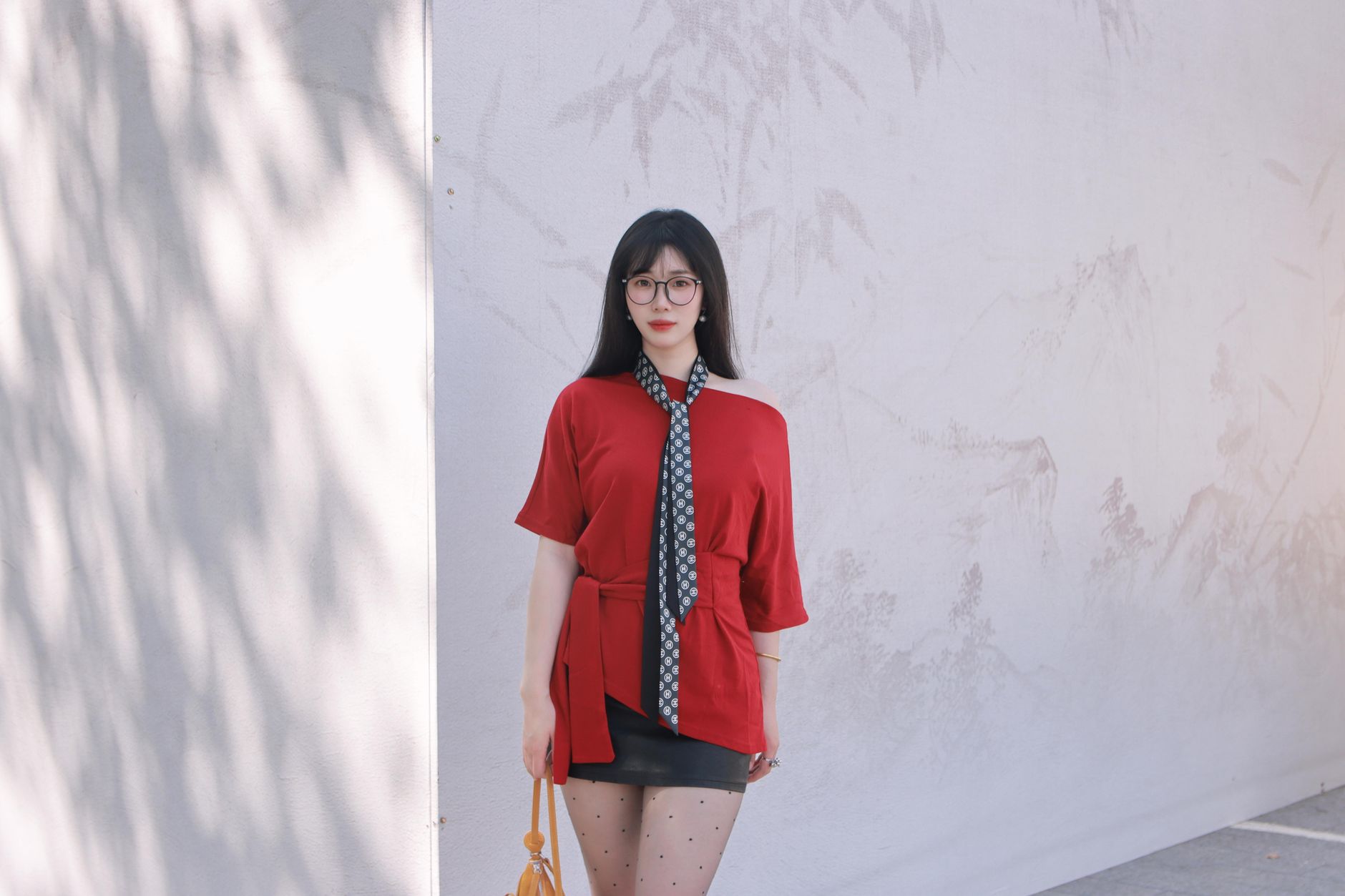
Street style coverage from the major fashion weeks has shown a clear uptick in closed-toe, slip-on silhouettes paired with everything from wide-leg suiting to sheer midi skirts. The Intrecciato mule keeps appearing in these contexts not because it is new – Bottega has worked variations of the style for years – but because the surrounding wardrobe is finally catching up to what it offers. The shoe works because current dressing has become more architectural and less beachy.
Stylists working with clients who operate in formal professional environments have gravitated toward the style for reasons that go beyond aesthetics. A mule with a low heel maintains formality without the discomfort of a pump. The Intrecciato texture adds visual interest without relying on embellishment. And the slip-on construction means the shoe still feels effortless, which matters when dressing for long days that move between meetings and dinners. It occupies a gap in the shoe wardrobe that neither a pointed-toe pump nor a flat sandal fills cleanly.
Social media patterns are telling a version of this story too. The Intrecciato mule appears consistently in “quiet luxury” content alongside pieces from The Row, Loro Piana, and similar houses – a visual shorthand for the aesthetic that values material quality over branding volume. Being placed in that company is not accidental. The shoe fits the mood of that conversation because it earns its luxury through the labor of its construction, which is exactly what that audience is shopping for.
The sandal’s decline in this specific fashion conversation is not total – there will always be demand for a beautifully made strappy sandal, and houses like Manolo Blahnik and Aquazzura aren’t going anywhere. But the particular type of attention that flows toward the “serious” shoe – the one that gets referenced in editorials framing next-season wardrobing – has visibly moved. Mules are holding that position right now, and Bottega’s version is holding it more than most. This is a pattern worth watching alongside other closed-toe silhouettes gaining ground over open alternatives across multiple footwear categories.
Bottega’s color strategy also deserves credit here. The house releases the Intrecciato mule in shades that are neither basic nor eccentric – dusty pinks, brick reds, rich forest greens alongside the neutrals. The color range lets the shoe function as either a neutral or a focal point depending on how it’s styled, which increases its appeal across a wider range of buyers and wardrobe types. A single silhouette that reads differently across contexts is exactly what a high-investment shoe needs to justify its price.
What This Means for How Women Are Buying Shoes
The move toward the Intrecciato mule signals something worth paying attention to in how luxury shoe buying decisions are being made. Shoppers at this level are increasingly resistant to buying a shoe that only works for three months of the year or only with one type of outfit. The investment logic has tightened. When a single pair needs to justify significant spend, it needs to work harder across more situations – and sandals, no matter how beautiful, have a structural limitation there that mules simply do not.
The more interesting question is whether Bottega’s competitors move to match this. Several houses are already experimenting with woven and textured mule silhouettes, but none has the Intrecciato heritage that makes the technique feel earned rather than borrowed. If the mule continues to hold the styling ground it has claimed, the pressure on other brands to develop their own closed-toe, craft-forward alternatives will only grow – and the sandal will have to make a much stronger case for the space it once occupied without question.