



When a fashion house quietly stops referencing a former creative director’s work, it sends a message louder than any press release. Givenchy has spent the better part of the past year doing exactly that – scrubbing the visual and commercial legacy of Matthew Williams from its active identity with a speed and thoroughness that the industry rarely sees done so openly.
Williams, the Los Angeles-born designer who arrived at Givenchy in 2020 with a streetwear-inflected vision and deep ties to the 1017 ALYX 9SM world, was quietly exited from the house in early 2023. Since then, the brand has moved on under the direction of Hubert de Givenchy’s founding codes – but the way it has handled Williams’ three-year tenure tells a more complicated story about how luxury fashion deals with creative misfires.
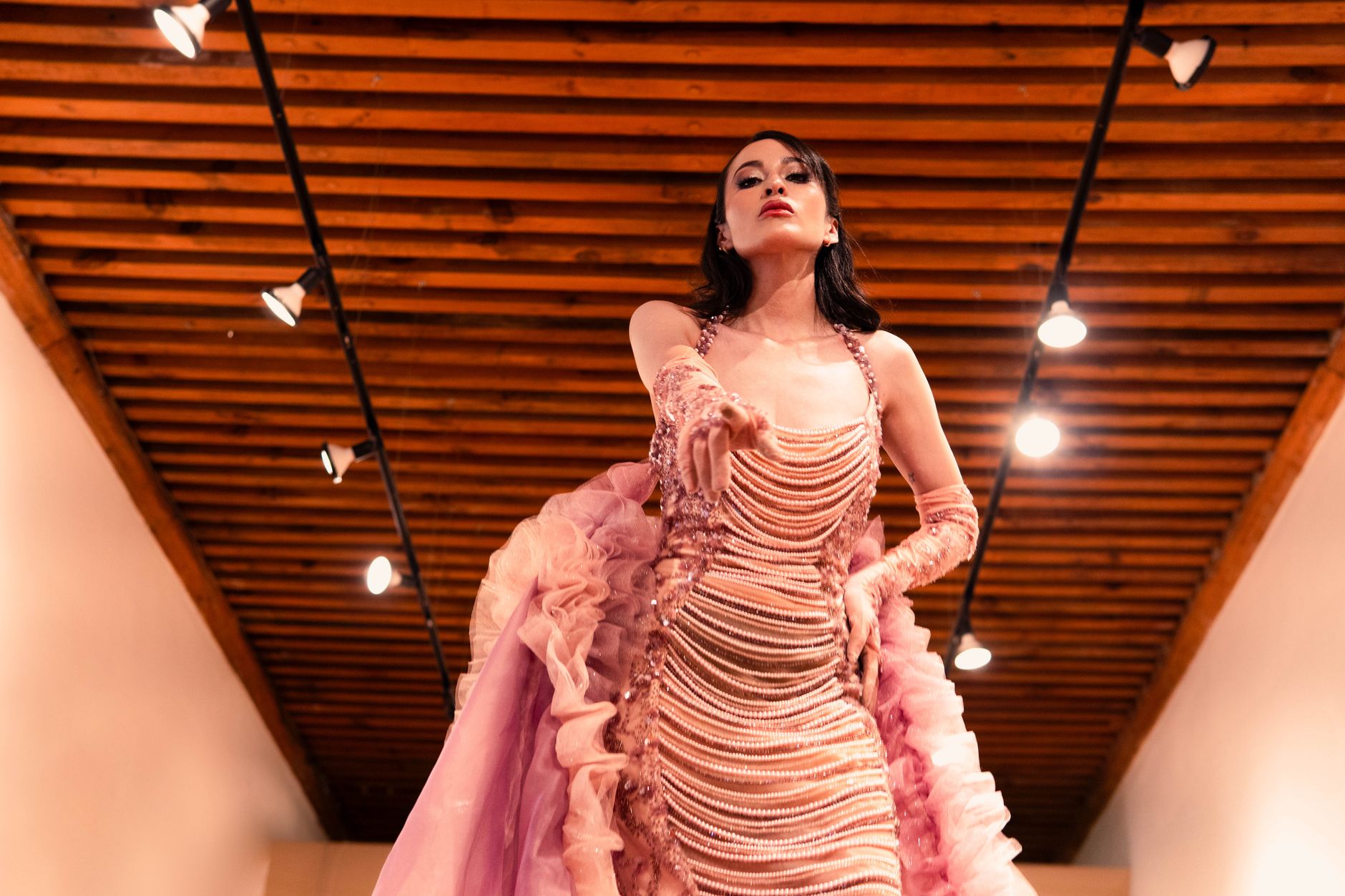
How the Erasure Actually Works
Archival purges in fashion are rarely announced. They happen through omission – a lookbook that no longer appears on the brand’s website, a collection that disappears from the official heritage timeline, a design language that stops being referenced in new campaigns. Givenchy has applied all three tactics to the Williams era with methodical efficiency. His runway collections, which ran from Spring/Summer 2021 through Fall/Winter 2023, have been progressively de-emphasized in every official channel the house controls.
The product side tells the story most clearly. Pieces from Williams’ tenure – the industrial hardware details, the oversized silhouettes with streetwear proportions, the collaborations that leaned into his personal aesthetic network – have not been brought back for re-editions or archive drops. Givenchy’s current commercial strategy leans heavily on couture heritage and the house’s pre-1995 visual vocabulary. The Williams period is being treated not as a chapter but as a detour.
This is not the first time a major house has quietly retired a creative direction that didn’t connect commercially or critically. But the speed matters here. Three years of work at a house with Givenchy’s history and resources represents a significant investment – in runway production, in team building, in wholesale relationships. Walking away from it this cleanly suggests the decision was made at a level above aesthetic preference.
What Williams Was Actually Trying to Do
Williams was hired during a moment when several major houses were racing to absorb streetwear’s cultural dominance. His appointment made sense on paper – he had built a genuine following through ALYX, had dressed musicians and athletes with credibility that most Parisian houses couldn’t manufacture, and represented a direct line to a younger consumer that luxury had been chasing. The logic was the same logic that had worked, to varying degrees, at Valentino, at Versace, at Balenciaga.
The problem was that Givenchy’s identity is more fragile than those houses. Balenciaga had Demna’s conceptual framework to anchor even its most provocative turns. Valentino under Pierpaolo Piccioli built such strong critical goodwill that the house could absorb almost any risk. Givenchy, without a singular living creative personality at its center, needed continuity more than disruption. Williams’ hardware-heavy aesthetic sat in genuine tension with everything the house name carries – the Audrey Hepburn associations, the couture lineage, the specific kind of Parisian refinement that Givenchy sells at its price point.
The Broader Pattern at LVMH Houses
LVMH has become increasingly direct about correcting creative missteps quickly, and the Williams situation fits into a pattern the group has applied at multiple houses over the past decade. The group’s tolerance for extended underperformance at heritage brands has visibly shortened. When a creative direction fails to move product at the margins luxury requires, the correction comes faster than it did twenty years ago, and the rebranding away from that director’s work begins almost immediately.
What makes the Givenchy case worth watching is how it handles the question of what comes next. The house has not appointed a permanent creative director to replace Williams. It has been operating through a studio model – internal teams producing collections that reference founding codes without a singular authorial voice attached. This is a holding pattern, not a strategy, and it creates its own risks. A house running on heritage nostalgia without a living creative point of view can start to feel like a museum rather than a fashion brand.
The studio approach does buy time, and Givenchy is not the only house that has used it productively in the short term. But the longer it continues, the more the brand risks losing the thread of why a customer would choose Givenchy over any other house offering similarly refined, heritage-coded luxury. The way Dior has handled its own archival codes – threading a living creative vision through historical references rather than simply repeating them – shows what’s possible when a house commits fully to that balance.
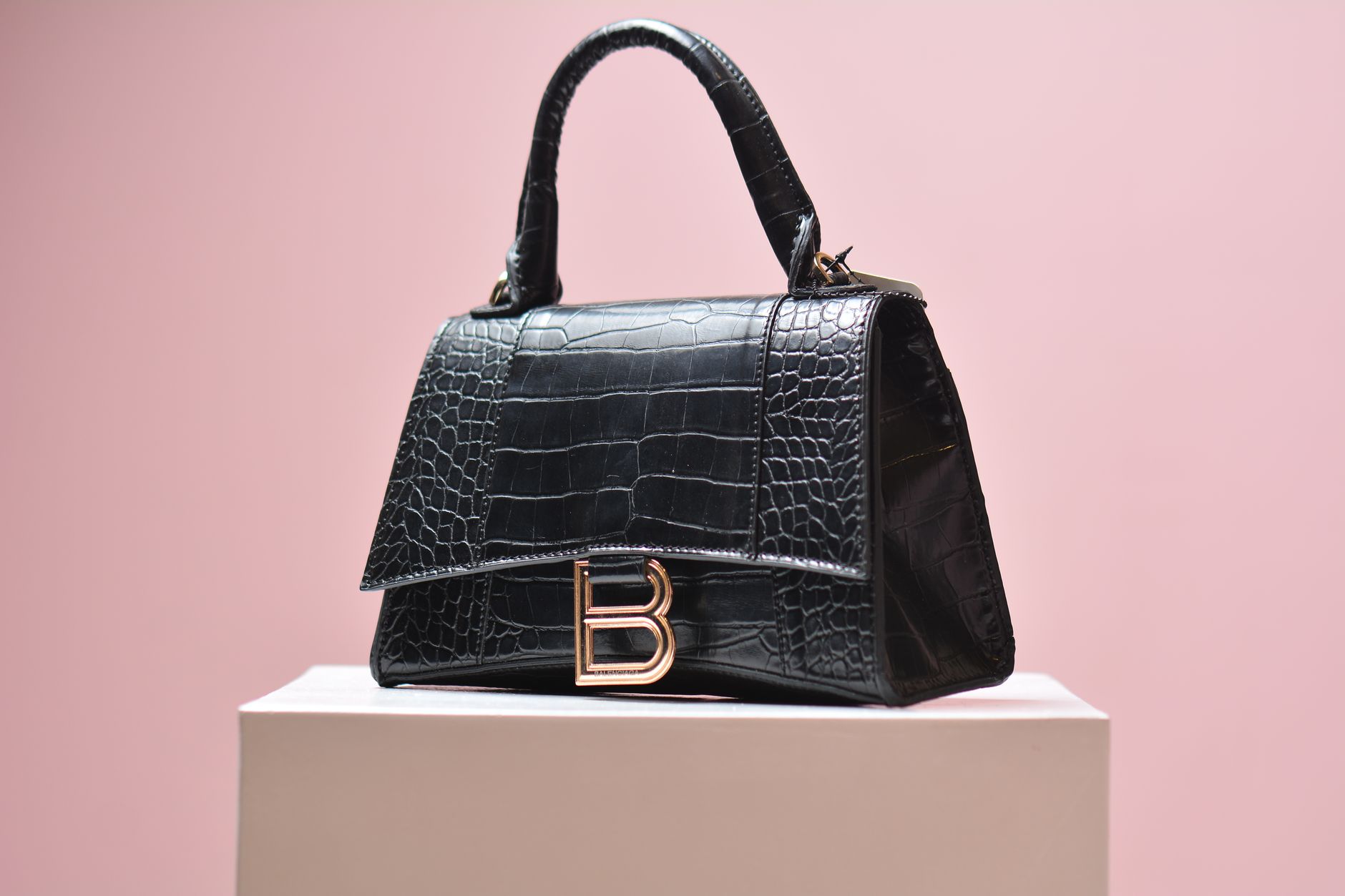
Meanwhile, the Williams pieces that do exist in the secondary market are occupying an odd position. They haven’t developed the cult following that sometimes emerges when a misunderstood creative gets reassessed years later. The hardware-heavy bags and the industrial silhouettes haven’t found a collector base the way that, say, overlooked Raf Simons-era Jil Sander pieces eventually did. Whether that changes depends entirely on whether Williams’ broader career trajectory generates the kind of critical rehabilitation that reframes early work in a new light – and right now, there’s no sign that process has started.
Frequently Asked Questions
Why did Matthew Williams leave Givenchy?
Williams exited Givenchy in early 2023. The departure was widely attributed to his streetwear-influenced aesthetic failing to connect with the house’s commercial positioning and heritage identity.
Who is designing for Givenchy now?
Since Williams’ departure, Givenchy has been operating under an internal studio model without a named creative director, drawing on the house’s founding codes while a permanent appointment is reportedly under consideration.