


Balenciaga built its recent reputation on spectacle – oversized silhouettes, platform crocs, and runway shows that felt more like performance art than fashion presentations. But something has shifted quietly in the collections Demna has been putting out, and the minimalist crowd, long resistant to the brand’s maximalist energy, is starting to pay attention.
The Shift Nobody Announced
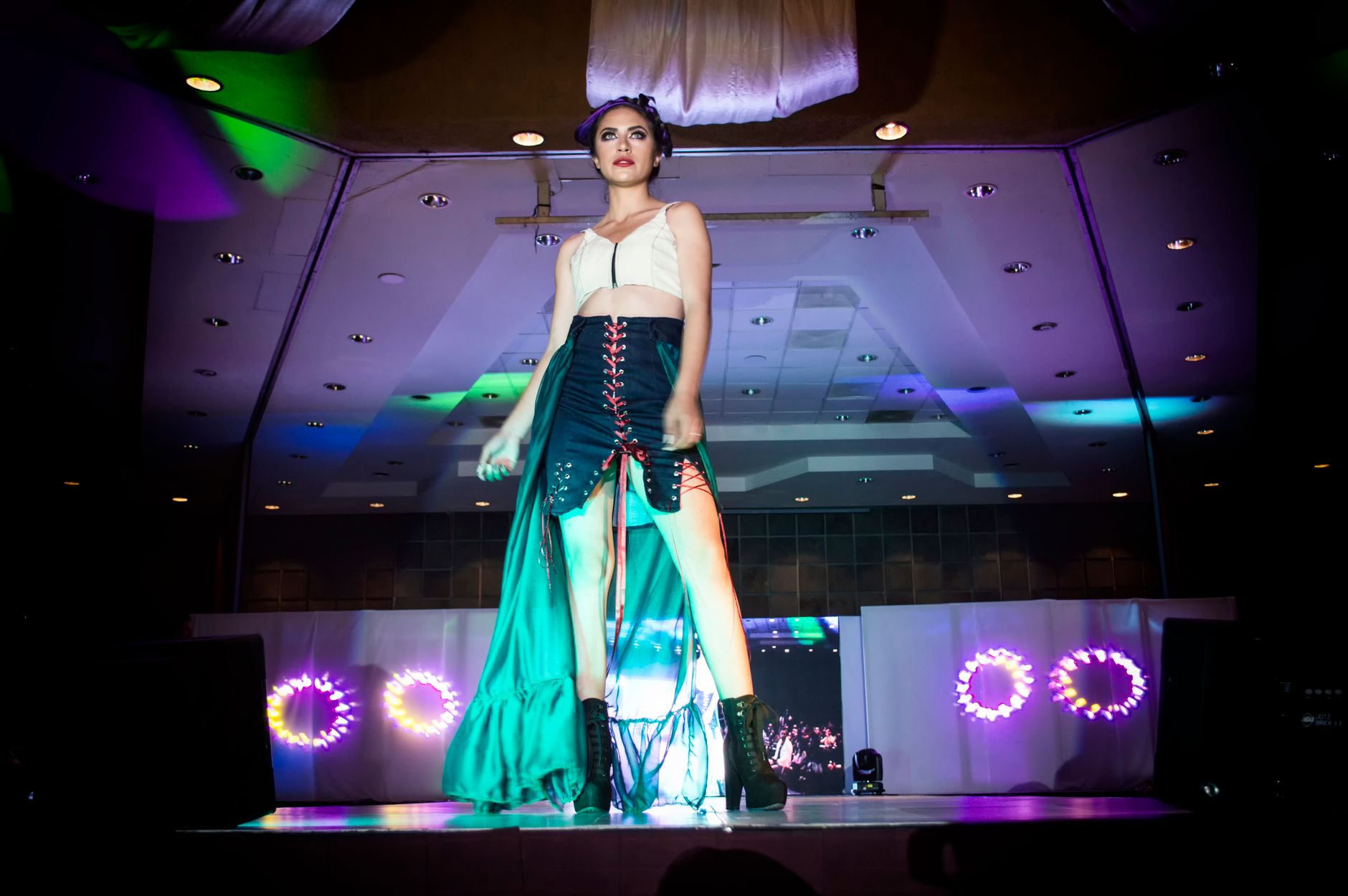
Demna has never been interested in playing it safe, which made the restrained tailoring and muted palettes appearing in recent Balenciaga collections so unexpected. There were no press releases declaring a new creative direction. No interviews where the designer announced he was “stripping things back.” The change arrived the way real shifts in fashion usually do – gradually, and then all at once, visible only in retrospect.
The collections that have drawn minimalist attention are not stripped of personality. A Balenciaga suit cut with that specific exaggerated shoulder still reads as unmistakably the house. But the noise around the garment has been dialed down considerably. Fewer logos fighting for attention on the surface. Fewer styling choices designed to provoke. The clothes have started to speak in a lower register, and that register happens to be one minimalists are fluent in.
What Demna appears to have done – whether deliberately or as a natural evolution of his vision – is isolate the architectural elements of his work and let them stand without distraction. The silhouette remains strong, sometimes aggressively so. But the color stories have grown quieter: deep blacks, warm off-whites, considered grays. These are wardrobe colors, not statement colors. They signal intention without announcing it.
This matters because minimalism in fashion is not simply about wearing less. It is a philosophy built around the idea that reduction forces quality to carry all the weight. A plain black coat has nowhere to hide – the cut, the fabric, the construction, all of it is on trial. Balenciaga’s craftsmanship has always been exceptional, rooted in the house’s founding obsession with form. When Demna removes the spectacle, that craftsmanship becomes the entire conversation.
Why Minimalists Are Reconsidering
The minimalist fashion consumer has long maintained a particular skepticism toward hype-driven brands. They tend to gravitate toward labels that operate quietly – houses where the clothes circulate among a knowing audience rather than dominating social feeds. Balenciaga, for most of Demna’s tenure, was essentially the opposite of that. It was perhaps the loudest brand in luxury fashion, a position it held with evident relish.
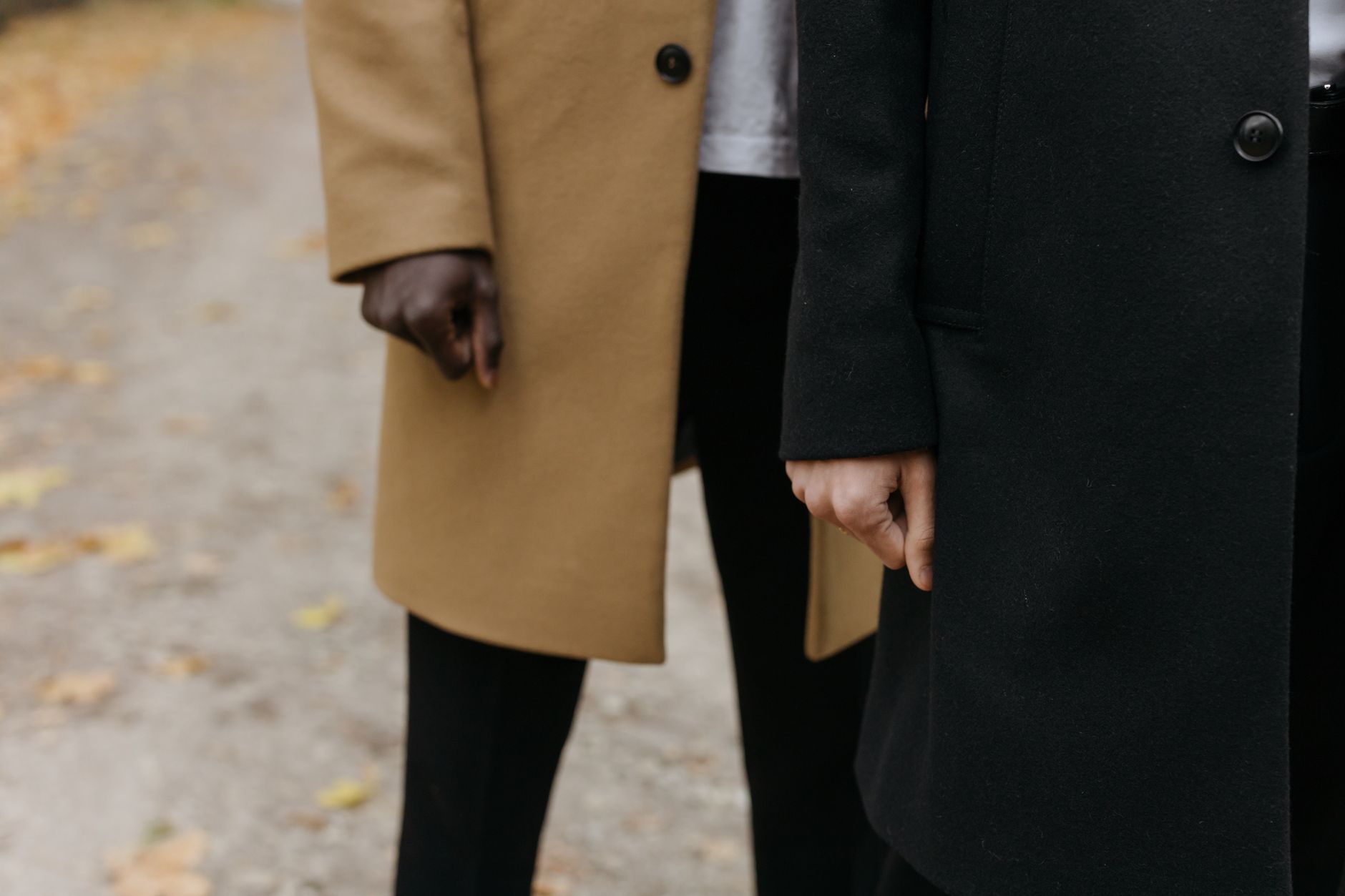
The reconsideration happening now is not about Balenciaga becoming a quiet brand. It is about specific pieces from recent collections crossing over into minimalist wardrobes because they genuinely earn their place there. A perfectly proportioned wool coat. Trousers with a clean, long line. Knitwear that sits close to the body without decoration. These are not concessions to a different audience – they are the logical endpoint of Demna’s long engagement with tailoring, finally visible without the surrounding noise.
There is also a generational dimension to this. A younger minimalist consumer who came of age watching Demna’s Balenciaga is not carrying the same brand associations as someone who formed their aesthetic in the quiet luxury era of the early 2010s. For that younger consumer, Balenciaga is not something to overcome or forgive. The brand’s chaotic chapter reads as context rather than disqualification, which makes the current, quieter work easy to engage with on its own terms. Those who have been tracking the quieter side of high-end fashion – Khaite’s understated leather pieces have been another data point in this same conversation – recognize the pattern: strong construction, reduced decoration, clothes built to last rather than to trend.
Pricing remains a genuine tension. Balenciaga sits at the upper end of the luxury tier, and the minimalist ethos often intersects with a buy-less-but-better mentality. A single coat at Balenciaga prices is a significant commitment, which means the minimalist consumer evaluating it is doing so with particular rigor. The pieces that are crossing over are the ones that survive that scrutiny – where the quality of the fabric, the precision of the cut, and the longevity of the silhouette justify the investment without requiring the buyer to buy into a broader brand identity they may not fully share.
It is also worth considering what this says about Demna’s range as a designer. The dominant narrative around his work has always emphasized provocation, cultural commentary, deliberate ugliness deployed as critique. That reading is accurate but incomplete. Running alongside the spectacle has always been a serious engagement with construction and proportion that traces directly back to Cristobal Balenciaga’s own obsessions. The current collections feel like that second strand gaining ground.
What This Looks Like in Practice

The specific garments drawing attention from a minimalist perspective share certain characteristics. They tend to be single-material pieces with strong silhouettes – coats, trousers, structured knitwear – where the interest comes entirely from shape and proportion rather than surface decoration. The Balenciaga hourglass jacket, reworked across multiple seasons in increasingly refined iterations, is a recurring reference point. It is a dramatic garment but not a loud one. The drama is architectural.
Whether this represents a permanent recalibration or one phase in a longer creative cycle is genuinely unclear. Demna has shown no interest in being predictable, and the next collection could easily reintroduce the maximalist energy that defined his earlier years at the house. But for now, the clothes on offer are giving a historically skeptical audience a real reason to look – and in some cases, to buy.