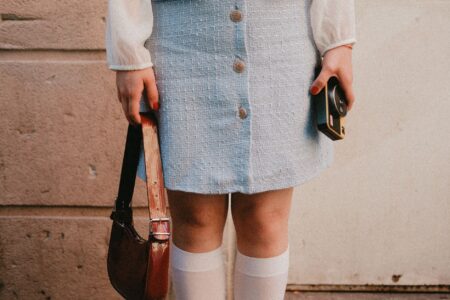



Gabriela Hearst has never been a loud designer. No spectacle, no viral moments, no runway theatrics engineered for social media. What she has built, steadily and without apology, is a body of work that rewards attention – and the fashion world is finally paying it.
The Slow Build of a Serious House
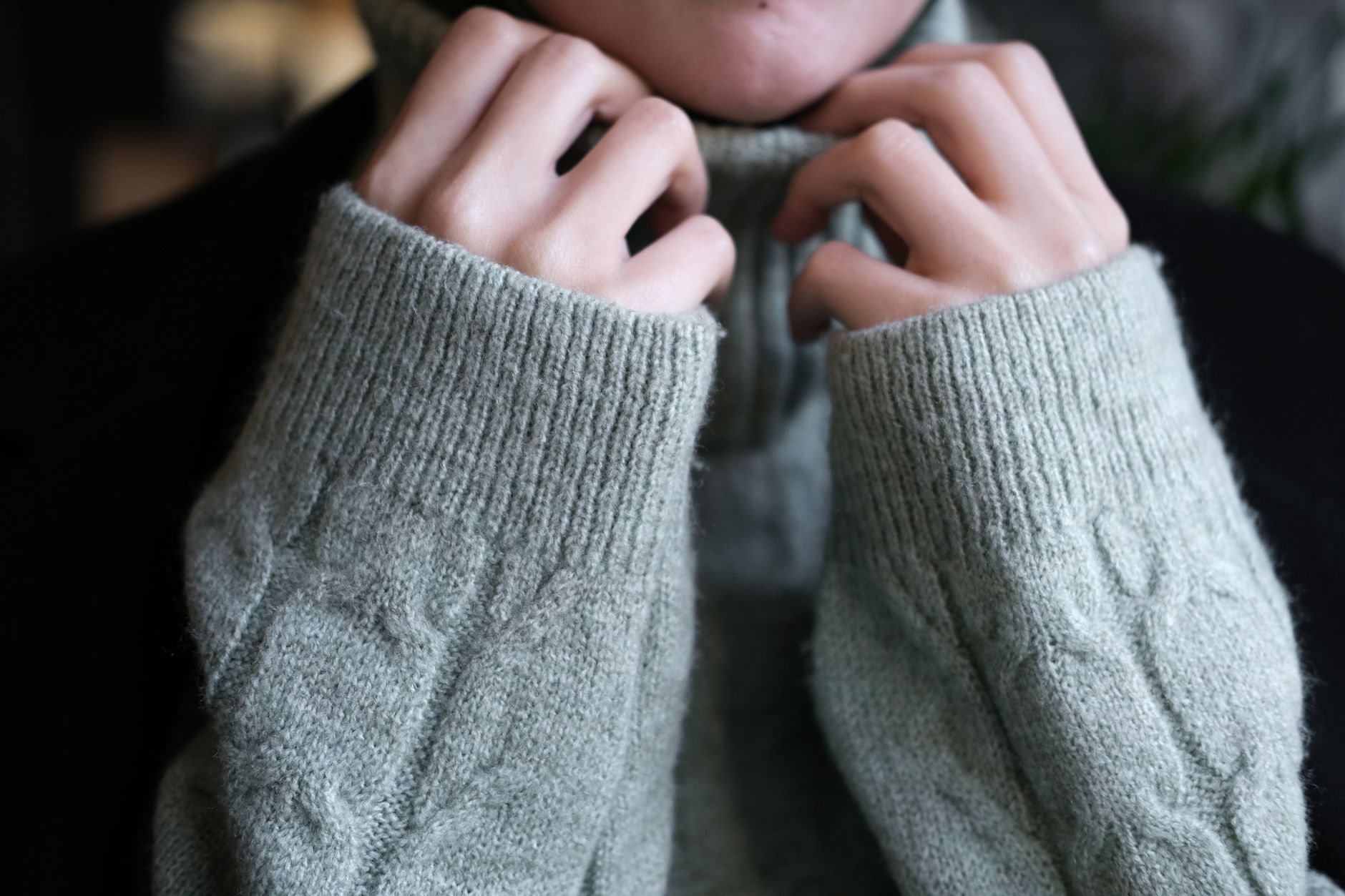
Hearst launched her eponymous label in 2015 with a degree of conviction that felt almost old-fashioned. She was not interested in chasing trends or building a brand around a logo. She was interested in cashmere sourced from her family’s Uruguayan ranch, in hand-knotted bags that took artisans weeks to finish, in clothes that looked better after three years of wear than they did on the hanger. That kind of thinking does not generate immediate buzz. It generates loyalty, which turns out to be worth more.
The Nina bag – a structured, hand-knotted piece that became the label’s signature – became a quiet status symbol without any celebrity gifting strategy or paid placement. Women who owned one knew what it meant. The craftsmanship was visible to anyone who looked closely enough, and invisible to everyone else. That was precisely the point.
When Hearst was appointed creative director of Chloe in 2020, the appointment read as both a validation and a risk. Taking on a storied French house while maintaining her own label is the kind of arrangement that typically ends in compromise. Instead, Hearst brought the same philosophy to Chloe – sustainability not as a marketing hook but as a structural practice, handcraft not as a nostalgic gesture but as an argument about what clothing is actually for. Her Chloe collections drew on traditional weaving techniques and plant-based dyes in ways that felt lived-in rather than performative.
She departed Chloe in 2023, returning full attention to her own house. The timing coincided with a broader recalibration in luxury – a growing exhaustion with logo saturation and the kind of product designed to photograph well and age poorly. Hearst had been making the counter-argument for years. Suddenly, it was the argument the market wanted to hear. The retreat from logomania that has been reshaping luxury spending has created exactly the space her work was always built for.
What Quiet Luxury Actually Means When Someone Means It
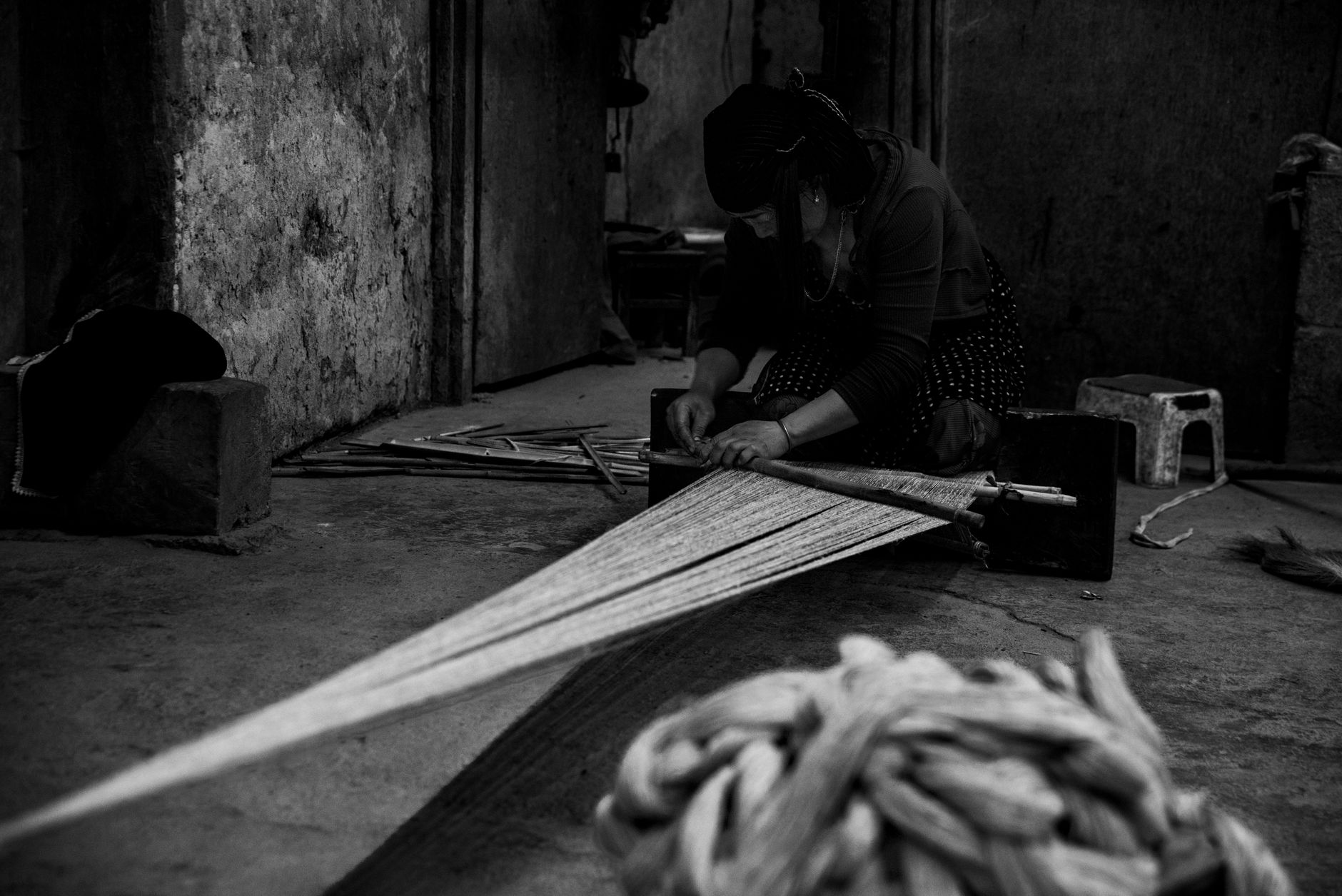
“Quiet luxury” became a trend label applied to everything from minimalist tote bags to $40 linen sets at fast fashion retailers. The term lost its meaning almost as fast as it gained traction. Hearst’s work offers a useful correction: quiet luxury is not an aesthetic, it is a set of decisions about time, material, and labor. A sweater made from hand-spun yarn by a single artisan does not just look different from a machine-knit alternative – it represents a fundamentally different accounting of what a garment is worth and who made it.
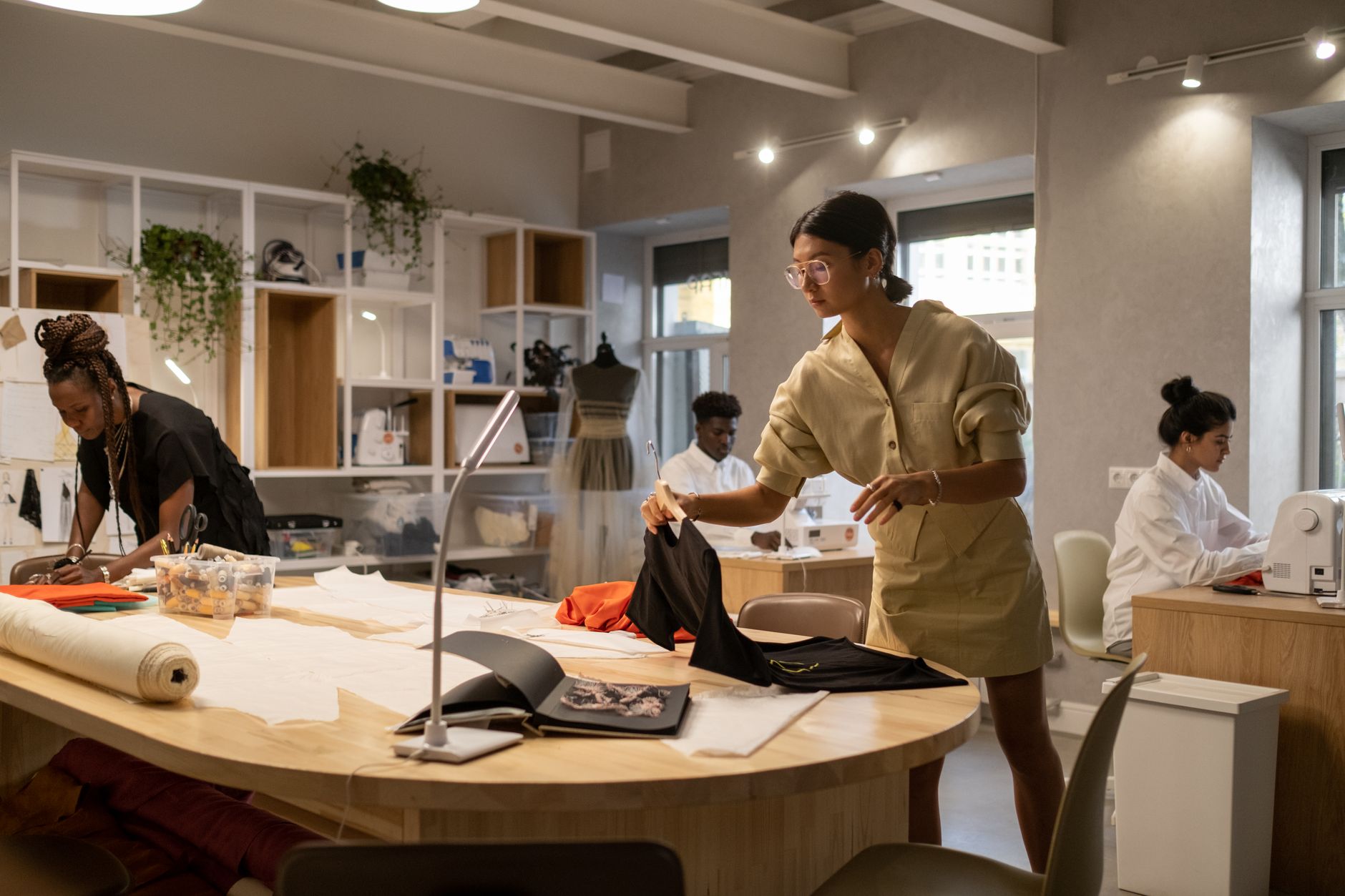
Hearst’s production model reflects that accounting in concrete ways. Quantities are deliberately limited. Pieces are designed to be repaired rather than replaced. The brand maintains relationships with specific workshops and family-owned mills that would not survive without clients willing to pay the actual cost of their work. This is not philanthropy – it is supply chain integrity practiced as design philosophy. The clothes are expensive because the process is expensive, and the process is expensive because it is done properly.
Her collections have never been easy to summarize in a trend report. There are no statement pieces in the conventional sense, no single item designed to anchor a season’s visual identity. Instead, there is coherence – a wardrobe logic that builds across pieces and across years. A coat from three seasons ago integrates with a new trouser cut without effort. The brand functions less like a fashion house and more like a long-running conversation with a consistent point of view.
The client base that has grown around the label tends to be deeply informed about craft. These are buyers who know the difference between a hand-rolled hem and a machine-finished one, who ask about provenance, who are willing to wait. That audience existed before Hearst built a brand around it – she simply gave them somewhere to spend money that aligned with what they already believed.
It is worth watching how the label handles scale as attention increases. The risk with any craft-forward brand is that demand eventually outpaces the conditions that made the work meaningful. Hearst has so far resisted the obvious pressure points – no diffusion line, no licensing agreements that would extend the name without extending the practice. Whether that discipline holds under growing commercial pressure is the more interesting question than whether the clothes are good. They are good. Everyone paying attention knows that now.
The Longer Game
Fashion’s attention economy runs on newness, and Hearst has never competed on those terms. Her work has accumulated authority the way well-made things do – gradually, through repeated contact with people who recognize quality when they handle it. The current moment of visibility is not a breakthrough so much as a threshold: enough people are now looking in her direction that the conversation has shifted from niche admiration to genuine industry reckoning.
What does not change is the underlying proposition. The Nina bag still takes weeks to make. The cashmere still comes from a specific place with a specific history. And the next collection will be built on the same terms as the last one – no shortcuts, no trend pivots, no version of the brand designed to be more legible to a wider audience. The question is whether the wider audience can meet the work where it lives, or whether the attention itself becomes a pressure the work was never designed to absorb.
Frequently Asked Questions
What is Gabriela Hearst known for in fashion?
Gabriela Hearst is known for her emphasis on handcraft, sustainable sourcing, and limited-quantity production. Her Nina bag and knitwear are closely associated with the label’s identity.
Did Gabriela Hearst design for another fashion house?
Yes, she served as creative director of Chloe from 2020 to 2023, where she applied her sustainability-focused approach before returning to lead her own label full-time.