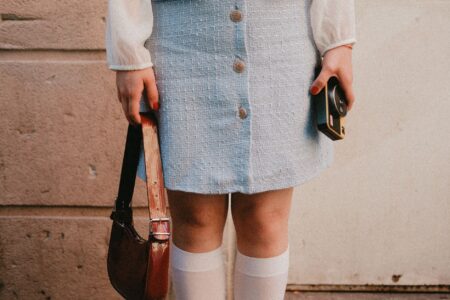



The Wanda bag never disappeared – it just waited. Salvatore Ferragamo’s structured leather tote, first introduced decades ago as a workhorse of Italian craftsmanship, is moving back into the spotlight at exactly the moment when the fashion world has grown tired of itself.
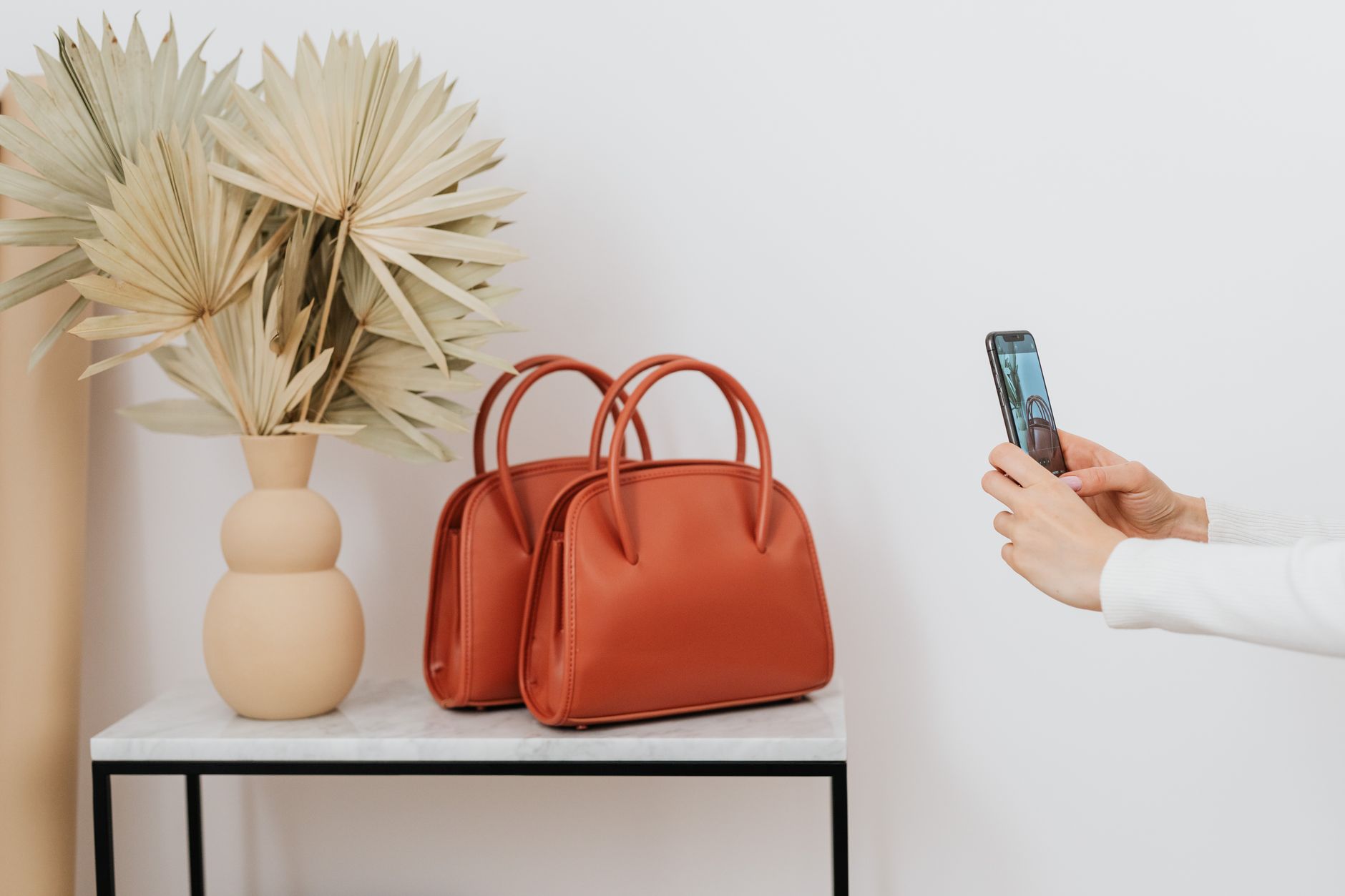
A Bag That Never Needed a Logo to Justify Its Price
The Wanda’s original appeal was always about construction over branding. Its clean trapezoid silhouette, vegetable-tanned leather, and double-handle design communicated quality through material and proportion rather than through a stamped monogram or a chain-link code. That was considered a liability during the mid-2010s logomania peak, when visible branding was the primary currency of desirability. Now, that restraint looks prescient.
Ferragamo itself went through a significant reset under creative director Maximilian Davis, who joined in 2022. Davis stripped the house back to its technical roots – the precision cutting, the artisanal shoe-making heritage, the emphasis on the human body as a starting point for design. The Wanda fit naturally into that editorial direction because it already embodied everything Davis was trying to recover: quiet confidence, physical quality, no need to announce itself.
What the bag offers structurally is something the market has started to crave again. It holds its shape. It has actual interior organization. The leather develops a patina with use rather than simply wearing out. These are functional qualities that sound obvious, but they disappeared from a generation of fashion bags that prioritized photographic appeal over daily usability. The Wanda was never designed for the Instagram grid – it was designed for a woman carrying things through her day.
The timing aligns with a wider correction happening across Italian leather goods. Brands rooted in pre-logo-era craftsmanship – the kind where the making process itself was the selling point – are recovering ground they lost during the hype-driven decade. Brunello Cucinelli’s ascent through similar principles shows how appetite for understated Italian luxury has shifted from niche preference to mainstream aspiration.
Why Now, and Who Is Actually Carrying It
The Wanda’s return isn’t driven by a single viral moment or a celebrity placement. It’s accumulating quietly – spotted on women in their 30s and 40s who have cycled through enough It-bag phases to distrust manufactured hype, and who are now shopping with the logic of investment rather than novelty. The bag’s resale value has been climbing steadily on secondary market platforms, not because of manufactured scarcity but because the leather quality holds up. A three-year-old Wanda looks like a considered purchase; a three-year-old logomania bag often looks dated.
Stylist circles have been rotating the Wanda back into editorial work, particularly in contexts that call for something with weight and presence but without the aggressive branding of a logo-heavy alternative. It photographs well in natural light because the leather texture reads clearly. It scales well – proportionally comfortable as a work bag and not ridiculous as an evening option if you’re someone who carries things rather than performing the act of not carrying things.
There’s also a generational dynamic at play. Younger luxury consumers who entered the market during peak streetwear-meets-fashion are now, several years later, interested in the category of things that last. The Wanda appeals to that logic because it was never trend-dependent. It doesn’t require context or explanation. You don’t need to know the drop history or the waitlist mythology. The bag makes sense on its own terms.
Ferragamo’s pricing strategy has remained relatively controlled compared to the aggressive increases pushed through by other heritage houses over the past three years. That gap in perceived value – where the Wanda’s quality sits above its price positioning relative to competitors – creates the kind of rational buy that resonates with consumers who have started to scrutinize luxury price inflation more carefully. The Wanda doesn’t feel like it’s asking you to pay for marketing.
The color range matters too. The house has historically offered the Wanda in a set of serious, workable shades – the tobacco browns, the cognacs, the deep blacks, the occasional unexpected terracotta – rather than chasing seasonal color stories that age quickly. A bag bought in a neutral cognac in 2019 still looks correct in 2025. That longevity is part of what’s driving the secondary market activity and, consequently, the renewed attention from first-time buyers who see the resale stability as a quality signal.
The Understated Bet
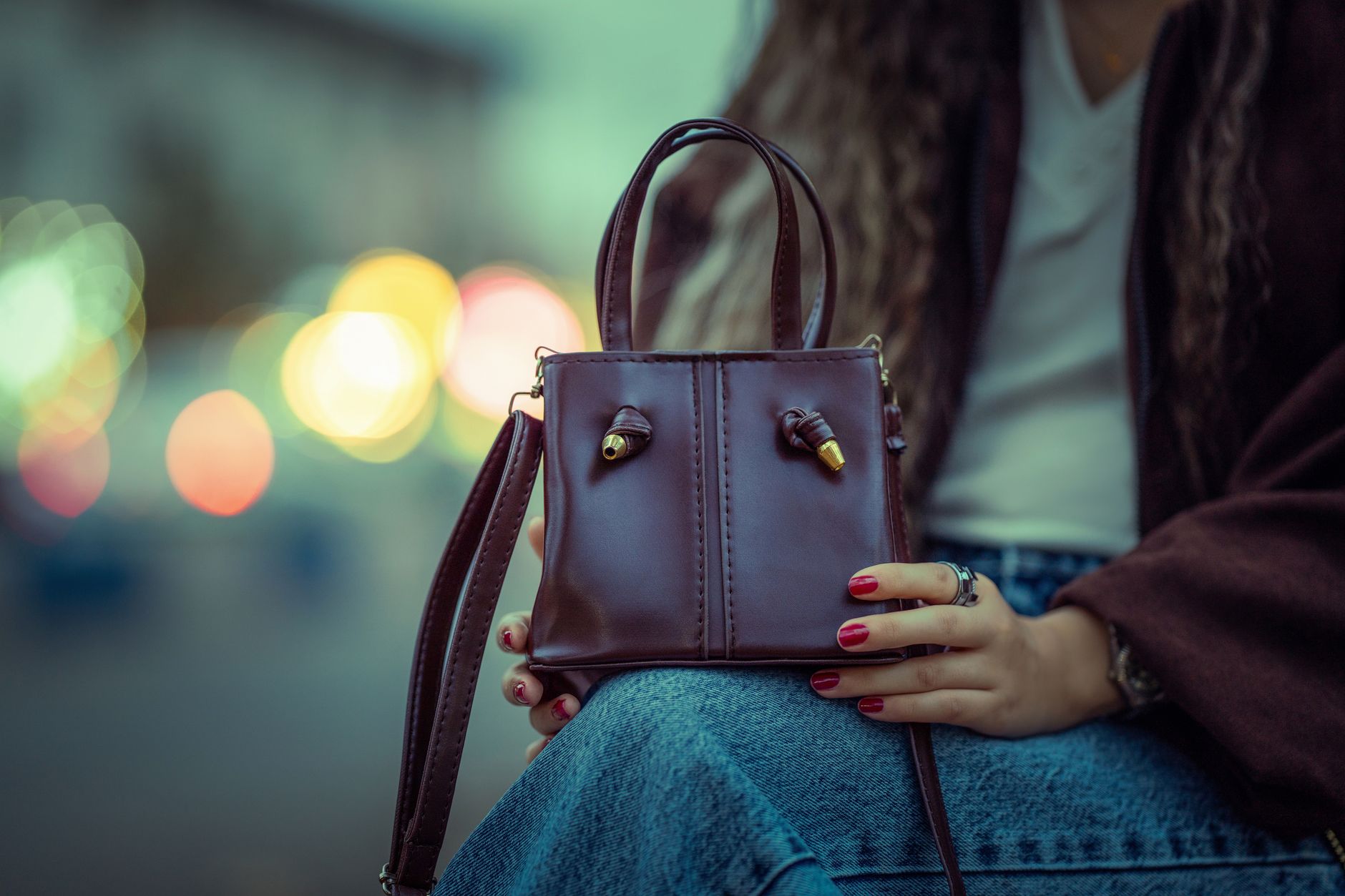
Ferragamo isn’t marketing the Wanda’s return with a campaign built around nostalgia or archive storytelling. That approach – the retrospective rebrand – has become its own cliche, and a house as technically grounded as Ferragamo doesn’t need the scaffolding. The bag is simply being placed back into current collections with updated leathers and slightly evolved proportions, letting the object make the argument for itself.
The question hovering over the Wanda’s revival is whether a bag this deliberately quiet can generate enough cultural momentum to compete with houses that still spend heavily on celebrity placement and social media saturation. There is real tension between the logic of the product – which rewards patience and resists spectacle – and the mechanics of modern luxury marketing, which requires noise. The Wanda is built for the long game. Whether the market moves fast enough to notice before the next hype cycle begins is the more complicated problem.