

The Ballet Flat Grew Up
The satin pointe shoe has spent decades confined to rehearsal studios and opening-night curtain calls. Now it is showing up on sidewalks, in restaurants, and at gallery openings – worn with tailored trousers, oversized blazers, and the kind of outfits that, until recently, would have called for a loafer without a second thought. The shift is not happening loudly. There are no splashy campaign rollouts or influencer seeding programs attached to it. Freed of London’s satin pointe shoe is moving through fashion the way the most durable trends always do: gradually, then all at once.
Freed has made pointe shoes by hand in London since 1929, supplying major ballet companies around the world. The brand never tried to be a streetwear crossover. That is exactly what makes this moment unusual. The shoe has not been redesigned or repositioned for a civilian market – it is essentially the same hand-crafted satin construction worn by professional dancers, now worn by people who have never taken a class in their lives. Fashion has borrowed from dance before, but rarely this literally.
Why This Shoe, Why Now
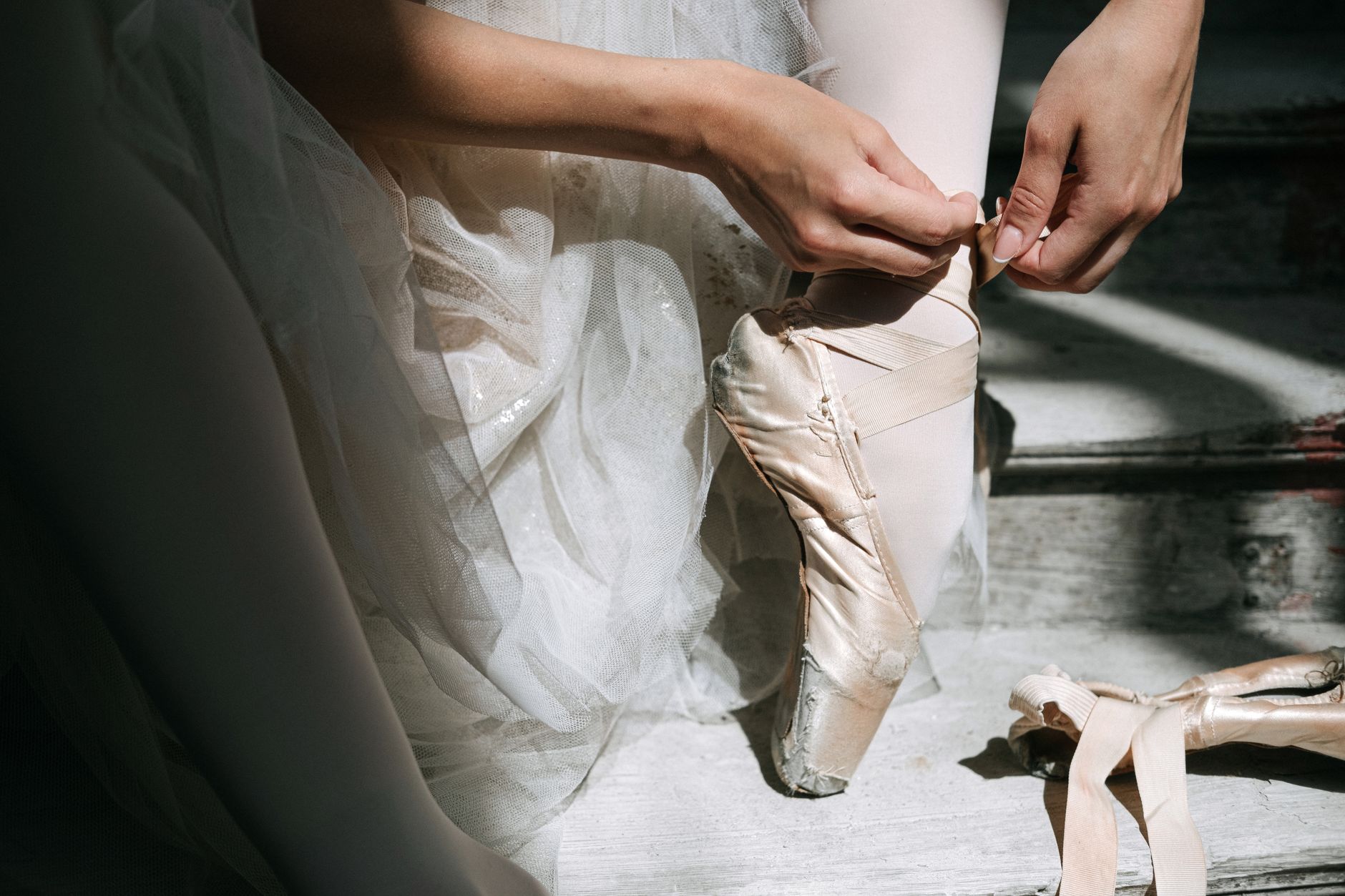
Part of what makes the Freed pointe shoe work outside the studio is its silhouette. The elongated toe box, the flat profile, and the narrow ribbon ties create a line that reads as both sculptural and minimal – a combination that happens to sit perfectly inside the aesthetic that has dominated fashion for the past several seasons. The shoe does visually what a loafer also does: it grounds a look without competing with it. But where a loafer carries associations of prep schools and country clubs, the pointe shoe carries something closer to physical discipline and art.
The ribbon lacing is a significant part of the appeal. Wrapped and tied at the ankle, it adds structure to an otherwise fluid look and draws the eye to the leg in a way that a slip-on never can. Stylists have been pairing the shoes with wide-leg trousers specifically because of this – the tie creates a visual anchor where the trouser hem meets the foot, preventing the silhouette from reading as shapeless. It is a small detail with an outsized effect on proportion.
There is also a texture argument. Satin has been working its way back into daywear for a few seasons now, appearing in bias-cut skirts, slip dresses, and tailored separates. The Freed shoe fits naturally into this material conversation. Wearing satin on the foot alongside a matte wool coat or a linen blazer creates the same kind of deliberate contrast that has made softer, more tactile fabrics feel fresh against structured silhouettes. The shoe does not look precious in that context – it looks considered.
What the Loafer Is Losing
The loafer has had an extraordinary run. For a solid three to four years, it served as the default answer to “what shoe goes with everything” – versatile enough to move from jeans to suiting, chunky enough to feel current, and boxy enough to satisfy the appetite for utilitarian shapes. The problem with total dominance is that it eventually produces its own fatigue. When every outfit in every price bracket reaches for the same shoe, the shoe stops being a choice and becomes a default. Defaults do not feel stylish for long.
The pointe shoe offers something the loafer currently cannot: genuine surprise. Seeing a worn-in satin shoe laced up the ankle beneath a sharp wool trouser reads as an actual decision, not an automatic one. That sense of intentionality is what fashion gravitates toward once any single item becomes oversaturated.
How Worn-In Became the Point
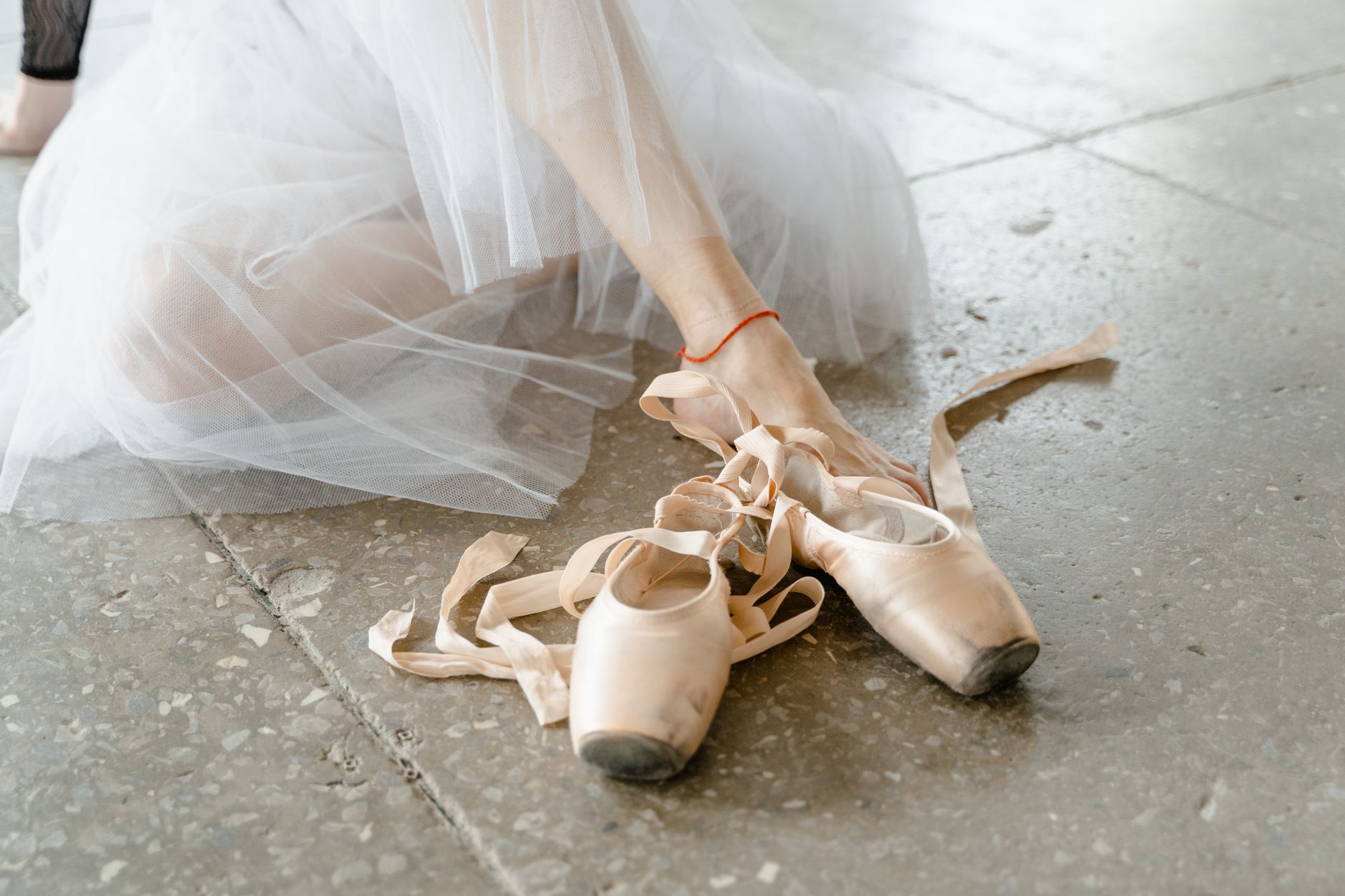
One of the more interesting aspects of this trend is what people are not doing with the shoe. They are not keeping it pristine. The rosin-stained, broken-in look associated with a working dancer’s pointe shoe is actively part of the aesthetic. Shoes are worn until the satin softens and scuffs. The box – the hardened toe section – eventually compresses and loses its sharp edge. This wear pattern is, to borrow from the sneaker world, a feature rather than a flaw.
This is a significant departure from how luxury footwear has traditionally been marketed. The aspiration was always condition: unblemished leather, unscuffed soles, boxes kept pristine for resale. The Freed pointe shoe upends that logic entirely. Its value as a fashion object increases as it degrades, because degradation is evidence of the very context – dance, physical rigor, artistic practice – that gives the shoe its cultural weight. Buying a pointe shoe and wearing it into the ground is, in a specific way, the correct use of the object.
That relationship to wear connects to a broader appetite for clothing and accessories that carry history – or at least the appearance of it. Vintage denim, distressed leather, faded cotton: these have been dominant across multiple fashion cycles because they communicate something that newness cannot. The Freed shoe fits this preference almost by accident. It was never designed to look new for long, so its natural state of use aligns exactly with what fashion currently finds appealing.
What makes this particular moment more than a micro-trend is the specificity of the object. This is not a ballet flat – a category that has existed in commercial fashion for decades. This is a professional pointe shoe, made on lasts designed for the demands of dance, with a construction that has no real equivalent in mainstream footwear. That specificity is a form of resistance to easy replication. Fast-fashion versions will inevitably appear, but the feel, the weight, and the way the shoe moves with the foot are properties that come from a manufacturing process built over nearly a century. The knock-off will look like a pointe shoe. The Freed will feel like one.
The real question is whether the shoe can survive the attention. Freed’s production is not designed around trend volume – the shoes are made by hand, in limited numbers, by craftspeople trained in a specific and dying skill. If demand scales the way some corners of fashion seem to expect, the brand will face a choice between protecting its process and meeting the moment.
Frequently Asked Questions
What is the Freed satin pointe shoe?
Freed of London has made handcrafted pointe shoes for professional ballet dancers since 1929. The satin shoe is now being worn as a street style statement outside the studio.
How do you style a pointe shoe for everyday wear?
Wide-leg trousers and tailored separates are the most common pairings, with the ribbon ties wrapped at the ankle to add structure and visual interest to the silhouette.