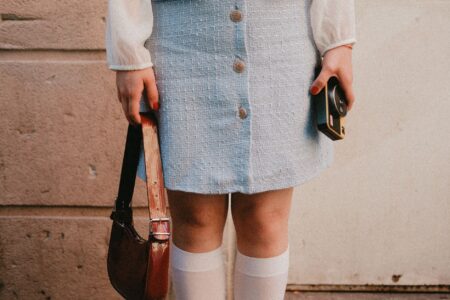



Logomania never really died – it just got louder until people stopped listening. While much of the luxury fashion industry spent the last decade competing on visibility, stacking monograms and printing brand names across every available surface, one Italian label kept doing almost nothing of the sort. Brunello Cucinelli, the cashmere house founded in 1978 in the Umbrian village of Solomeo, built its identity on the opposite premise: that true luxury doesn’t need to announce itself.
Now, in a market where the loudest brands are losing ground and understated dressing is driving serious commercial momentum, Cucinelli’s long-held philosophy reads less like restraint and more like foresight. The brand has been quietly accumulating the kind of cultural capital that monogram-heavy houses are only now scrambling to manufacture.
The Quiet Brand That Kept Growing
Brunello Cucinelli reported revenues of roughly 1.07 billion euros in 2023, marking consistent double-digit growth across consecutive years – a trajectory that would be noteworthy for any luxury house, but is particularly striking for one that spends almost nothing on conventional celebrity endorsement campaigns and refuses to chase seasonal hype cycles. The brand doesn’t discount. It doesn’t do flash sales. Its waiting lists are real, not staged.
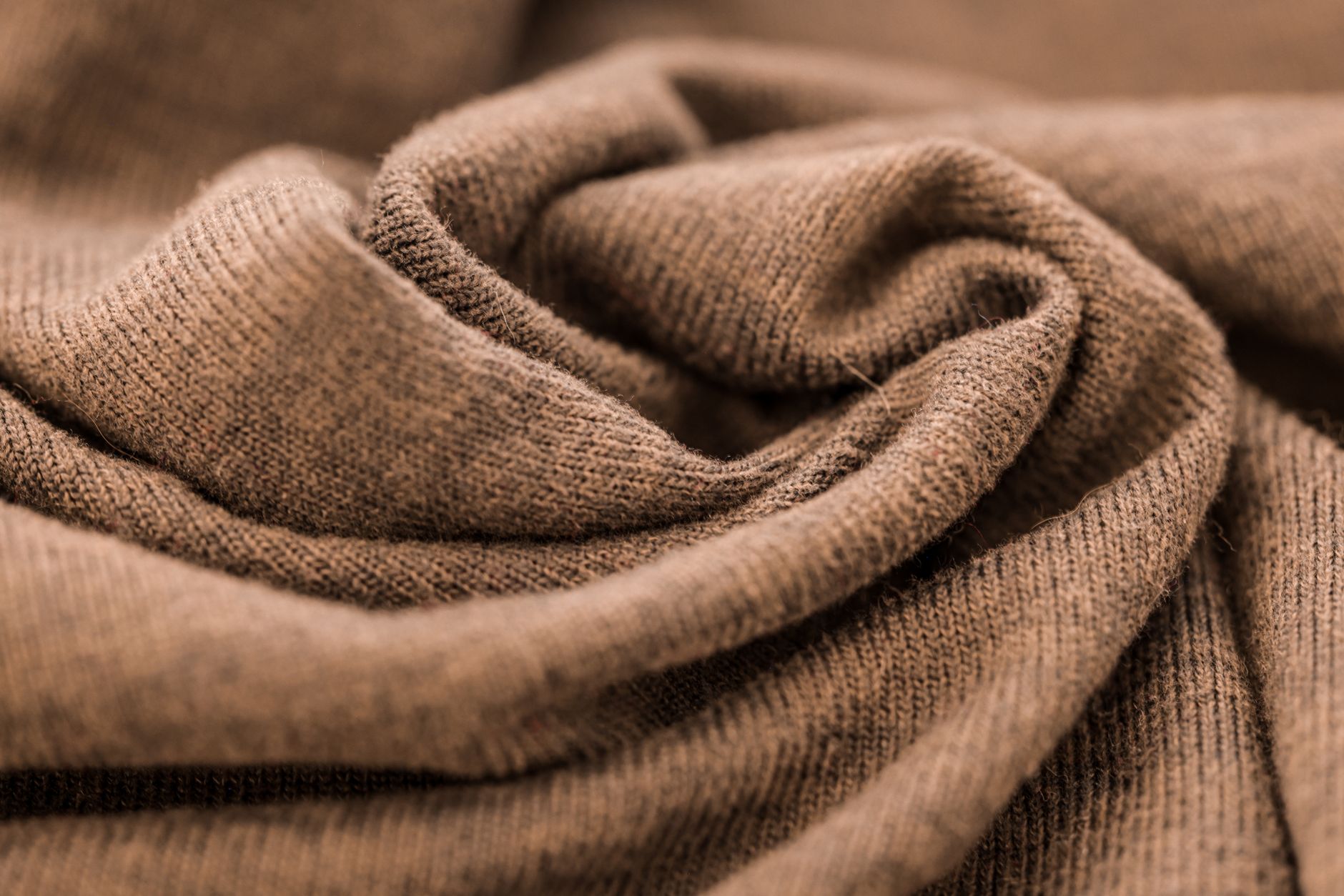
The growth story is inseparable from the product itself. Cucinelli built the house on cashmere knitwear, and that foundation has held. The fabrics are sourced from Mongolia and processed with an obsessive attention to texture that is immediately legible to anyone who handles the garments. There are no logos on the chest, no branded hardware fighting for attention. The quality is meant to speak entirely on its own terms, and for a growing segment of wealthy consumers, it does exactly that.
What makes this interesting from a market perspective is the clientele it attracts. Silicon Valley’s upper tier – executives, founders, people who built their identities around solving problems rather than performing status – adopted Cucinelli as something close to a uniform. The brand fits a particular psychology: someone who has enough money to wear anything but has decided that visible branding is, at best, unnecessary. At worst, it reads as insecurity.
When Logomania Became a Liability
The monogram supercycle that peaked around 2021 and 2022 created enormous short-term revenue for houses like Gucci and Louis Vuitton, but it also diluted the exclusivity those brands had spent decades constructing. Once a logo is everywhere – on belts, hats, phone cases, airport duty-free bags – it no longer signals entry into a rarefied world. It signals access to a price point, which is a very different thing.
Cucinelli was insulated from that correction almost by design. You cannot flood the market with a product whose brand identity is its absence of visible branding. The label’s growth has been steady rather than explosive, which means it avoided the hangover that comes when aspirational consumers move on to the next logo cycle. Khaite’s understated leather pieces are experiencing a similar dynamic in the resale market right now – clean design holds value in ways that trend-dependent logomania does not.
The Philosophy Behind the Fabric
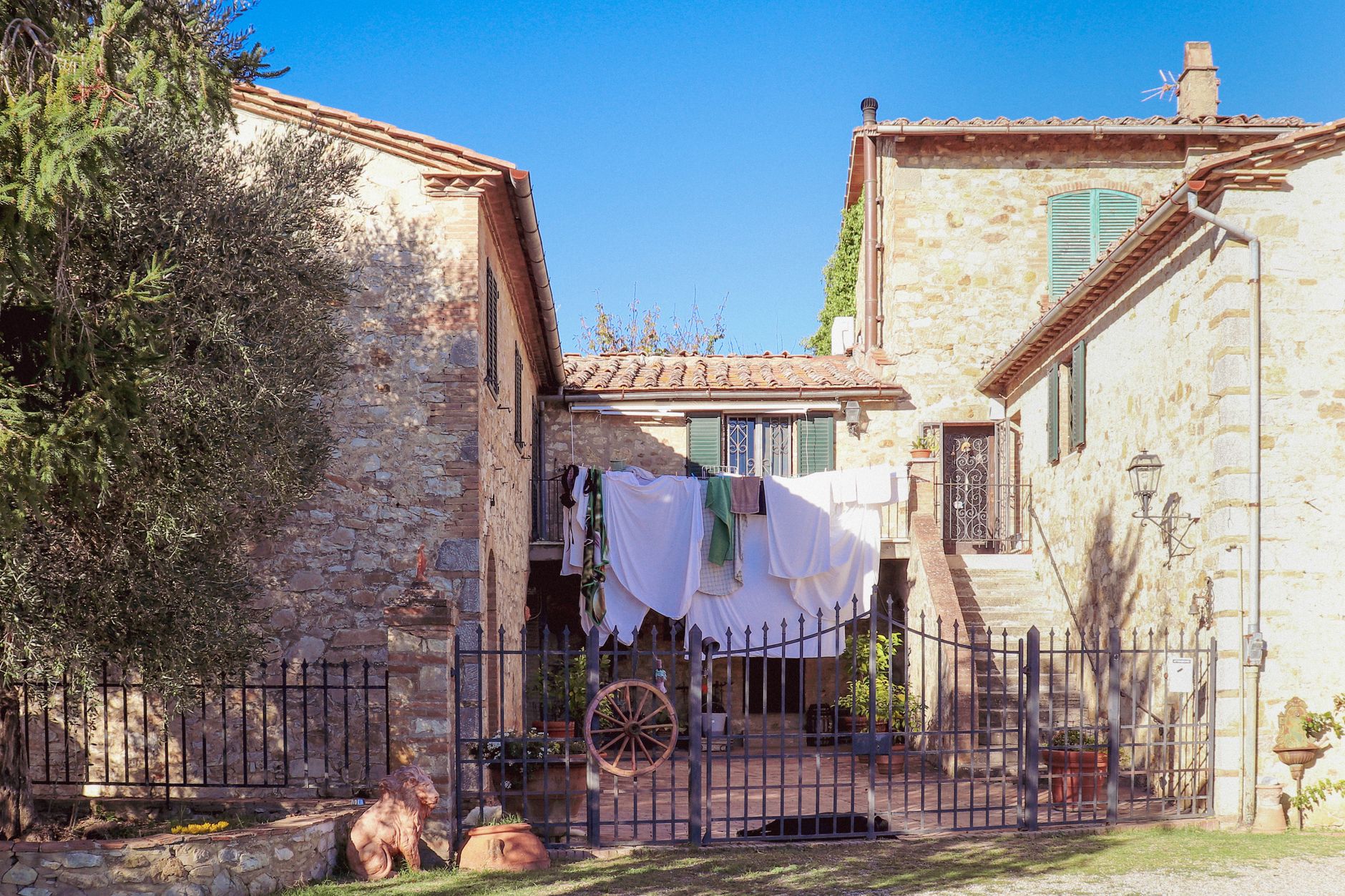
Brunello Cucinelli, the man, is not a typical luxury executive. He has written and spoken extensively about the concept of “humanistic capitalism” – the idea that a company can generate profit while also treating its workers and its community as ends in themselves rather than means to a margin. The headquarters in Solomeo is a restored medieval hamlet. The company funds a school, a theater, and a library there. Workers receive salaries reportedly above the industry standard for Italian manufacturing, and the lunch hour is protected.
This philosophy gets coverage in business press as a curiosity, but it functions as something more practical in the context of luxury fashion: it gives the brand a story that isn’t about the product itself. When a customer buys a Cucinelli sweater, they are also buying into a narrative about how the sweater was made, by whom, and under what conditions. That narrative is increasingly valuable to a consumer class that has grown skeptical of fast luxury and the supply chain opacity that comes with it.
The pricing reflects all of this. A Cucinelli cashmere crewneck typically retails between $900 and $1,800 depending on construction and weight. That is not entry-level – it is a deliberate positioning that keeps the brand out of the aspirational tier and firmly in the territory where the buyer is not stretching to afford it. The margin structure also allows the company to actually pay for the materials and labor the brand story promises, which is not true of every luxury house charging comparable prices.
The aesthetic itself has shifted subtly over the past several seasons toward what might be called “elevated ease” – wide-leg trousers in heavyweight wool, unstructured blazers with a natural shoulder, knitwear that drapes without clinging. It is dressing for people who no longer need to signal ambition through tailoring, which is a specific life stage and a specific income level. The clothes look effortless because a great deal of technical effort went into making them so. That paradox is the core product.
Where This Goes From Here
The risk Cucinelli faces is not irrelevance – the brand has proven too consistent for that – but rather imitation. As understated luxury becomes the dominant aesthetic conversation, every major house is launching quieter secondary lines, stripping logos from select pieces, and using words like “craft” and “heritage” in press materials. The question is whether consumers sophisticated enough to seek out Cucinelli in the first place will notice the difference between a brand that was always this way and one that is repackaging itself in response to a trend.
There is also the matter of what happens when Brunello Cucinelli, who is in his late sixties, is no longer the face and the philosophy of the company. The brand’s story is unusually dependent on one person’s stated worldview. Whether that worldview survives as institutional culture or becomes a marketing artefact is a question the company has not yet had to answer publicly. Several other founder-dependent luxury houses have found that the answer, eventually, is complicated.
For now, though, the brand holds a position that money cannot easily manufacture: the perception that it has never been trying to win. That turns out to be a very effective way to win.