

The ballet flat had a good run. For the better part of three years, it owned the fashion conversation – worn by everyone from off-duty models to morning commuters who finally had permission to dress down without looking unfashionable. But Bottega Veneta is quietly making the case for something different, and the fashion world is paying attention.
The Shift Happening at Bottega Veneta
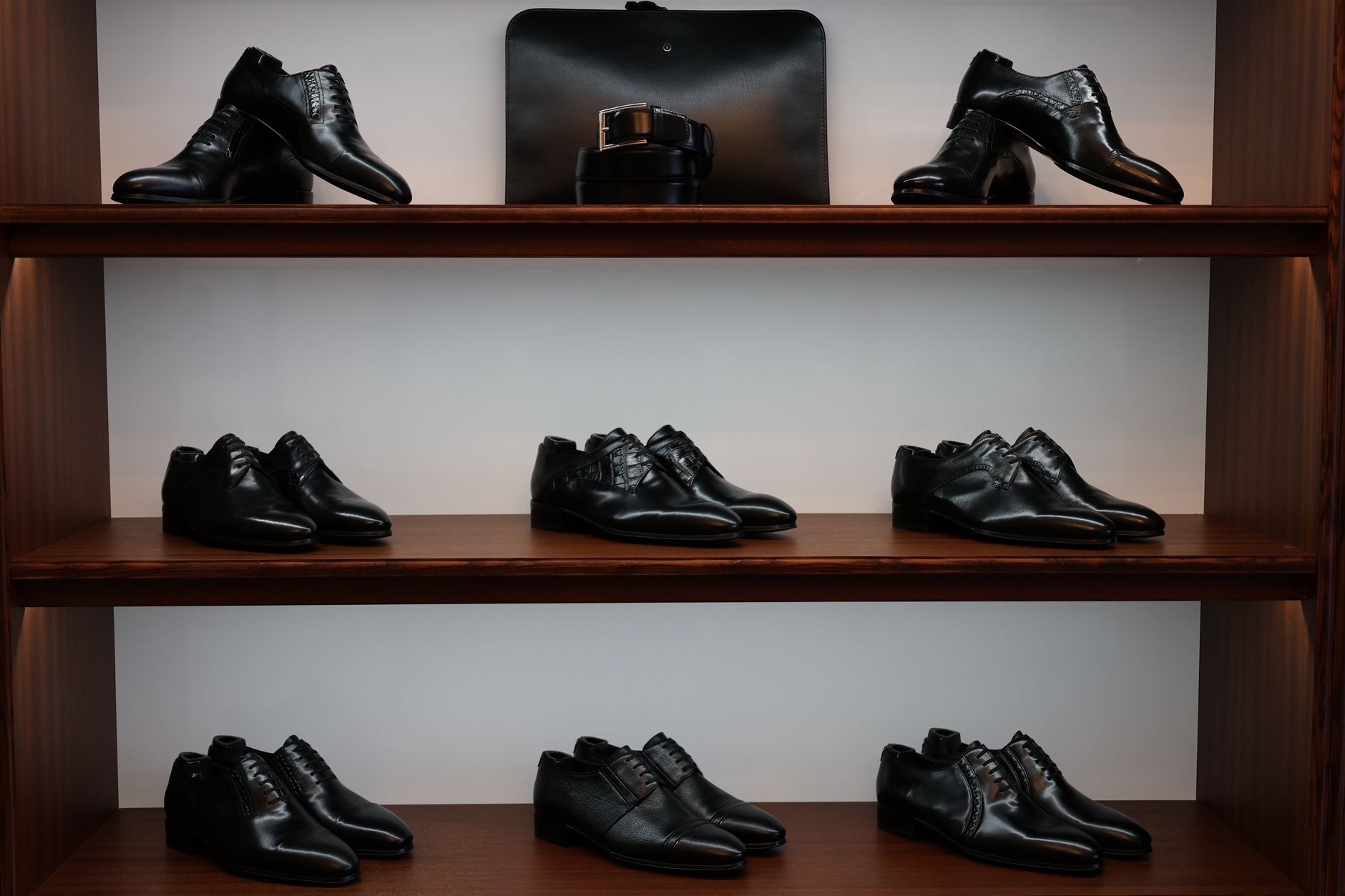
Under creative director Matthieu Blazy, Bottega Veneta has spent recent seasons building a very specific vision of footwear: structured, architectural, and deliberately grown-up. The house’s current shoe offerings lean into sculptural heels, chunky loafers, and rounded-toe mules that feel grounded rather than precious. Where the ballet flat whispers effortlessness, these designs announce intention.
The style getting the most traction right now is the Bottega mule – a low-heeled, often intrecciato-woven silhouette that sits somewhere between a work shoe and a statement piece. It doesn’t ask to be noticed, but it gets noticed anyway. That tension is very much by design. Blazy’s footwear consistently operates in this space between restraint and impact, which is exactly why it reads as a credible alternative to the flatness that has dominated for so long.
The loafer, too, is doing serious work in the current lineup. Bottega’s version tends to be wider, chunkier, and more exaggerated in the toe than the classic Gucci-influenced styles that most people default to. It has weight to it – visual and literal – and that weight signals a kind of seriousness that ballet flats, by their very nature, cannot. The message is less “I threw this together” and more “I chose this specifically.”
What makes the timing interesting is that Bottega isn’t simply reacting to flat fatigue. The house has been building toward this footwear moment for several seasons, quietly placing sculptural shoes on the runway while the rest of the industry was still deep in their minimalist flat era. That consistency is now paying off as buyers and editors start looking for the next direction.
Why the Ballet Flat Is Losing Ground
The ballet flat’s dominance was always tied to a particular mood – the desire for ease, for anti-heel femininity, for something that felt current without trying too hard. That mood hasn’t disappeared entirely, but it has started to feel less exciting. When a style becomes the default choice for almost every occasion, it loses the quality that made it feel special in the first place.
There’s also a construction conversation happening. Ballet flats, with very few exceptions, offer minimal arch support and almost no cushioning. The comfort argument – which was central to why so many women adopted them so enthusiastically – has started to crack as wearers log longer hours on their feet. A well-made low block heel or a cushioned loafer can actually be more comfortable for a full day of walking than a paper-thin flat, and the footwear industry has become much better at communicating that.
Bottega’s shoes benefit from the house’s obsessive attention to material quality. The leathers are soft and broken-in in a way that doesn’t require a painful two-week adjustment period. That tactile quality matters enormously when you’re asking someone to reconsider their footwear habits. A shoe that looks beautiful but punishes your feet for wearing it will always lose to the comfortable flat, no matter how good the design is.
The price point is a factor worth acknowledging honestly. Bottega footwear sits at the higher end of the luxury spectrum, which means the conversation about “edging out the ballet flat” is happening primarily at a certain market level. Celine, The Row, and a few other houses are circling the same space, reinforcing the idea that this isn’t just a Bottega story – it’s a broader move within luxury fashion away from flat minimalism and toward something with more structure and presence.
Street style has started to reflect this shift too. The images coming out of Milan and Paris during the most recent shows featured noticeably more block-heeled mules, sculptural loafers, and low kitten heels than the ballet flats that dominated those same street style circuits two seasons ago. Fashion’s early adopters tend to signal where things are heading, and the signal right now is pointing toward height – modest height, but height nonetheless.
What This Means for Your Wardrobe
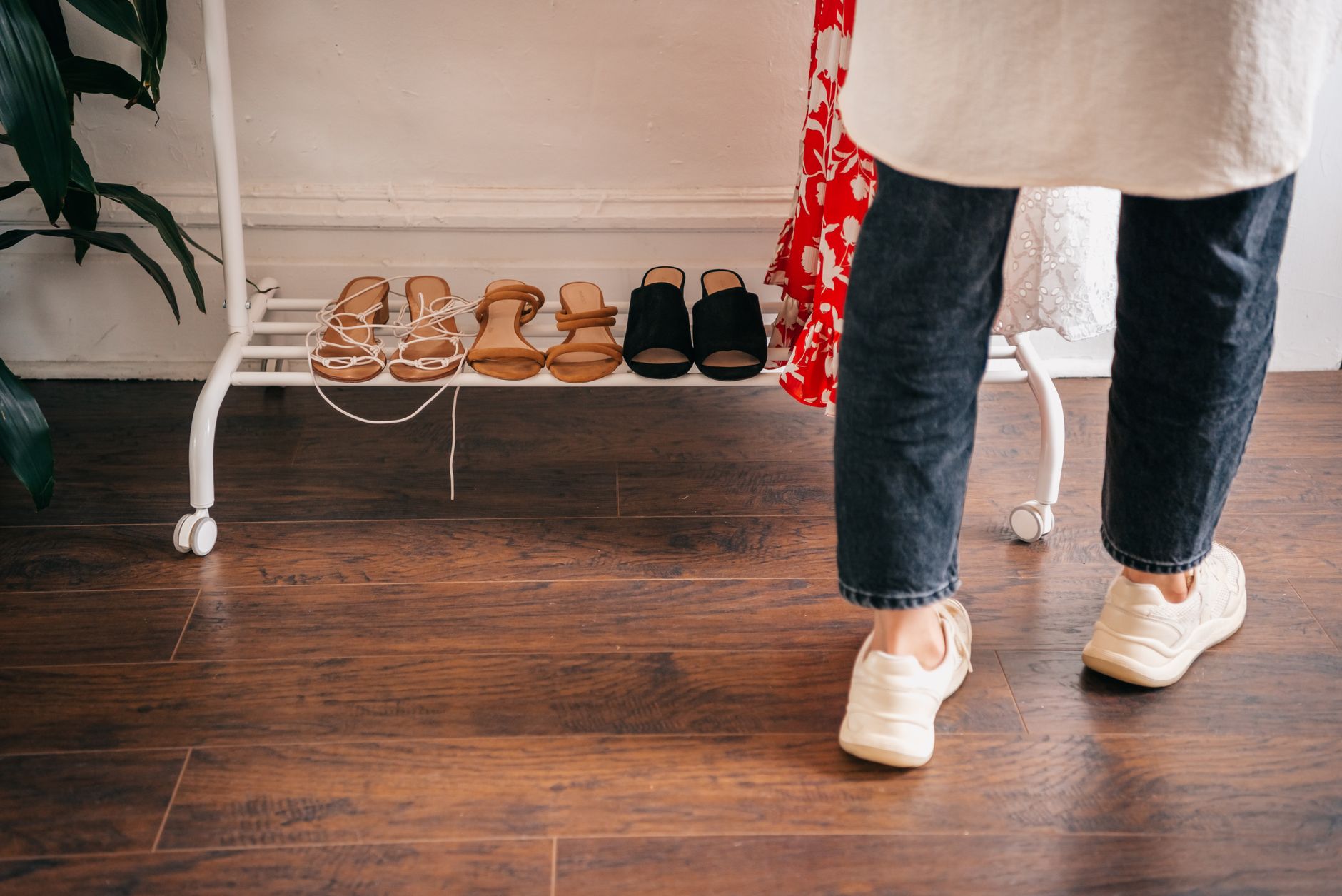
The practical takeaway isn’t that ballet flats need to be thrown out. It’s that the wardrobe conversation around footwear is opening up again after a long period of consolidation around one silhouette. Bottega’s approach – favoring sculptural shapes, quality materials, and a slightly elevated heel – offers a clear direction for anyone who has been wearing the same flat for two years and is ready for something that feels like a considered upgrade rather than just a trend swap.
The more interesting question is whether the ballet flat can reinvent itself the way it did when it first surged back into fashion. Designers who can bring genuine construction improvements and new proportions to the silhouette might extend its life. But right now, the momentum is somewhere else – and that somewhere looks a lot like the inside of a Bottega Veneta showroom.