



The Chelsea boot has been a wardrobe staple for so long that it barely registers as a choice anymore. It shows up in capsule wardrobe guides, in airport style roundups, in the “invest in these basics” lists that cycle through fashion media every autumn. Which is exactly why Bottega Veneta’s knitted boot deserves serious attention right now – it is doing something the Chelsea boot stopped doing years ago: it looks like a decision.
Bottega Veneta’s iteration of the knitted boot – structured at the sole, fluid at the shaft, with that signature intrecciato weave translated into textile – has been steadily accumulating the kind of quiet momentum that precedes a full takeover. It does not announce itself loudly. It does not need to. The silhouette has been appearing with increasing frequency on the kind of women who treat fashion as a considered practice rather than a trend exercise, and that particular audience tends to move the needle.
What Makes the Knitted Boot Different
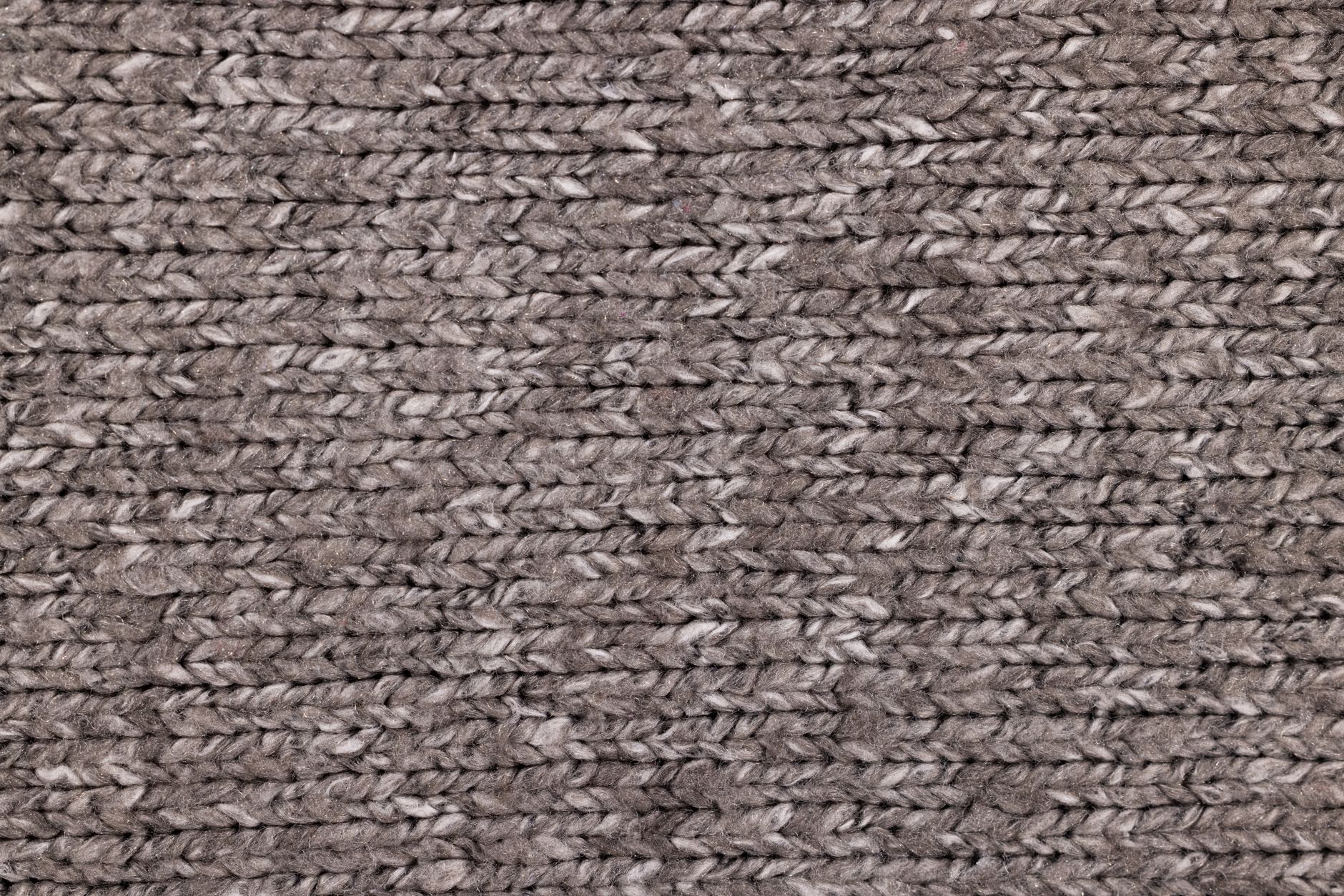
The knitted boot is not a new concept. Versions have circulated through runway collections and independent footwear labels for several seasons. What Bottega Veneta did was apply the same logic it applies to everything: take a utilitarian idea and execute it at a level of craft that makes the concept feel inevitable rather than experimental. The result is a boot that wears more like a second skin than an accessory.
The functional argument is straightforward. Knitted uppers flex with the foot rather than resisting it, which means the break-in period that makes leather boots a gamble essentially disappears. The boot moves with the wearer from the first wearing. For a house built on the idea that luxury should be felt rather than displayed, this is not incidental – it is the whole point.
The Chelsea Boot’s Image Problem
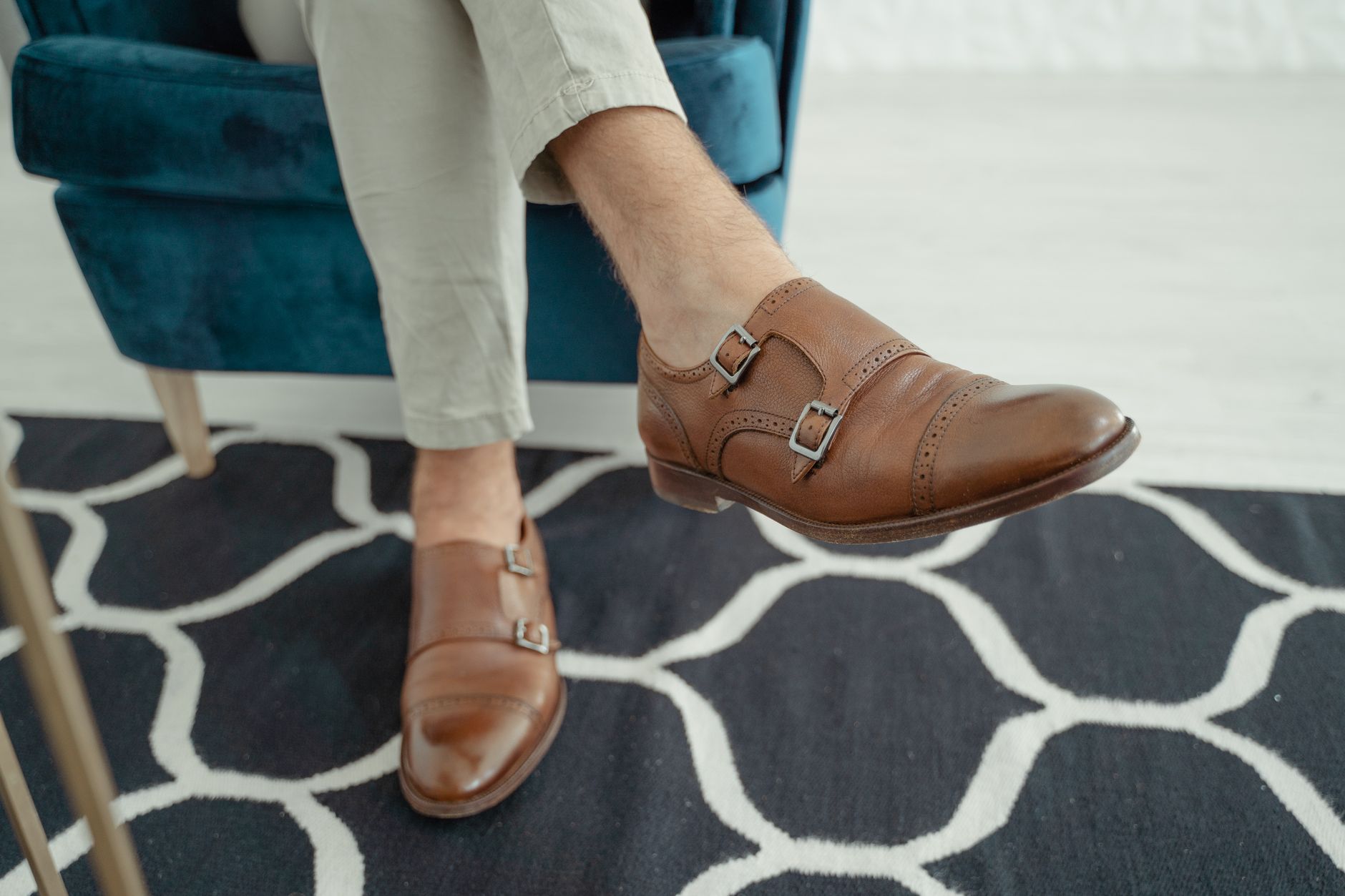
The Chelsea boot’s dominance has always been tied to its versatility, but versatility has a ceiling. When a silhouette becomes genuinely universal – worn by everyone, styled every possible way, available at every price point from fast fashion to heritage cobblers – it loses the ability to say anything about the person wearing it. That neutrality was once the appeal. Now it reads as a default.
Part of what made the Chelsea boot attractive for so long was its British heritage credibility – the beatnik associations, the mod era, the way it anchored itself to a specific cultural moment. That history is still there, but it has been diluted by volume. When a silhouette ships in the millions annually across hundreds of brands, the heritage story becomes harder to access at the point of wearing.
Bottega Veneta’s knitted boot, by contrast, carries a very specific signature. The intrecciato pattern, even rendered in yarn rather than leather, is immediately recognizable to anyone paying attention. It is not a logo – the house famously avoids those – but it functions as one for a particular audience. The craft itself becomes the identifier, which is a more sophisticated mechanism than a monogram and arguably a more durable one.
The styling gap between the two boots is also widening. The Chelsea boot has been so thoroughly integrated into the uniform aesthetic – dark jeans, a blazer, a camel coat – that pulling it in a fresh direction requires real effort. The knitted boot, because it has a more unusual texture and silhouette, naturally disrupts whatever it is paired with. It reads as intentional even in a simple outfit.
Where Craft Comes Into the Conversation
There is a broader shift happening in how a certain tier of fashion consumer thinks about footwear investment. The question is no longer just about longevity – will this last – but about distinctiveness. Will this still feel like a considered purchase in three years, or will it look like the era it came from? The knitted boot’s answer to that question is more interesting than the Chelsea boot’s right now, partly because knit construction remains unusual enough at this level of quality that it has not been fully absorbed into the mainstream visual vocabulary yet.
Bottega Veneta under Matthieu Blazy has consistently leaned into the idea that quiet craftsmanship carries its own authority – that clothes and accessories do not need to perform loudly to command attention. The knitted boot is a direct expression of that philosophy applied to footwear. Its restraint is not absence; it is precision.
The Practical Case for Switching
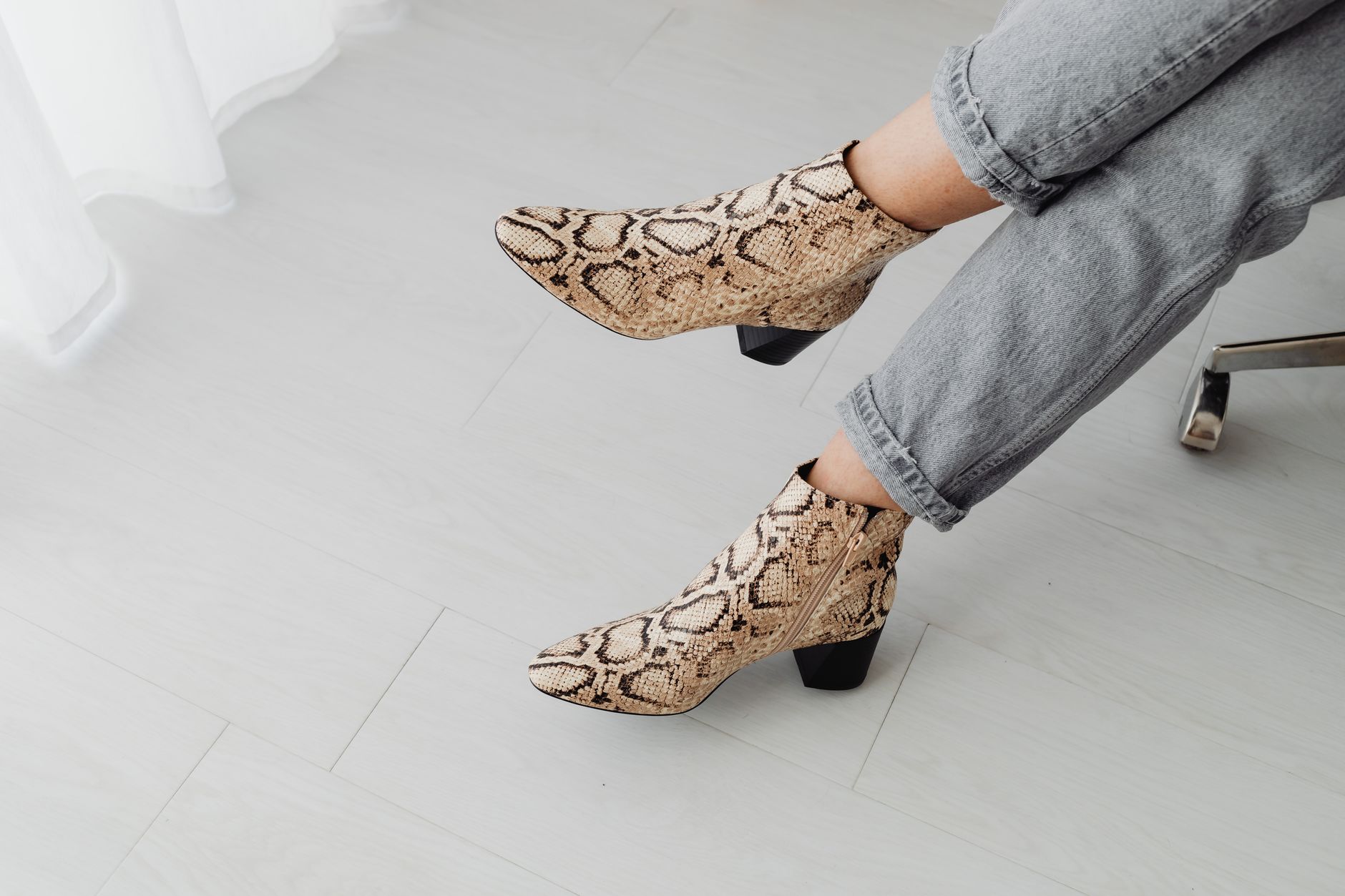
Beyond aesthetics, the wearability argument for the knitted boot is genuinely strong. It transitions across contexts in a way that structured leather does not – comfortable enough for long days, polished enough for evenings that matter. The shaft height and silhouette create a lean vertical line that works across trouser widths, from slim-cut tailoring to wider-leg cuts that have been dominant for several seasons now. The Chelsea boot, with its lower profile and fixed structure, can feel proportionally stubby against wider trousers, which is a real limitation.
The care consideration is also worth raising. Leather boots at this price point require ongoing maintenance – conditioning, waterproofing, resoling – to justify the investment. Knitted uppers have their own requirements, but the relationship between the wearer and the boot is different, less demanding in some ways, more forgiving of day-to-day reality. For a generation of buyers who are deliberate about what they own but pragmatic about how they live, that matters.
Bottega Veneta has released variations in neutral tones – bone, chocolate, black – that make adoption easy, but the more interesting versions have appeared in the brand’s signature rich pigments: deep greens, oxidized reds, a warm tan that sits somewhere between camel and caramel. Those are the boots that make the Chelsea boot look like it gave up.