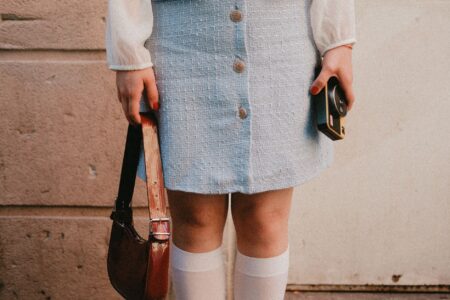



The End of an Era at Loewe
Jonathan Anderson built Loewe into something the fashion world had rarely seen from a heritage Spanish leather house – a brand that could hold a craft-obsessed, culturally curious identity while also going genuinely viral. His departure, confirmed earlier this year after more than a decade at the helm, did not come with the usual soft landing of a “mutual decision” statement. It came fast, with little ceremony, and the industry is still processing what it actually means for a brand that Anderson essentially rebuilt from the inside out.
Loewe without Anderson is not an abstract hypothetical anymore. The collections he staged in his final seasons have now been absorbed into the retail cycle, and the question hanging over the brand is a pointed one: how much of what made Loewe feel urgent was the house itself, and how much was the specific mind running it?

What Anderson Actually Built
When Anderson joined Loewe in 2013, the brand had strong leather goods and a loyal European clientele, but it did not have cultural momentum. Over the next eleven years, he transformed the creative conversation around the house by treating craft not as nostalgia but as a living, slightly unsettling force. The Puzzle bag became a genuine icon. The ready-to-wear pushed into conceptual territory – balloon silhouettes, trompe-l’oeil prints, pixelated knitwear – without ever abandoning the material rigor that gave the brand its backbone.
Anderson also built the Foundation Loewe Craft Prize into a serious institutional program, which gave the brand an intellectual credibility that advertising alone cannot manufacture. That infrastructure – the archive work, the craft partnerships, the deliberately eccentric show formats – does not disappear the moment a creative director walks out. But it does lose its animating logic without the person who designed it.
He also understood how to make a luxury brand feel genuinely funny without making it feel cheap. That balance is far harder than it looks. The “Tomato” loafer, the puzzle pieces rendered as wearable sculpture, the collaborations with artist estates – these were not PR stunts. They reflected an actual point of view about what objects can do when they are treated with equal parts reverence and irreverence.
The Search, the Silence, and the Speculation
LVMH, which owns Loewe, has not yet named Anderson’s successor. The silence is notable, not because luxury houses owe the public a fast answer, but because the longer the search runs, the more clearly it signals that finding a genuine replacement for this specific sensibility is not straightforward. Several names have circulated in industry conversations – none confirmed, none denied publicly by the group.
What makes the successor question so loaded is that Loewe sits in an unusual competitive position. It is not trying to out-logo Louis Vuitton or out-minimalize The Row. It carved out a third lane: intellectually engaged, craft-forward, commercially successful without being obvious about it. Whoever takes the chair inherits both a strong foundation and an extremely specific expectation.
How Transition Pressure Works at This Level
The mechanics of a creative director exit at a major luxury house follow a fairly consistent pattern. There is a gap period where the archives carry the brand, where the team keeps producing, and where retail performance either holds or begins to soften depending on how loyal the customer base is to the aesthetic rather than the label. For some houses – Bottega Veneta after Tomas Maier, for instance – the transition was jarring enough that it took a genuinely bold appointment to restabilize the creative identity. Daniel Lee’s arrival there became a case study in how a house can pivot hard without breaking.
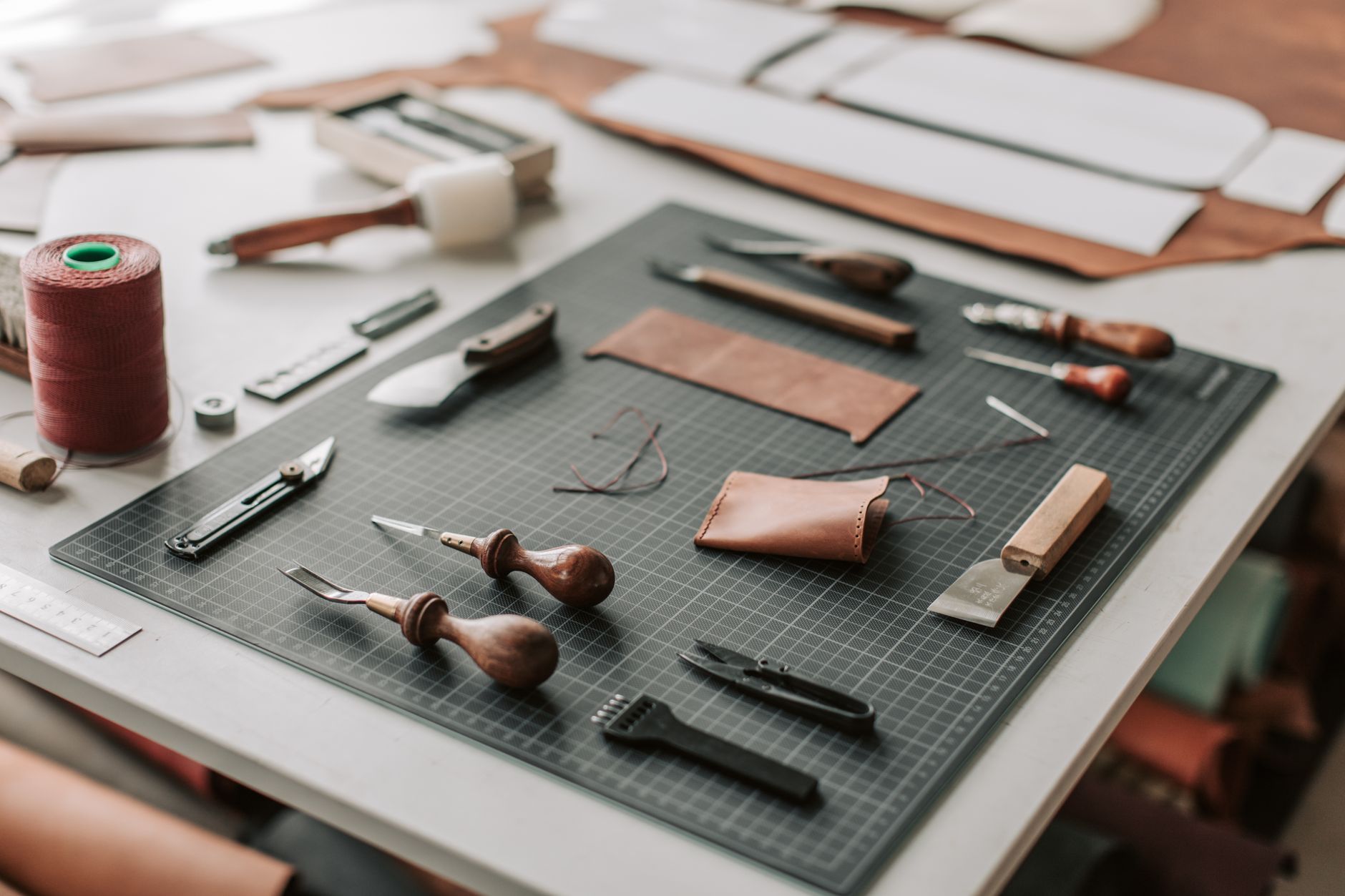
Loewe’s situation is different in one specific way: Anderson did not just set a visual direction. He built an entire cultural apparatus around the brand. The craft prize, the exhibition programming, the way the house engaged with artists and makers – these were as central to the brand’s identity as any single collection. A new creative director will have to decide whether to continue that programming as inherited infrastructure or dismantle it in favor of their own vision. Either choice carries risk.
The brand’s bestsellers – the Puzzle, the Flamenco, the Squeeze – are strong enough to carry commercial performance through a transition period. Leather goods have always been the financial spine of the house, and LVMH knows how to protect that. What becomes harder to sustain is the kind of cultural attention that makes a brand feel like it matters beyond its price point – the sense that something interesting and slightly unpredictable is happening there, season after season.

Anderson himself has moved quickly. Reports place him in active development on his own label, working with backing that would allow him to operate with the same creative latitude he had at Loewe – but with full ownership of the vision. If that materializes into a serious brand, it creates a direct comparison point: Anderson with full autonomy versus Anderson’s legacy being interpreted by someone else inside a conglomerate structure. The fashion press will not be able to resist drawing that line, and every Loewe collection for the next few years will be read partly through it.