


Azzedine Alaïa built his reputation on the idea that clothing should move with the body, not fight it. His bandage dresses, corseted waists, and precisely engineered seams treated the female form as architecture – something to be studied, celebrated, and held. For years after his death in 2017, the house carried that vision quietly, avoiding the noise of viral moments and seasonal trends. Now, something is shifting.
Alaïa has been appearing with increasing frequency on red carpets, in editorial spreads, and across the feeds of stylists who typically gravitate toward newer names. The sculpted silhouette – fitted through the torso, precise at the waist, deliberate in every cut – is finding an audience again, and the timing is not accidental.
A House That Never Chased the Moment
What separates Alaïa from most luxury houses is its studied indifference to the fashion calendar. Azzedine Alaïa famously refused to show during official Fashion Week schedules, presenting collections when he felt they were ready. That philosophy remains baked into the house’s DNA. Under creative direction that has continued to honor his archive, the brand has avoided the reactive trend cycles that have worn down other heritage labels.
That restraint has created an unusual kind of credibility. When a house doesn’t pivot with every cultural moment, its aesthetic carries more weight when it does resurface. Alaïa’s signature – the body-conscious stretch knit, the laser-cut leather, the hourglass silhouette achieved through construction rather than illusion – feels consistent because it has never really left. The clothes have simply waited for the room to quiet down.
Creative director Pieter Mulier, who took the role in 2021, has been careful not to overwrite what Azzedine built. His collections have introduced a younger sensibility without dismantling the technical rigor the house is built on. The result is work that reads as continuous rather than revised – an evolution that still feels like the same handwriting.
Why Now
Fashion’s current appetite for structure is a direct reaction to several years of oversized, deliberately undone dressing. The loose blazer, the dropped shoulder, the intentionally shapeless coat – these aesthetics dominated for long enough that the opposite is starting to feel new again. Alaïa’s precision cuts are landing differently in a wardrobe conversation that had forgotten what tailored tension feels like against the body.
There is also a generational dimension at work. Younger buyers discovering the house are encountering it without the context of its 1980s and 1990s heyday, which means they are not reading it through nostalgia. They are responding to the construction itself – the fact that Alaïa pieces fit in a way that very few contemporary garments attempt to replicate. That kind of technical commitment is becoming its own form of luxury signaling.
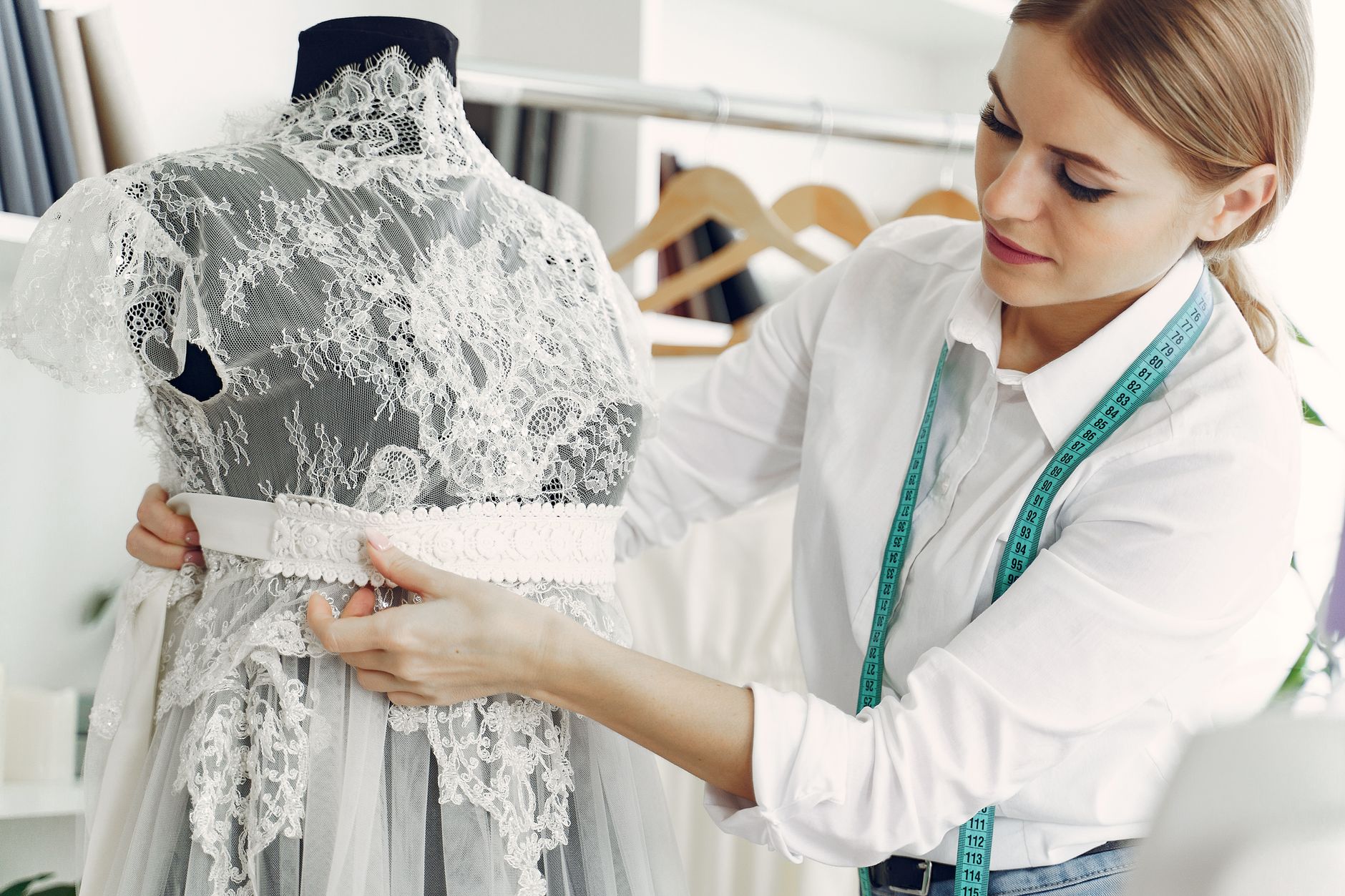
The Silhouette as Statement
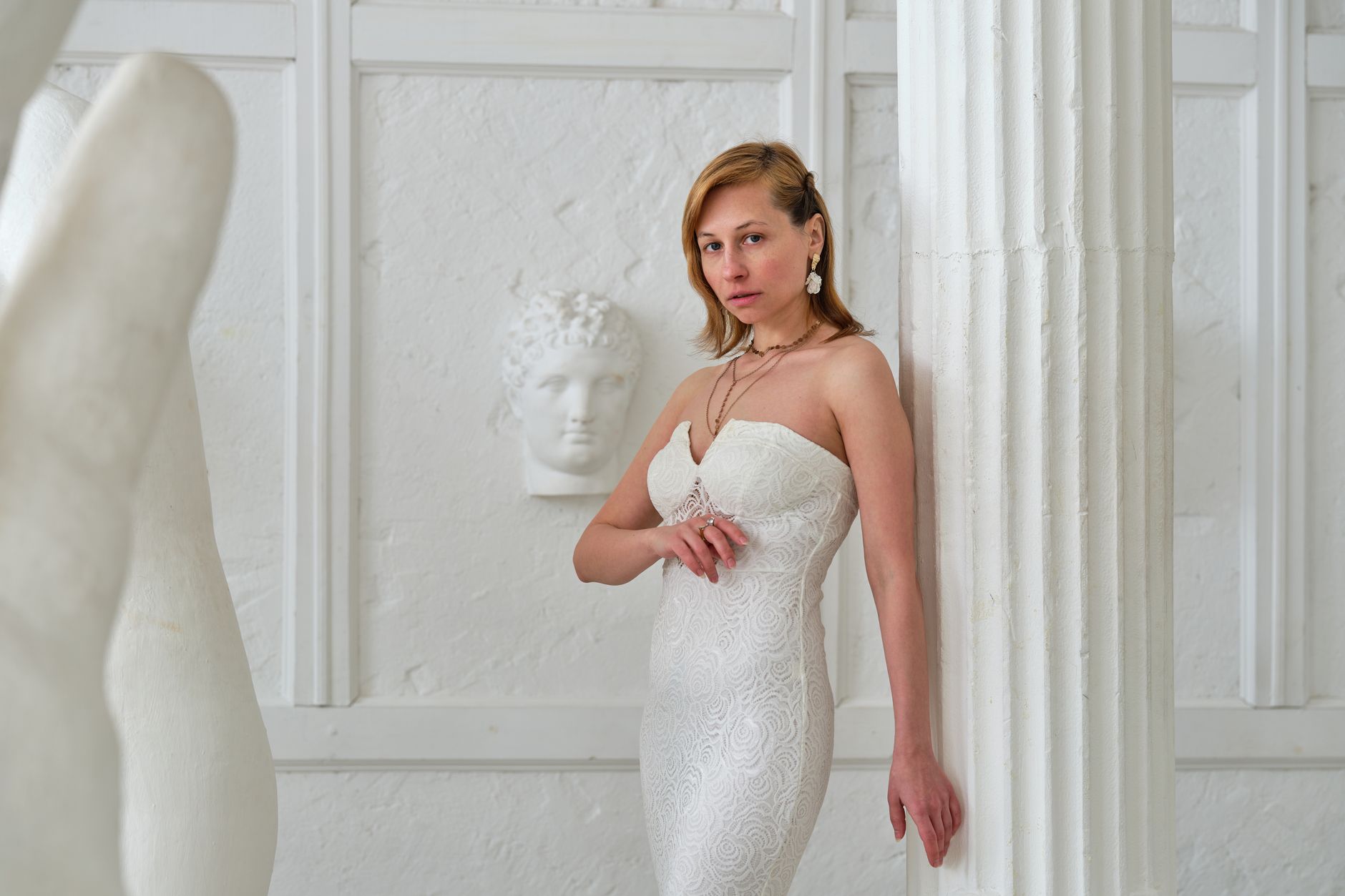
The Alaïa body – nipped at the waist, following the curve of the hip, structured through the bust – has never been a passive shape. It requires confidence to wear, and that requirement is increasingly part of its appeal. At a moment when quiet luxury’s deliberately understated codes are being challenged by louder, more visually assertive dressing, Alaïa occupies a specific space: it is not loud, but it is absolutely impossible to ignore.
The technical execution is worth examining on its own terms. Alaïa’s stretch fabrics are engineered to maintain shape across movement, which means the silhouette does not distort when the wearer sits, walks, or reaches. This is not standard in luxury ready-to-wear, where many body-conscious garments lose their line the moment the wearer moves. The house’s investment in fabric development and pattern construction produces clothes that hold their geometry throughout the day.
That longevity – physical and cultural – also positions Alaïa well in a market increasingly focused on investment dressing. Pieces from the house retain their relevance across years rather than seasons. A knit dress from a 2019 collection can sit alongside a 2024 purchase without creating visual friction, because the aesthetic vocabulary has not fundamentally changed. For buyers building wardrobes with longevity in mind, that consistency has real value.
The red carpet has been one of the clearest indicators of the brand’s renewed visibility. Stylists building looks for high-profile events have been returning to Alaïa’s archive and current collections alike, finding that the silhouette photographs with a clarity that more complex or layered looks do not always achieve. Under strong lighting, the precision of an Alaïa cut reads immediately – the shape does the work without requiring accessories or styling to carry it.
Whether this moment translates into sustained commercial momentum or remains a critical favorite is the unresolved question sitting underneath all of it. Alaïa has never been a volume business, and there is a reasonable argument that its cultural power depends partly on that exclusivity. The challenge for Mulier is maintaining the house’s technical and aesthetic seriousness while allowing it to grow – and those two goals are not always compatible.
Frequently Asked Questions
Who is the current creative director of Alaïa?
Pieter Mulier has served as creative director of Alaïa since 2021, continuing the technical and aesthetic legacy of founder Azzedine Alaïa.
What makes Alaïa’s silhouettes different from other luxury fashion houses?
Alaïa’s signature comes from precision engineering – stretch fabrics built to hold their shape through movement and seam construction that follows the body’s natural form rather than relying on padding or illusion.