
The most coveted item on a growing number of vacation wish lists is not a view. It is eight uninterrupted hours.
The Itinerary Is Now a Bedtime Routine
Traditional travel runs on a simple premise: see as much as possible before the flight home. Sleep-focused travel flips that logic. Travelers choose a destination for the conditions it offers after dark, such as low light, low noise, cool air and a bed that does not come with a stranger’s snoring on the other side of the wall. Then they build the days around protecting those conditions. Mornings stay open. Dinner moves earlier. The only fixed appointment on the calendar may be a wind-down ritual at nine o’clock.
The appeal is easy to understand if you have ever returned from a vacation needing a vacation. Conventional trips are often built on early alarms for tours, unfamiliar mattresses, hallway noise, time zone whiplash and a packed schedule that treats rest as wasted time. Booking around sleep treats rest as the purpose of the trip rather than a lucky byproduct. That is a small change in framing with large consequences for what gets booked and what gets skipped.
A vacation that leaves you exhausted has failed at its one job. Sleep travelers simply say it out loud.
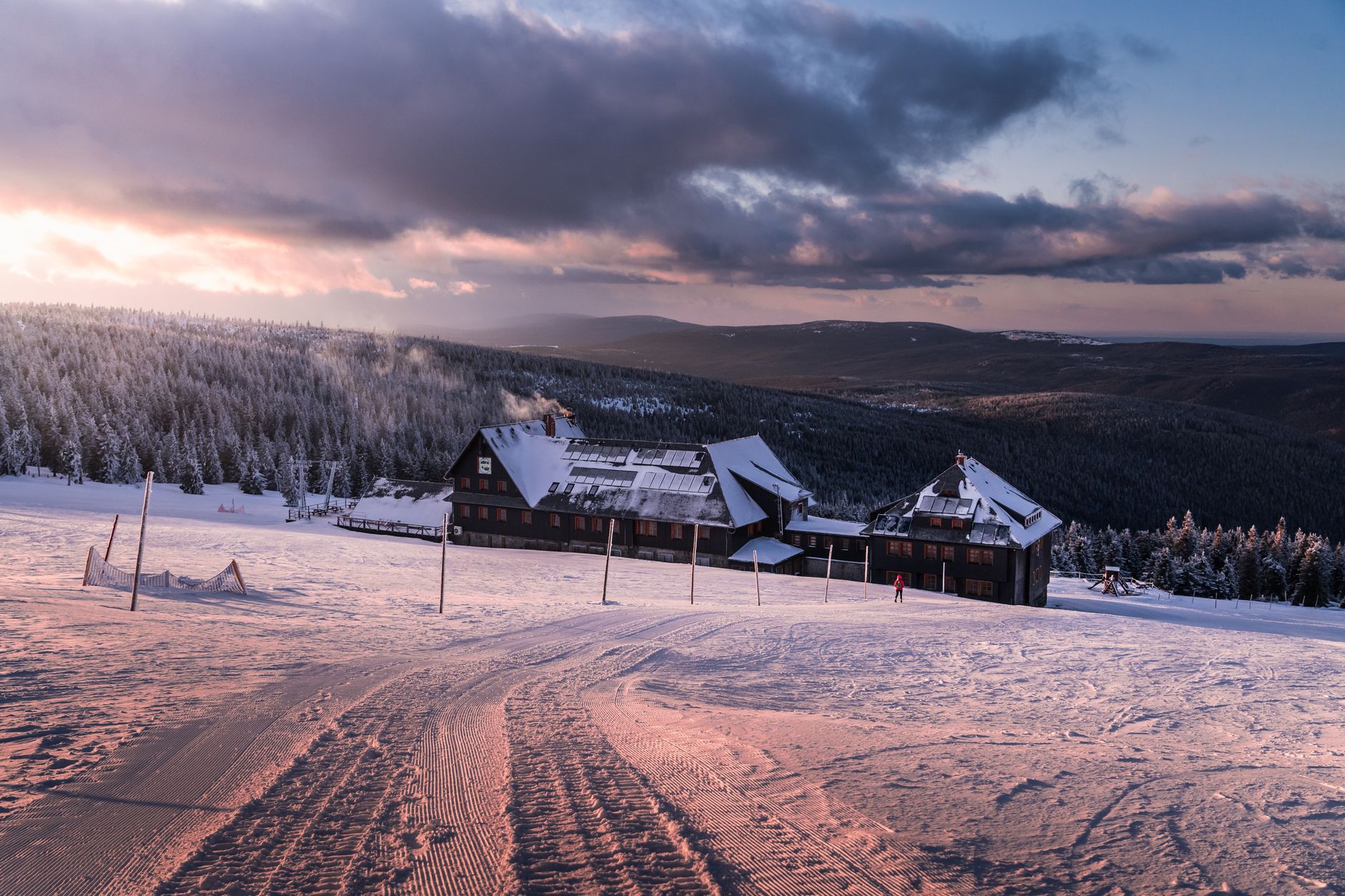
In practice, planning looks different from the first search. Destinations tend to be places known for darkness and quiet: mountain towns, desert lodges, rural coastlines, and anywhere far from a city’s constant glow. Flight choices shift too, with red-eyes avoided, arrival buffers built in, and long-haul trips traded for shorter journeys that do not scramble the body clock. Many of these travelers also settle in one place instead of hopping between cities, because every new bed is a new gamble. The itinerary becomes less a list of things to see than a list of things to protect.
What the Rooms Are Actually Selling
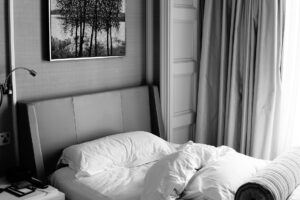
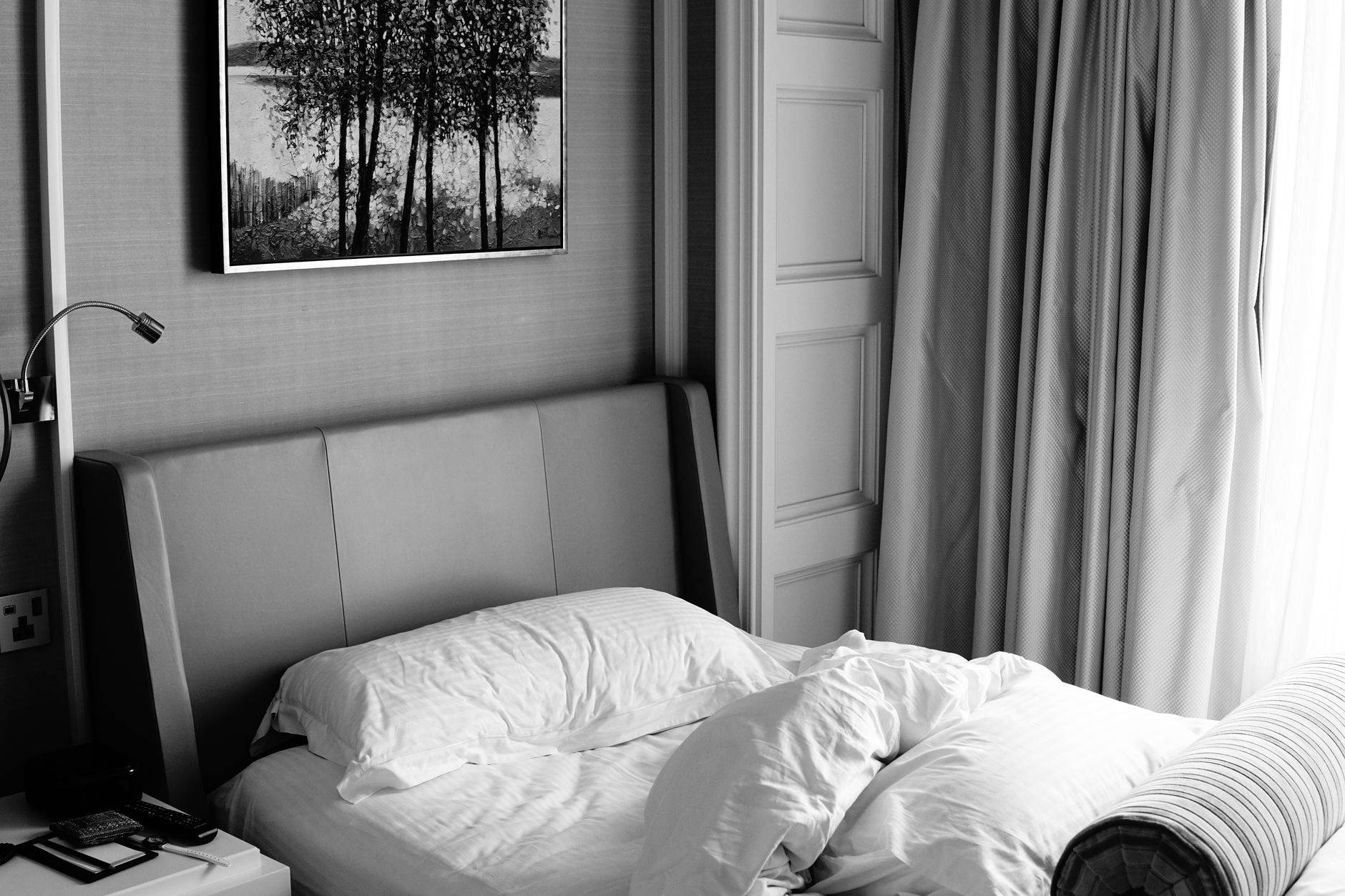
Hotels have noticed, and the rooms are changing first. Blackout shades that actually block light, thermostats that can hold a genuinely cool temperature, a choice of mattress firmness, a pillow menu, and built-in sound masking are turning up as headline features rather than footnotes. Some properties dim corridor lighting in the evening or offer phone-free bedside setups. The logic is practical. Light, temperature and noise are the three things most likely to wreck a night away from home, and a hotel that controls them can charge for the result.
Programming has followed the hardware. Evening schedules at sleep-minded resorts tend to taper rather than end abruptly: a quiet dinner, herbal tea service, guided breathwork or stretching, lights lowered across the property. Mornings bring the opposite signal, with daylight walks and sunlit breakfast spaces. This works because the body clock responds to the timing of light, and dim evenings paired with bright mornings help anchor it. A traveler who follows that pattern for a few days is doing something close to a reset, which is the product the trip is really delivering.
Then there is the data. Many guests now arrive wearing a ring or watch that scores their sleep, which turns the stay into a measurable experiment. Some hotels and retreat operators are experimenting with ways to meet that habit, from morning check-ins to room setups designed around what a tracker might reward. There is an obvious catch. A guest staring at a low score over breakfast may be more stressed than rested, and anxiety about sleep is one of the surest ways to lose it. The most thoughtful programs treat the numbers as a conversation starter and not a grade.
What is being sold, more than anything, is subtraction. A room on a quiet floor away from the elevator, no event space downstairs, no thumping rooftop bar, fewer interruptions from housekeeping, and an unhurried checkout all carry a premium because they remove friction rather than add features. Luxury used to mean more: more thread count, more amenities, more staff hovering. Here it means less noise and fewer demands. Celebrity culture has helped normalize the shift, since public figures now talk about their bedtime routines in interviews the way an earlier generation bragged about running on four hours of sleep. Rest has become a status signal.
The skeptics have a point worth taking seriously. A few nights in a perfectly dark, perfectly cool room cannot repair a home bedroom with a glowing phone and a late-night work habit. The trip can become an expensive demonstration of what good sleep feels like, followed by a return to the old pattern. The strongest versions of these stays send guests home with habits they can actually copy, such as a cooler room, a consistent wake time and morning light, none of which require a resort. Cost is the other limit. A pricey sleep package is available mostly to people who could already afford to rest more.
Who Is Booking, and Why It Sticks
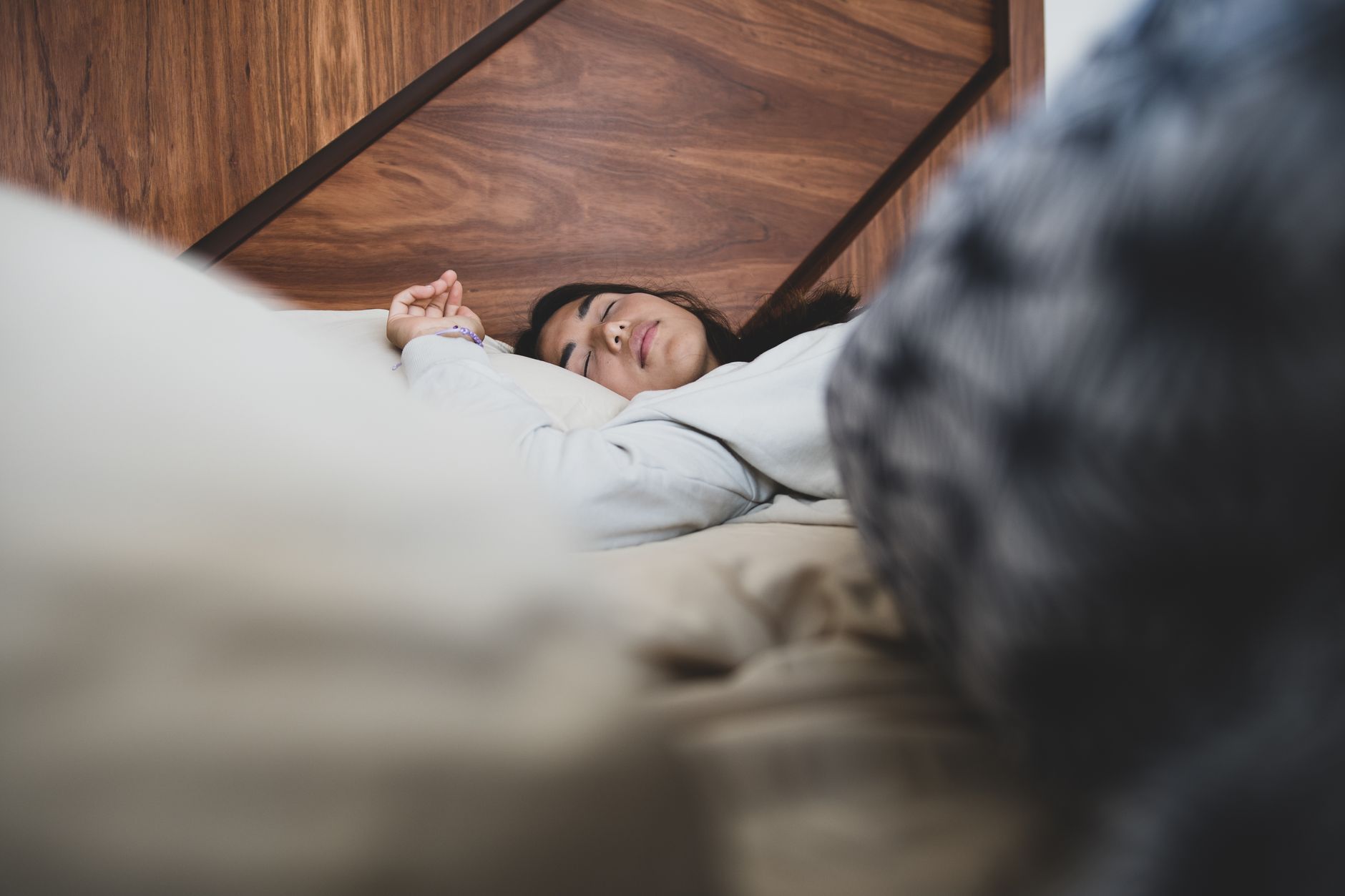
The audience is wider than the spa-going crowd that once defined wellness travel. Burned-out professionals are an obvious segment, and so are parents who have not slept through a night in months, remote workers whose bedrooms double as offices, and couples who want a long weekend that does not require a recovery day. Short stays suit the format well, since a two-night escape built around good sleep can feel more restorative than a week of sightseeing. Gifting is part of it as well, with a night of guaranteed quiet becoming an easy present for the person who says they need nothing.
The most telling shift may be at the front desk. Guests used to ask for a late checkout to squeeze out a few more hours. Now they ask for a room facing away from the street, a quieter floor, and a promise that no one will knock before ten.