


A gym membership is one of the few purchases built on the assumption that you will stop using it. The monthly fee is low, cancelling is a hassle, and the business works best when a large share of members rarely show up. Reformer Pilates studios run on the opposite logic. You book a specific class at a specific time on a specific machine, and if you skip it, you usually pay for it anyway. That small difference in design is pulling people away from the big-box gyms that once owned their routines.
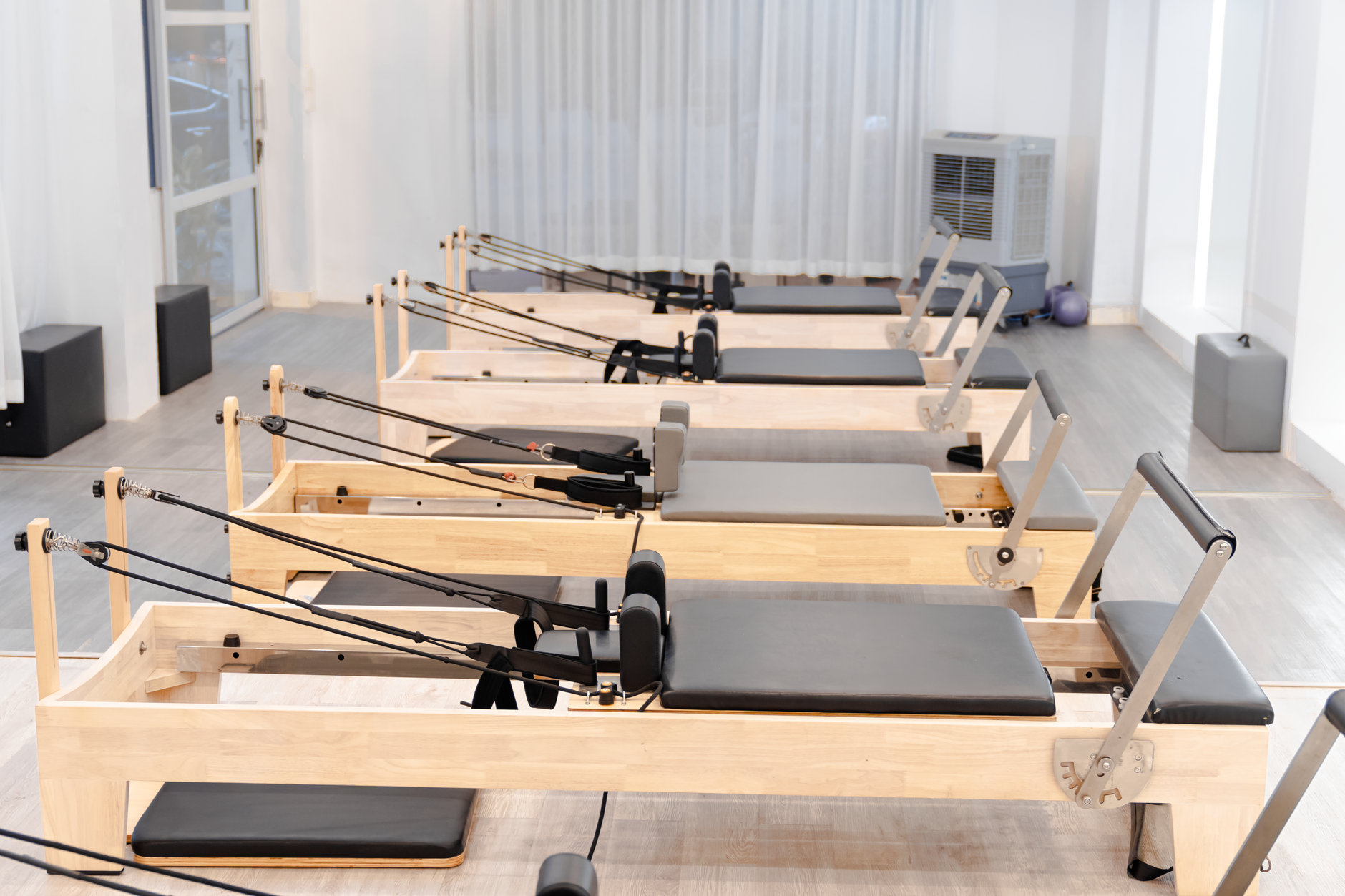
The reformer itself is a sliding carriage on a frame, with springs that provide adjustable resistance, and the basic design is roughly a century old. What is new is how it is sold. Studios in major cities have turned it into a habit-forming ritual, with boutique branding, small rooms, and instructors who learn names fast. For a lot of people, the loyalty that used to belong to a gym, or to a favorite spin class, now belongs to a studio with a limited number of machines and a waitlist for the good time slots.
Why Booking a Machine Changes Behavior
Commitment devices work because they put a price on flaking. A reformer class has a cancellation window, often a late fee, and a machine that sits empty if you don’t turn up. That turns “I’ll go if I feel like it” into “I already agreed to be there.” The decision gets made days earlier, when motivation is high, instead of at 6 p.m. on the couch, when it isn’t.
Scale matters too. In a small class, an instructor can see your form, correct your footwork, and remember that you tweaked a shoulder last week. You also see the same people at the same hour, and that low-grade social pressure builds quickly. A gym floor is the reverse. It is built for anonymity, which suits some people but makes it very easy to drift away without anyone registering it.
Nobody notices when you skip the gym. Somebody usually notices when you skip reformer class.
The Price Tag Works in the Studio’s Favor
On paper, a reformer studio looks like a worse deal. Per visit, it costs far more than a standard gym membership, and class packs often come with expiration dates. Yet the higher price is part of why it works. Money already spent is a powerful motivator, and a pack of credits that expires in a few weeks creates a deadline that an auto-renewing gym fee never will. People show up to use what they paid for.
The experience is also built to feel like a treat rather than a chore. Clean rooms, curated playlists, towels and equipment handled for you, and a visual style that photographs well all help. There is a practical draw as well. Many people who burned out on high-impact training want something that builds strength and control without pounding their joints, and a reformer class offers that in a format that still feels like a serious workout.

How Gyms Are Responding, and Where Studios Are Vulnerable
Gyms have noticed. A growing number are installing reformer rooms, adding bookable small-group classes, and borrowing the boutique look of clean lines and soft lighting. The shift has been visible enough that Vippiy has already looked at how reformer Pilates studios are edging out traditional gyms in major cities. But copying the equipment is easier than copying the culture. A reformer tucked into a corner of a 24-hour gym doesn’t come with the instructor relationships or the sense of belonging that keep studio clients loyal.
Studios have weak spots of their own. Reformers are expensive and take up floor space, so every room has a hard ceiling on how many people it can serve. Prime-time classes sell out while midday slots sit half empty, which makes the economics tighter than the glossy Instagram feeds suggest. Loyalty also tends to attach to individual instructors rather than to the brand. When a popular teacher moves to another studio, some of the clients may follow, and a studio that built its identity around one personality can lose its footing quickly.
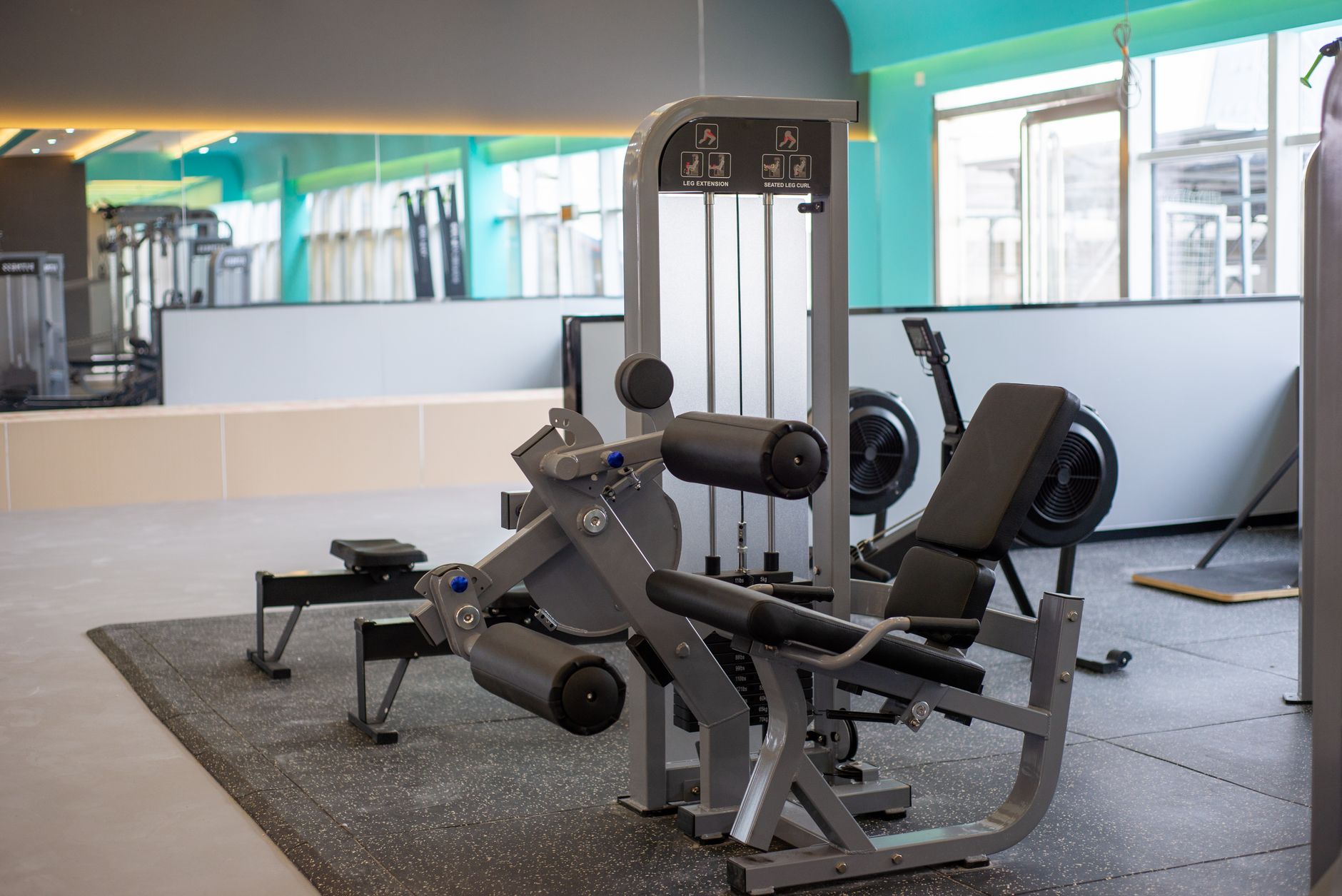
Then there is the workout itself. Reformer Pilates is excellent for core control, mobility, and muscular endurance, but it is not built for heavy loading or serious cardio. That is why plenty of members keep a gym membership alongside the studio habit instead of replacing one with the other. The competition for loyalty is real, though it may be less of a straight swap than the headlines imply, with the studio taking the spot of the favorite weekly ritual while the gym handles everything else.
The harder test is the scarcity that makes the model work. Booked slots, waitlists, and expiring packs are what keep people showing up, yet they also cap how large a studio can grow. If a studio expands until every class is easy to get into, it loses the urgency that built the habit. If it stays small, it stays expensive. Which of those two problems does a studio solve first?