



Platform shoes had a good run. The chunky silhouette dominated red carpets, street style, and fast fashion alike for the better part of three years, and no one could argue it wasn’t fun. But somewhere between the fifth iteration of the lug-sole mule and the creeper resurgence, a quieter shape started gaining real traction – Versace’s Medusa heel, a stiletto-driven design anchored by the brand’s iconic medallion hardware, built on proportion rather than spectacle.
The heel itself is not new. Versace has been producing variations of the Medusa-stamped pump for years, cycling it through different materials, heel heights, and colorways each season. What’s changed is the context around it. As the fashion mood tilts back toward precision and restraint – away from volume and novelty for their own sake – the Medusa heel reads less like a throwback and more like a thesis.
It is, in the bluntest possible terms, a heel that asks you to commit.
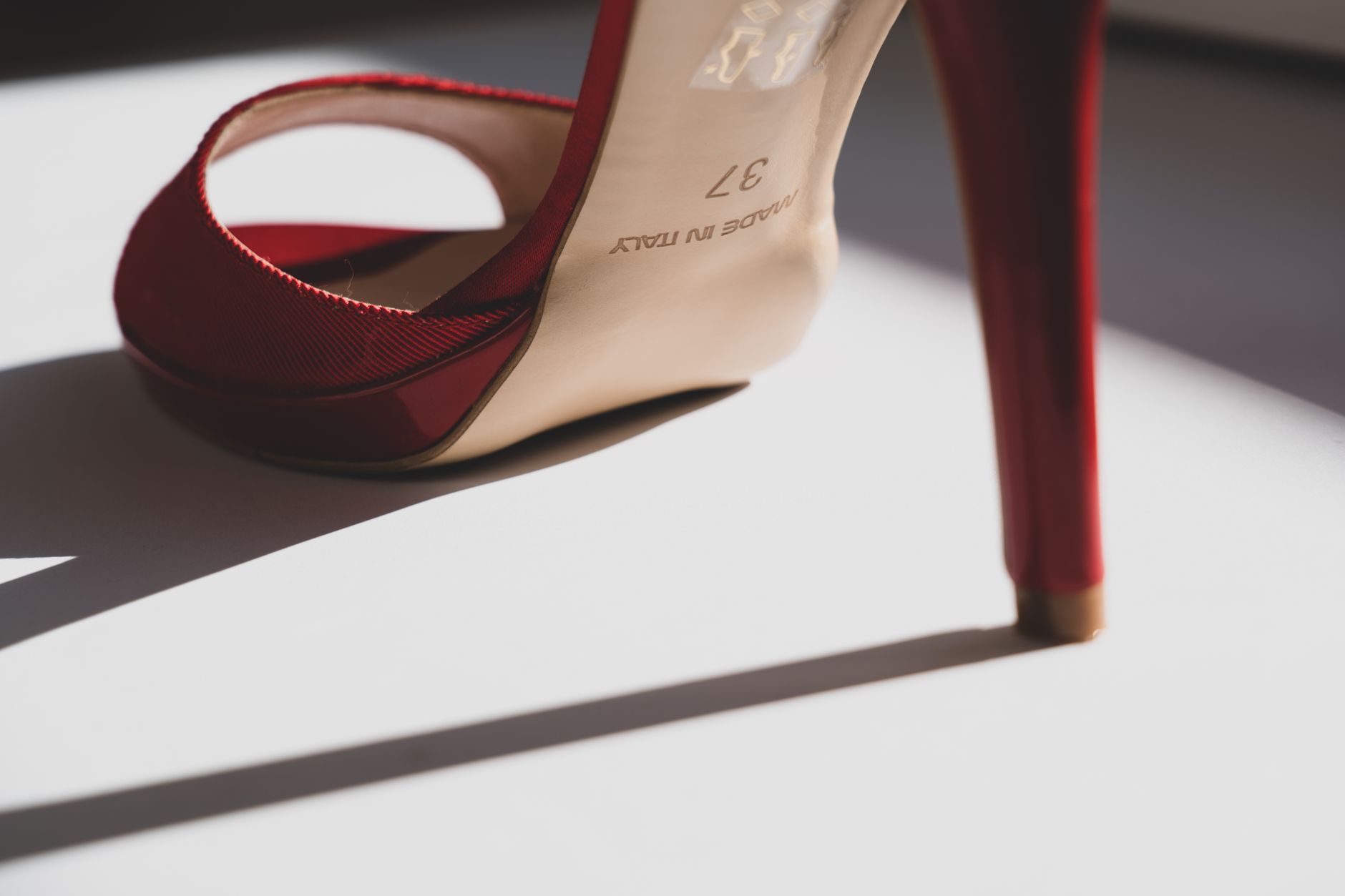
Why the Platform Moment Ran Out of Steam
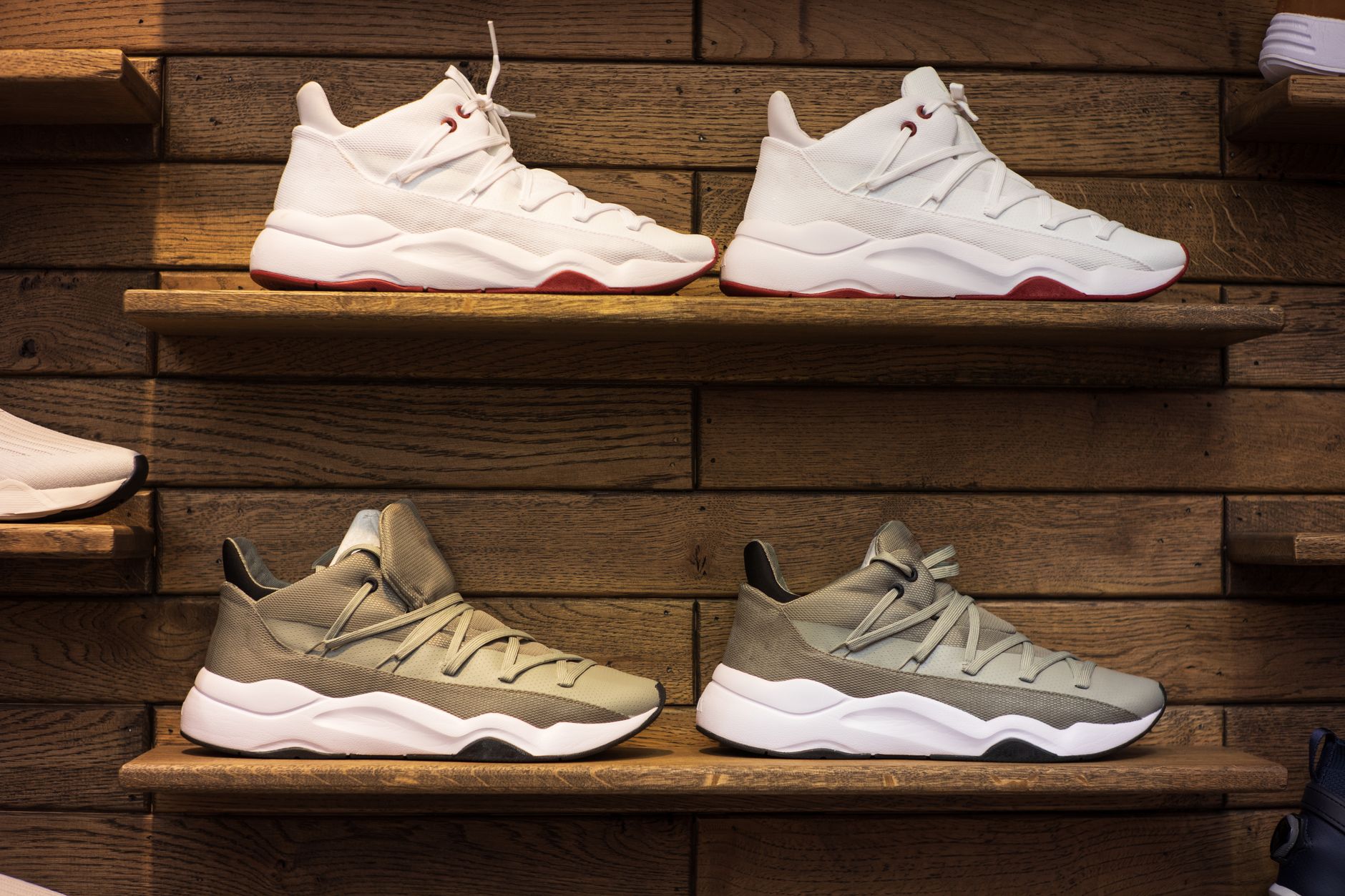
Platform shoes were never really about height. They were about accessibility – a way to add drama without demanding the technical skill of walking in a true stiletto. That’s a legitimate design function, and it explains why platforms became so dominant so quickly. They offered the visual impact of a heel with the stability of a flat, which made them easy to wear for long stretches, easy to style across a range of looks, and easy to produce at every price point. The problem with easy is that it tends to plateau.
By the time mass-market brands were saturating the category with platform sneakers, platform sandals, and platform boots all in the same season, the silhouette had exhausted its surprise. Fashion’s interest in any given shoe shape tends to track closely with how novel it still feels in context, and platforms lost that quality gradually, then all at once. The final signal was department store markdowns – a reliable indicator that a trend has passed its cultural peak and entered its clearance phase.
The retreat from maximum platform height didn’t leave a vacuum for another statement shoe to fill. Instead, it created an opening for a different kind of confidence: one expressed through craft and legacy rather than scale. That’s the specific territory Versace’s Medusa heel occupies, and it’s a more durable position than it might initially appear.
What the Medusa Heel Actually Offers
The design logic of the Medusa heel is straightforward: a clean pump silhouette in leather or satin, finished at the vamp or ankle strap with the gold Medusa medallion that has functioned as Versace’s primary brand symbol since Gianni Versace first adopted it in the 1970s. The hardware is heavy enough to read across a room, but the shoe itself doesn’t rely on structural exaggeration to make its point. It’s recognizable through details, not dimensions.
That distinction matters in a market where logo fatigue has become a real concern. For much of the past decade, luxury branding moved toward maximalism – bigger monograms, louder prints, hardware scaled for visibility at a distance. The backlash has been gradual but consistent, with a growing preference for logos that function as finishing details rather than the entire concept. The Medusa medallion threads that needle reasonably well. It signals the house clearly, but it does so through a motif with genuine mythological and aesthetic weight, not just a repeated initial or check pattern.
There’s also the question of what a stiletto heel communicates right now that a platform does not. The stiletto is inherently a shoe that requires the wearer to make an active choice – to accept a degree of physical commitment in exchange for a specific visual effect. In a fashion climate that has been rewarding intentionality, that trade-off reads as sophisticated rather than impractical. The Medusa heel, pitched at a height that’s noticeable without being architectural, captures that feeling without pushing into territory that reads as costume.
The Longer Game Versace Is Playing
Versace under Donatella has always balanced the house’s reputation for maximalism with a commercial awareness of what women actually wear across different contexts. The Medusa heel fits neatly into that balance – it carries the brand’s visual signature and its historical association with unapologetic glamour, but in a format that travels from an industry dinner to a daytime meeting without requiring a full wardrobe recalibration around it. That kind of versatility is not glamorous to talk about, but it’s what drives consistent sales seasons after trends have moved on.
The shoe also benefits from being adjacent to – but distinct from – the broader quiet luxury conversation that has dominated fashion editorial for the past two years. It isn’t minimalist. It isn’t anonymous. It doesn’t pretend to be tasteful in the understated, color-neutral way that aesthetic demands. The Medusa heel is unambiguously Versace, which means it sidesteps the criticism that quiet luxury can feel aspirationally invisible – expensive for the sake of not being seen. The Medusa medallion is there to be seen. It just doesn’t need to shout.
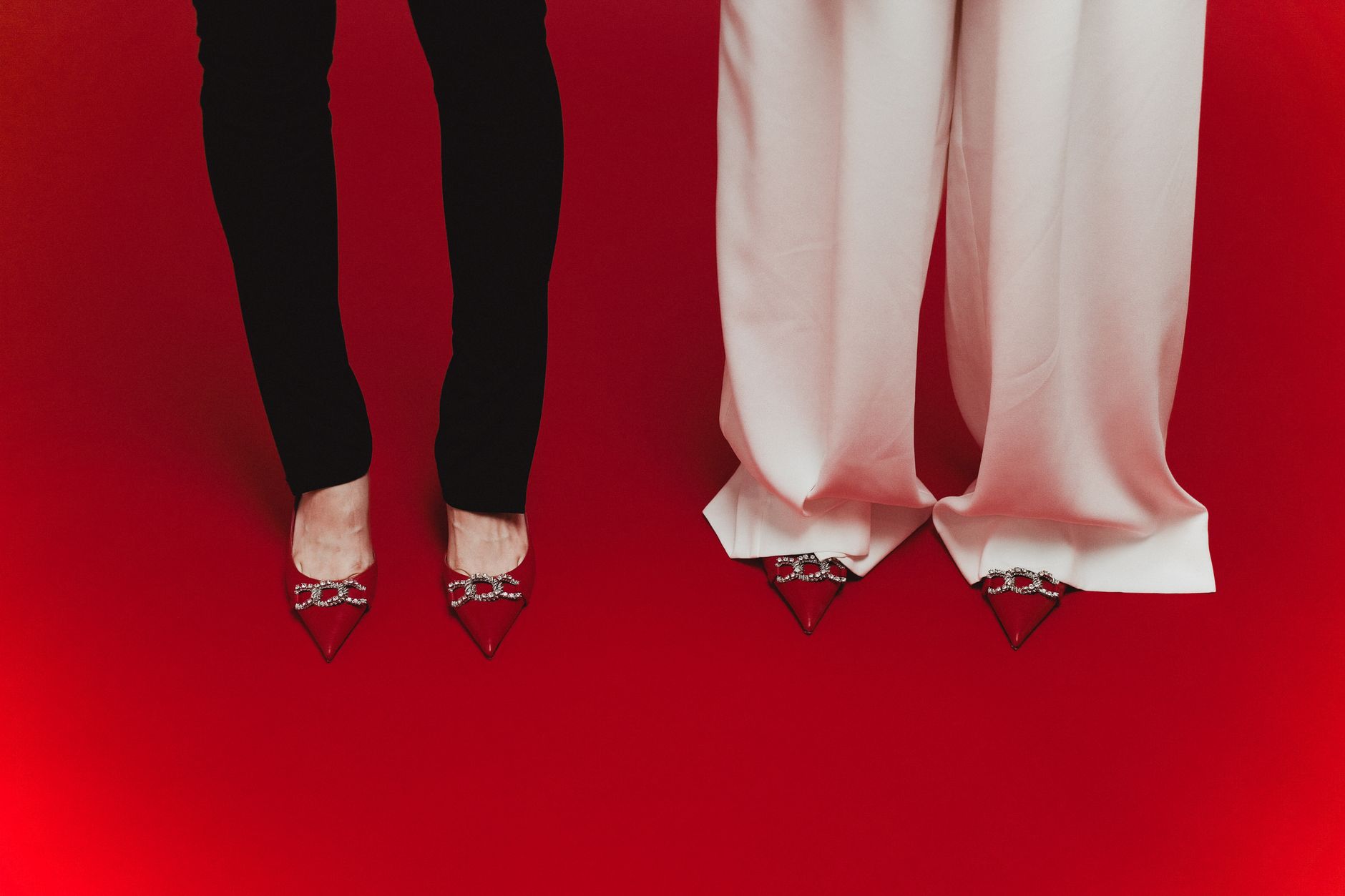
A shoe that outlasts its trend moment almost always does so because it solves a problem the trend itself created. Platforms democratized height and drama, then delivered so much of both that the category stopped feeling special. The Medusa heel offers a counter-proposal: drama routed through restraint, luxury made legible through a single piece of hardware rather than three inches of rubber sole. Whether that’s enough to carry the shoe through another full fashion cycle depends entirely on whether Versace keeps the silhouette itself clean enough to let the medallion do the work – and so far, the house hasn’t blinked.
Frequently Asked Questions
What makes the Versace Medusa heel different from other designer pumps?
The Medusa heel is defined by its gold Medusa medallion hardware, a Versace signature since the 1970s. It delivers clear brand identity through a finishing detail rather than structural exaggeration.
Is the Versace Medusa heel still in style in 2024?
Yes. As platform silhouettes lose momentum, the Medusa heel’s precise, stiletto-driven design is resonating with a fashion mood that favors intentionality and craft over volume.