



Cashmere has ruled the luxury knitwear conversation for decades, but Acne Studios’ mohair pieces are making a quiet, persistent case for displacement. The Stockholm label’s fuzzy, halo-effect knits have moved from runway curiosity to wardrobe staple with a speed that even the brand’s most devoted followers didn’t fully anticipate.
Why Mohair Is Having This Moment Right Now
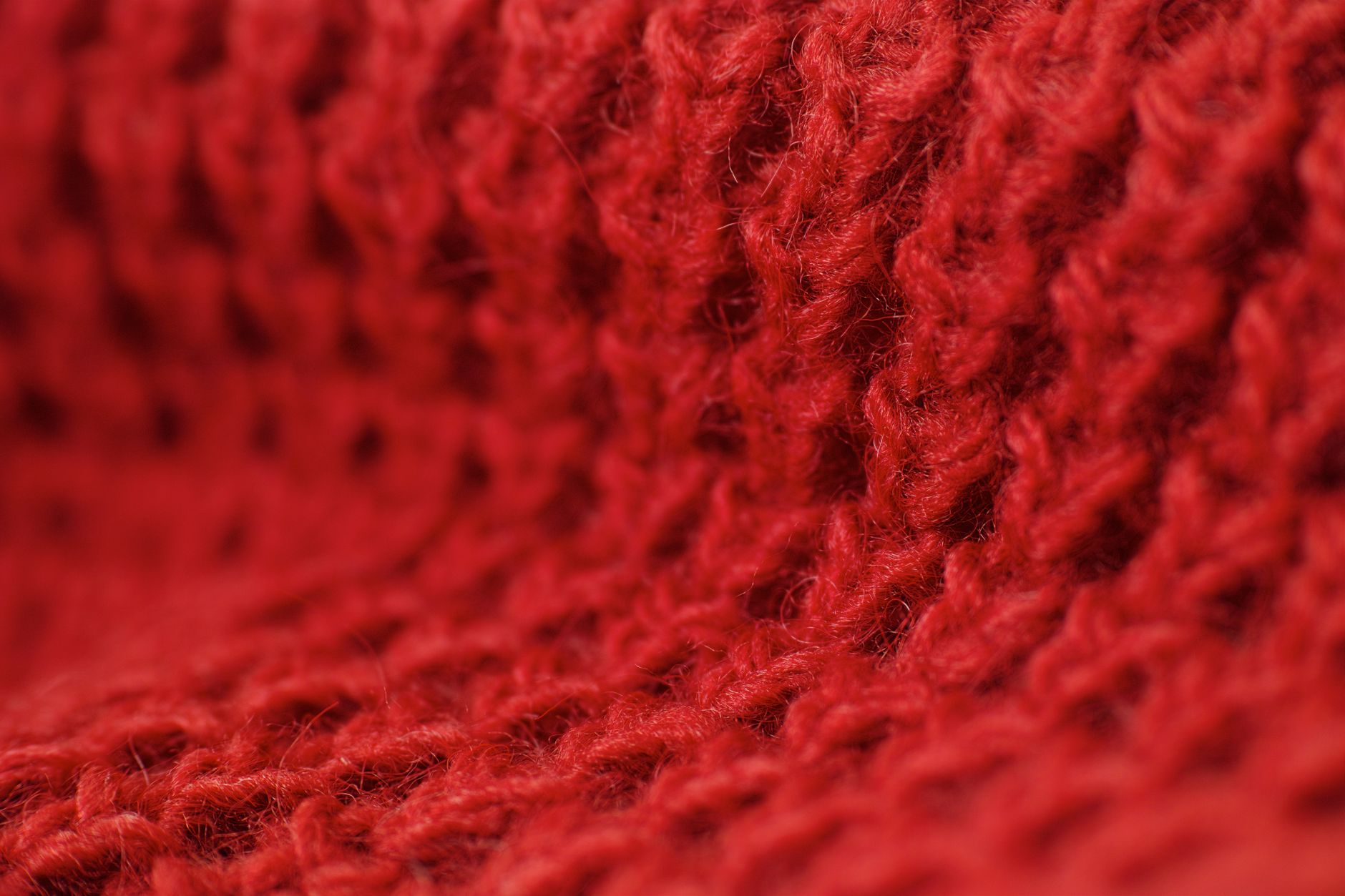
Mohair occupies a strange and appealing middle ground: it reads as both maximalist and understated, which is a difficult trick to pull off in knitwear. The fiber’s natural luster gives it a visual weight that cashmere, for all its softness, simply doesn’t carry. When Acne Studios’ design team began pushing mohair-blend constructions more aggressively in recent collections, the timing aligned with a broader appetite for texture-forward dressing – the kind of tactile statement that photographs immediately but also holds up in person.
The specific quality of Acne Studios’ mohair is worth paying attention to. The label typically blends kid mohair with silk, which controls the halo without flattening the fiber’s inherent bounce. The result sits closer to a cloud than a sweater, with enough structure to read as intentional rather than incidental. This is not the scratchy mohair of vintage thrift finds or mid-century novelty knitting. It’s a thoroughly modern fiber application.
Price positioning matters here, too. Acne Studios’ mohair knits generally land in the $350 to $550 range, which is directly competitive with mid-tier cashmere from heritage brands. For that money, cashmere traditionally offered pedigree and perceived permanence. Mohair now counters with visual impact – the kind that reads across a room and registers in photographs without any extra effort. For a generation of shoppers acutely aware of how clothing performs both in life and on screen, that trade-off is increasingly attractive.
There’s also a durability argument quietly accumulating around mohair. Cashmere’s softness comes partly from its fine, delicate fibers, which also make it prone to pilling, snagging, and gradual degradation. Kid mohair, by contrast, is structurally stronger and holds its shape across seasons with less coddling. The maintenance gap between the two fibers is real, and shoppers who’ve watched beloved cashmere pieces pill after a single winter are starting to notice.

How Acne Studios Built the Category Appetite
Acne Studios didn’t invent mohair’s fashion moment, but the label has done more than almost any other brand to reframe the fiber as a serious luxury choice rather than a retro affectation. The brand’s approach has been consistent: neutral colorways anchored by occasional saturated tones, oversized silhouettes that read as deliberate rather than sloppy, and a general refusal to make the knit feel costume-y or theme-driven. The pieces work as a standalone statement and as a layering tool, which dramatically extends their use case.
The label’s color choices deserve specific mention. While some brands push mohair in electric shades that feel trend-tied, Acne Studios has kept its core mohair palette close to its broader aesthetic identity – dusty pinks, oatmeal, slate blue, warm ivory. These are not colors that date quickly. They slot directly into the same wardrobe rotation as a good cashmere piece, which may be exactly the point. The brand is positioning mohair not as a replacement for basics but as a natural evolution of them.
Styling has reinforced the positioning. Acne Studios has repeatedly shown its mohair knits with tailored trousers, wide-leg denim, and structured outerwear rather than pairing them with other texture-heavy pieces. The message is that the knit is a serious wardrobe item, not a conversation piece. This is notably different from how competing labels have approached fuzzy knitwear, where the instinct often runs toward leaning into the novelty and building a whole look around the texture.
The resale market is catching up to this positioning. Acne Studios mohair knits hold their value unusually well on secondary platforms, often reselling at or above retail for popular colorways. That retention reflects genuine demand from buyers who missed initial drops rather than speculative flipping. It’s a different dynamic from the sneaker or bag resale world, where hype and scarcity drive price, and it suggests the appeal is rooted in the actual product rather than brand theater. A similar secondary market pull has been building around other Scandinavian-adjacent labels with strong aesthetic identity.
What’s particularly striking is how little Acne Studios has had to force the conversation. The brand has not mounted an obvious campaign around mohair supremacy or positioned the fiber against cashmere in any explicit marketing language. The shift has happened through product repetition and consistent styling – the brand kept showing up with mohair, kept making it look right, and the market followed. That kind of quiet accumulation is harder to manufacture than a viral moment, and arguably more durable.
What This Means for Cashmere’s Position
Cashmere isn’t disappearing from luxury knitwear conversations anytime soon. The fiber has too much cultural equity and too many devoted consumers to be displaced by a single competitor. But the specific case that cashmere has always made for itself – that it is the pinnacle of knit luxury, the obvious choice, the default answer to what a good sweater is made of – is genuinely under pressure. Mohair offers a credible counter-argument, and Acne Studios has provided the aesthetic proof of concept.
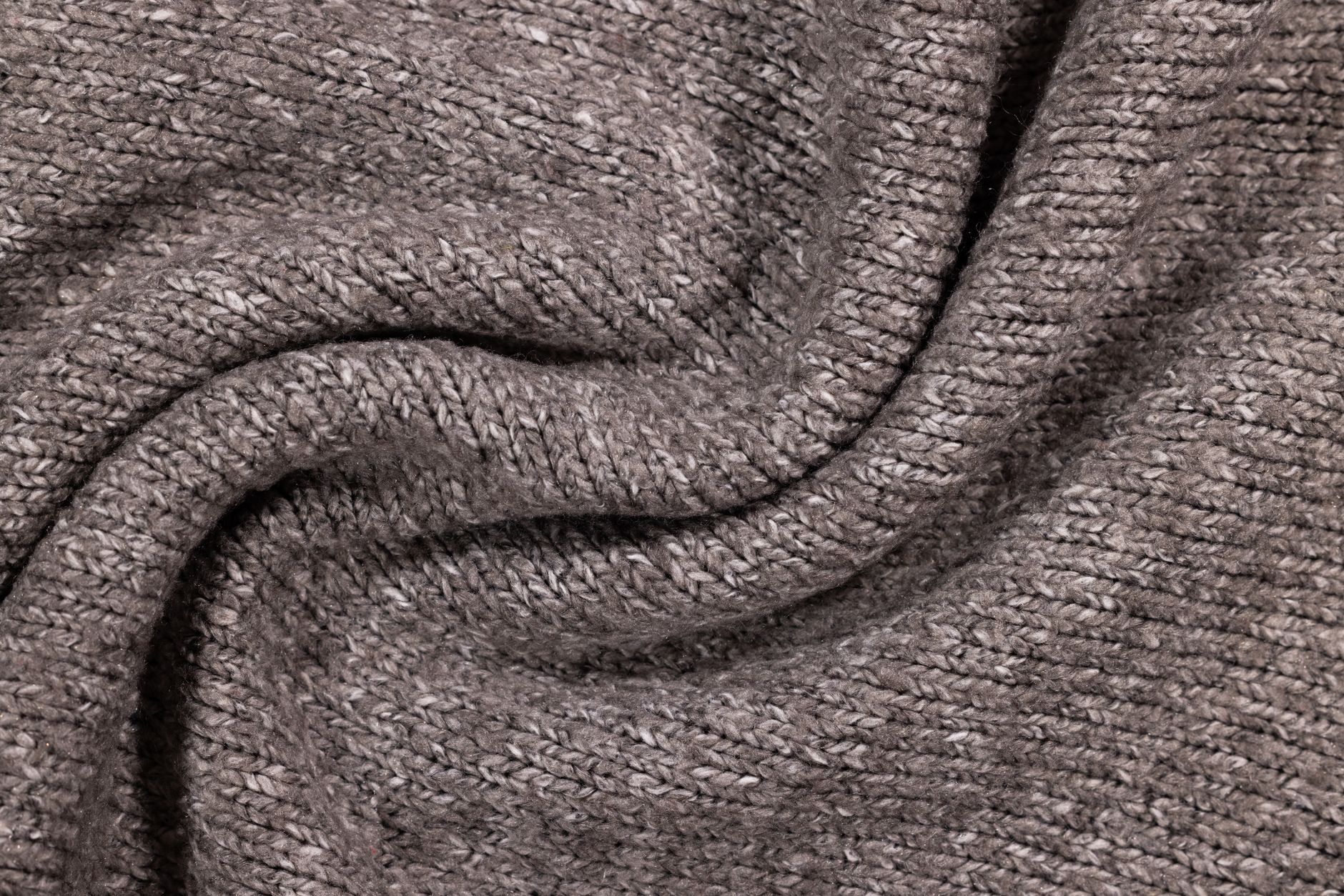
The more interesting question is whether other labels will follow Acne Studios into serious mohair territory or whether the fiber will remain closely associated with the Stockholm brand’s particular visual identity. A few contemporary labels have begun experimenting with mohair-blend constructions at similar price points, but none have committed to the fiber with the same consistency or built the same depth of offering. If mohair remains primarily an Acne Studios story, cashmere has considerably more breathing room. If the fiber migrates across the contemporary luxury market and becomes a standard offering at brands where shoppers currently default to cashmere, that breathing room narrows considerably.
Frequently Asked Questions
Is Acne Studios mohair worth the price compared to cashmere?
Acne Studios mohair-silk blends sit in a similar price range to mid-tier cashmere but offer stronger durability and more visual impact, making the comparison genuinely competitive.
Does mohair pill as much as cashmere?
Kid mohair is structurally stronger than cashmere’s fine fibers, making it more resistant to pilling and better at holding its shape across multiple seasons.