

The Hem That Never Finished
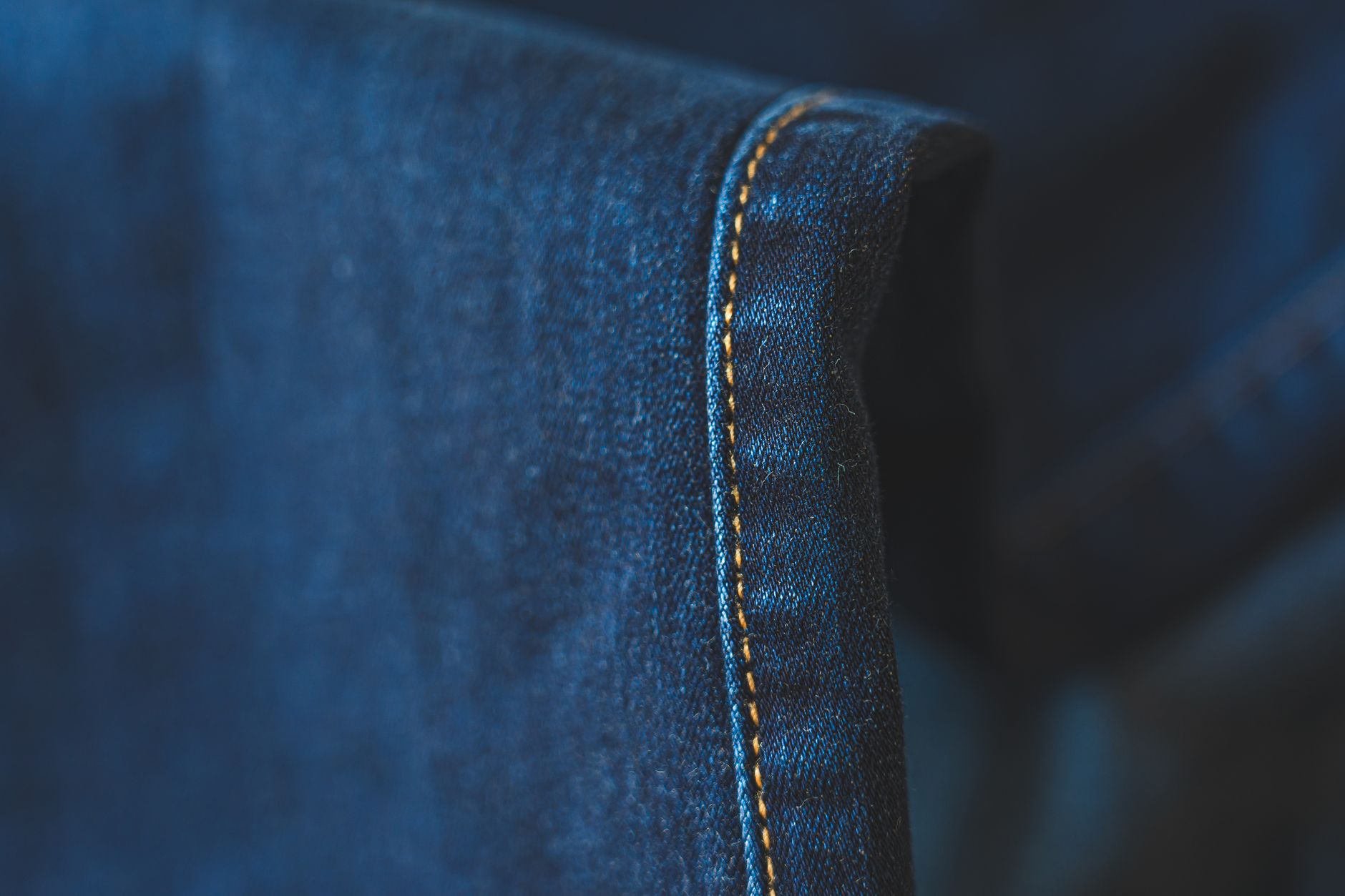
Raw hem denim was never supposed to be permanent. When Helmut Lang introduced frayed, unfinished edges to his denim cuts in the late 1990s, it read as architectural provocation – a deliberate refusal to complete the garment. The hem was left as-is, fabric threads trailing, as if the jeans had been pulled from the cutting table mid-production. That incompleteness was the point. Lang was making fashion out of process, not just product.
Now the raw hem is back, and it is arriving with the particular confidence of a silhouette that was right the first time. Not through a loud relaunch or a campaign built around nostalgia, but through a gradual re-adoption by stylists, denim-focused independent labels, and a consumer base that has grown tired of overly finished, over-constructed jeans. The look is showing up on editorial pages and street style feeds with quiet consistency – not a spike, but a steady accumulation.
Why It Left and Why That Matters
Lang’s original run ended in circumstances that are well documented: the designer stepped back from his own house in 2005 after a period of corporate turbulence following the brand’s acquisition by Prada Group. The aesthetic he built – spare, cerebral, body-conscious – remained enormously influential, but the specific garments faded from retail. The raw hem denim was widely copied in the mid-2000s by fast fashion brands, which accelerated its saturation and, eventually, its retreat. When something is everywhere, it stops meaning anything.
The version currently circulating is notably different from those copies. What made Lang’s original cuts distinctive was not the frayed edge alone but its relationship to the overall silhouette – a low-rise or mid-rise straight leg with a hem that sat precisely at the ankle, the fraying controlled rather than exaggerated. The knockoff versions bloated that detail into something decorative. Lang’s approach treated the raw edge as structural information: this is where the fabric ends, full stop.
The current revival is pulling from the original logic. Denim labels working in a directional space are cutting their hems straight across and leaving them. No distressing added above the knee, no whiskering at the thighs. The rawness is localized and intentional. That restraint is exactly what separates this return from the mid-2010s wave of heavily distressed jeans that eventually exhausted the market.
The Denim Market’s Appetite for Restraint
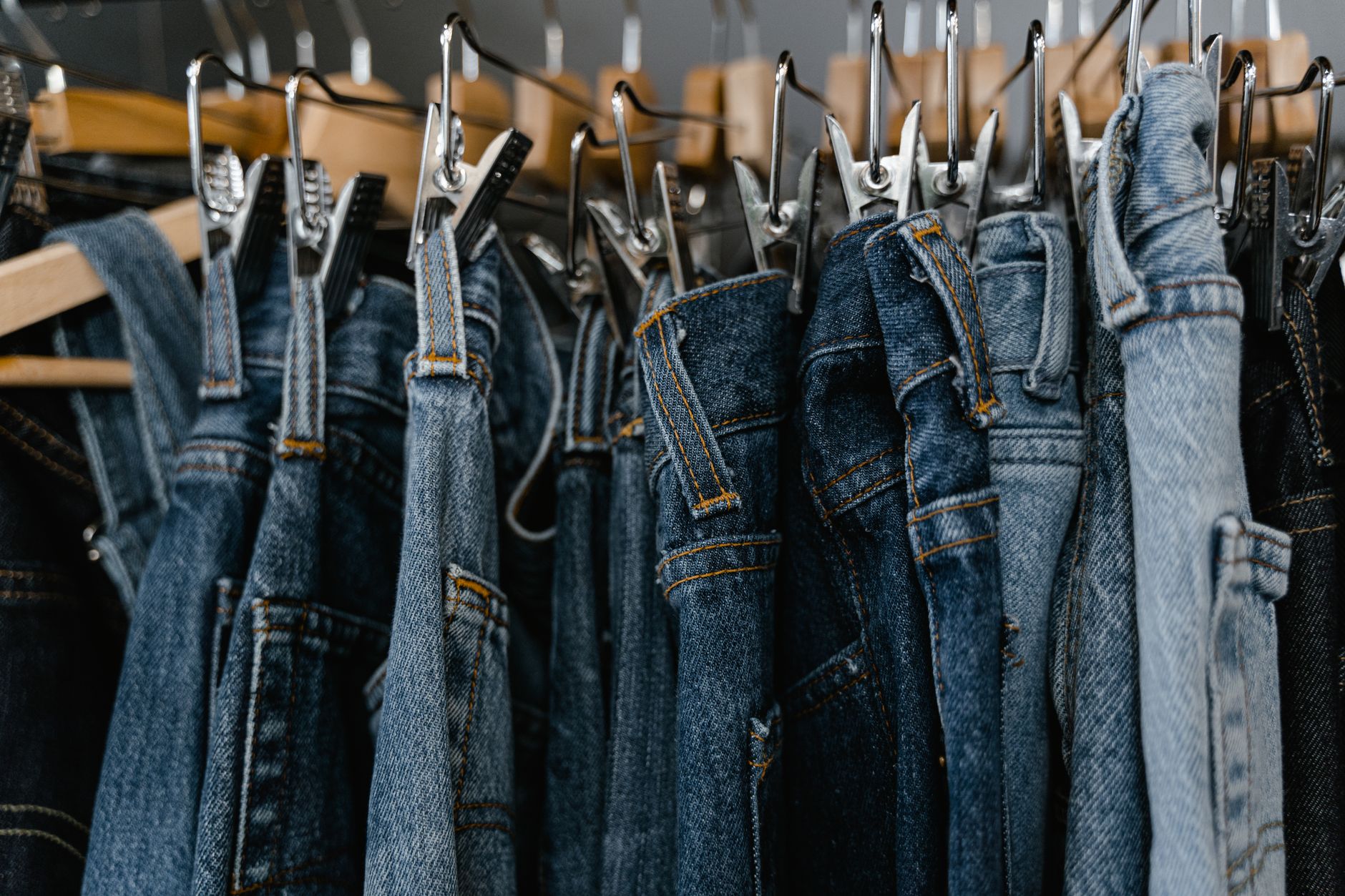
The timing makes sense when you look at where denim has been for the past few years. The wide-leg revival brought attention back to silhouette and proportion, moving buyers away from the stretch-heavy skinny jean that dominated for over a decade. With that shift came a renewed interest in denim as a constructed fabric – something with structure, with weight, with an identifiable character. Raw hem fits that appetite because it foregrounds fabrication rather than concealing it.
There is also a practical element. The raw hem is inherently adjustable. Buyers who know their inseam can purchase a longer cut and have it hemmed exactly where they want – the fraying occurs naturally with wash and wear, customized by the wearer’s own movement and laundry habits. That relationship between garment and owner, where the jeans develop their finish over time, runs counter to the pre-distressed aesthetic and appeals to a buyer who wants longevity built into their wardrobe.
How the Archive Is Being Read Right Now
The Helmut Lang archive has never really stopped circulating. Vintage pieces from the 1990s and early 2000s – the bondage-strap trousers, the parachute parkas, the body-skimming knits – maintain serious resale value and are regularly referenced by designers working in a cool, urban register. The denim pieces are among the most sought-after, partly because denim ages well and partly because the cuts translate cleanly into contemporary wardrobes. A pair of Lang raw hem jeans from 1998 does not look dated; it looks considered.
That archival credibility is doing real work in the current moment. The brand relaunched under new creative direction in the late 2010s and has continued to develop its identity, but the conversation around Helmut Lang in fashion circles still returns frequently to the original archive. For younger consumers discovering the house through resale platforms, the raw hem denim is often an entry point – an accessible expression of the Lang aesthetic before moving into the more conceptual pieces.
Styling the raw hem now tends toward the austere. It appears with simple leather footwear – a flat boot, a pointed mule, a low sneaker with no visible logo – and tops that do not compete for attention. A fitted ribbed crewneck, a structured blazer worn open, a white oxford shirt left untucked. The jeans are allowed to function as the focal point precisely because the fraying is controlled enough to anchor an outfit rather than destabilize it. This is very different from how distressed denim was styled in earlier cycles, where everything around it was competing for edge.
The interesting tension in this revival is what happens to it at scale. Lang’s original raw hem worked because it operated in a specific context – a brand with a defined philosophy, a customer who understood the reference. Phoebe Philo’s ongoing influence on directional fashion has primed a similar audience for exactly this kind of undecorated, process-forward design thinking, which may explain why the raw hem is finding traction now rather than two years ago. But if the detail travels too far into mainstream retail, the same saturation cycle that erased it the first time begins again. The brands currently doing it well are operating at limited volume. Whether they can hold that line as demand grows is the real question the denim market is sitting with.