

The Shoe That Replaced the Sock Boot Without Anyone Noticing
Loro Piana’s knit mules have been sitting quietly at the intersection of comfort and precision dressing for a few seasons now, accumulating the kind of steady, unannounced following that tends to outlast any one trend cycle. They don’t arrive with a campaign push or a celebrity red-carpet moment. They simply appear – on the feet of women leaving gallery openings, carrying canvas totes through airport terminals, or standing in line at the kind of coffee shop that doesn’t have a sign outside. That invisibility is their entire point.
The sock boot had a long run. For the better part of a decade, it was the answer to every transitional-season outfit question – the thing that finished a look when a pump felt too formal and a sneaker felt too casual. But the knit mule does everything the sock boot promised to do, and it does it without the ankle constriction, the heat retention, or the styling limitations that quietly made the sock boot exhausting to wear past year three.
What Actually Makes a Knit Mule Work
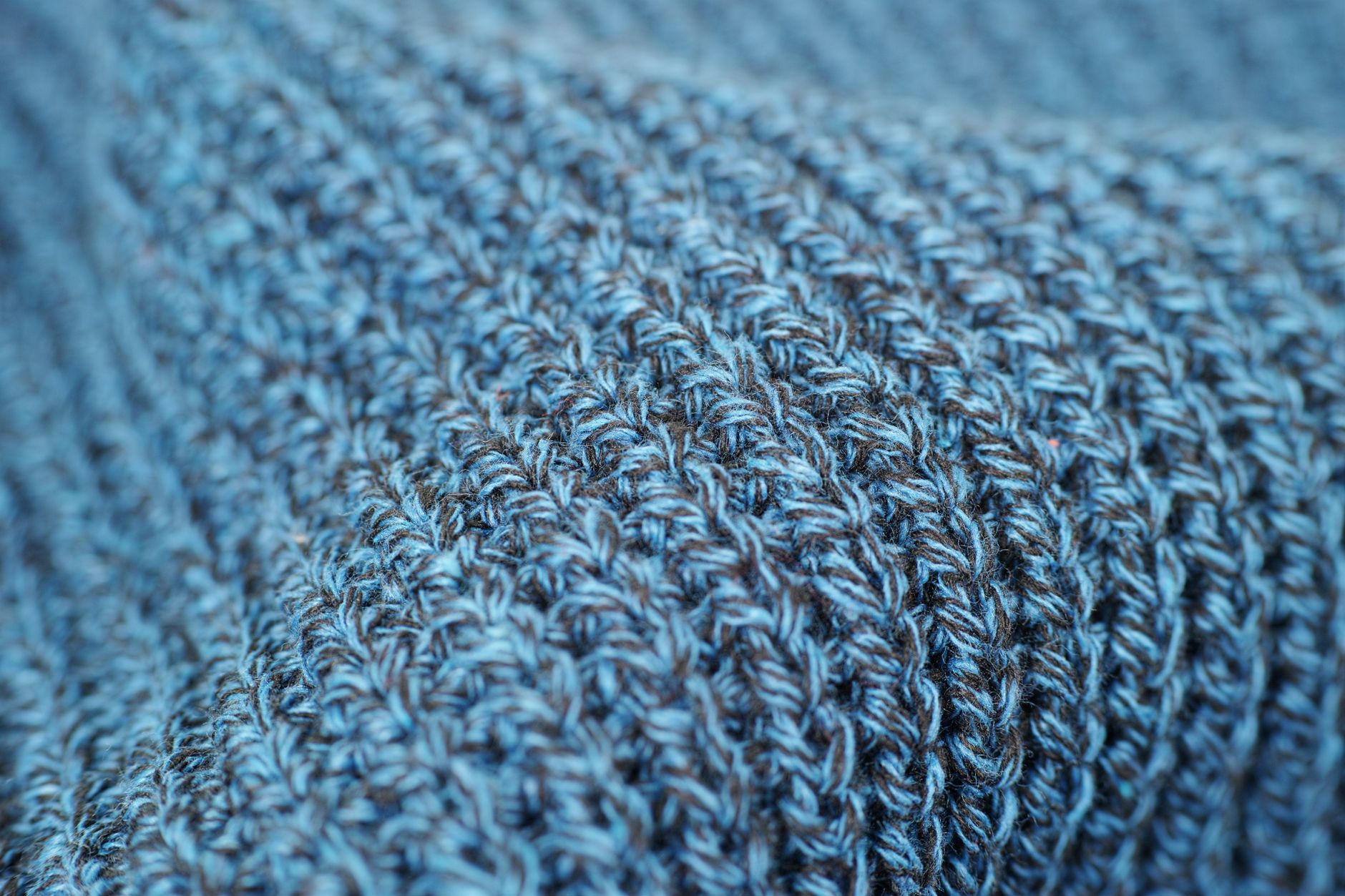
The construction logic behind Loro Piana’s version is worth understanding because it explains why lesser versions fail. The mule silhouette – backless, low to the ground, with a structured toe box – is one of the more demanding shoe shapes to execute in a knit material. Fabric that flexes and breathes is naturally harder to control than leather or suede, which means the shaping has to be engineered rather than assumed. Loro Piana’s approach involves a fine-gauge knit with enough density to hold its form through a full day of wear without sagging at the toe or stretching at the sides.
The color palette reads as intentional restraint. Oatmeal, stone, dark navy, and a particular shade of warm grey that photographs as beige but reads as something more considered in person. These are not colors chosen for versatility as an afterthought – they are colors chosen because they work without requiring the outfit around them to compensate. A shoe that comes in seventeen shades of sunset is making a different argument than a shoe that comes in five neutrals.
The sole profile matters more than most people realize when discussing knit footwear. A thick, heavily cushioned sole on a knit upper creates a visual disconnect – the softness of the fabric against the aggression of a platform reads as an unresolved argument between two different design philosophies. Loro Piana’s soles stay slim and grounded, which is what allows the knit to do its visual work without competition from below.
Why the Sock Boot Lost Ground
The sock boot’s decline wasn’t a failure of the silhouette so much as a failure of what the silhouette became. Once a shoe shape reaches a certain saturation point – available in every price range, worn with every possible outfit combination, photographed until the styling options feel genuinely exhausted – it stops functioning as a considered choice and starts functioning as a default. Defaults feel safe but not deliberate, and deliberateness is exactly what this tier of dressing is about.
Knit mules also solve a specific practical problem that sock boots never fully addressed: temperature regulation. A boot that ends at the ankle traps heat in a way that becomes uncomfortable in any indoor setting warmer than 65 degrees, which describes most offices, restaurants, and shops for roughly eight months of the year. A mule in knit breathes. It works in October and it works in March without requiring a wardrobe recalculation every time the heating kicks on.
The Quiet Luxury Angle and What It Actually Means Here
Loro Piana occupies a specific position in the current fashion conversation – a house that became shorthand for a certain kind of wealth signaling that has nothing to do with logos. The knit mule fits that positioning not because of its price point alone, but because of how it communicates. It requires the person wearing it to already know what it is. There’s no visible hardware, no brand-stamped sole, no silhouette so distinctive that it announces itself from across the room. Recognition is reserved for people who have been paying attention.
That exclusivity through obscurity is a different mechanism than the kind luxury fashion operated on for most of the twentieth century. The logic used to be: make the logo large enough that everyone can identify the brand from a distance, and social status is transmitted efficiently. The current logic, at least at the quieter end of the market, inverts that entirely. The shoe is harder to identify precisely because its audience doesn’t need the shortcut.
This connects to a broader shift in how women at a certain income level are approaching footwear. The maximalist shoe moment – sculptural heels, statement platforms, shoes that functioned as conversation starters rather than foot coverings – appears to be receding. What’s replacing it is footwear that works with thought rather than instead of it. The knit mule, worn with wide-leg trousers or a fluid midi skirt, doesn’t interrupt the eye. It completes a line. Ballet flats operate on similar logic, which is why Alaïa’s ballet flat has held its position even as the sneaker moment loses momentum – both shapes reward restraint.
The interesting question isn’t whether the knit mule continues gaining ground – it will, at least through the next two or three seasons before the market floods with accessible versions and the original audience moves on. The more interesting question is what happens to the category when every fast-fashion retailer has a knit mule in their lineup. Loro Piana’s version survives that kind of saturation because the material quality is distinguishable on contact, not just on sight. But the aesthetic itself – the low profile, the knit upper, the neutral palette – doesn’t belong to any one house, and the copies are already in production.
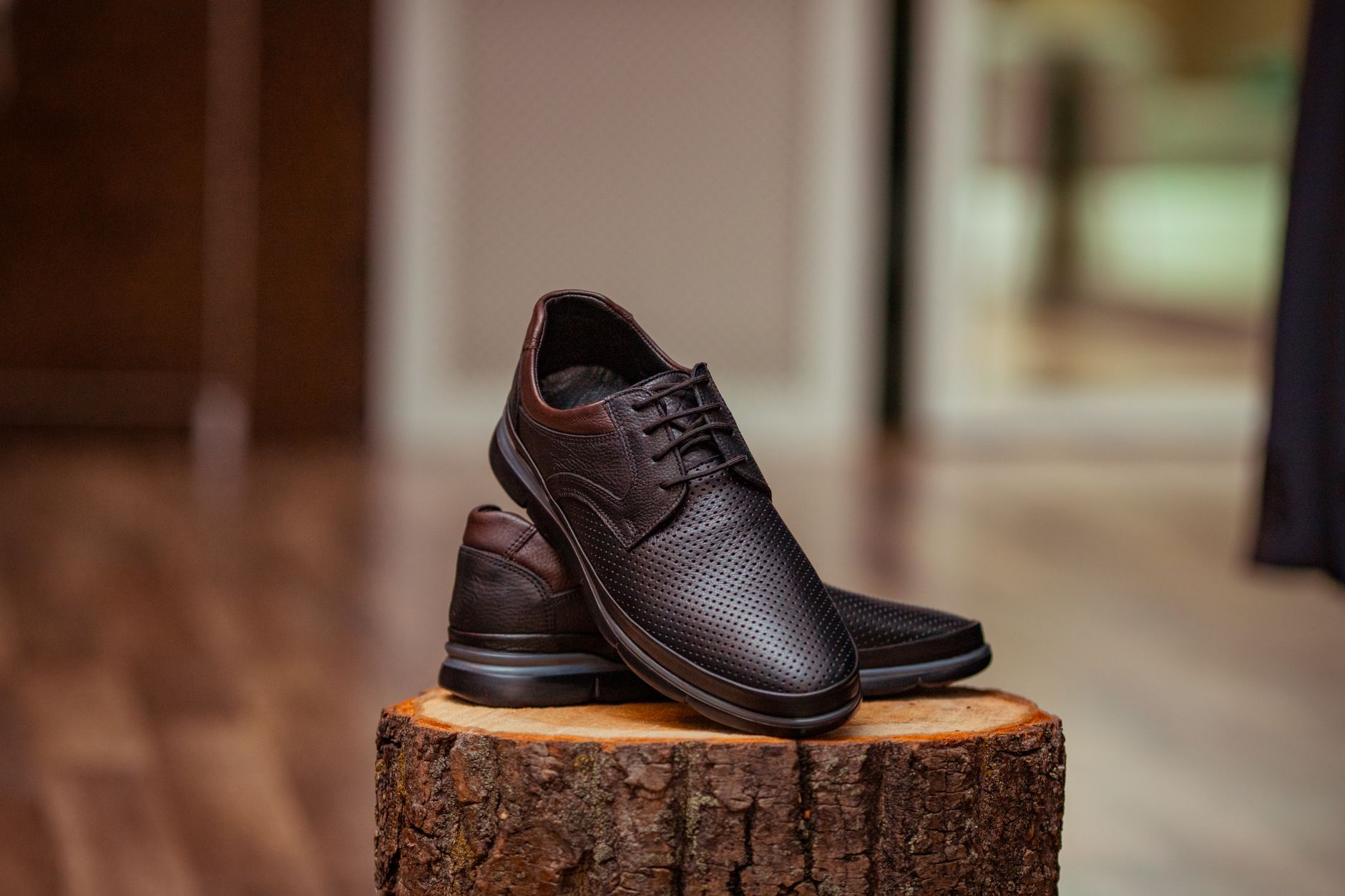
For now, the mule is doing what the sock boot did in its best years: solving a real problem for women who want to dress with precision but not effort. The difference is that the knit mule hasn’t yet been photographed to death, which means it still reads as a decision rather than a reflex.