


The leather blazer had a good run. For the better part of a decade, it served as the default power piece – the jacket you reached for when an outfit needed an edge. But something has shifted on the street, on the runway, and increasingly in the checkout cart: tweed is moving in.
The Quiet Comeback Nobody Predicted
Tweed has never fully disappeared, but it spent years living in a specific sartorial lane – equestrian weekends, British countryside aesthetics, the kind of wardrobe associated with inherited furniture and Labrador retrievers. That association is now dissolving. A growing number of designers have been stripping tweed of its stuffy context and dropping it into collections alongside streetwear silhouettes, relaxed denim, and even athletic basics. The fabric itself hasn’t changed. What’s changed is who’s wearing it and how.
The leather blazer, by contrast, is showing signs of saturation. After years of being the go-to topper for everything from office Fridays to dinner dates, it’s starting to look like a uniform rather than a statement. The silhouette hasn’t evolved much – still boxy, still cropped, still reaching for the same moody, effortless cool it’s been chasing since its first wave. When a piece stops reading as a choice and starts reading as a default, that’s usually when fashion starts looking elsewhere.
What tweed offers that leather can’t is texture you can actually see across a room. The weave catches light differently at every angle, adds visual weight without bulk, and photographs with a richness that matte leather rarely achieves. For a fashion moment increasingly driven by visual content – where an outfit has to perform well both in person and on a phone screen – that kind of textural complexity is worth something. Tweed earns its keep in both settings.
There’s also a temperature logic at play. Leather blazers have an awkward seasonal window – too stiff in summer heat, not warm enough when it actually gets cold. Tweed, by nature of its construction, sits comfortably in autumn and early spring, layers well under heavier coats, and breathes better than its reputation suggests. Practicality doesn’t drive fashion, but it does help sustain it once a trend takes hold.
How It’s Being Worn Now
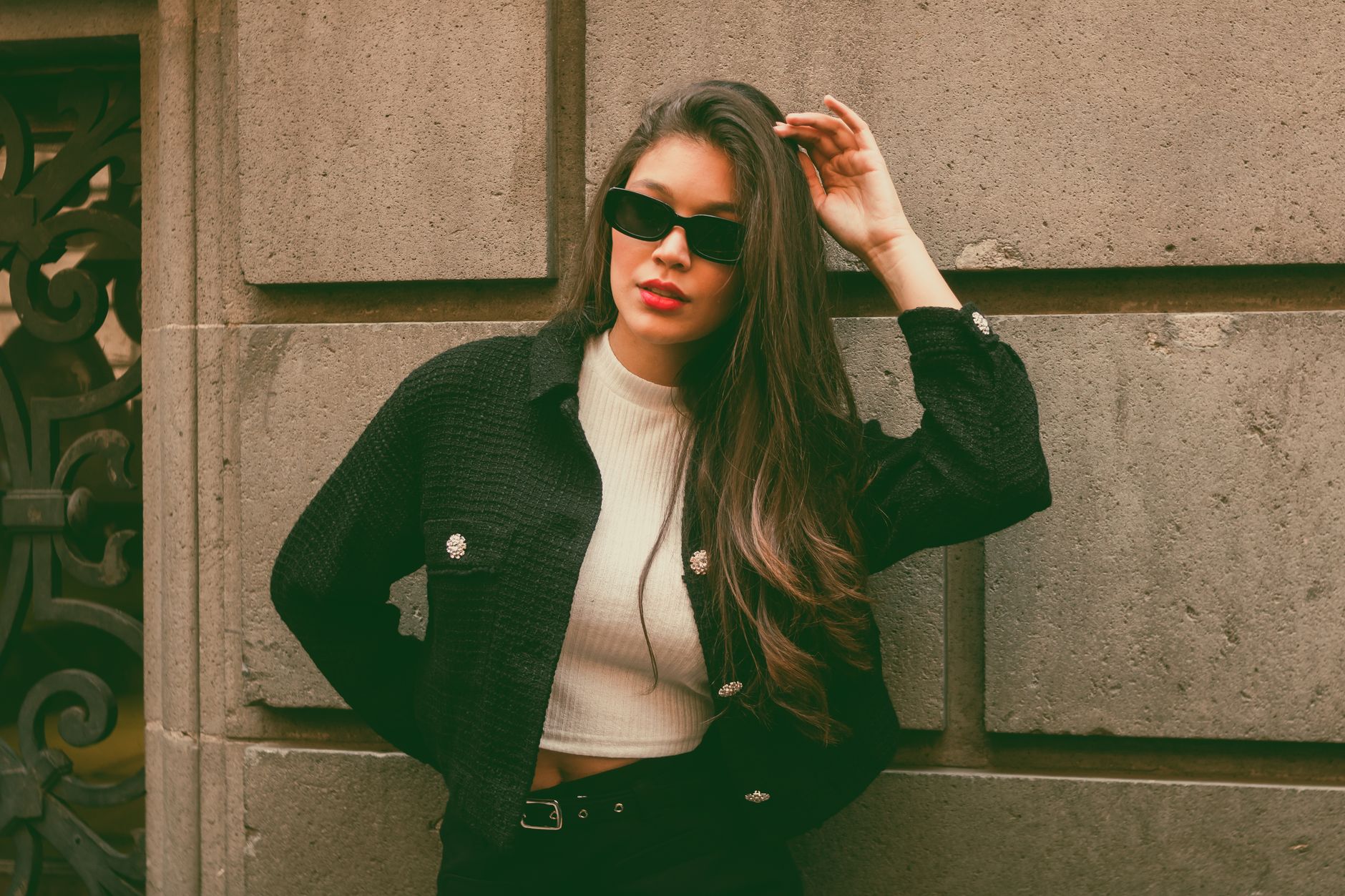
The version of tweed making ground right now is not the hacking jacket of your grandfather’s wardrobe. Cut is everything. Shorter lengths – hitting at the hip or even above it – remove the dowdiness entirely. Oversized proportions, when done right, give the fabric a borrowed-from-the-archives quality that feels intentional rather than accidental. The pieces showing up on fashion week street style and in editorial shoots tend to have one or two of these modern modifications: cropped length, exaggerated lapels, contrast stitching along the trim, or unexpected color combinations woven directly into the cloth.
Color is doing a lot of the work here. Traditional tweed lived in a narrow palette – oatmeal, heather, tobacco brown, forest green. Current iterations are pushing into rust and terracotta, pale lavender, dusty rose, and even multi-tonal weaves that incorporate black or charcoal for contrast. These are not safe choices, which is exactly why they’re working. They take a fabric that read as conservative and make it feel considered.
Styling has adapted to match. The tweed jacket is showing up over simple white shirts and wide-leg trousers in a way that suggests the piece itself is the point of the outfit – which is how the leather blazer used to function. It’s also appearing over midi skirts, with ankle boots, over slip dresses layered on top of fine knit tops. The styling range is broader than leather ever managed, largely because tweed doesn’t carry the same edge-signaling weight. You can dress it up or down without the silhouette making a statement about attitude you didn’t intend.
The ribbed knit vest trend offers an interesting parallel here – just as that piece has been slipping into outfits where the turtleneck once lived, the ribbed knit vest quietly edging out the fitted turtleneck points to a larger appetite for texture and layering over streamlined minimalism. Tweed fits that same appetite. The fashion moment is reaching for things you can feel, visually and literally.
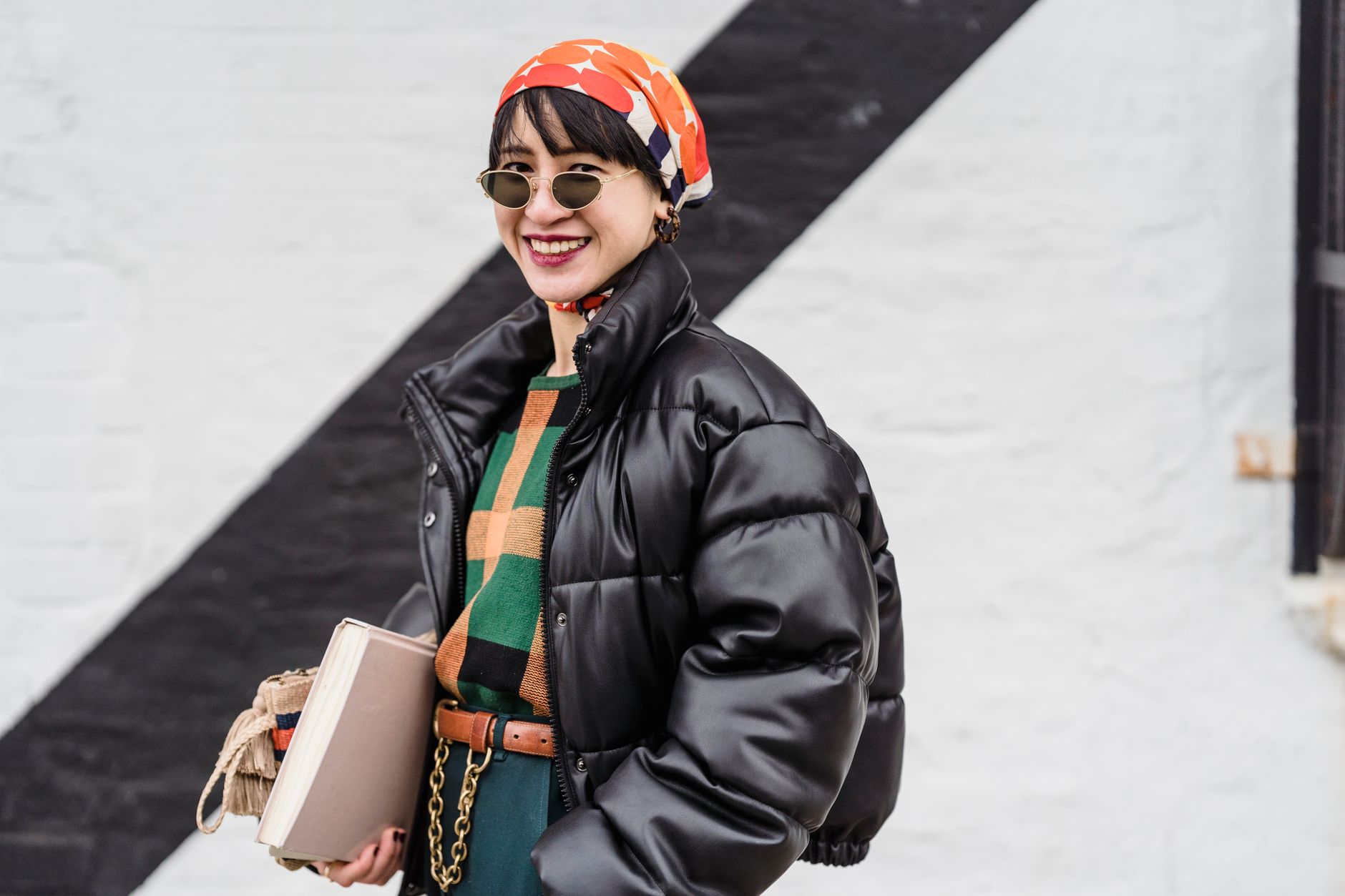
Price positioning is another part of the story. Leather blazers at the mass market level have flooded the category to the point where the piece feels ubiquitous regardless of quality. Tweed, even at accessible price points, retains a perception of craftsmanship – something about the weave communicates effort. That perception matters in a market where shoppers are thinking more carefully about what they’re buying and why. A jacket that looks considered tends to feel like a better investment, even when the actual cost is similar.
What This Means Going Forward
Fashion doesn’t operate on clean replacements – leather blazers won’t vanish from closets or even from new collections. But the appetite for newness is clearly pointing toward texture, heritage fabrics repositioned with modern cuts, and pieces that photograph with depth. Tweed delivers on all three. Designers working in the mid-range and luxury tiers alike are reading that signal and responding to it.
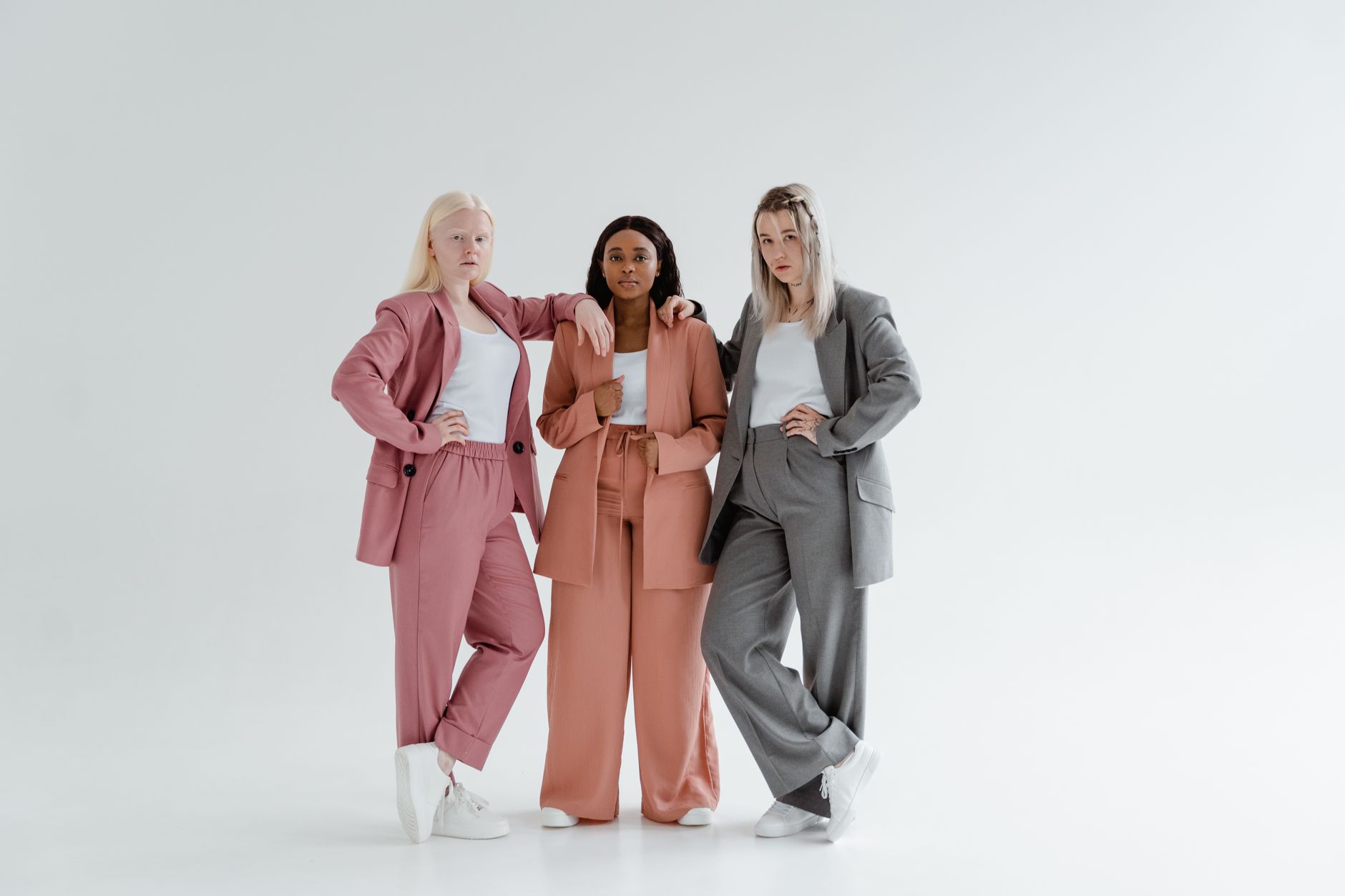
The more interesting question might be what happens when tweed reaches the same saturation point leather is at now. The fabric has natural limits – it can only go so casual, only push so far into warm weather territory – which may actually protect it from overexposure. Or perhaps it just means the next cycle will swing somewhere else entirely: back to a structured wool crepe, forward into technical weaves, or toward something nobody’s named yet. For now, the tweed jacket is the piece that still feels like a choice rather than an obligation.
Frequently Asked Questions
Why is the tweed jacket trending over the leather blazer right now?
Tweed offers richer texture, broader styling range, and stronger visual impact than leather, which has become oversaturated after years as a wardrobe default.
How do you style a tweed jacket in a modern way?
Opt for cropped or oversized cuts, pair with wide-leg trousers or midi skirts, and look for non-traditional colorways like rust, lavender, or multi-tonal weaves.