


The wrap skirt had a long run. For several seasons it was the default choice for anyone who wanted a skirt that felt effortless but still intentional – a clean silhouette, a defined waist, easy to style. Now something else is taking up that space in the conversation, and it is not a dramatic replacement. The sheer overskirt is moving in quietly, appearing on editorial pages and street style roundups with increasing frequency, without the fanfare of a runway moment or a single celebrity co-sign that everyone agrees on.
What makes the shift worth paying attention to is not just the silhouette change.
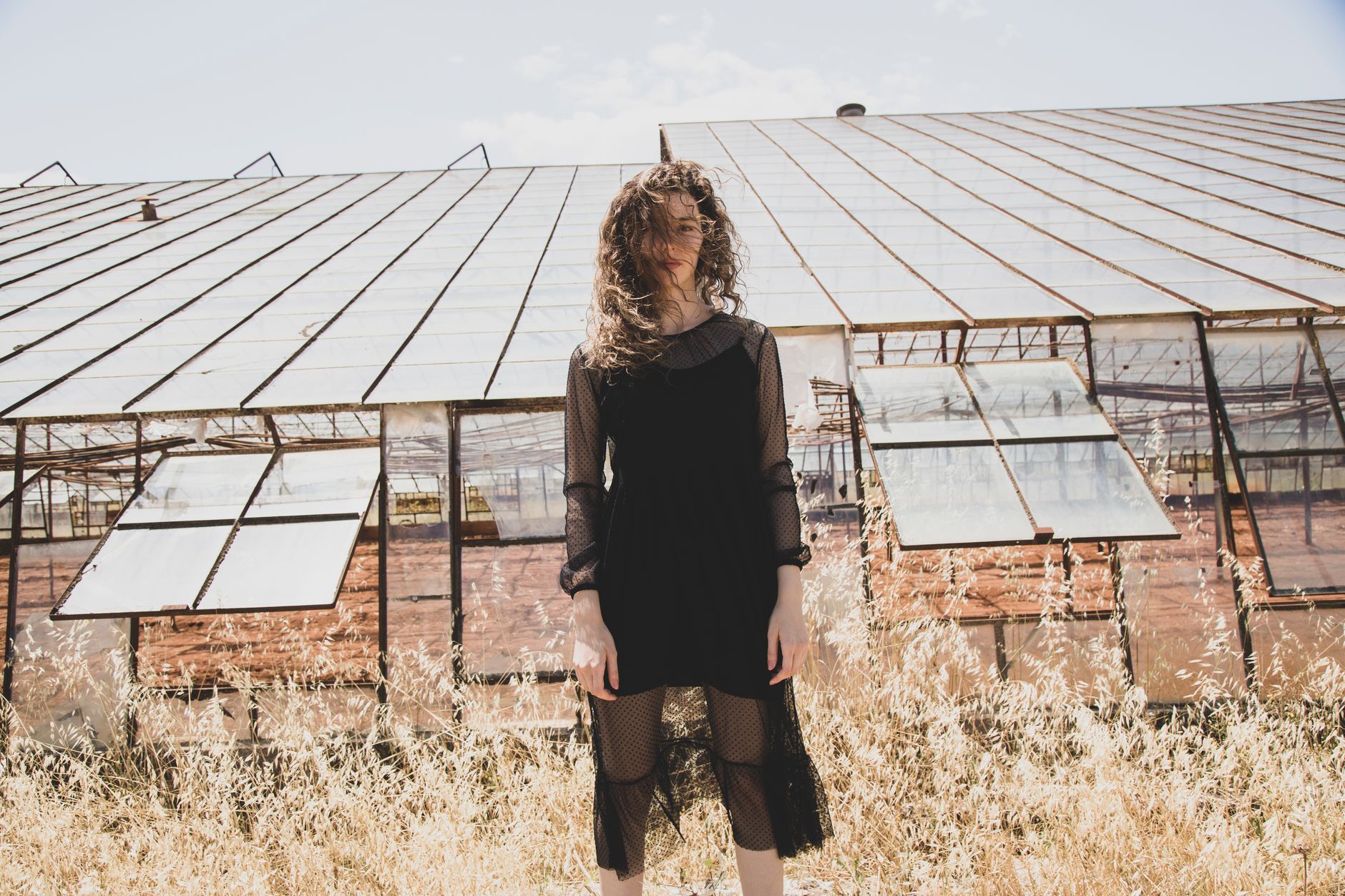
The sheer overskirt works differently than the wrap because it layers rather than replaces. It sits over shorts, over fitted trousers, over a slip skirt, creating a softness that the wrap skirt could never quite achieve without looking deliberately romantic. The wrap had structure built into its premise. The sheer overskirt offers something closer to atmosphere – it changes the mood of an outfit without changing the outfit itself.
Why the Wrap Skirt Is Losing Ground
The wrap skirt peaked because it solved a problem. It was adjustable, flattering across body types, and could read either casual or polished depending on fabric. Midi wrap skirts in satin became a shorthand for effortless dressing, particularly in the years when getting dressed again felt like relearning a language. But that very versatility is now working against it. When something becomes too reliably useful, it starts to feel like a uniform.
Stylist conversations and fashion-forward wardrobing are moving toward pieces that carry more visual complexity without adding bulk or effort. The sheer overskirt delivers that. A floaty chiffon layer over wide-leg trousers creates a silhouette the wrap simply cannot replicate – something that reads as both tailored and undone at the same time. The wrap skirt, for all its adaptability, is still just a skirt. The sheer overskirt changes the architecture of whatever is underneath it.
There is also the question of occasion versatility, which the wrap skirt used to own outright. The sheer overskirt is now being worn in contexts that would have seemed surprising even two seasons ago – over cycling shorts for a lunch look, over tailored shorts at evening events, layered over a pencil skirt to add movement to what would otherwise be a static silhouette. The wrap is losing ground not because it failed, but because the sheer overskirt opened up a category of dressing the wrap was never designed for.
How to Actually Wear It
The mistake most people make with a sheer overskirt is treating it like a skirt. It is not. Wearing it over nothing but underwear – the way you might approach a wrap – tends to look unfinished unless you are in a specific editorial or event context where that level of deliberateness reads clearly. The sheer overskirt works best when it is in conversation with something solid underneath. The contrast between the opaque base layer and the translucent overlay is where the interest lives.
Proportions matter more than they do with a wrap. A midi-length sheer overskirt over knee-length bike shorts creates a specific kind of proportion – elongated, slightly unexpected, with enough structure at the waist to keep it from reading as costume. A floor-length version over wide trousers works on a different logic entirely, emphasizing height and movement. The length relationship between the overskirt and whatever sits beneath it is essentially the whole styling decision. Get that right and the rest resolves itself.
Color and texture pairings are where the sheer overskirt separates itself most clearly from its predecessor. A black chiffon overskirt over a white fitted midi dress creates a shadow effect that is nothing like the bold print or solid color territory the wrap skirt typically occupied. Organza versions add stiffness and a slight sculptural quality. Crinkled silk chiffon moves completely differently from smooth georgette. The wrap skirt offered one basic fabric logic – drape and tie. The sheer overskirt operates across a much wider range of textile behaviors, which means each version makes a genuinely different visual argument.
The Broader Styling Shift It Points To
The sheer overskirt belongs to a wider appetite for layering that does not rely on volume. Adding a blazer or a cardigan adds bulk. The sheer layer adds visual depth without changing the body’s outline in any significant way. For anyone building a wardrobe around pieces that can do more than one job without requiring an entirely new outfit structure, this is a meaningful functional advantage. A single overskirt can alter three or four base looks – it is an efficiency argument dressed up as an aesthetic one.
It also reflects a comfort with transparency as a texture rather than a reveal. Sheer fabric used to signal either high fashion drama or something closer to lingerie dressing. Now it is landing in a more neutral zone – a fabric choice, not a statement of intent. That normalization is what allows the sheer overskirt to work in everyday contexts rather than only on red carpets or in magazine shoots. Broderie anglaise and other decorative textiles are going through a similar recalibration right now, appearing in pieces that feel considered without being precious.
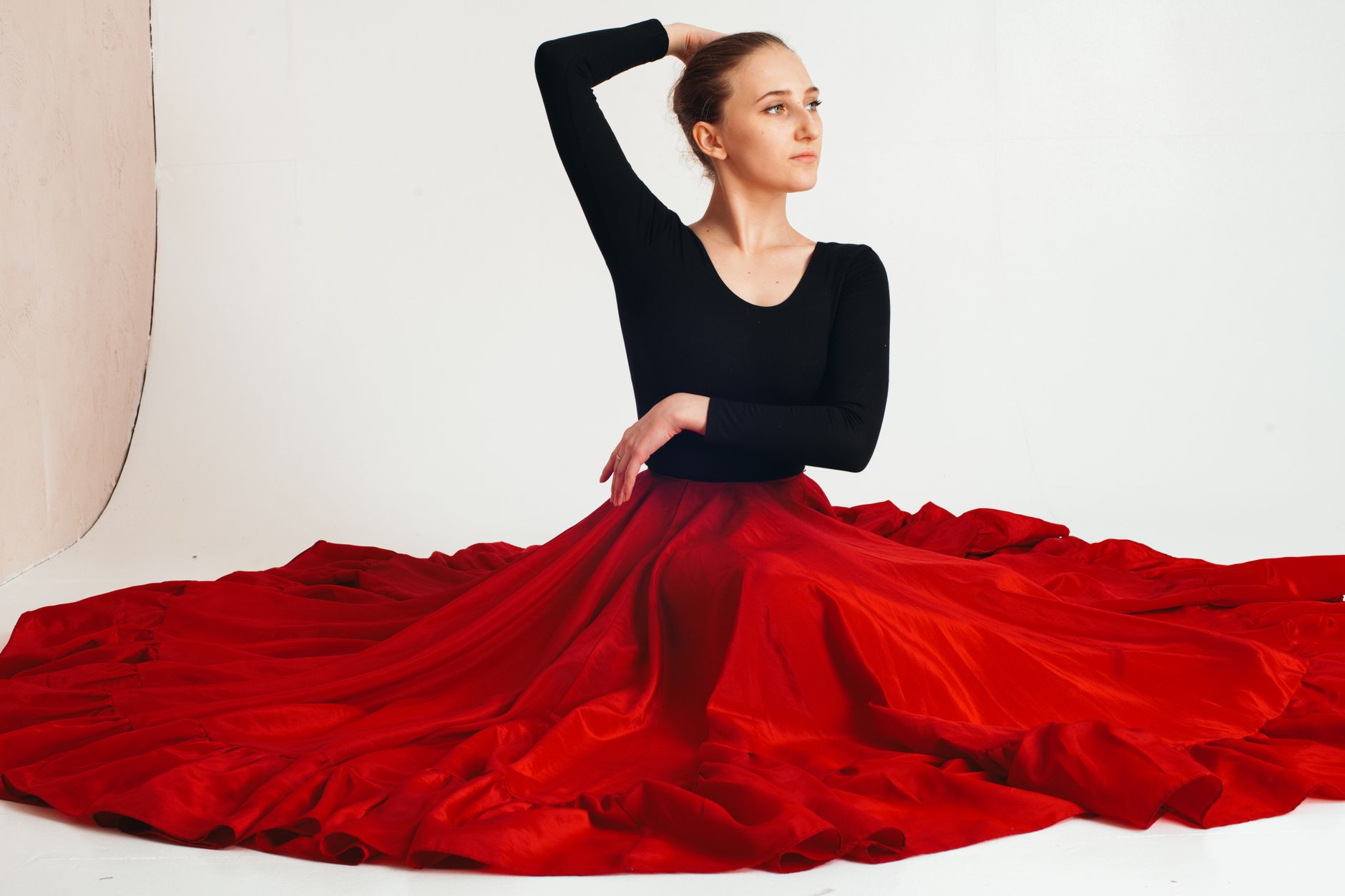
The wrap skirt is not going anywhere entirely – it will cycle back, as strong shapes always do. But the sheer overskirt is filling a specific gap the wrap left open: the desire for softness without sweetness, for layering without weight, for a garment that changes the feeling of an outfit rather than just completing it. The wrap asked you to commit to a silhouette. The sheer overskirt lets you negotiate one.
Frequently Asked Questions
What is a sheer overskirt and how do you wear it?
A sheer overskirt is a translucent layer worn over trousers, shorts, or a base skirt. It works best when paired with a solid piece underneath so the contrast between opaque and sheer creates the visual interest.
Is the sheer overskirt replacing the wrap skirt completely?
Not entirely, but it is taking over the wrap skirt’s role as a versatile, easy-styling piece. The overskirt offers more layering flexibility and works across more outfit types than the wrap typically does.