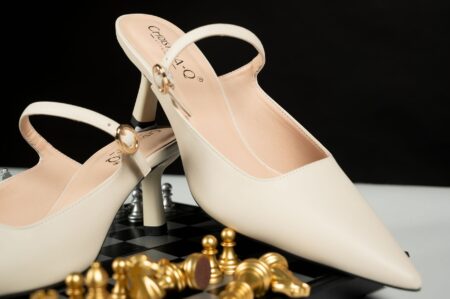


The stiletto is not dead – but it is, undeniably, being outpaced. A new generation of heels with sculptural, architectural bases is showing up across runways, street style, and red carpets with a persistence that signals something more than a seasonal novelty.
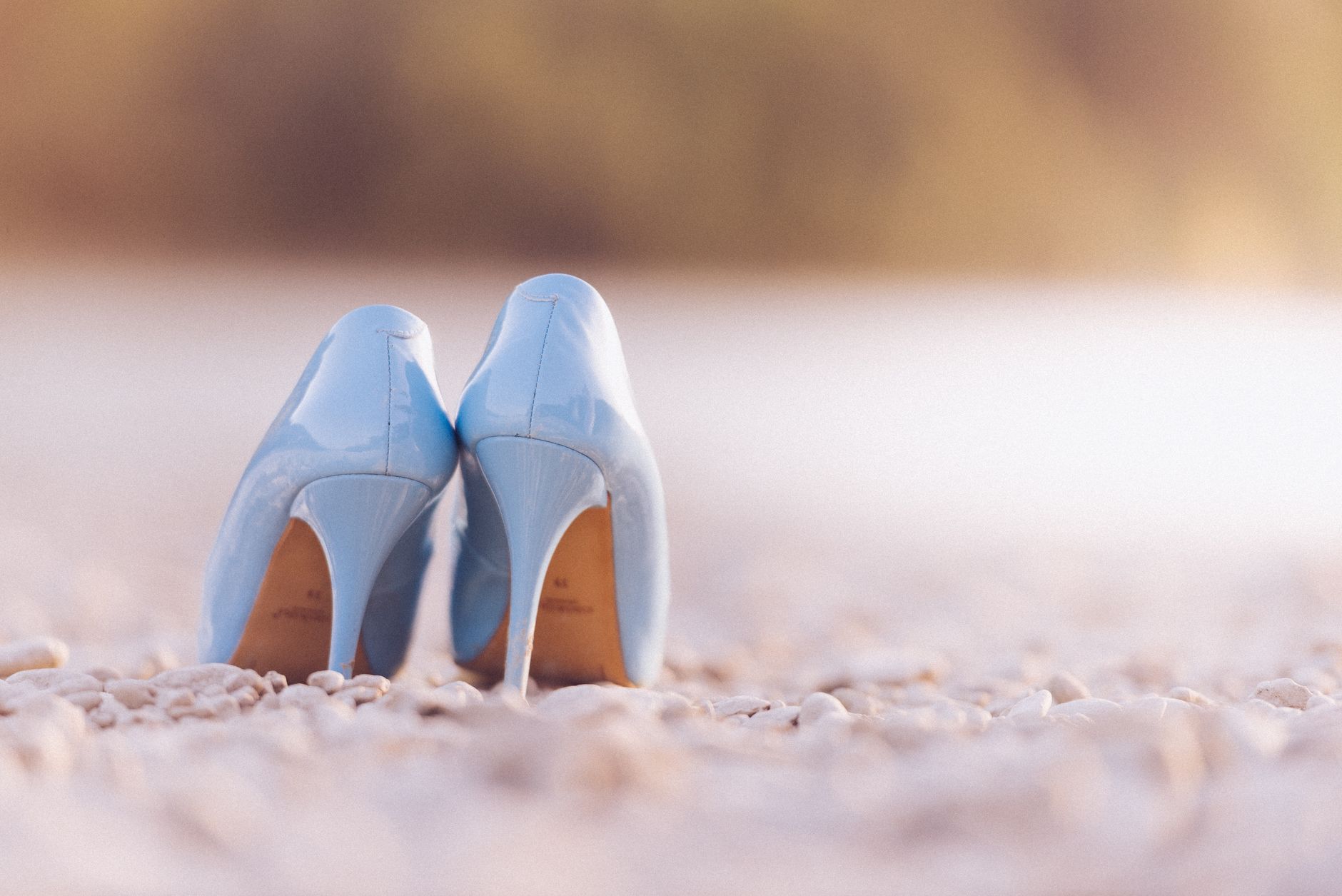
What the Sculpted Heel Actually Is
The sculpted heel covers a range of silhouettes: flared bases, curved columns, wide geometric blocks, hourglass forms, and molded platforms that sit somewhere between furniture and footwear. What unites them is mass. Where the stiletto narrows to a single aggressive point, the sculpted heel distributes weight across a deliberate shape – one that is meant to be noticed as a design element in its own right, not just a functional lift.
Brands across price points have been building out their sculpted offerings, from luxury houses producing heels in resin, lucite, and hand-carved wood, to contemporary labels offering flared kitten-heel mules and chunky square-toe pumps at accessible price points. The common thread is an interest in the heel as visual architecture – something that earns its presence on the shoe rather than receding from view.
This is not entirely new territory. The 1970s platform, the 1990s block heel, and the early 2000s kitten heel all represented moments when fashion stepped away from the stiletto’s dominance. What feels different now is the level of craft being applied to the base itself. Heels are being sculpted, cast, hand-finished, and treated with the same attention typically reserved for the upper. The shoe’s foundation has become its focal point.
Comfort is part of the story, but it is not the whole story. The sculpted heel is not simply a practical concession dressed up as fashion. A wide geometric base can be just as difficult to walk in as a narrow spike – the appeal is aesthetic, rooted in a growing appetite for statement footwear that reads as considered rather than simply daring.
Why the Stiletto Is Losing Ground
The stiletto built its cultural authority on a very specific set of associations: power, seduction, effort, pain worn as a badge. For decades, those associations made it the default dress shoe across formal and semi-formal contexts. To wear a stiletto was to signal that you understood the rules of feminine dressing and had chosen to play them fully. That logic still holds for some wearers, but a growing number are questioning whether those associations still serve them.
Fashion’s broader turn toward intentionality – choosing pieces that feel personal rather than obligatory – has created space for the sculpted heel to move in. A flared base or a cast-resin column reads as a choice, a deliberate aesthetic decision, rather than a default setting. There is confidence in that specificity. The sculpted heel does not ask to be worn for anyone but the wearer.
Runway signals over the past several seasons have been consistent. Designers working across high fashion and contemporary categories have been building collections where the heel is a narrative element, not a neutral finish. Sculptural footwear has appeared alongside tailored suiting, fluid evening wear, and even denim – contexts where the stiletto would previously have been the automatic answer.
Red carpet dressing has tracked the same shift. Celebrities and their stylists have been reaching for heels with visual weight and structural interest, pairing them with both minimalist column gowns and maximalist statement looks. A shoe with an architectural base can anchor an outfit or complicate it productively – and that versatility is part of why stylists have warmed to the form.
The woven leather flat has been gaining ground in casual contexts for similar reasons – a preference for footwear with craft credentials over footwear that simply fills a category slot. You can read more about that here. But where the flat conversation is largely about daywear, the sculpted heel is making its case in exactly the territory the stiletto has historically owned: evening, occasion, and elevated everyday dressing.
How to Wear It Now
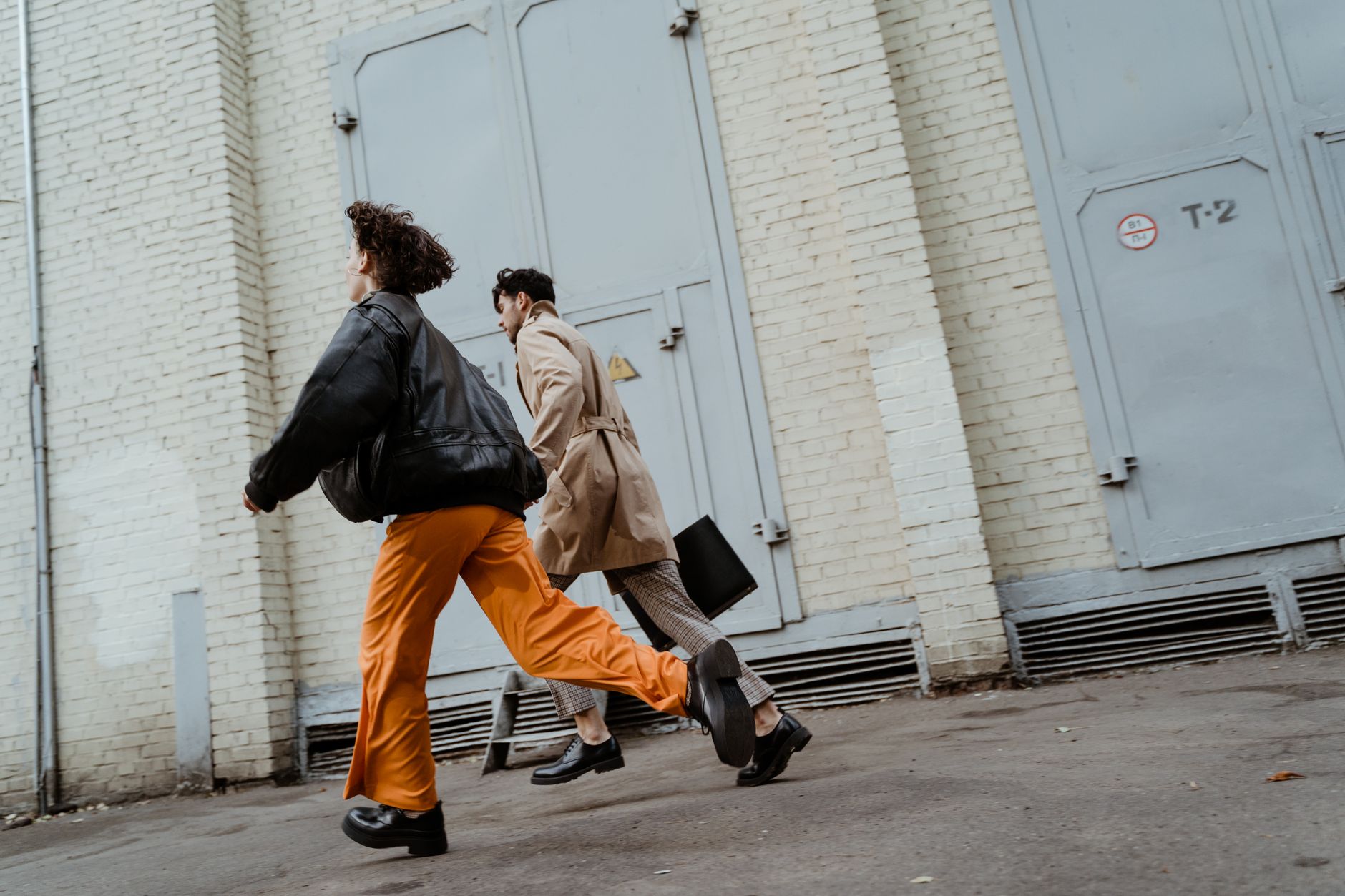
The most effective way to wear a sculpted heel is to treat it as the starting point rather than the finishing touch. Because the base carries visual weight, the rest of the outfit can afford to be quieter – a straight-leg trouser, a slip dress, a structured blazer. The shoe does the work without competing. Wide-leg pants that graze the top of the heel work particularly well, letting the silhouette of the base appear and disappear as the fabric moves.
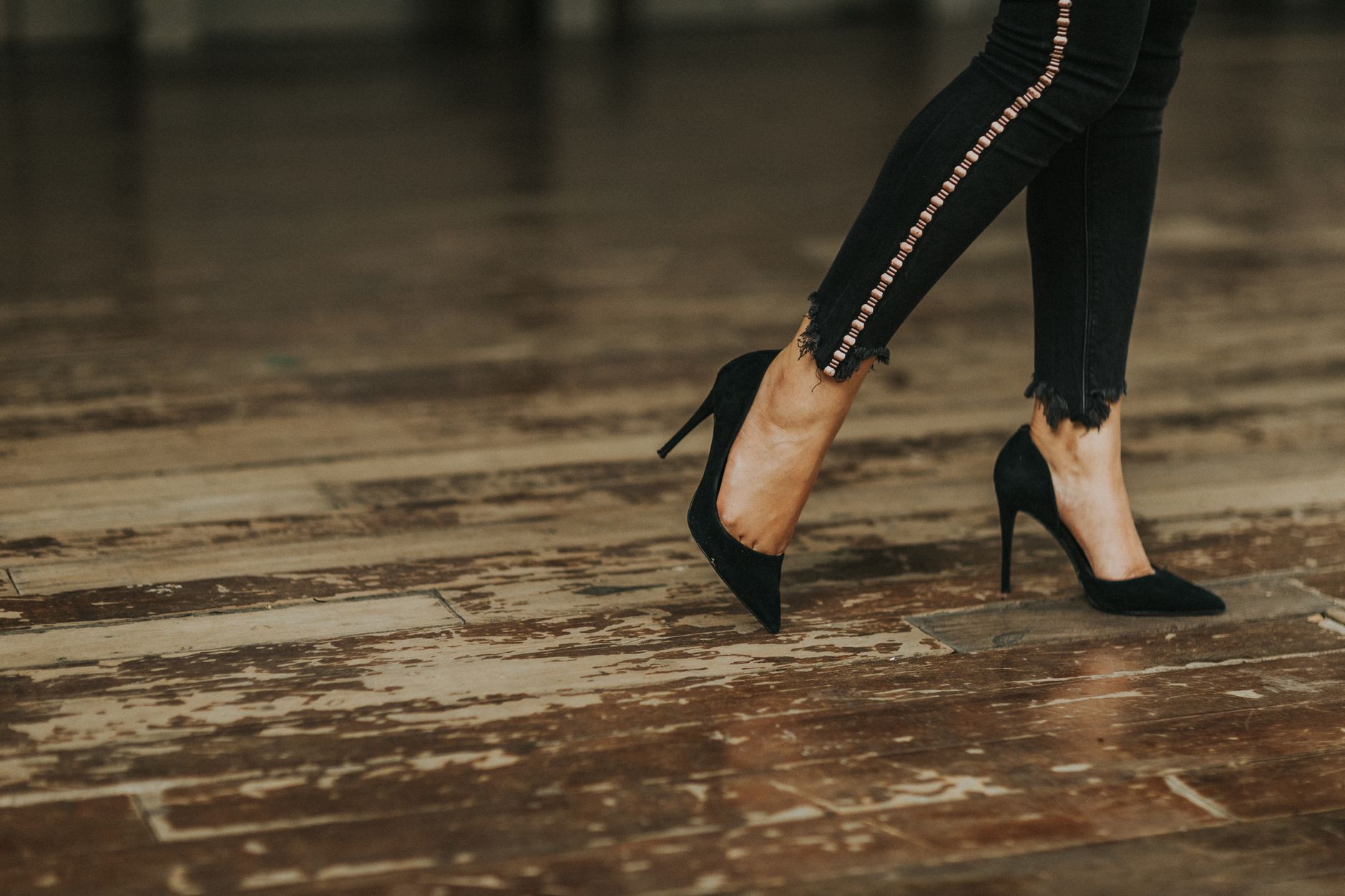
For those used to building outfits around the stiletto’s streamlining effect – the way it lengthens the leg, narrows the ankle, sharpens a look – the sculpted heel requires a small recalibration. It does not elongate in the same way. What it does instead is ground. And in a fashion moment that has largely moved on from the performative restlessness of the previous decade, that grounding quality is exactly what makes it feel right.