

The claw clip had a good run. For several years it dominated bathroom counters, street style galleries, and social media tutorials alike – a chaotic, effortless symbol of undone glamour. But a quieter accessory is steadily reclaiming shelf space: the grosgrain headband, ribbed and structured, borrowed from prep school hallways and now showing up on runways, editorial shoots, and the heads of women who used to swear by the clip.
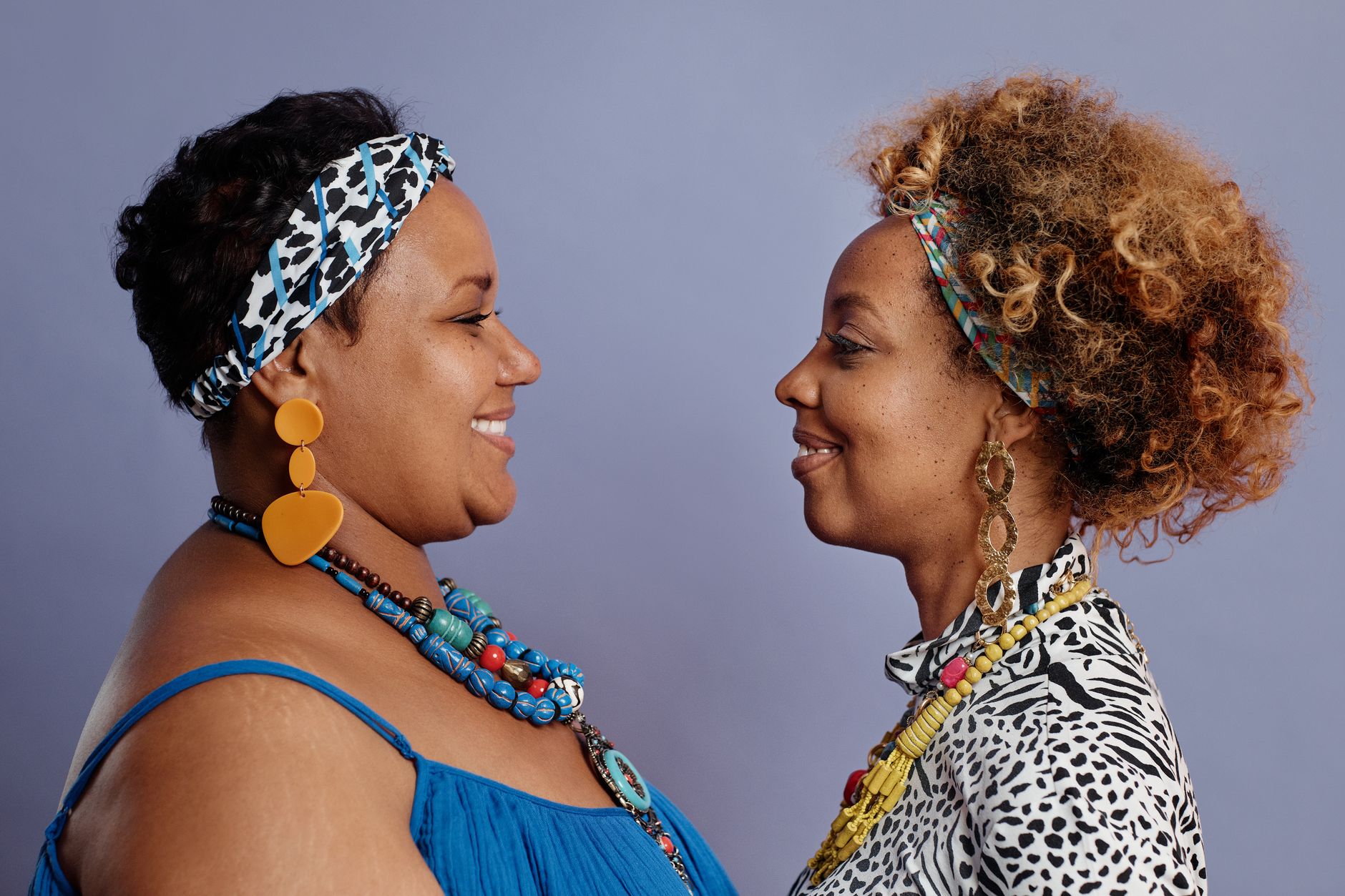
Why the Grosgrain Headband Is Having Its Moment
The grosgrain headband is not new. That is almost the point. Its origins are rooted in classic American sportswear and mid-century European style – a finishing touch associated with private school uniforms, Jackie Kennedy photographs, and the kind of quiet polish that never needed a trend cycle to justify itself. What is new is who is wearing it, and how.
Where the claw clip leaned into the beauty of imperfection – the messy half-up, the strategic chaos – the grosgrain headband asks for something different. It frames the face deliberately. It pulls hair back with intention. It signals that the rest of the outfit was also chosen carefully, even if it looks casual. The accessory functions almost like punctuation: a firm, clean period at the end of a sentence.
Runway presentations have played a notable role in pushing the headband back into the conversation. Several collections across ready-to-wear seasons have styled looks with structured fabric headbands, often in neutral tones – ivory, navy, chocolate brown – that complement rather than compete with the clothing. The styling choice reads less as costume and more as considered detail, which is precisely why it translates beyond the runway.
Social media’s role here is more nuanced than it was with the claw clip. The claw clip spread through tutorial culture – the 90-second video, the satisfying click of plastic, the instant transformation. The grosgrain headband is circulating differently: through outfit photos, through the resurgence of “old money” and “quiet luxury” aesthetics, through a general fatigue with accessories that read as trend items rather than wardrobe staples. It is gaining ground through association rather than instruction.
The Shift Away From Casual Hair Chaos
The claw clip’s appeal was always tied to a specific cultural mood – the embrace of effortlessness as an aesthetic value, the idea that a slightly undone look was more honest, more relatable, more modern than anything polished. That mood has not disappeared entirely, but it is competing now with a different appetite: for clothes and accessories that feel considered, that suggest the wearer thought about what they put on rather than grabbed something from the bathroom vanity.
Grosgrain fabric carries a lot of that coded meaning on its own. The tight, ribbed weave reads as quality in a way that a plastic hinge simply cannot. It photographs with texture. It holds its shape through a full day without stretching or slipping. For anyone who has lost a claw clip to a coat pocket or a gym bag, the headband’s reliability – once it fits, it stays – has a practical appeal that sits alongside the aesthetic one.
The silhouette of the grosgrain headband also works with current fashion directions in a way that the claw clip struggles to match. Tailored trousers, structured blazers, linen separates – these pieces are built around a cleaner line, and a headband maintains that line from head to hem. The claw clip, stacked up high or angled at the back of the skull, can fight against that visual coherence. The headband does not interrupt; it completes.
There is also a generational dimension worth acknowledging. The claw clip carried strong Gen Z energy – nostalgic, ironic, loud in its self-awareness. The grosgrain headband is being picked up by a wider age range, including women in their thirties and forties who are less interested in trend nostalgia and more interested in building a wardrobe that holds up over time. That broader appeal is one reason the shift feels less like a micro-trend and more like a genuine recalibration of taste.
What is striking is how little the grosgrain headband demands of the rest of the look. It does not require a specific hair length, a particular texture, or a styled-down aesthetic to work. Straight hair, curly hair, short hair – the headband adapts. The claw clip, for all its versatility in tutorials, tends to look best on a specific hair volume and length. The headband’s flexibility is part of why it is finding such a wide audience so quickly.
What Actually Makes an Accessory Stick
An accessory sustains cultural traction when it earns its place through function, not just feeling. The safety pin, the silk scarf, the pearl stud – these pieces survive trend cycles because they solve something or signal something that does not expire with the season. The grosgrain headband sits in that category. It is not fighting for attention; it is simply present, doing its job.
The claw clip is not disappearing. It will not vanish from bathrooms or beauty aisles, and it should not – it remains genuinely useful for anyone who needs a fast, secure hold. But the cultural conversation around it has cooled, and that space is being filled by something older, quieter, and considerably harder to argue with. The question now is whether the grosgrain headband becomes the claw clip’s successor or simply its parallel – a reminder that polish and ease do not have to be opposites, but that right now, a lot of women are choosing polish.