


The Bag Swap Nobody Announced
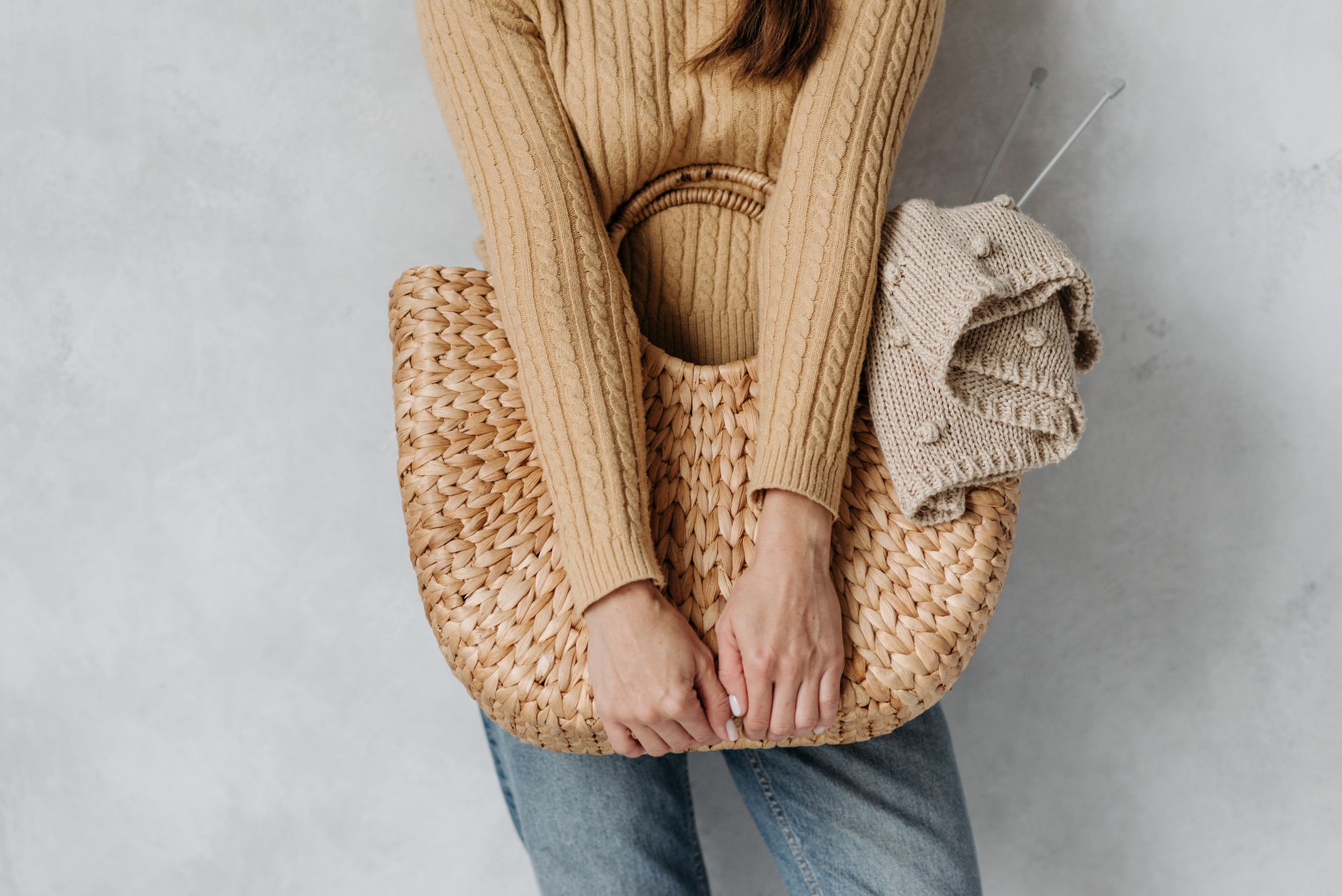
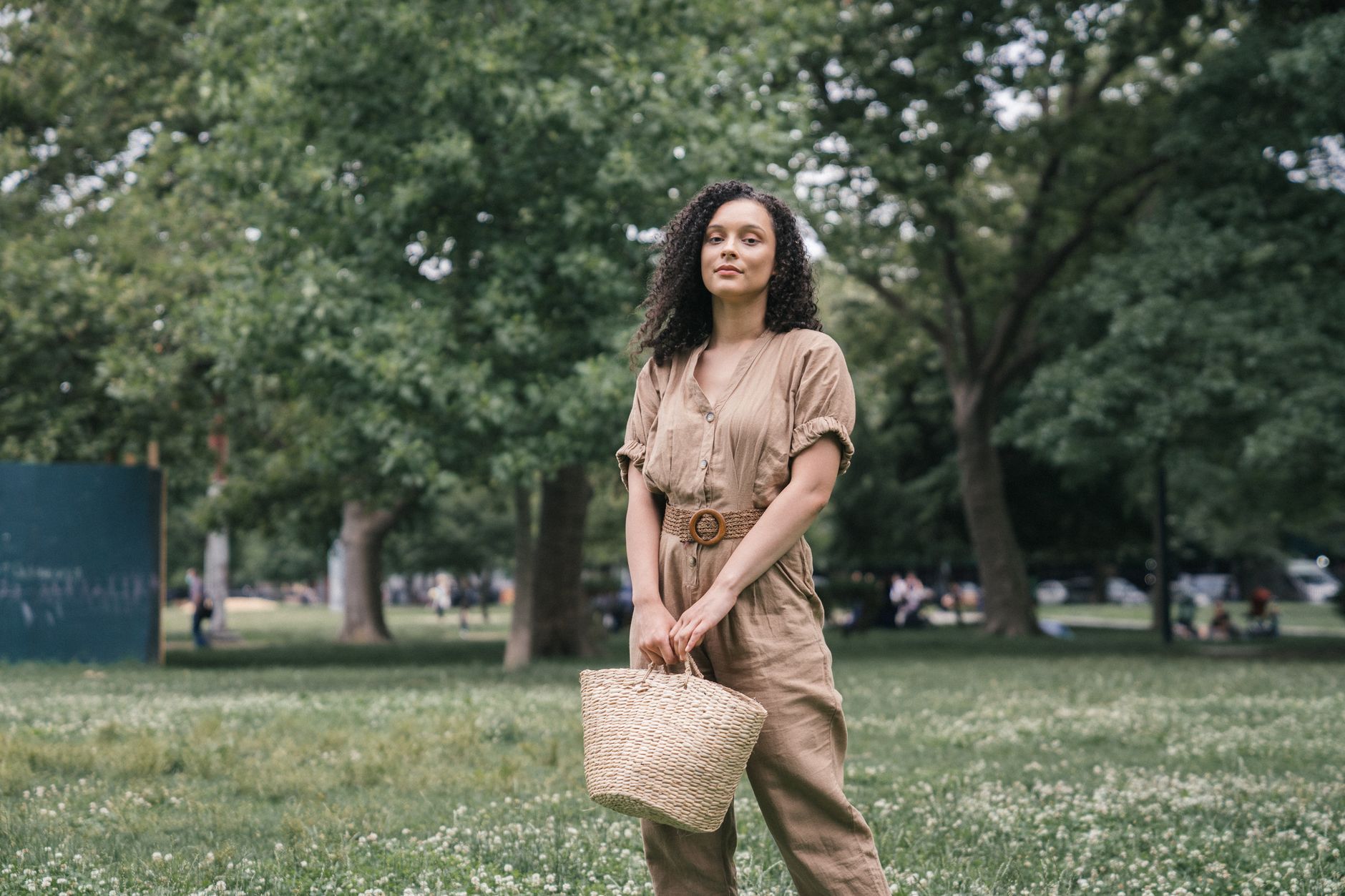
Woven straw bags had a long run as the default warm-weather carry. From market totes to structured top-handles, the category dominated resort collections and street style roundups for years, becoming so ubiquitous that even fast fashion could move them by the pallet. Now something quieter is taking that spot – not loudly, not with a campaign, but through a steady accumulation of editorial placements, runway appearances, and the specific kind of word-of-mouth that starts at sample sales and ends up in shopping guides.
The raffia clutch has been circling the periphery of the accessories conversation for a few seasons. What changed is that it stopped being a supporting detail – a textured accent tucked under an arm at a beach wedding – and started being the point. Designers who once reached for straw are now reaching for raffia, and the resulting bags carry a different energy entirely: more controlled, more considered, and significantly more versatile once the sun goes down.
What Raffia Actually Is, and Why It Reads Differently
Raffia comes from the leaves of the raffia palm, which is native to Madagascar and parts of sub-Saharan Africa. As a material, it is finer and more pliable than straw, which means craftspeople can work it into tighter weaves, embroidered patterns, and structured silhouettes that straw simply cannot hold. Straw has an inherent rigidity – useful for a beach tote that needs to stand upright, but limiting when a designer wants to create something with a tailored, evening-appropriate finish.
That distinction matters for how the bags photograph, how they wear across different occasions, and critically, how they survive a few seasons. A raffia clutch with a tight, hand-stitched weave holds its shape through the kind of casual abuse that would fray a straw handle within a summer. The material also accepts dye more readily, which is why raffia accessories tend to show up in dusty terracotta, deep olive, and pale ivory rather than the fixed natural-yellow that defines most straw options.
How the Clutch Format Changed the Conversation
The silhouette shift is just as important as the material shift. The woven straw bag, across most of its popular forms, has been a daytime object – a tote, a shopper, a bucket bag with rope handles. Its scale and structure said “farmer’s market” or “beach day,” which is perfectly fine until you want the same natural-material energy at dinner. The clutch format removes that problem entirely by collapsing the bag down to its most formal shape.
A raffia clutch held in one hand reads like an evening accessory. It pairs with a linen blazer the same way it pairs with a silk slip dress, which is an unusual degree of flexibility for something made from plant fiber. That crossover capability is exactly what drives accessories trends – not novelty for its own sake, but a practical expansion of what a piece can do.
The clutch format also photographs better in close editorial contexts. Fashion coverage increasingly lives in tightly cropped social content, and a small, intricate raffia clutch with an interesting weave or embroidered detail reads far more clearly in a square frame than a large straw tote held at arm’s length. The visual logic of the medium is quietly shaping which bags get attention, and the raffia clutch is well-suited to that format.
Some designers are pushing the clutch further by adding metal frame openings, lacquered wooden clasps, and contrast-stitched edges – all details that would look incongruous on a straw tote but feel completely natural on raffia. The material seems to invite embellishment in a way that straw, with its casual connotations, resists.
Where Straw Bags Still Win
None of this means the woven straw bag is gone. For beach and resort contexts, it remains the more practical choice – larger, easier to clean (or accept as disposable), and immediately legible as warm-weather dressing. There is also a certain unself-conscious ease to a straw tote that a raffia clutch, with its more deliberate construction, cannot fully replicate. The straw bag says “I grabbed this on the way out.” The raffia clutch says “I chose this.”
That difference in register is what makes the two feel less interchangeable than they might initially appear. They overlap in material category but not in occasion or attitude. Straw stays dominant where ease is the message. Raffia wins where the occasion requires a bit more intention – a dinner reservation, a gallery opening, a summer wedding where you want natural texture without looking like you forgot the dress code.
The Styling Logic Behind the Switch
The broader styling shift toward quieter, more tactile dressing is what gave the raffia clutch its opening. As fashion moved away from logo-heavy accessories and toward pieces defined by craft and material quality, the category that benefits most is handmade natural-fiber goods – which raffia, with its visible weave and artisanal production associations, represents well.
The clutch format also benefits from the current silhouette preferences in women’s fashion. Wider-leg trousers, voluminous linen separates, and relaxed blazers all create outfits where a large bag competes with the clothing. A small, flat clutch disappears into the look without fighting it, which is an advantage in a moment when restraint is being treated as sophistication rather than minimalism for its own sake.
Pricing tells part of the story too. A well-made raffia clutch from an independent artisan or a smaller accessories label sits at a price point that feels considered without being inaccessible – typically less than a comparable leather clutch from a heritage brand, but more than a mass-market straw tote. That middle positioning makes it easy for people to justify as both a fashion purchase and a practical one, which is the ideal commercial logic for an accessories trend to sustain itself past a single season. The question is whether the clutch format can hold the category’s attention long enough to fully displace the straw tote in the cultural shorthand for summer dressing, or whether both simply end up coexisting as expressions of the same material impulse with different moods attached.
Frequently Asked Questions
What is the difference between raffia and straw bags?
Raffia is finer and more pliable than straw, allowing for tighter weaves and structured shapes. Straw is more rigid and better suited to large, casual totes.
Can a raffia clutch be worn for evening occasions?
Yes. The clutch silhouette and refined weave of raffia make it appropriate for evening dressing, unlike most straw totes which read as strictly daytime accessories.