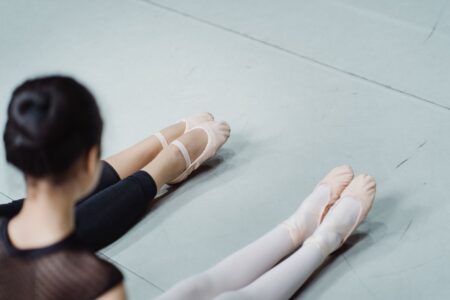



The pointed-toe flat had a long run. For most of the past decade, it served as the default answer to every outfit question – polished enough for the office, sleek enough for dinner, inoffensive enough to wear everywhere. Now, something is quietly replacing it in shoe rotations across the fashion-conscious set: the Mary Jane pump.
Not the chunky-soled school-girl version that dominated the mid-2000s, and not the ballet flat hybrid that blurred the category for a while. This is a proper pump – a defined heel, a rounded or slightly squared toe, and that single strap across the instep. It reads grown-up and considered, but with a softness that the pointed toe has always lacked.
Why the Pointed-Toe Flat Is Losing Ground
The pointed-toe flat thrived on minimalism. It was the shoe version of a clean Instagram grid – simple, edited, easy to replicate. But that very quality has started to feel exhausting. After years of pared-back dressing, there is a visible appetite for details that mean something, for silhouettes that have a point of view beyond just “streamlined.”
The pointed toe also creates a visual tension with the rounded and relaxed shapes that have taken over in ready-to-wear. Wide-leg trousers, boxy blazers, voluminous skirts – none of these read particularly well with a sharp toe cutting out from underneath. The proportions feel off in a way that was easier to ignore when everything else was also narrow and structured.
There is a comfort argument, too. The pointed-toe flat compresses the forefoot in a way that most people tolerate rather than enjoy. It works when the outfit requires a certain sharpness. When that sharpness is no longer the goal, the shoe loses its main justification. The Mary Jane pump, by contrast, allows a more natural toe box while still delivering shape and intention through its heel and strap.
The Mary Jane’s Slow Comeback
This is not a sudden reversal. The Mary Jane has been rebuilding momentum for a few seasons, moving from directional runway pieces to high-street staples without a single definitive moment that announced its return. That gradual process is precisely why it has staying power – it wasn’t pushed as a trend, it was adopted as a preference.
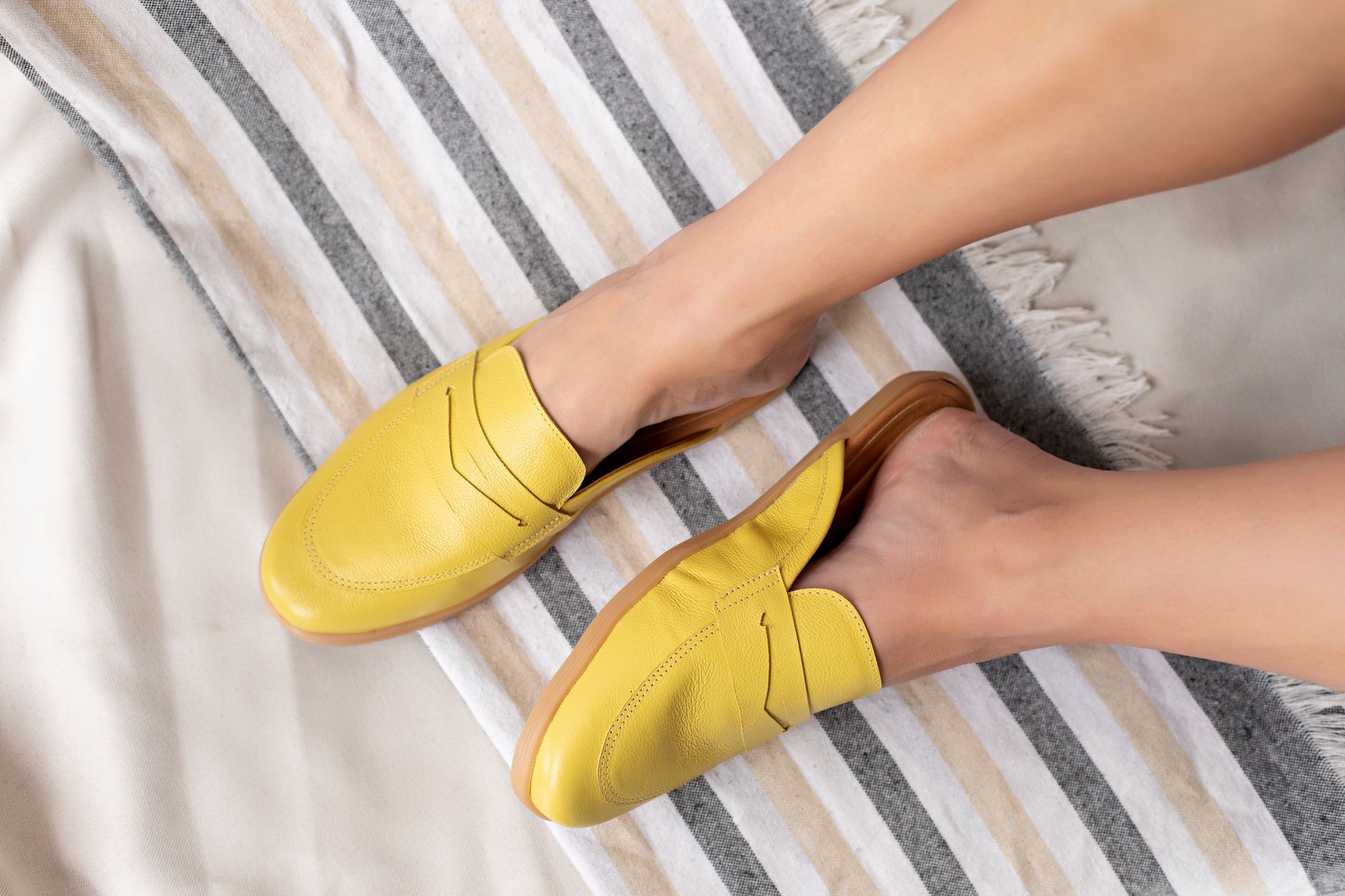
The strap is the detail that makes the difference. It keeps the shoe on the foot without the pinching of a slingback, and it adds a visual element that the flat simply cannot offer. It is also inherently nostalgic without being costume-y, referencing schoolgirl dressing and mid-century femininity in a way that feels flattering rather than ironic.
How It Works Across the Wardrobe
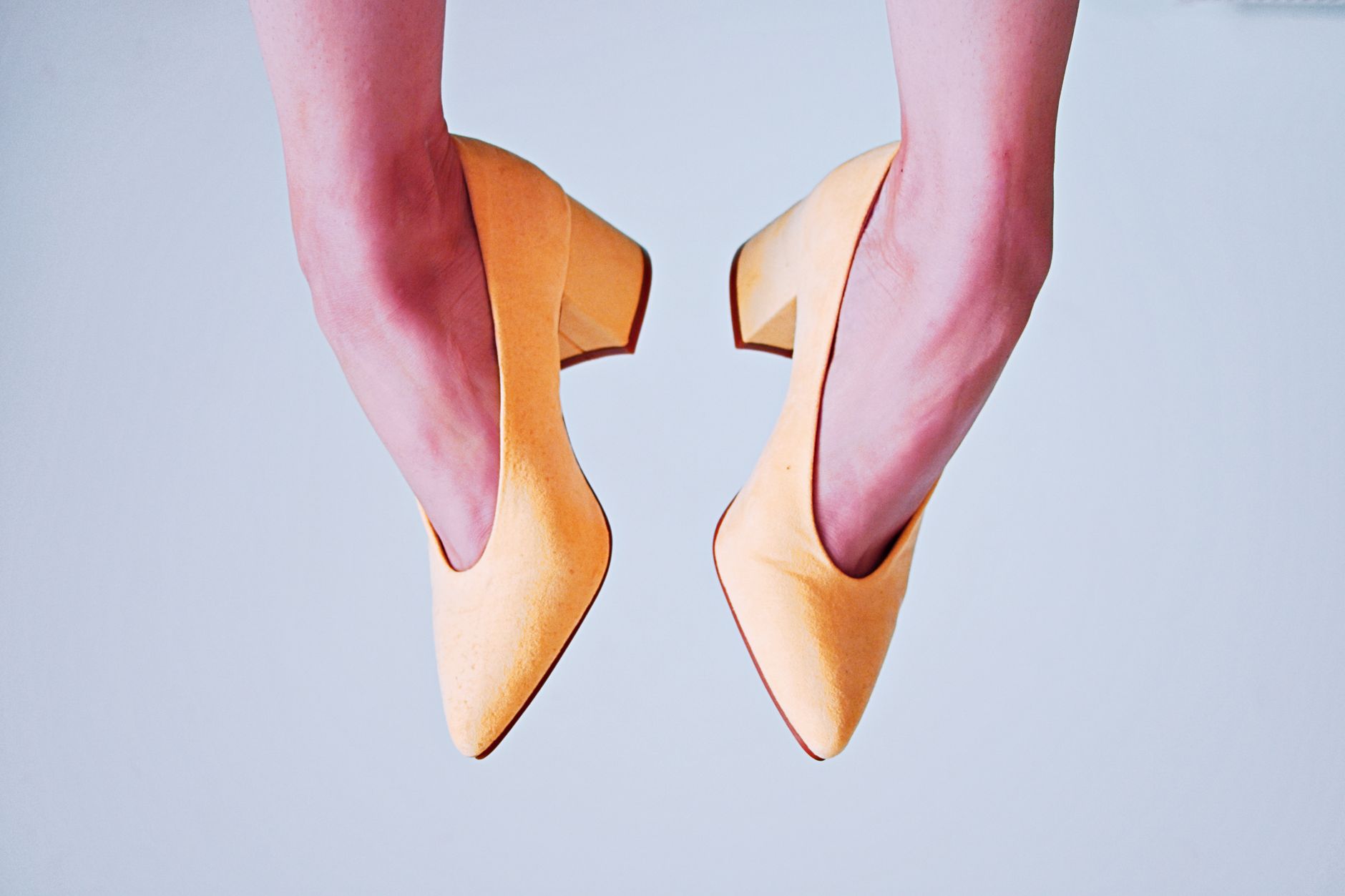
The Mary Jane pump’s most useful quality is its range. A low kitten-heel version in black leather works with tailoring in a way that would once have been reserved for the pointed flat – but with noticeably more character. Paired with wide trousers, it anchors the look without fighting the volume. Paired with a midi skirt, it creates a proportional balance that feels intentional rather than accidental.
Where the format gets more interesting is in the mid-heel range. A 60-to-70-millimeter block heel with a Mary Jane strap becomes the kind of shoe that works all day without performance – walking distances, sitting through meetings, standing at events. The strap prevents the forward sliding that makes regular pumps uncomfortable after an hour, and the rounded toe box eliminates the compression problem entirely. This is practical functionality dressed up as aesthetic choice, which is the best possible outcome for footwear.
Color is having a moment in this silhouette in a way it rarely does with the pointed flat. Burgundy, chocolate brown, ivory, dusty rose – all of these land better on a rounded Mary Jane than on a sharp toe, because the softer shape carries softer color more naturally. The same shoe in camel or tan reads almost neutral while still feeling considered. This versatility is partly why the Mary Jane is showing up at price points from accessible high street to investment designer, which is usually a reliable signal that a silhouette has moved past trend status into something more durable.
What the Mary Jane pump does not do is disappear into an outfit the way the pointed flat was trained to do. It makes itself known – gently, but deliberately. For anyone still committed to the pointed-toe flat as an invisibility trick, that visibility is the real obstacle. The shoe asks to be seen, and that requires a certain willingness to let footwear carry weight in a look rather than simply support it. That shift in attitude, more than any specific styling formula, is what separates the two camps right now.
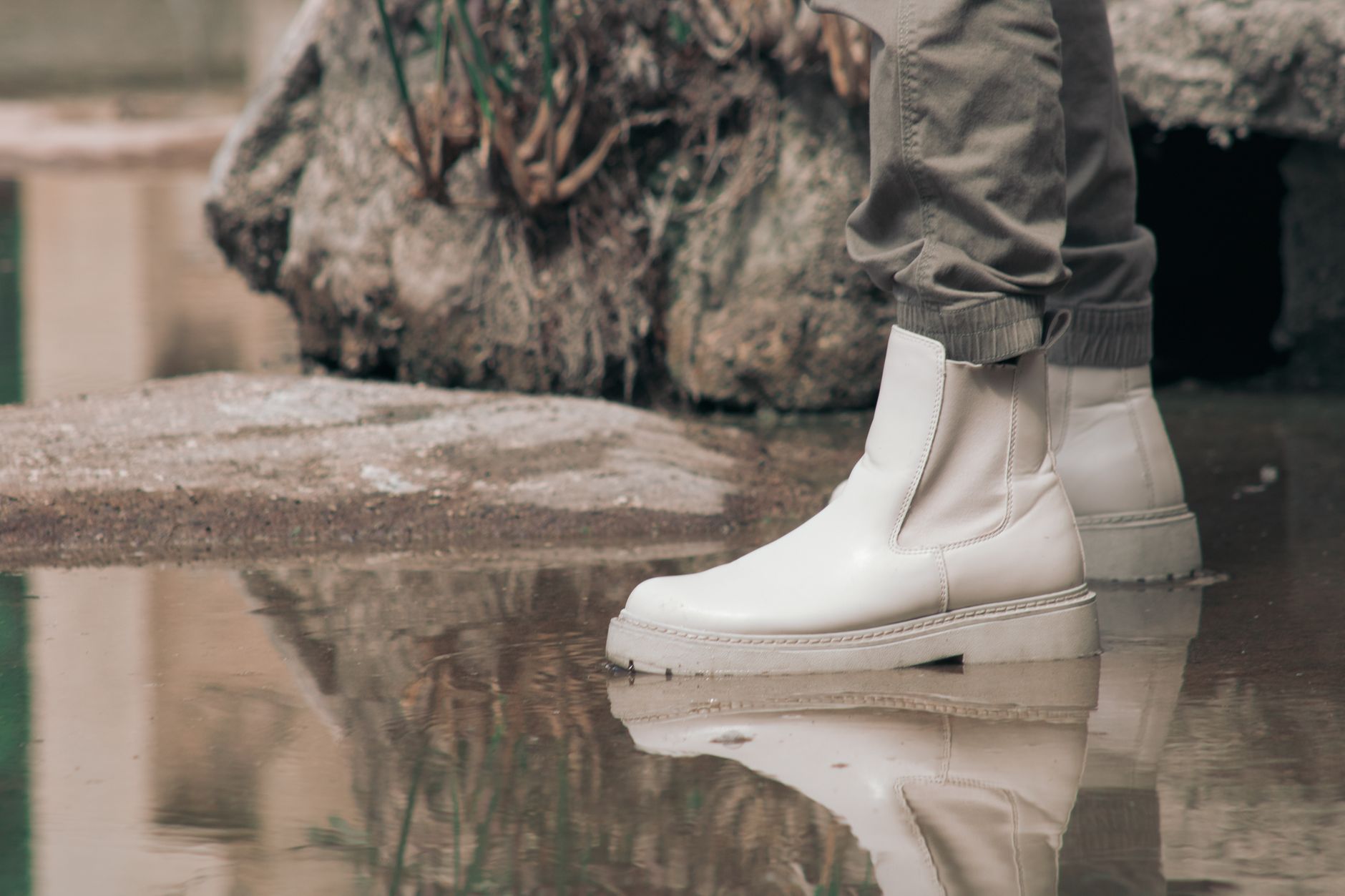
The pointed-toe flat will not vanish. There are closets where it still makes complete sense, and outfit situations where nothing replaces it. But the default status it held for so long – the “when in doubt” choice, the shoe that required no decision-making – that is already gone. The Mary Jane pump has taken that position, and it is wearing it well.