


The woven leather ballet flat had a good run. For several seasons it sat comfortably at the intersection of practicality and quiet luxury – textured enough to feel considered, flat enough to feel modern. But something has shifted on the floors of boutiques and in the scroll of street style accounts: the mesh ballet flat is moving in, and it is doing so without much noise.
This is not a dramatic dethroning. It is the kind of slow substitution that fashion does best – one silhouette retiring to the back of the wardrobe while another takes up the same physical and stylistic space. The woven leather flat is not gone. But it is no longer the first thing reaching for.
Why Mesh, Why Now
Mesh footwear carries a specific visual logic that woven leather cannot replicate. Where woven leather reads as structured and artisanal – a shoe that takes craft seriously – mesh reads as airy, almost ephemeral. It sits closer to hosiery than to traditional shoe construction, which gives it an unusual ability to disappear against the foot rather than announce itself. That near-invisibility is exactly what the current moment in footwear is drawn to.
The appetite for shoes that elongate the leg without adding visual weight has been building across multiple categories. Sheer panels appeared in trainers, pointed flats went translucent at the toe box, and strappy sandals got thinner and thinner. The mesh ballet flat is a logical endpoint of that direction – maximum coverage with minimum visual bulk. It works in the same register as the broderie anglaise flat, another style defined by its lightness and its relationship to negative space, but mesh pushes the concept further into genuine transparency.
What It Actually Looks Like on the Foot
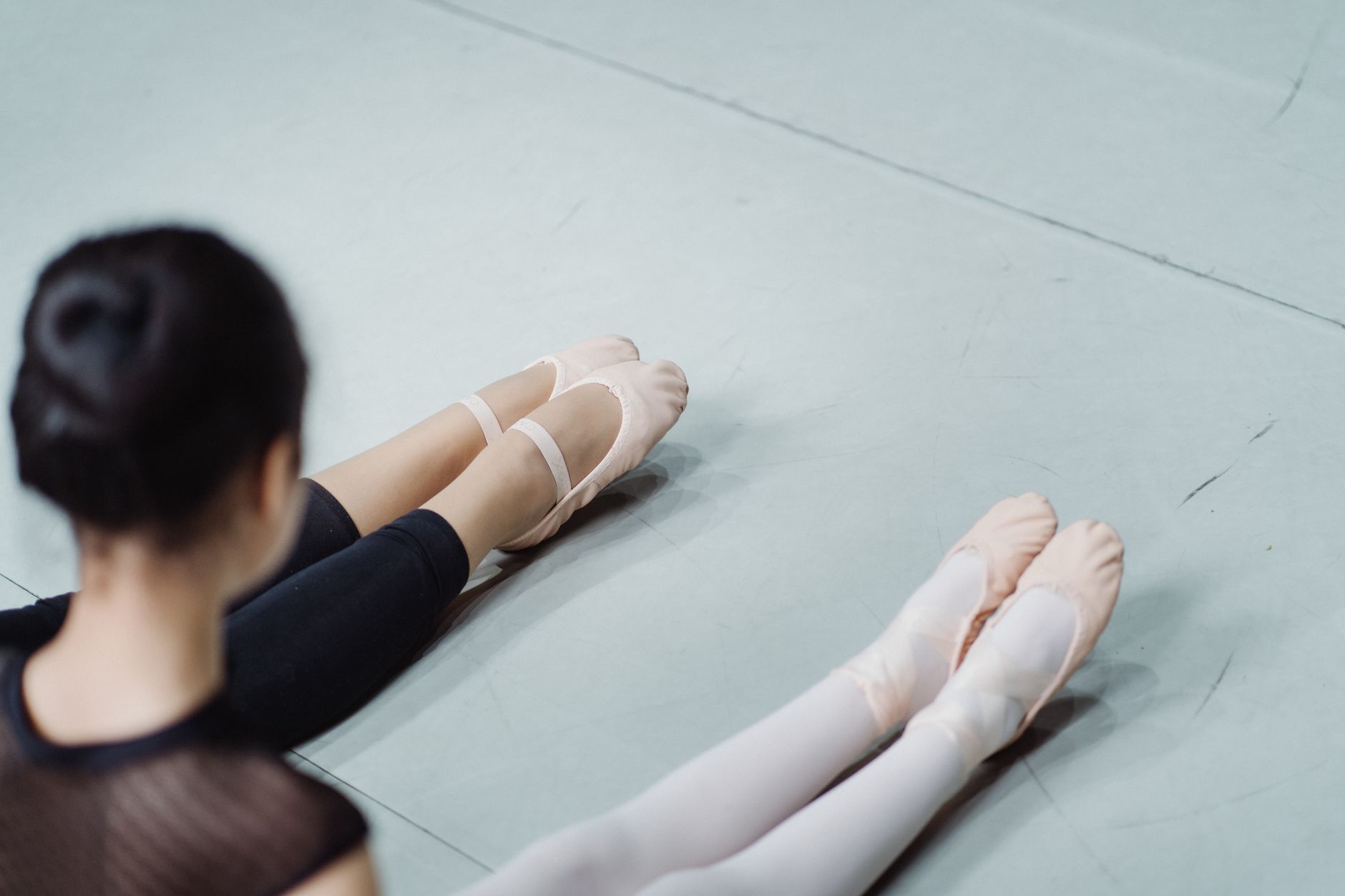
The best versions of the mesh ballet flat are built on the same last as a classic ballet pump – rounded toe, low vamp, thin sole – but the upper is constructed from fine knit or woven mesh rather than any solid material. Some styles layer the mesh over a thin leather or cotton lining, so the shoe retains its shape but the surface still breathes and catches light. Others are fully sheer, worn over bare skin or over fine ankle socks, which creates an entirely different effect.
Worn over bare skin, a sheer mesh flat reads as sophisticated and slightly body-conscious, the kind of shoe that suits a bias-cut slip dress or a tailored trouser with a narrow hem. Worn over a white cotton sock, the same shoe shifts register entirely – it becomes playful, almost retro, gesturing toward ballet aesthetics without going full leotard-and-tights. That versatility is part of what makes the style interesting: it can serve multiple dressing modes without the shoe itself changing.
Color plays differently in mesh than in solid leather. Black mesh reads as more delicate and lacy than black leather, which can veer toward severity. Nude or skin-tone mesh on the foot creates a near-barefoot effect even when the temperature does not allow for actual bare feet. And embellished versions – mesh uppers scattered with small rhinestones or seed pearls – carry the decoration without the weight that embellished leather would impose. The material is doing a lot of work beyond simple aesthetics.
The woven leather flat, by contrast, always had a slightly artisanal, Capri-summer connotation. It referenced handcraft, Mediterranean vacation dressing, the kind of flat you might buy in a small leather goods shop on a cobblestone side street. That reference is lovely, but it is also limiting. The mesh flat has no such geographic or cultural anchor. It is harder to place, which makes it easier to style across a wider range of wardrobes.
The Texture Trade-Off
There is one genuine trade-off in choosing mesh over woven leather: durability and weather resistance. Woven leather holds its shape across seasons, resists light moisture reasonably well, and develops a patina that most wearers find appealing. Mesh is more delicate. Depending on the construction, fine mesh can snag, pull, or lose its structure over time in a way that a well-made leather shoe simply will not. A mesh flat is, in some ways, more of a seasonal investment than a long-term wardrobe anchor.
That said, the fashion market is increasingly comfortable with seasonally specific pieces – shoes bought for spring and summer that earn their cost across four months of heavy wear rather than across multiple years. The mesh flat fits neatly into that model. And as construction methods improve, with some brands reinforcing mesh uppers with bonded linings or using more durable synthetic mesh rather than fine natural fibers, the longevity gap between the two styles is narrowing.

How to Wear It This Season
The strongest pairings for the mesh ballet flat lean into the shoe’s inherent delicacy rather than fighting it. Wide-leg trousers in linen or cotton are a natural fit – the airiness of the shoe balances the volume of the trouser without competing with it. Midi skirts in floaty fabrics, whether pleated chiffon or lightweight georgette, work on the same principle. The shoe does not interrupt the flow of the fabric because it barely registers as a solid object.
Where the woven leather flat often looked best with something more structured – a cigarette trouser, a tailored shift dress, an outfit that matched its artisanal weight – the mesh flat is more permissive. It can handle both the structured and the floaty without pulling the look in one specific direction. That neutrality is its quiet strength. And the sock question remains genuinely open: bare foot gives polish, thin cotton sock gives personality, and sheer ankle sock lands somewhere between the two in a way that the woven leather flat never quite managed to accommodate with the same ease.
The real signal that mesh is moving in will come from which version of the shoe starts appearing in the edit-down moments – the outfits that are intentionally spare and considered, where every element is there because it earns its place. Woven leather earned that placement for several seasons. The mesh flat is currently making the same case, and the case is fairly strong.
Frequently Asked Questions
What is a mesh ballet flat?
A ballet flat with an upper made from fine knit or woven mesh rather than solid leather, creating a lightweight, semi-transparent effect on the foot.
Can you wear mesh ballet flats in cooler weather?
They are best suited to spring and summer, though wearing them over fine ankle socks extends their seasonal range slightly.