

The Flat Shoe Hierarchy Is Shifting
Every few seasons, one warm-weather shoe quietly loses its grip on the fashion conversation – not through any dramatic fall from grace, but simply because something else starts showing up more. That something, right now, is the raffia ballet flat. Woven, lightweight, and landing somewhere between resort wear and everyday dressing, it has been appearing on street style feeds, in summer lookbooks, and in the kind of boutique edit that signals a trend moving from runway curiosity to actual wardrobe staple.
The jute sandal is not gone. It still exists in plenty of summer closets and still reads as reliably “seasonal.” But it has started to feel like a known quantity – the shoe you already own, the one that does the job without generating any interest. The raffia flat, by contrast, carries a sense of novelty that the sandal has lost, and that novelty is doing a lot of work right now.
Why Raffia, and Why Now
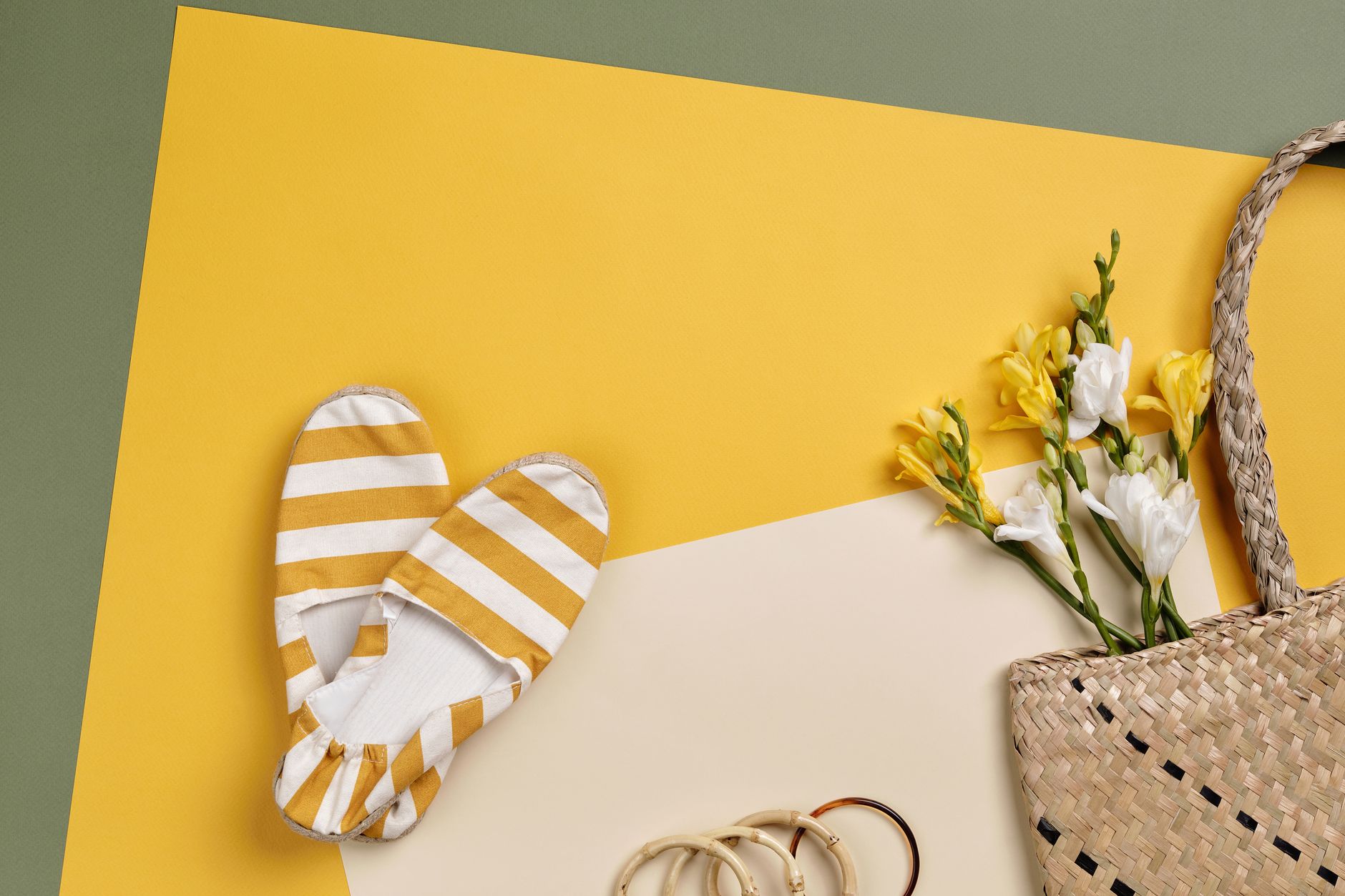
Raffia as a material has been circulating through accessories for several seasons – bags first, then hats, and now, with some momentum behind it, shoes. The move into ballet flat silhouettes specifically makes sense because the flat is having its own extended moment. The silhouette reads as both relaxed and put-together, which is exactly the register that dominates warm-weather dressing at the moment. Pairing that silhouette with raffia creates something that feels more considered than a sandal without requiring the effort of a heel.
There is also a tactile and visual appeal to raffia that synthetic alternatives cannot replicate. The material has natural variation in tone and texture – no two pairs look exactly alike – which gives it an artisanal quality that appeals to shoppers increasingly skeptical of mass-produced uniformity. A raffia flat reads handmade even when it is not, and that perception carries weight in the current market.
Color plays a role too. Raffia’s natural palette sits in the warm neutrals – honey, wheat, sand – that happen to align with where summer color stories are going. It does not need to be dyed to feel current. That built-in color compatibility makes it easy to style, easy to photograph, and easy to sell, which is a combination that accelerates adoption faster than almost any other factor.
What the Jute Sandal Lost
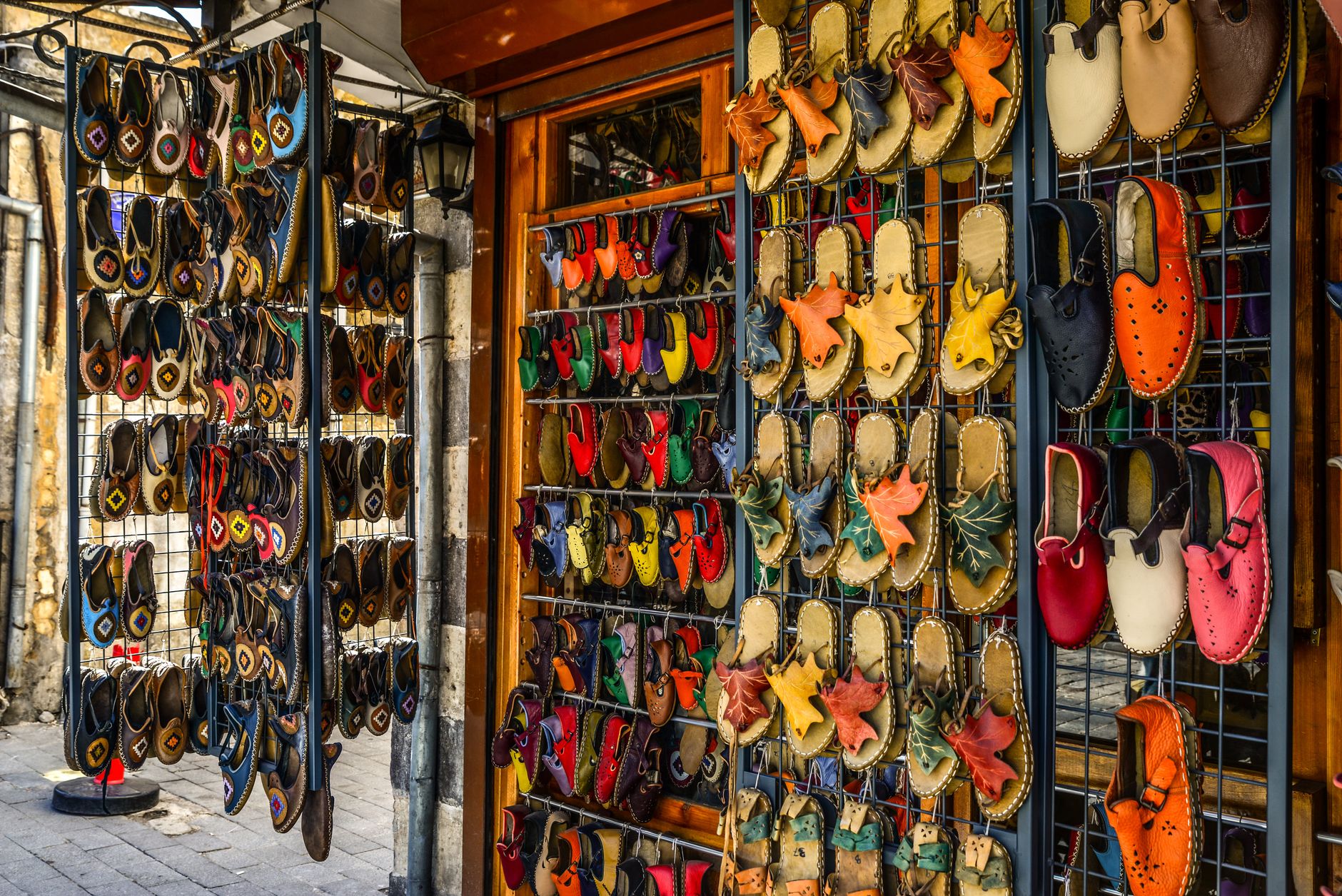
The jute sandal dominated for good reasons. It was affordable, widely available, and summer-appropriate without requiring any thought. Espadrille-adjacent styles made it feel connected to a Mediterranean aesthetic that fashion cycles back to reliably. But reliability eventually becomes its own problem. The jute sandal became so familiar that it stopped registering as a choice – it became a default, which is the stage that precedes being replaced.
There is also a construction issue that the raffia flat quietly sidesteps. Jute sandals, especially open-toe espadrille styles, have a ceiling in terms of where they can be worn. They do not work well in unpredictable weather, they can look too casual for certain occasions, and the rope sole aesthetic has a very specific visual signature that limits outfit combinations. The closed-toe raffia flat is more versatile by structure alone, which gives it access to more of the wardrobe.
The Styling Logic Behind the Switch
Ballet flats in general have proven easier to integrate into full outfits than open sandals because they function more like a proper shoe. The foot is covered, the silhouette is clean, and the shoe does not compete with pedicures, ankle jewelry, or bare skin for visual attention. With raffia as the material, that same logic applies, but the shoe now also reads as seasonally appropriate rather than year-round and therefore out of place in a summer context.
The combinations being styled around the raffia flat are broad. Wide-leg linen trousers, midi skirts, tailored shorts, even relaxed suiting – the flat anchors all of them without looking like an afterthought. The broderie anglaise bag trend running parallel to this one suggests that the appetite for natural-material accessories with an artisanal edge is not isolated to shoes. It is a direction, not a single item story.
What makes the shift particularly durable is that the raffia flat is not positioned as a trend piece in the way a statement sandal might be. It does not ask for attention the way a platform or an embellished heel does. It slides into an outfit and makes it feel more complete without announcing itself, which is the behavior of a shoe that earns long-term wardrobe loyalty rather than a single-season appearance.
The one tension worth watching is price. Raffia flats made with quality construction and natural materials tend to cost more than a basic jute sandal, and that gap matters in a market where shoppers are weighing value more carefully. If the category scales into lower price points without losing the material quality that makes raffia appealing in the first place, the jute sandal’s remaining audience shrinks considerably. If it stays premium, the two shoes may end up serving different buyers rather than competing directly – which raises the question of whether this is a displacement story at all, or simply a divergence.