


The pointed-toe mule had a good run. Flat, sharp, endlessly versatile – it became the default shoe of the past few seasons, appearing on everyone from off-duty models to office workers navigating cobblestones. But something quieter, and frankly more interesting, is taking its place on the racks and the runways.
The Return of the Kitten Heel – But Not as You Knew It
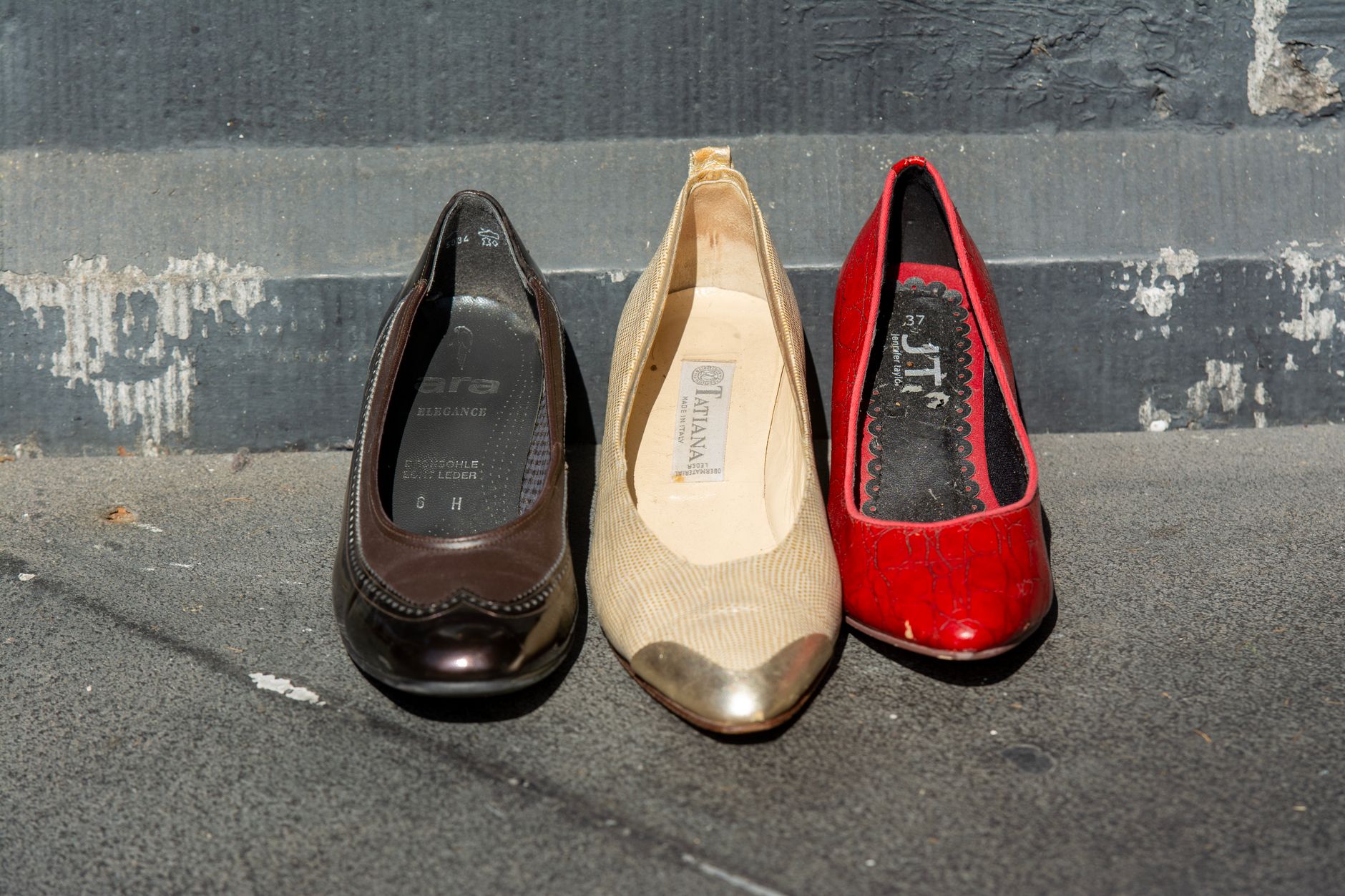
The kitten heel D’Orsay is a specific silhouette: a low, slender heel – typically between one and two inches – paired with an open side cut that exposes the arch of the foot. It is simultaneously demure and precise. Where the pointed-toe mule reads as effortless and slightly underdone, the D’Orsay heel carries a kind of intentional femininity that feels less reactive and more considered.
Kitten heels spent most of the 2010s in exile. They were coded as frumpy, dated, or worse – safe. The fashion consensus at the time demanded either a dramatic stiletto or a flat with strong architectural lines. Anything in between was treated as an aesthetic compromise. That reputation is now being actively dismantled, partly because the women who dismissed kitten heels a decade ago are wearing them without apology.
The D’Orsay shape is doing a lot of the reputational heavy lifting here. The cutout side panel creates a visual negative space that gives the shoe a sculptural quality the mule simply cannot replicate. On the foot, the exposed arch reads as sophisticated rather than casual, which shifts the D’Orsay into territory the mule was never really built for – eveningwear, tailored suiting, occasion dressing – without sacrificing the slip-on ease that made the mule so popular to begin with.
Street style photography from recent fashion weeks has shown the D’Orsay pairing with everything from wide-leg trousers to midi skirts to oversized blazer dresses. It is not being styled as a retro reference. It is being worn as the obvious shoe choice, which is exactly how a trend consolidates into something lasting.
Why the Mule Is Losing Ground
The pointed-toe mule’s decline is less about the shoe itself and more about saturation. When a silhouette becomes ubiquitous enough to appear in every fast-fashion retailer’s window display simultaneously, its cultural currency depreciates fast. The mule is not going anywhere – it is too functional and too broadly flattering to disappear entirely – but its position as the shoe that signals taste has weakened considerably.
The D’Orsay kitten heel fills that gap precisely because it requires more commitment. It is harder to style well. The open side panel means the shoe sits differently depending on how narrow or wide the foot is, and the low heel demands a more deliberate approach to proportion. A pair of straight-leg jeans that looks sharp with a mule can look entirely wrong with a D’Orsay if the trouser length is off. That added complexity is, counterintuitively, part of the appeal.
There is also a comfort argument that is impossible to ignore. The kitten heel reintroduces elevation without the physical toll of a stiletto or block heel. For anyone who spent the pandemic years in sneakers and flats, the return to heeled footwear has been incremental and cautious. A two-inch kitten heel is a reasonable re-entry point – it offers the posture change and the visual lengthening effect of a heel without requiring the wearer to renegotiate her entire relationship with pain tolerance.
Colourways are also playing a role in the D’Orsay’s current momentum. While the mule became strongly associated with neutral tones – bone, tan, black – the D’Orsay is appearing in unexpected finishes: satin, patent leather in deep jewel tones, two-tone leather combinations, and metallic suedes. The silhouette is versatile enough to absorb bolder material choices without looking overwrought. A pointed-toe mule in cobalt satin reads as a statement shoe. The same cobalt on a D’Orsay kitten heel reads as refined.
Luxury footwear labels have taken note. A growing number of collections are featuring the D’Orsay as a key silhouette rather than a side offering, and the style is appearing in editorial layouts that would have defaulted to the mule or a strappy sandal two seasons ago. When editors start building looks around a shoe rather than finishing looks with it, that is a reliable signal the shoe has moved from trend to preference.
What This Means for How Women Are Dressing Now
The shift toward the D’Orsay kitten heel is connected to a broader appetite for dressing that is considered without being precious. The same instinct that has pushed the cargo skirt past the utility trouser is visible in footwear: women are choosing pieces that look specific rather than generic, without sacrificing practicality entirely. The D’Orsay kitten heel is the shoe version of that decision – more structured than a flat, more wearable than a high heel, and visually distinct enough to register as a choice.
What the D’Orsay kitten heel cannot do – at least not yet – is fully replace the mule in casual contexts. A Sunday market, a school run, a quick lunch: these remain mule territory. The D’Orsay earns its place in moments when the wearer wants the outfit to read as assembled. Whether that distinction holds as the silhouette becomes more widely available, and whether it can maintain its current association with intention rather than accessibility, is the only real question worth asking.