


The Chino’s Long Reign Is Getting a Challenge
The relaxed chino has occupied a particular corner of the wardrobe for decades – useful, unassuming, and just presentable enough to pass in most situations. It was never a statement piece; it was the absence of a statement. But something has been shifting at the rack level over the past few seasons, and the linen trouser – once dismissed as a vacation novelty or a retiree’s warm-weather staple – is claiming that territory with a directness that the fashion industry rarely sees from a fabric category.
Walk through any mid-to-high-end retailer right now and the floor space tells the story plainly. Linen trousers are multiplying in colorways, cuts, and price points. They are appearing on editorial pages not as resort wear but as office-adjacent dressing. And the styling around them has become noticeably more deliberate – tucked shirts, leather loafers, structured blazers – as if the industry has decided, collectively, that linen deserves a more serious wardrobe conversation.
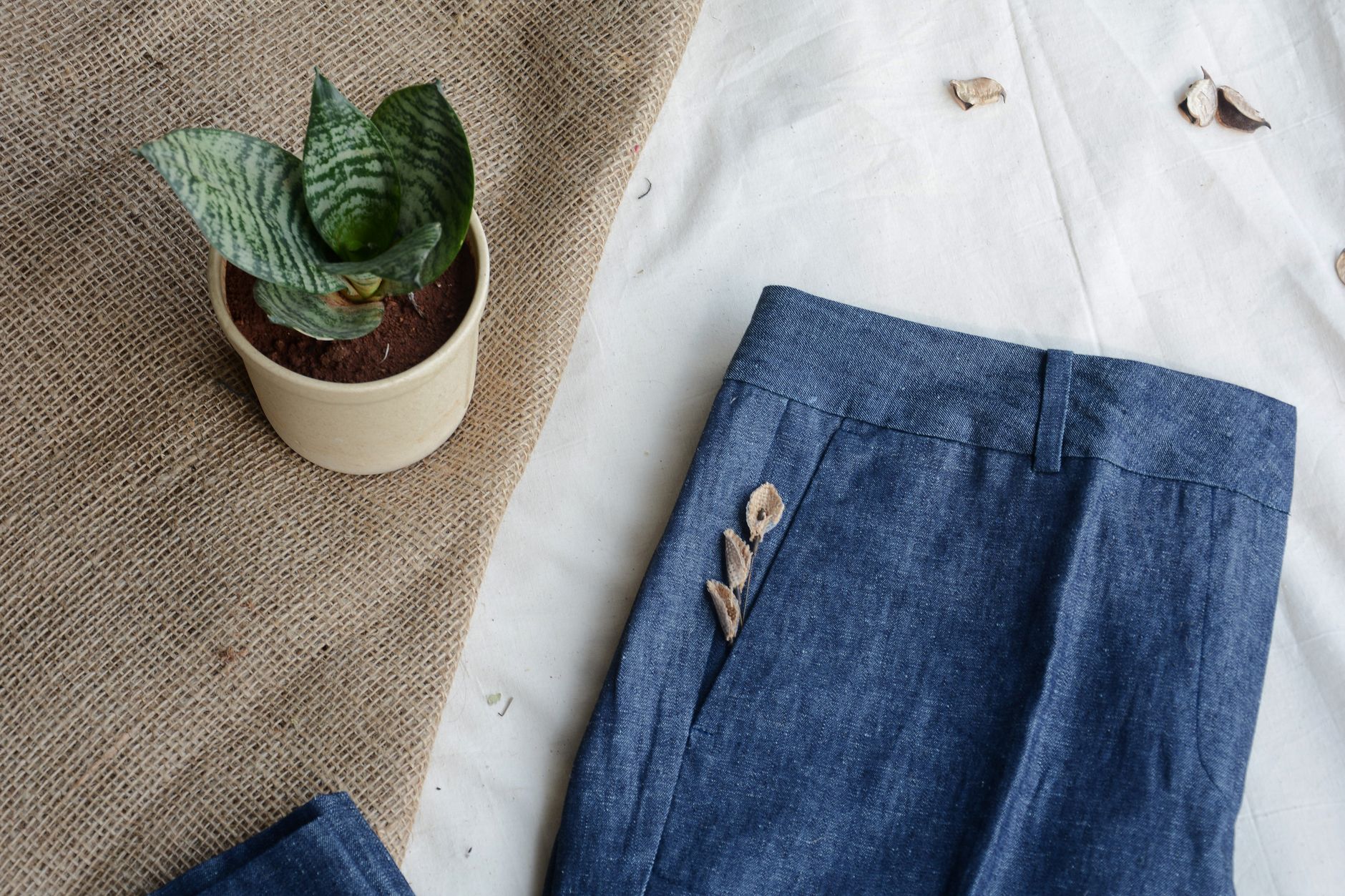
Why Linen, Why Now
Linen’s relationship with fashion has always been complicated by its reputation for wrinkling. That wrinkle problem is real – and it never went away. What changed is that the wrinkle stopped being treated as a flaw. A growing number of brands have reframed the crease as part of the fabric’s character, leaning into the lived-in texture rather than engineering it out. This is not a minor shift in marketing language. It reflects a genuine change in what consumers are willing to tolerate aesthetically, driven partly by a broader comfort with undone, effortless dressing that has been building since workwear went soft.
The fiber itself has other advantages that are landing differently now than they did fifteen years ago. Linen is significantly more breathable than cotton twill, which is the base fabric for most chinos. In warmer months, that difference is not subtle – it registers on the skin in a way that matters to anyone who has sat through a long afternoon in heavy cotton. As summers run hotter and air conditioning becomes a more contested office amenity, the performance case for linen has gotten stronger without anyone having to make it explicitly.
There is also a sustainability angle that has been quietly building linen’s appeal without dominating the conversation. Flax – the plant from which linen is derived – requires far less water than cotton and is generally grown with fewer pesticides. Consumers who are paying attention to fiber sourcing have had reasons to prefer linen for a while. What is newer is that the mainstream market is beginning to follow, not because it has become an activist category, but because the quality perception of linen has risen enough to make the choice feel aspirational rather than dutiful.
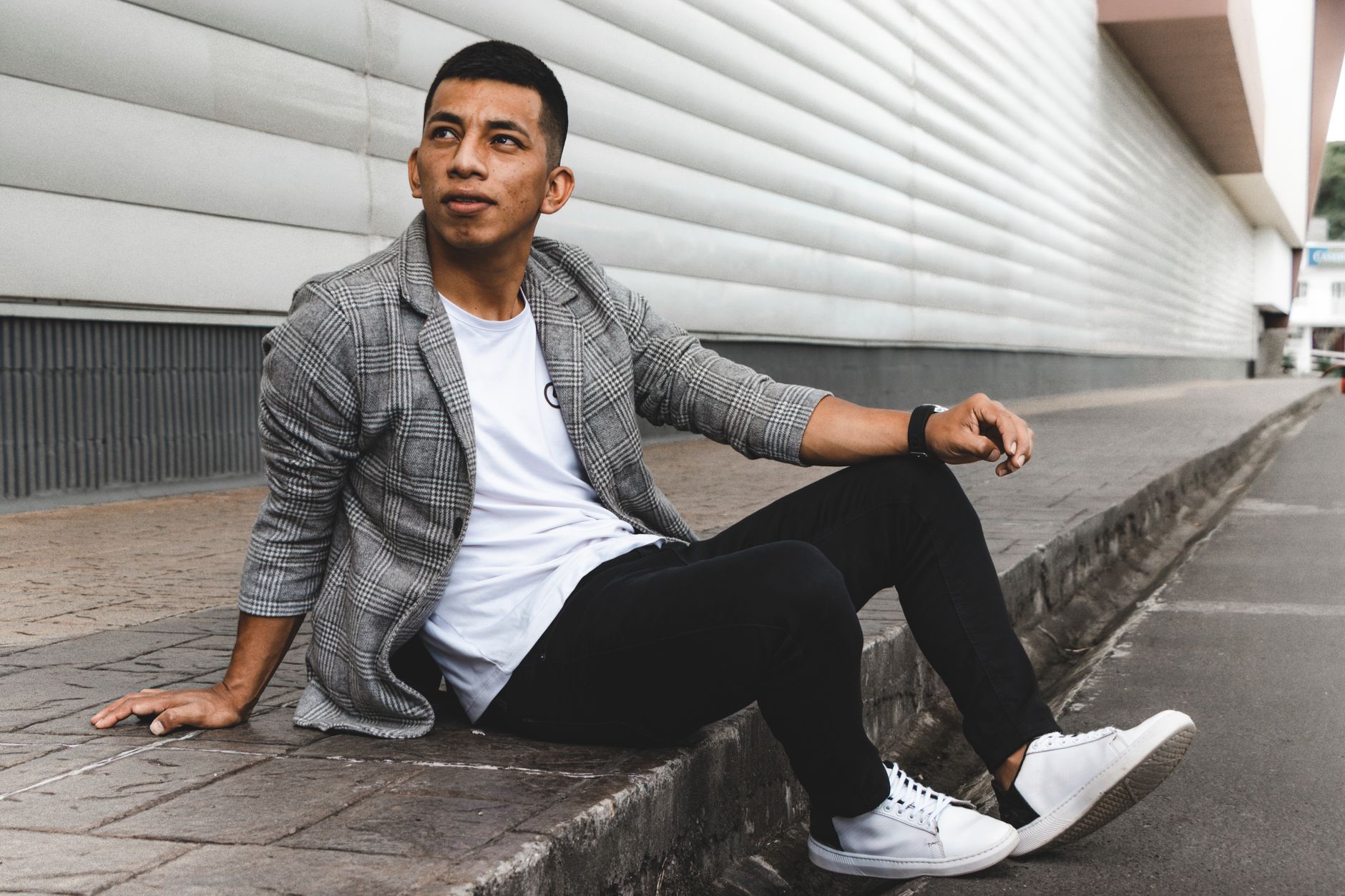
What the Chino Is Losing
The chino is not disappearing. That point is worth making plainly before the comparison gets overstated. What it is losing is cultural neutrality – that quality of being the default, the safe choice, the answer when no one has a preference. For a long time, chinos occupied that space because nothing obvious was competing for it at the same price point and formality level. Linen trousers were either too casual (think drawstring waistbands and wide-leg resort silhouettes) or too expensive when done well in a tailored cut. That gap has narrowed considerably.
Brands at every tier are now producing linen trousers in cuts that sit comfortably in the same style register as a classic chino – tapered leg, mid-rise waist, a length that works with both sneakers and leather-soled shoes. The chino’s advantage was always that it was easy to dress up or down without much thought. The linen trouser is now being built to do exactly the same thing, and it is doing it with better drape and more visual interest at the same time.
The Style Calculus Is Changing
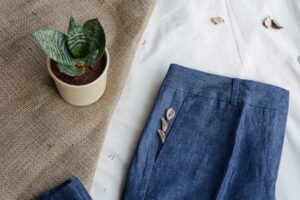
Styling is where the linen trouser is genuinely winning ground. Chinos have a tendency to read as a placeholder – they complete an outfit without contributing to it. Linen trousers, particularly in natural, undyed, or muted tones, bring a textural element that reads as intentional even when the rest of the outfit is simple. A plain white shirt tucked into a pair of ecru linen trousers communicates more considered dressing than the same shirt with a khaki chino, and it does so without requiring additional accessories or effort.
Color has also played in linen’s favor. The chino’s classic territory – khaki, navy, olive, stone – is well-trodden, and those colors have been in rotation long enough that they register as automatic rather than chosen. Linen trousers are appearing in a wider range of colors this season: dusty terracotta, soft sage, warm clay, washed indigo. These are shades that photograph well and read as current, which matters both for retail sell-through and for how people experience getting dressed when they know their outfit might end up documented.
The footwear conversation around linen trousers has also matured. For a long time, linen and sandals were practically synonymous, which limited the trouser’s perceived range to warm-weather casual occasions. That has changed as loafers, mules, and even low white sneakers have become standard companions to the silhouette. The linen trouser can now carry through from a summer work meeting to an outdoor dinner without the outfit reading as costume or overly themed.

What remains genuinely unresolved is care. Linen trousers require more attention than chinos – they do not recover from a wash the same way, and they need steaming or pressing to look intentional rather than neglected. For a consumer who built their wardrobe around low-maintenance pieces, that friction is real. The chino’s durability and ease of care are not trivial advantages, and they are the reason the category will hold on even as linen takes more of its style territory. Whether the linen trouser can fully close that gap depends on whether the brands producing them invest in fabric finishes that reduce the care burden without eliminating the texture that makes them worth wearing in the first place.
Frequently Asked Questions
Are linen trousers appropriate for office wear?
Yes, when cut in a tapered or straight-leg silhouette and styled with a tucked shirt or blazer, linen trousers sit comfortably in smart-casual and even some formal office dress codes.
Do linen trousers wrinkle too much to wear daily?
Linen does wrinkle, but many brands now treat the texture as part of the aesthetic. Light steaming before wearing keeps them looking deliberate rather than neglected.