


The wrap dress has had a long, comfortable reign. For years, it served as the default answer to the perennial question of what to wear when you want to look put-together without obvious effort – flattering on most body types, easy to style, reliably appropriate across a range of occasions. But something has been shifting on the racks, on the runways, and more tellingly, on the streets. The pleated midi skirt is moving into territory the wrap dress once owned outright.
This is not a sudden overthrow. The pleated midi has been building credibility quietly, appearing in resort collections, on fashion week attendees photographed between shows, and increasingly in the kind of everyday rotation that signals real staying power rather than trend-cycle hype.
What makes this moment different is the breadth of the skirt’s appeal – it is not being adopted by one aesthetic tribe but by several simultaneously.

Why the Pleated Midi Works Where the Wrap Dress Is Starting to Struggle
The wrap dress earned its reputation partly through versatility, but that versatility always came with a caveat: the neckline. The wrap’s defining V-cut is either an asset or a liability depending on context, and over time that limitation has become more visible. Dressing for a range of settings – office, outdoor event, dinner, travel – means needing something that reads differently based on how it is styled rather than something that always opens at the chest in the same way. The pleated midi sidesteps this entirely. A simple waistband, a full or semi-full skirt with structured pleats, and suddenly the top half of an outfit carries all the personality. That top-down versatility is genuinely useful.
There is also a silhouette argument. The pleated midi creates volume at the hem without cinching at the waist, which gives it an ease that the wrap dress – for all its adjustable ties – does not quite replicate. The wrap dress works with the body in a specific way, almost always referencing the figure directly. The pleated midi offers a different relationship: structured but not body-conscious, elegant without being form-defining. For a fashion moment that has been moving toward relaxed tailoring and anti-fitted dressing, this is a significant advantage.
Fabric plays a role too. Wrap dresses default toward jersey, silk, or lightweight viscose – materials that drape and cling. The pleated midi welcomes a wider material range: cotton poplin, organza, satin, wool crepe, even denim. That material flexibility means the silhouette can travel from summer to autumn without needing a wardrobe overhaul.
The Styling Logic Behind the Switch
One reason the pleated midi is gaining ground so steadily is that it rewards simple styling in a way the wrap dress does not. A wrap dress is already a complete statement – add too much and the outfit becomes busy; add too little and it can look unfinished. The pleated midi is more collaborative. A fitted turtleneck, a cropped blazer, a basic tank – each creates a meaningfully different look without the skirt losing its integrity. That adaptability is exactly what makes a wardrobe piece sustainable beyond a single season.
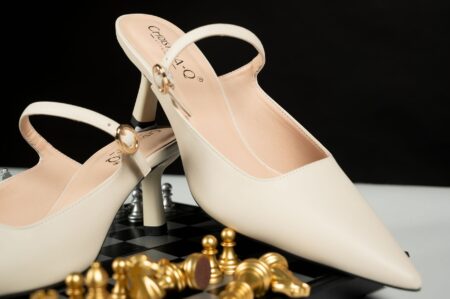
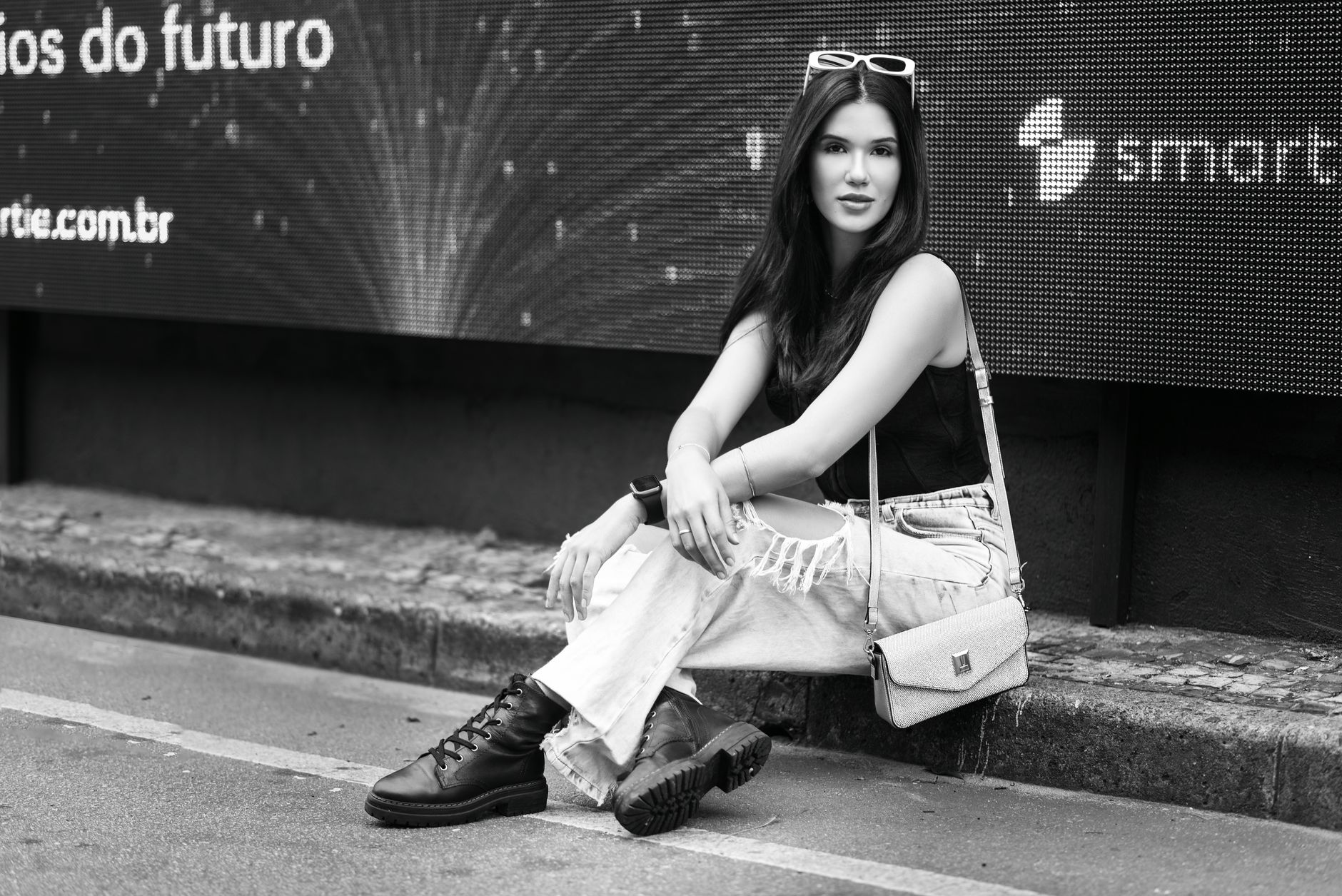
The footwear conversation around the pleated midi is also telling. It pairs naturally with flat sandals and woven leather flats, but it works equally well with ankle boots, kitten heels, and even chunky sneakers when the mood calls for contrast. The wrap dress has a narrower footwear comfort zone – heels tend to formalize it, and sneakers can tip it into awkward territory. The pleated midi absorbs footwear extremes more naturally, which keeps it relevant across more lifestyle contexts.
Color and print choices for the pleated midi also tend to land better. A bold floral in a wrap dress can read as a direct nod to the early 2000s or to a specific beachy-boho reference point. That same floral in a pleated midi reads as current, even slightly editorial. The silhouette provides enough structural modernity that it reframes whatever print or color is applied to it.
What the Runway and the Street Are Both Saying
Across recent ready-to-wear collections, pleating at the midi length has appeared with notable consistency – not as an accent detail but as a primary silhouette. Designers working in both the luxury and contemporary markets have treated the pleated midi as the anchor piece in their warm-weather and transitional offerings, building entire looks around its proportions. The wrap dress, by contrast, has appeared far less frequently, often reworked or deconstructed in ways that suggest designers are less interested in its classic iteration than in finding a reason to update it.
Street style is a more democratic indicator, and there the evidence is similarly clear. The pleated midi is appearing across a wide demographic range – worn by women in their twenties in market-day linen versions, by professionals pairing it with structured blazers, and by older dressers who appreciate that it offers elegance without the visual noise of a trendier silhouette. That cross-demographic appeal rarely happens with passing trends; it tends to indicate a silhouette with genuine long-term traction.
The wrap dress is not disappearing. It remains a reliable and well-understood garment with deep brand loyalty. But when a silhouette that was once considered a complete, stand-alone solution starts requiring justification while another option answers the same brief more cleanly, the balance has already shifted. The pleated midi is not asking for its moment – it has simply started showing up and doing the job better in enough contexts that the conversation around the wrap dress has changed.
Where This Leaves Your Wardrobe
If you own a wrap dress that still works for you, there is no reason to abandon it – but if you are looking at a gap in your rotation and reaching instinctively for another one, it might be worth pausing. The pleated midi takes up the same conceptual space: one piece, minimal effort, maximum range. The difference is that it gives you more room to build the outfit around it rather than arriving already complete, and in a moment when personal style is less about signature pieces and more about how things combine, that room to build is exactly what makes a garment feel worth keeping.