
The Flat That Feels Like a Statement
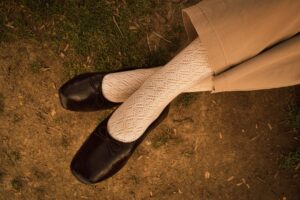
The satin pump had a long run. From red carpets to runway finales, its glossy finish and heel-elevated silhouette became the default shorthand for dressed-up femininity. But something has been shifting quietly at street level and in the pages of fashion editorials this season: the grosgrain ballet flat is taking up more and more of that space, and it is doing so without apology or announcement.
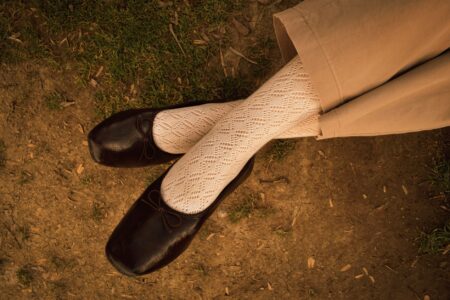
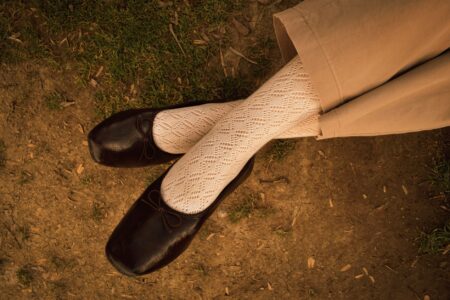
Grosgrain – the ribbed, matte ribbon fabric most people associate with bow trim and hat bands – has moved from accent to hero material in the flat shoe category. Designers have been building entire shoes from it: structured toes, wraparound straps, and oversized bows all rendered in that signature horizontal weave. The result is a shoe that reads as polished and considered, without the formality or physical commitment of a heel.

Why Grosgrain Works Where Satin Does Not
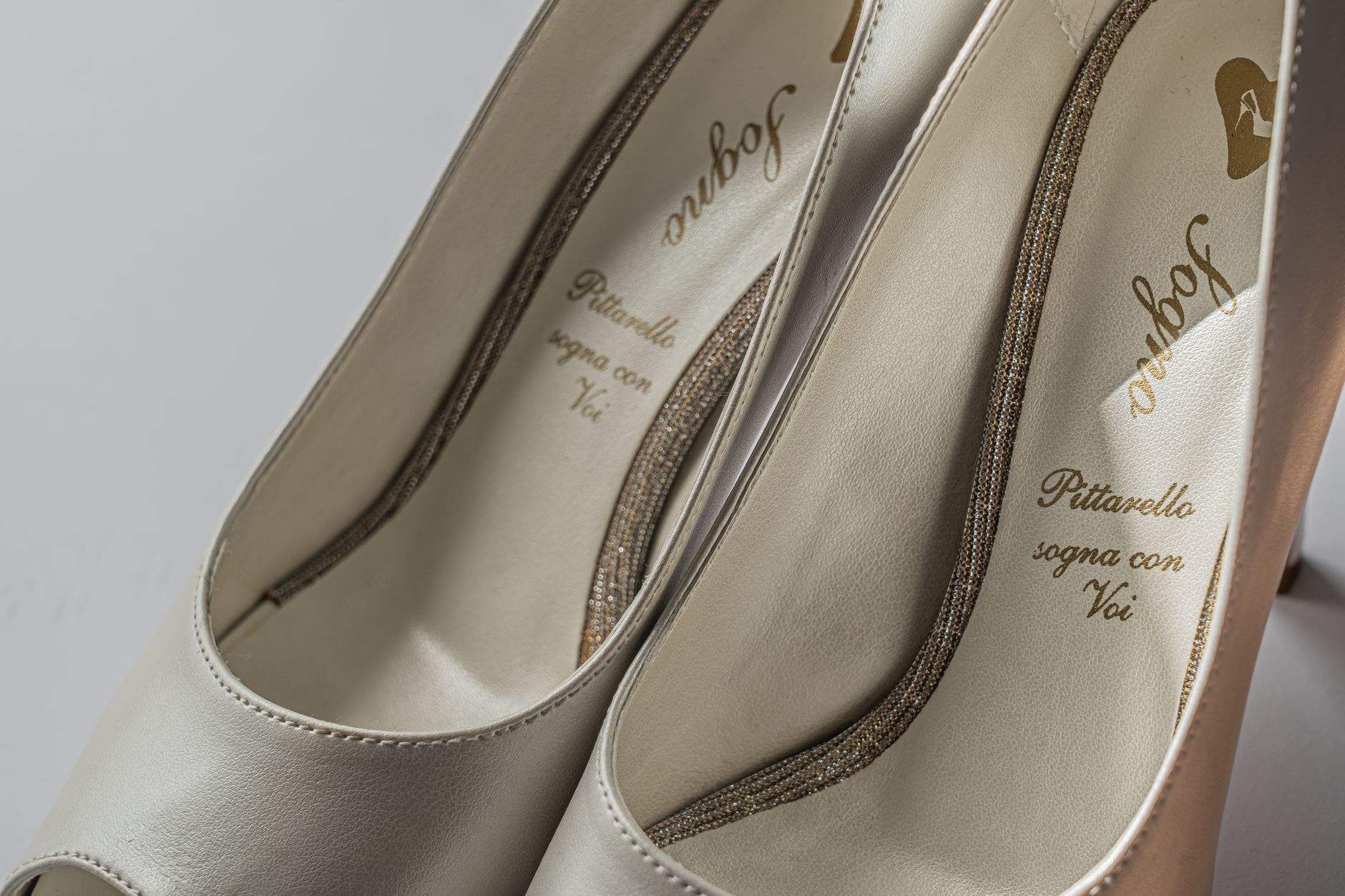
Satin carries a specific cultural weight. It signals occasion, evening, ceremony. That specificity was once an asset – a satin pump told a room exactly where you stood in the dress code hierarchy. Now that same specificity has become a limitation. When the dominant mode of modern dressing is mixing registers – tailored trousers with a casual knit, a gown worn with flat sandals – a shoe that screams “event” can feel like it is working against the outfit rather than with it.
Grosgrain does not have that problem. The fabric sits at an interesting midpoint: it is clearly special, with its structured texture and refined associations, but it is not precious. A grosgrain ballet flat can go under a silk midi skirt or under wide-leg jeans, and neither pairing feels like a mistake. That versatility is exactly what modern wardrobes are demanding right now.
How the Silhouette Is Evolving
The classic ballet flat has always lived or died by its proportions. Too thin a sole and it disappears underfoot. Too long a vamp and it ages the leg. Designers working with grosgrain are solving these problems partly through the fabric itself – the texture adds visual weight without bulk, and the ribbon detailing, especially the oversized bow, creates a deliberate focal point that anchors the shoe in any look.
Bows, specifically, are doing a lot of work here. What started as a nostalgic nod to vintage ballet slippers has grown into a full design language. Bows are now appearing at the toe, at the ankle, wrapped around the heel counter, and stacked. They shift the flat from understated to intentional, which matters when the shoe needs to hold its own against bolder clothing choices above it.
The color palette playing alongside the grosgrain construction is worth noting too. While satin pumps tend toward black, nude, and metallic – colors chosen to disappear or extend the leg line – grosgrain flats are arriving in deep burgundies, chocolate browns, forest greens, and even graphic black-and-white checks woven directly into the fabric structure. The shoe is no longer trying to recede. It wants to be seen.
There is also a comfort argument that cannot be ignored. Wearing a satin pump for a full day – commuting, working, walking – is a negotiation with your own feet. The grosgrain flat removes that negotiation entirely. The shift toward prioritizing wearability without sacrificing visual intent is one that has been building steadily across multiple fashion categories. The crochet tote edging out the raffia market bag follows the same logic: a material upgrade that feels crafted rather than casual, practical rather than plain.
Where This Trend Is Landing
The grosgrain flat has found particular traction in what might be called the “quiet dressing” space – wardrobes built around investment pieces, neutral foundations, and deliberate texture play rather than logo visibility or trend cycling. It fits naturally into that aesthetic because it communicates effort through construction rather than through branding.
Luxury ready-to-wear labels have been the earliest adopters, but the style is migrating quickly into contemporary and accessible price points. When a shoe silhouette makes that jump at speed, it usually signals that the trend is less about aspirational dressing and more about genuine consumer demand. People are actually reaching for these over their heels, not just photographing them.
What This Means for the Pump
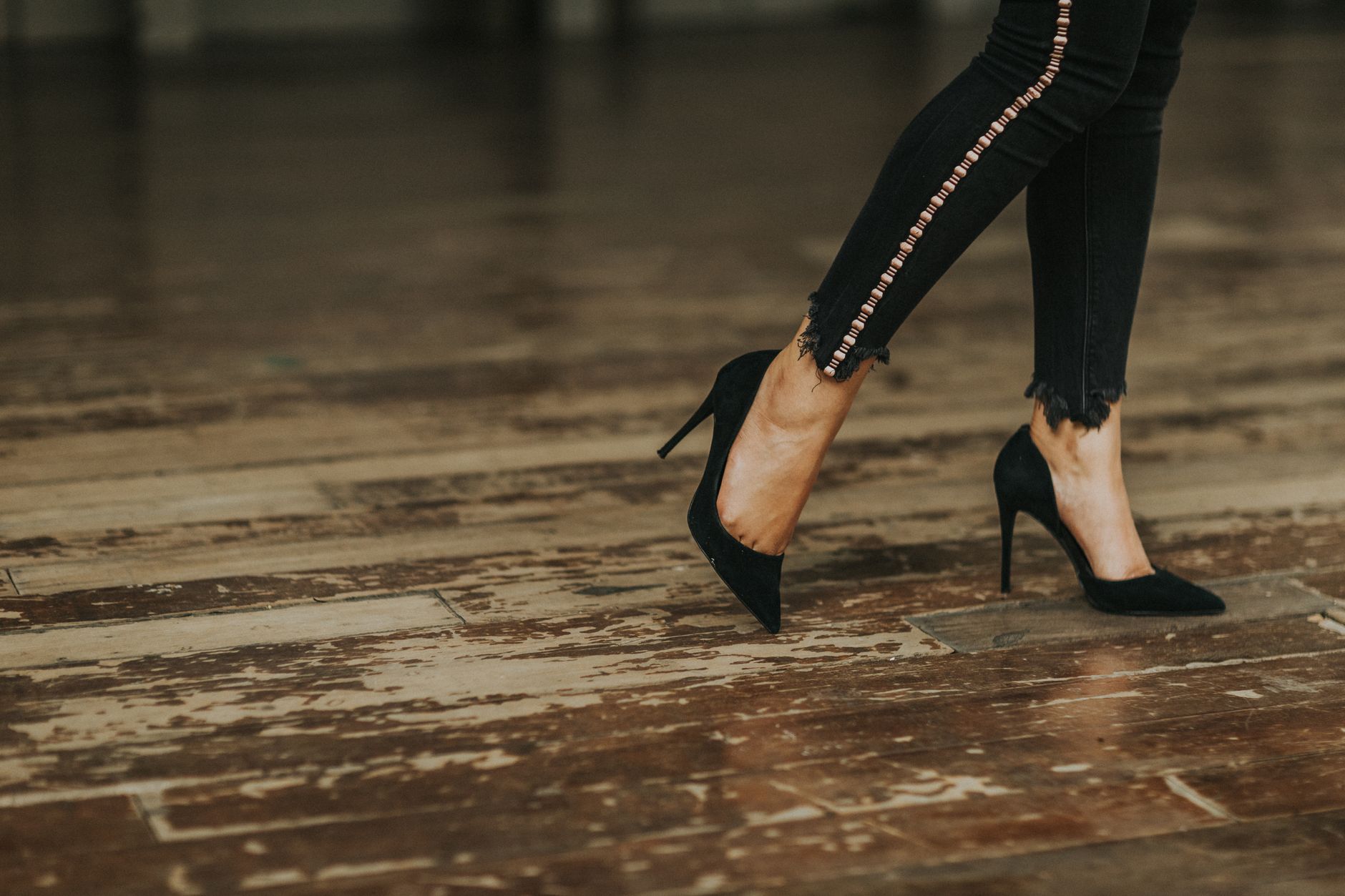
None of this makes the satin pump obsolete. There are still occasions – certain galas, certain weddings, certain formal dinners – where a heel in a high-sheen fabric is exactly right. But those occasions are fewer in the daily landscape of how most people get dressed, and the pump’s dominance was always built on its assumed universality rather than its actual suitability for every moment.
The grosgrain flat is not staging a revolt. It is simply meeting a real need: something that looks deliberate, reads as fashion-aware, and does not require a backup pair of shoes in your bag for the walk home. The accessories market tends to reward exactly that kind of practical elegance when it arrives packaged in a genuinely interesting material.
What is interesting is the timing. Ballet flats had a difficult reputation to shake for much of the last decade – associated too closely with a disposable, fast-fashion aesthetic that fashion editors had quietly moved away from. The grosgrain version works because it reframes the entire category. It is not a ballet flat that someone settled for instead of a heel. It is a ballet flat that someone chose instead of a heel. That distinction is what makes all the difference in how a shoe gets perceived, styled, and ultimately worn – and whether it stays in the rotation or gets pushed to the back of the closet after two outings.