

The tailored blazer set had a long run. For the better part of a decade, the matching blazer-and-trouser combination served as the default answer to every dress code that sat somewhere between “business casual” and “actually trying.” It photographed well, it read as polished, and it gave the impression of effort without demanding too much imagination. Now, quietly and without much ceremony, the linen suit is taking its place.
What’s driving the shift isn’t a single runway moment or a viral red carpet look. It’s a slower recalibration of what “dressed up” actually means – one where structure matters less than texture, and where the ability to look good while clearly being comfortable has become its own kind of status signal.
The blazer set isn’t dead. But it’s losing ground.
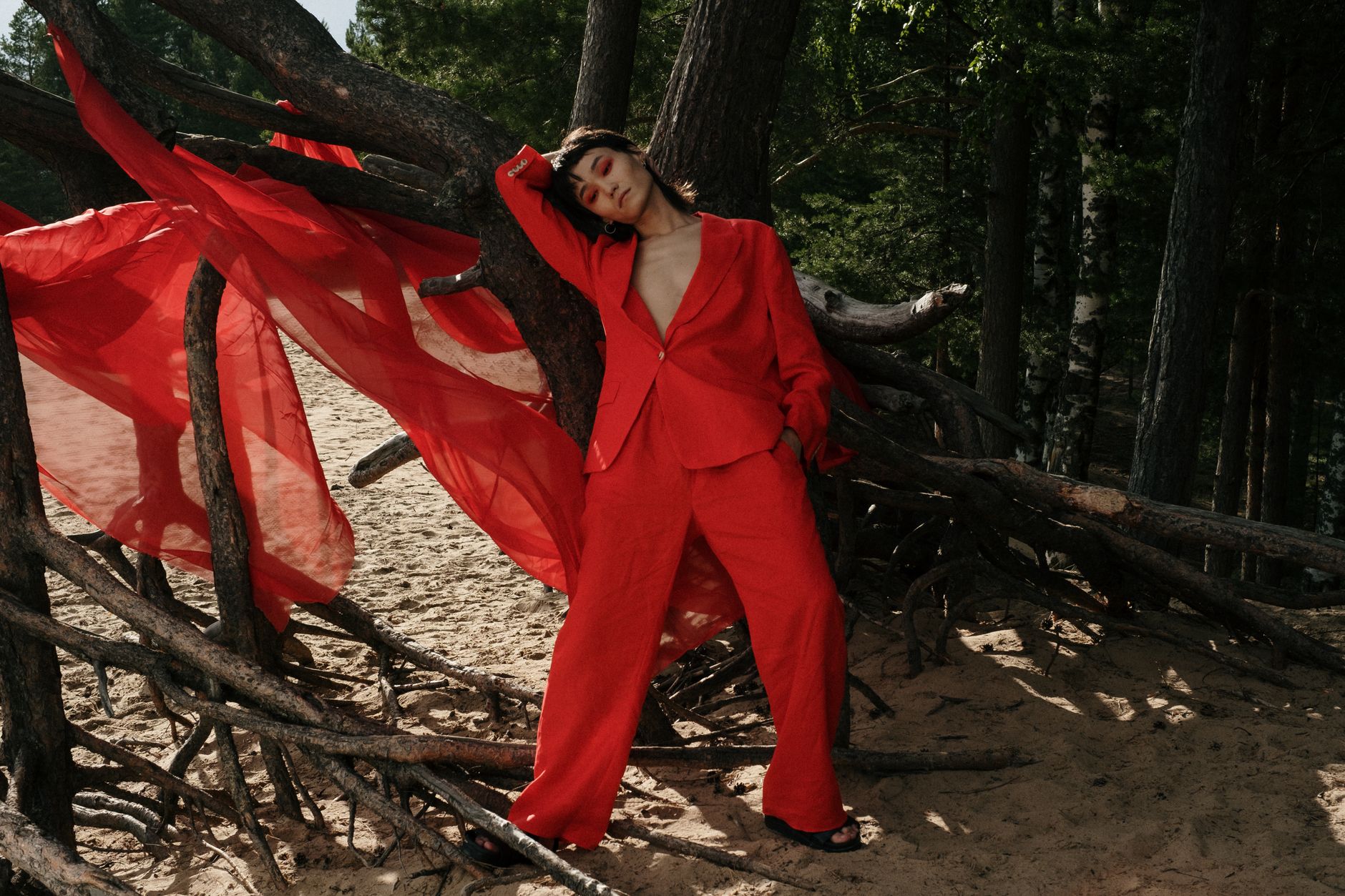
Why the Linen Suit Reads Differently Now
The linen suit has always existed in fashion’s vocabulary, but for years it carried a specific cultural baggage: summer weddings, garden parties, a certain kind of patrician ease that felt either aspirational or dated depending on your perspective. What’s changed is the context around it. As workplaces loosened their dress codes and “business casual” expanded to absorb almost everything, the tailored blazer set filled the gap as the default structured option. It was precise, it was reliable, and it communicated a specific kind of ambition – put-together but not extravagant.
Linen suits operate on a different register entirely. The fabric’s natural texture does something that a smooth wool or polyester blend can’t: it signals deliberate ease. The slight wrinkle, the breathability, the way linen softens over the course of a day rather than holding a sharp crease – these are features, not flaws, for a generation of dressers who have grown allergic to anything that looks too stiff. A well-cut linen suit says you made a choice rather than defaulting to the obvious answer. The blazer set, by contrast, has started to feel like exactly that – the obvious answer.
There’s also a practical dimension that rarely gets discussed in fashion coverage. Linen suits work across a wider temperature range than their reputation suggests. In spring and early summer, they’re genuinely comfortable in a way that a structured blazer over trousers simply isn’t. By fall, a heavier linen or linen-blend suit can carry through evenings without feeling underdressed. The blazer set’s seasonal window was always narrower than it appeared.
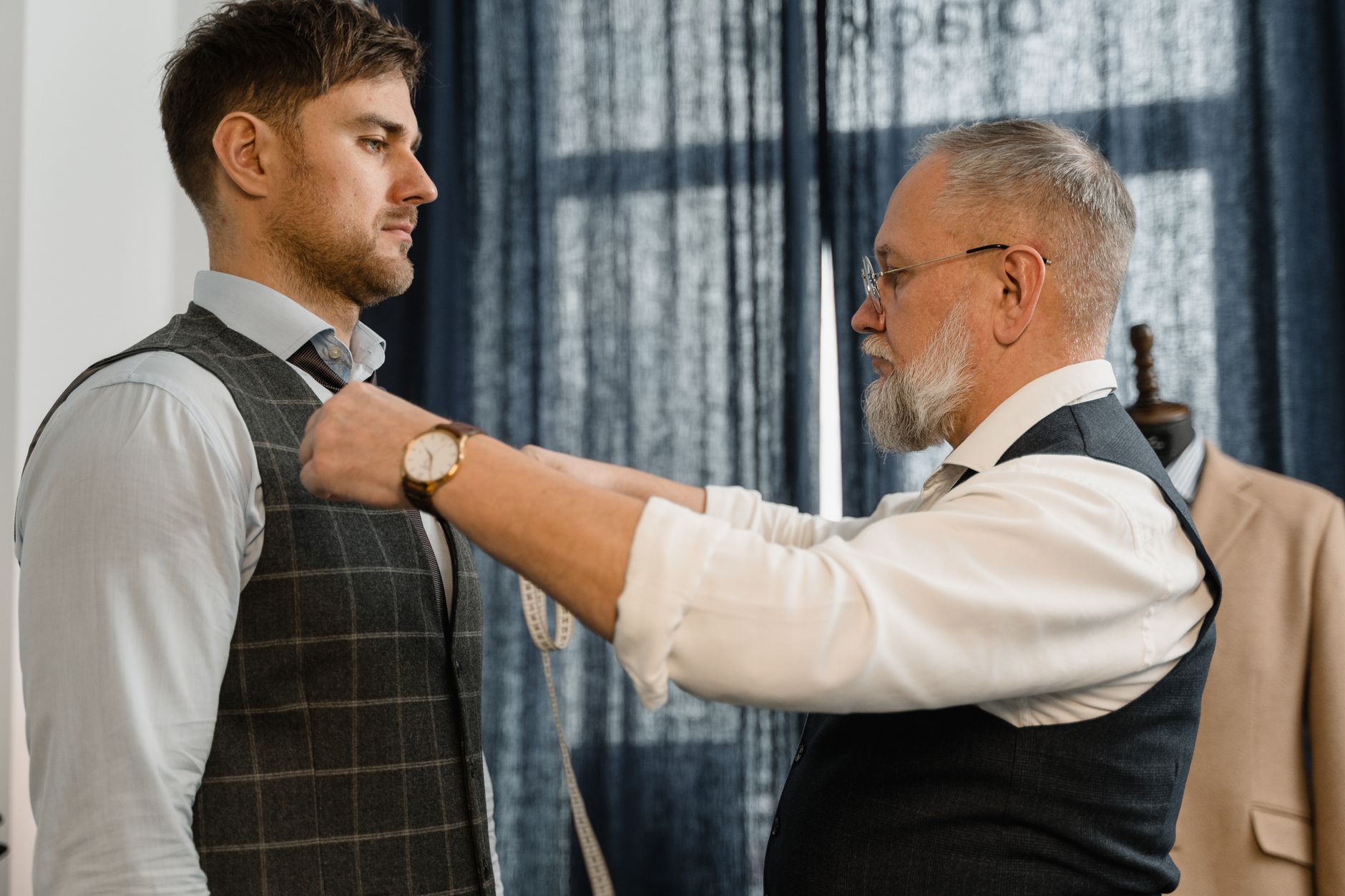
How Styling Has Shifted the Equation
Part of what made the blazer set so dominant was its styling flexibility – or at least the perception of it. The blazer could be worn separately, the trousers could pair with other tops, and the combination could theoretically do double duty across multiple outfits. In practice, most people wore the set together, which is exactly the point where the linen suit becomes a more interesting proposition. A linen suit worn as separates – the jacket over a simple tee, the trousers with a fitted knit – reads as intentionally styled rather than matchy. That distinction matters to how fashion is currently consumed and photographed.
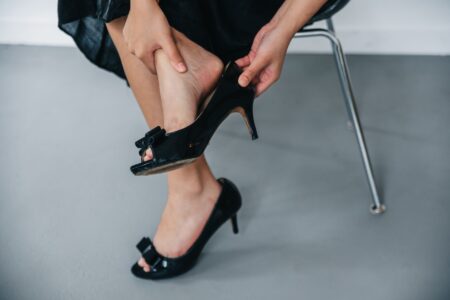
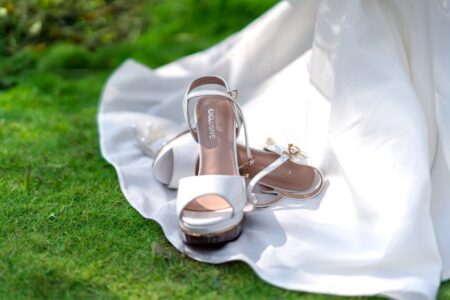
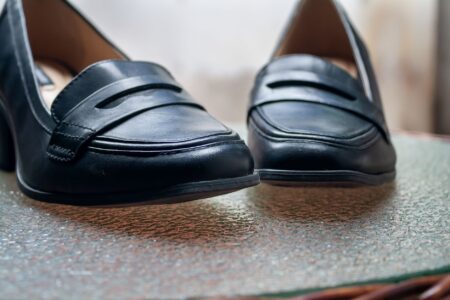
The shoe conversation has also shifted in ways that favor linen. The blazer set’s natural pairing always leaned toward block-heeled mules, chunky loafers, or pointed-toe flats – shoes that matched its precision. Linen suits open up the styling conversation considerably: they work with sandals, with low sneakers, with slingbacks, with nothing particularly considered at all. That adaptability is becoming more valuable as people look for pieces that don’t demand a complete outfit built around them.
Color has played a role too. Blazer sets moved heavily through neutral territory – camel, cream, charcoal, occasionally an olive – and while linen suits certainly exist in those shades, the fabric invites color more naturally. Dusty terracotta, sage green, warm ecru, faded cobalt – these shades look at home in linen in a way they rarely do in a crisp blazer fabric. Color is having a moment, and linen is better positioned to carry it.
What the Closet Math Actually Looks Like
For anyone doing a genuine wardrobe audit, the linen suit wins on cost-per-wear logic for a specific kind of lifestyle. If you live somewhere with warm months, work in an environment where the dress code is interpretable, and attend the kinds of social events where “smart casual” is the standing instruction, a quality linen suit covers more occasions than it appears to at first. One suit in a neutral or dusty shade can move from a morning meeting to a lunch to an outdoor evening event without a change of clothes – something a blazer set handles less gracefully as temperatures rise.
The price point conversation is worth having directly. Linen suits at the mid-market level – the range where most people actually shop – have become considerably more accessible as demand has grown. A few seasons ago, finding a well-cut linen suit that wasn’t either a fast-fashion approximation or a luxury investment piece required real effort. That gap has narrowed. Brands that previously concentrated their tailoring offerings on structured blazer sets have added linen suiting, and the quality has generally followed.
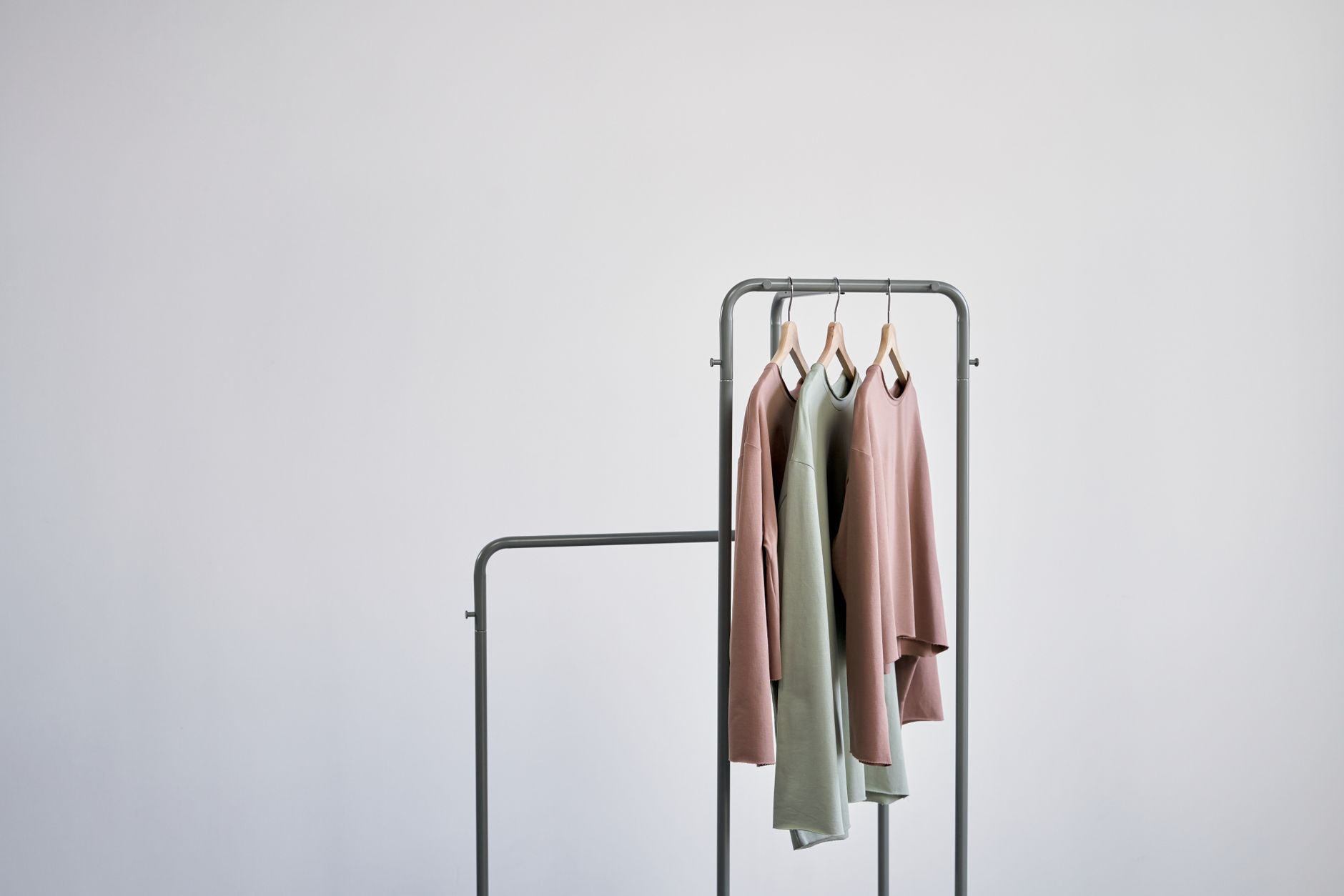
The blazer set’s hold on the “safe sophisticated choice” category is loosening precisely because that category has gotten crowded. When everyone reaches for the same solution, it stops reading as a choice and starts reading as a default. The linen suit, worn well, still reads as a choice – and right now, that difference is everything.