

The Low Heel Is Back, and It Means Business
The strappy flat had a long run. For several seasons, it was the default answer to warm-weather dressing – the shoe you grabbed when you wanted something polished but not punishing. But something has shifted on the sales floors and in the street style shots coming out of Copenhagen, Milan, and New York. The kitten heel sandal is showing up everywhere the flat used to live, and it is not showing up quietly.
What makes this moment different from previous kitten heel revivals is where the style is landing. It is not confined to office dressing or cocktail attire. It is appearing with linen trousers and a market tote, with a slip dress and a canvas shoulder bag, with wide-leg denim and a simple tank. The heel itself – typically between one and two inches, with a slender, tapered profile – has found a way into the casual vocabulary that strappy flats have owned for years.
Why the Strappy Flat Is Losing Ground
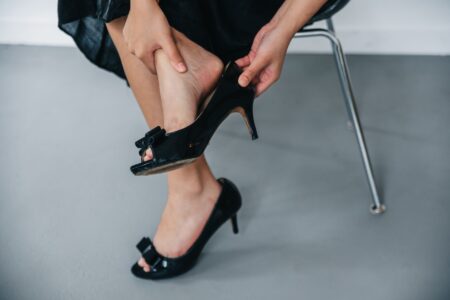
The strappy flat appeals on paper: low to the ground, easy to pack, available at every price point. But it has a comfort problem that rarely gets discussed directly. Without any heel elevation, strappy sandals offer almost no arch support. For anyone spending more than a few hours on their feet, the completely flat sole can be harder on the body than a slight heel, which naturally positions the foot at an angle that distributes weight more evenly. That small lift – the exact lift a kitten heel provides – turns out to be functional, not just aesthetic.
There is also the visual argument. The strappy flat has a tendency to cut the leg at the ankle or mid-foot, depending on strap placement, which can make even a long leg look shorter and the overall silhouette heavier. A kitten heel lifts the heel just enough to lengthen the line of the leg without requiring the commitment or physical toll of a stiletto. It is a proportional adjustment that works across body types and outfit lengths in a way the flat simply cannot match.
The Kitten Heel Sandal’s New Language
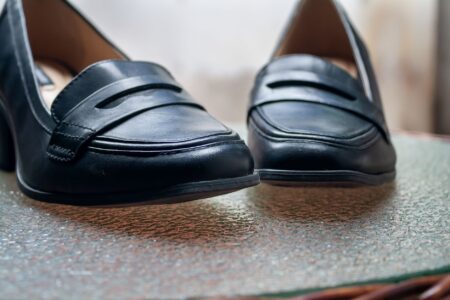
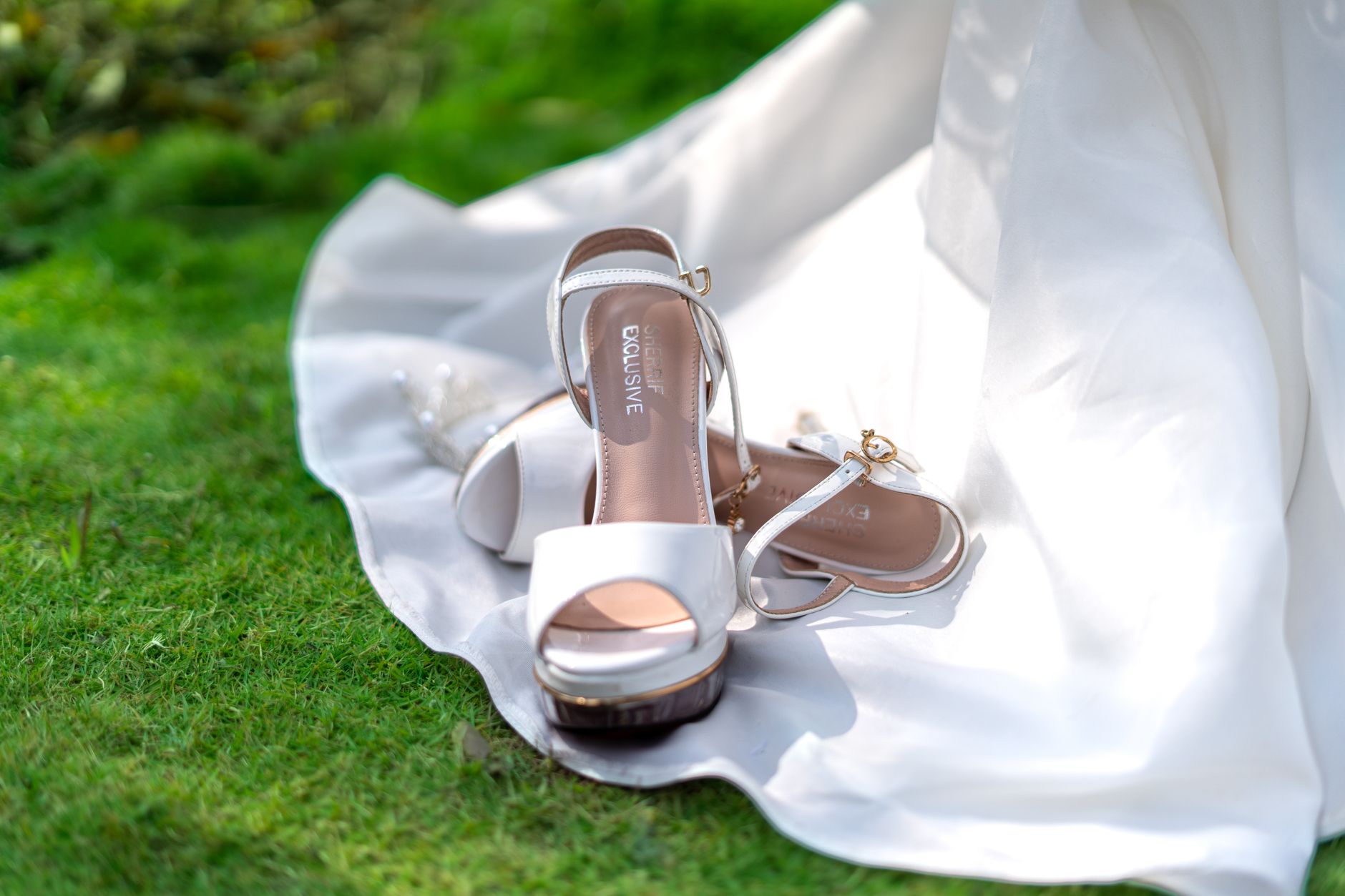
What is driving the current version of this trend is a specific design evolution. The kitten heel sandals gaining traction now are not the pointy-toed, overly formal styles associated with early 2000s office wear. They are open-toed, often with a square or rounded toe box, and built on a heel that is slim but not precarious. Some feature single-strap or minimalist two-strap constructions that read more like an elevated flat than a traditional heel.
Materials are doing a lot of work here. Woven leather, raffia, suede, and even butter-soft nappa leather are the textures showing up most consistently, all of which signal relaxed dressing rather than formal occasion wear. A raffia kitten heel sandal reads as a summer shoe in the same breath as a woven tote bag. That repositioning – from occasion shoe to everyday shoe – is what the strappy flat used to own.
Color plays a role too. The strongest sellers are arriving in neutral territory: bone, tan, chocolate brown, pale gold, and off-white. These are not statement shoes demanding attention. They are wardrobe tools designed to work with everything already hanging in the closet, which is exactly how the strappy flat marketed itself for years. The kitten heel sandal has simply made a stronger case for why it deserves that role.
The price architecture has also changed. Kitten heel sandals used to cluster at either the very high end or the fast-fashion end, with little in between. Now mid-market brands across Europe and the United States are producing versions that sit comfortably in the range where most people actually shop, removing the barrier that previously kept this style feeling aspirational rather than accessible.
Who Is Actually Buying This
The early adopter profile for the current kitten heel sandal moment skews toward women who have already cycled through the ballet flat trend and are looking for a next step that does not require abandoning the comfort-first approach they have developed. There is also a strong contingent of buyers who never fully committed to the ballet flat because it felt too informal, and who see the kitten heel sandal as a smarter middle ground between dressed-up and dressed-down.
A growing number of brands have noticed that their kitten heel sandal styles are being styled and photographed in the same casual contexts that flat sandal brands have traditionally dominated in their own marketing – on cobblestone streets, at outdoor markets, on beach boardwalks. That kind of positioning is deliberate, and it signals confidence that the category can compete on that terrain.

What This Means Going Forward
The strappy flat is not disappearing. It still has a strong case to make for anyone who needs truly flat ground contact or who simply prefers no elevation at all. But the kitten heel sandal is claiming territory that used to belong exclusively to the flat, and the design language supporting that move is coherent enough to stick.
Retailers are already responding. Floor space that spent recent seasons dedicated to slides and strappy flats is seeing more kitten heel styles worked in, particularly in the sandal category where the competition has historically been flattest. The category feels less like a moment and more like a recalibration – a permanent expansion of what casual footwear can include.
The question worth watching is whether the strappy flat fights back with a design update of its own – improved sole construction, better arch support built into flat forms – or whether it concedes the practical ground to the kitten heel and retreats toward the purely fashion-forward positioning where comfort arguments matter less. Brands have answered that question differently, and that tension is exactly what will define sandal shopping for the next two or three seasons.
Frequently Asked Questions
Why is the kitten heel sandal trending right now?
Updated designs with casual materials like raffia and woven leather have repositioned the kitten heel sandal as an everyday shoe, competing directly with the strappy flat on comfort and versatility.
Are kitten heel sandals actually more comfortable than flat sandals?
A slight heel elevation, even one to two inches, can distribute weight more evenly across the foot than a completely flat sole, which is why many people find kitten heels easier to wear for long periods.