


The cotton sundress had a good run. Floaty hemlines, floral prints, spaghetti straps – it became the default warm-weather uniform for a generation of women who wanted ease without effort. But something has shifted on the rails at every price point, from fast fashion to quiet luxury. The linen shirt dress is taking up more space, and it is not being subtle about it.
Walk through any shopping district on a warm afternoon and you will notice the silhouette has changed. The billowing, spaghetti-strapped styles that dominated summer wardrobes for the past decade are appearing less frequently. In their place: structured collars, button plackets, rolled sleeves, and the unmistakable slight wrinkle of linen. The shirt dress format – belted or loose, midi or maxi – has become the shape that stylists, street dressers, and retailers are clearly betting on this season.
It is not a trend born from a single runway moment.
Why Linen Won the Fabric Argument
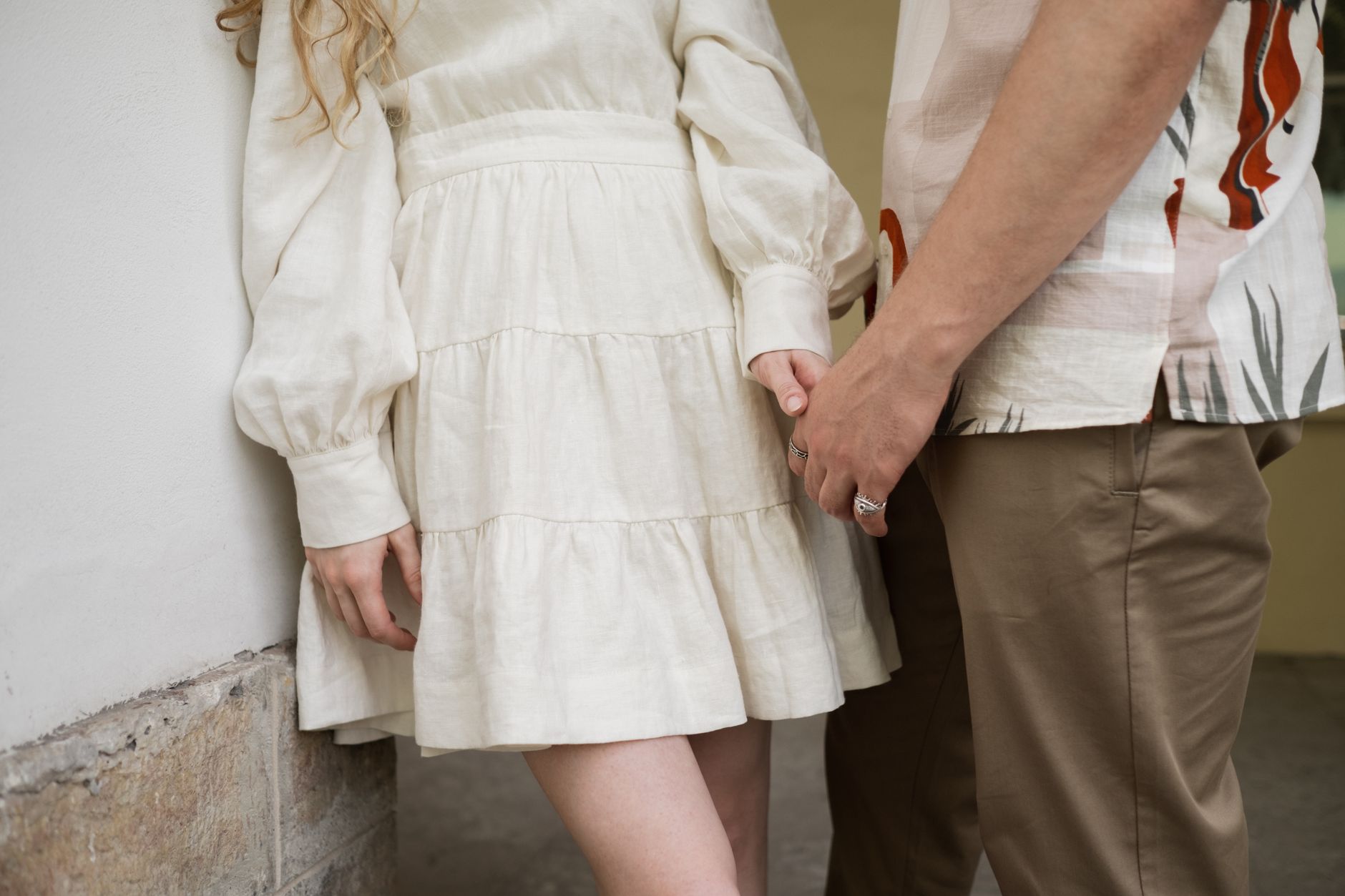
Cotton has practical advantages – it is soft, widely available, and easy to care for. But linen carries something cotton cannot fake: texture. The natural slub of linen fabric, the way it drapes with weight rather than floating away from the body, gives a garment an immediate sense of quality that reads expensive even when it is not. A linen shirt dress at a mid-range price point looks more considered than a cotton sundress twice the cost, and that visual gap is driving purchasing decisions.
There is also the breathability argument, which linen wins decisively. Linen fibers are hollow, which allows air to circulate more efficiently than tightly-woven cotton. In practice, this means linen performs better during the hottest part of summer – the exact condition that the sundress was supposedly designed for. Shoppers who have spent a July afternoon wilting inside a polyester-blend sundress are increasingly reaching for natural linen as their actual warm-weather solution, not just an aesthetic one.
The environmental angle matters here, too. Linen is made from flax, a plant that requires significantly less water to grow than cotton and typically needs fewer pesticides. For shoppers who are making fabric choices with some awareness of production costs – not as an ideology, but as one factor among several – linen has a quietly better story to tell. That narrative has not been lost on brands positioning themselves in the sustainable or considered-fashion space, and it has filtered into mainstream conversations about what to buy and why.

The Shirt Dress Format and Why It Works Harder
The sundress, at its core, is a one-season item. It announces summer and retreats in September. The shirt dress does not have that limitation. A well-cut linen shirt dress worn with flat sandals in August can be worn with leather mules, knee socks, and a blazer in October. It layers. It transitions. The button-through front means it can be worn open over a swimsuit or cinched with a wide belt for an entirely different silhouette. The sundress, by comparison, offers fewer transformations – it is what it is.
The collar is doing significant work in this shift. A structured collar adds formality that makes the shirt dress appropriate in contexts where a sundress would feel underdressed – a business casual office, a lunch meeting, a gallery opening. Women are not choosing between looking polished and feeling comfortable the way they once had to. The linen shirt dress removes that choice because it can read as intentional in almost any setting. That versatility is not an accident; brands designing these pieces are clearly aware of how their customers actually live, which rarely breaks neatly into “casual” and “formal.”
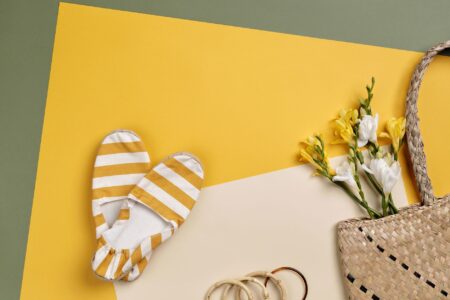
Styling has also evolved around the shirt dress in a way that keeps it fresh from season to season. It pairs naturally with the grosgrain trim sandal that has been circulating this season – the structured, slightly preppy energy of both pieces aligns without either one fighting for attention. A linen shirt dress also accepts accessories differently than a sundress. Belts, wide-brimmed hats, woven bags, even a light trench – the shirt dress acts as a base layer for a full outfit rather than an outfit that resists addition.
What This Says About Where Summer Dressing Is Going
The linen shirt dress is winning because it answers a specific question that modern dressing keeps asking: how do you look like you tried without trying too hard, across a full day that requires more than one version of you? The sundress was an answer to a simpler version of that question. The shirt dress is the answer to the current one – and linen, with its texture, breathability, and inherent sense of ease, is the fabric that makes the answer feel effortless rather than calculated. The cotton sundress is not disappearing, but it is no longer the default. That gap is the whole story.