


The evening glove never really disappeared. It retreated – into costume dramas, into Met Gala spectacle, into the kind of formal occasion that most people attend once a decade. But something has shifted on red carpets and in the more considered corners of fashion over the past two seasons, and it points toward a genuine rehabilitation of the ladylike glove as a serious style choice rather than a theatrical gesture.
What makes this moment different from past revivals is restraint. Previous glove moments leaned into camp or maximalism – think opera-length satin in electric colors worn as provocation. What’s circulating now is quieter: fitted kid leather in ivory or black, stopping just above the wrist, paired with column gowns and structured cocktail dresses. The effect is deliberate understatement rather than costume drama.
The accessory works because it does something rare in contemporary evening dressing – it adds formality without adding volume.

Why the Glove Fell Away, and Why That Matters Now
The glove’s disappearance from everyday and evening life was gradual, tied to a broader unraveling of postwar dress codes through the 1960s and 1970s. What had been a marker of groomed femininity became a symbol of constraint – the white glove as shorthand for a particular kind of social control. By the 1980s, wearing gloves to a dinner or gala felt either retro-ironic or simply unnecessary. The etiquette that had mandated them dissolved without much mourning.
That history is exactly what makes the current return interesting. The women gravitating toward gloves now are not doing so out of obligation or social code. There’s no rule requiring them. The choice is entirely aesthetic, which gives the glove a different kind of authority – selected rather than imposed. A fitted leather glove worn to a winter gala in 2025 reads as studied and confident in a way it never could have read in 1955, when it was simply expected.
The styling context matters too. When gloves appear alongside intentionally minimal gowns – no statement jewelry, no elaborate bag – they carry the full weight of the look. They’re doing work that a necklace or a sculptural heel might otherwise do, but more quietly. The hand becomes the focal point, which is an unusual and slightly subversive move in an era when the face and the silhouette absorb most of the attention.
How Designers Are Reintroducing the Form
Several houses have moved gloves back into their evening collections without treating them as novelties. The approach has been integration rather than announcement – gloves appear in lookbook images paired with long skirts and simple bodices, presented as one element among several rather than the obvious centerpiece. The message is that gloves belong in the wardrobe, not in the props department.
Materials have updated accordingly. Kid leather remains the standard for formal occasions – its thin, close-fit quality allows for genuine movement and doesn’t obscure the hand’s shape the way heavier leathers do. But there’s also growing interest in gloves cut from the same fabric as the gown: duchess satin, heavy crepe, velvet. Tonal matching between glove and dress creates a monastic, unified look that reads as extremely modern. It eliminates the accessory-as-addition logic and makes the glove feel architectural instead.
Length is where most of the variation lives. The full opera glove – running to the upper arm – remains a statement reserved for the most formal occasions or the most committed dressers. What’s gaining traction is shorter: the four-button length that ends just above the wrist, or the wrist-grazing style that sits where a bracelet would. These shorter versions are easier to wear practically – you can hold a glass, sign a card, gesture without feeling encumbered – and they’re readable as intentional fashion choices rather than vintage costuming.
The Styling Logic Behind the Trend
Part of what makes the glove’s return coherent is how it fits the current appetite for quiet luxury and careful dressing. The dominant evening aesthetic moving through fashion right now prizes restraint: clean cuts, limited color, fabric quality over ornamentation. In that context, a well-made leather glove is a logical conclusion rather than an interruption. It says the same thing as a perfectly cut coat – that considered simplicity is its own kind of luxury.
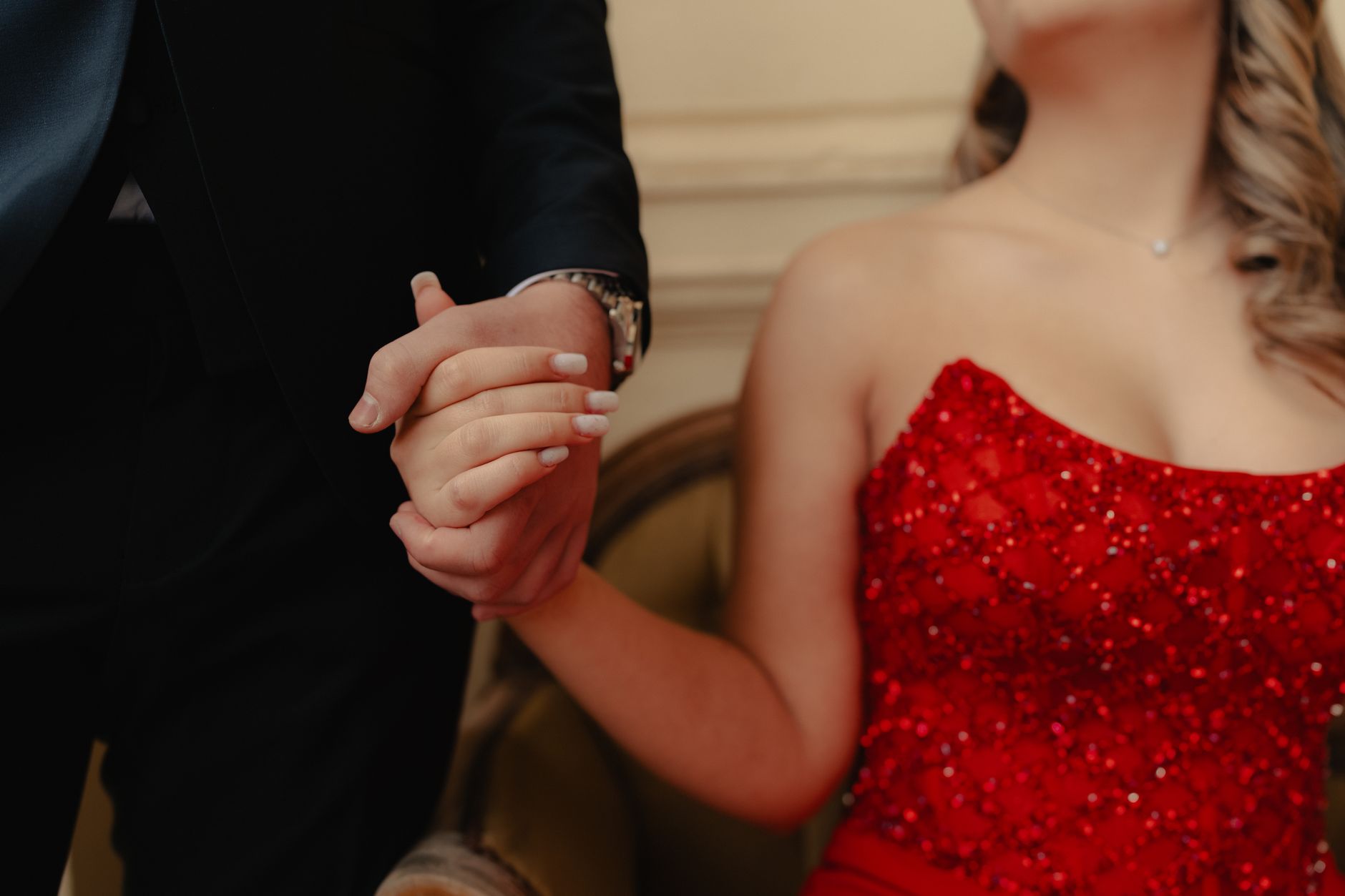
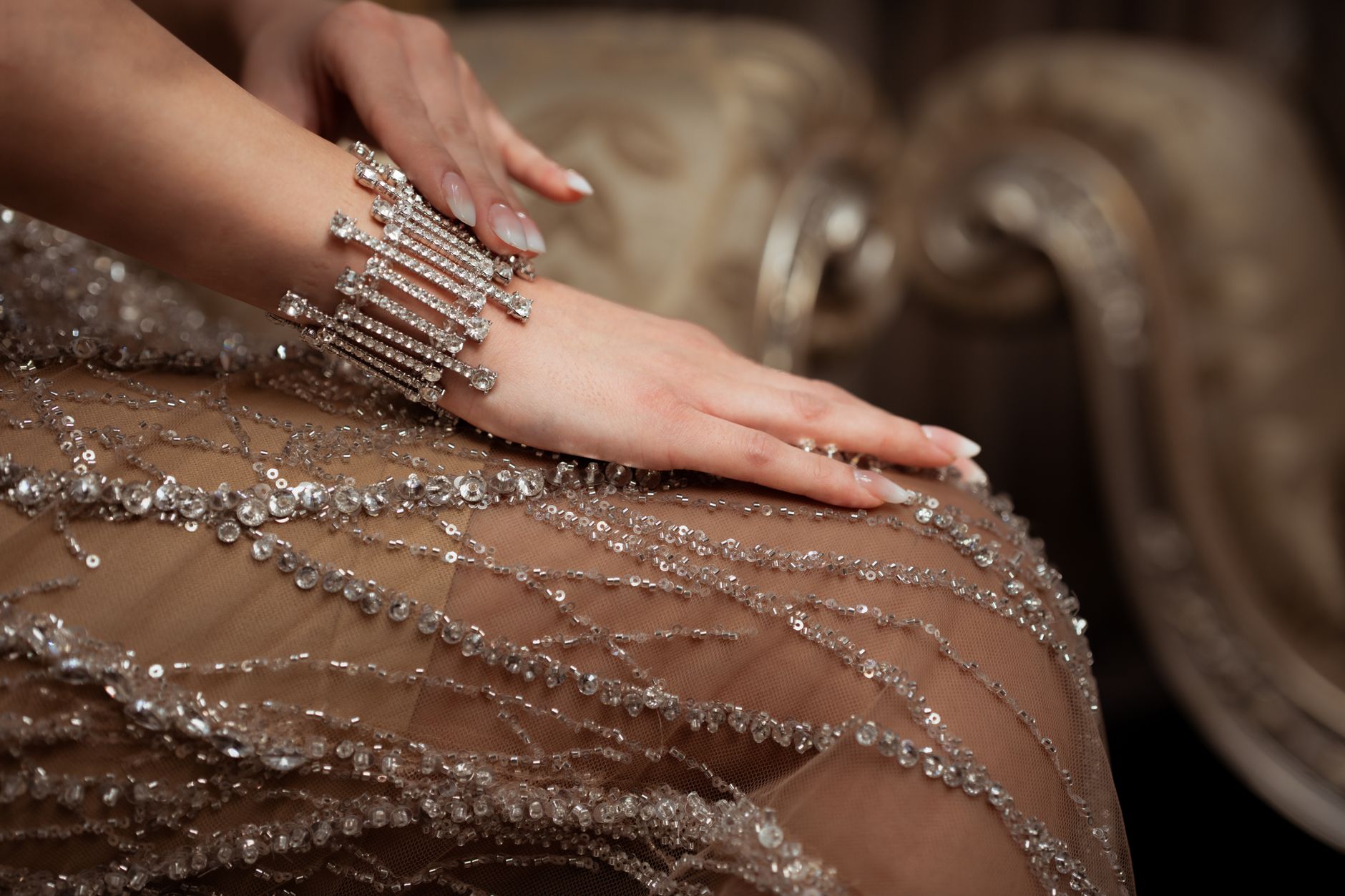
Jewelry habits are adjusting around the glove in interesting ways. Rings worn outside leather gloves carry an almost medieval quality – the signet ring on kid leather has become a specific look that certain stylists are chasing. Bracelets largely disappear, which is a loss some find liberating. The ear and neck become more important, which has nudged some wearers toward longer earrings and more visible collar and neckline choices. The glove reorganizes the entire decision-making process of getting dressed for an evening.
There’s also a practical logic that rarely gets acknowledged: gloves provide warmth without requiring a coat to be checked and retrieved at the end of the night. A winter gala outfit that includes elegant gloves is actually a more functional ensemble than one that doesn’t, particularly when the venue requires time outside. Function rarely drives fashion, but it doesn’t hurt.
The Version Worth Buying
If the glove is entering your consideration for an upcoming formal event, the case for buying well and buying once is strong. A poorly made glove – thin lining, cheap leather that stretches unevenly, fingers that bag – reads immediately as costume rather than fashion. The wrist-length kid leather glove in black or ivory is the most versatile starting point: it pairs with almost every formal silhouette, photographs clearly, and avoids the opera-length commitment that requires more confidence and a more specific dress shape to carry. That single pair, kept flat and stored properly, will last years and only become more convincing with age – which is precisely the kind of value proposition that defines where evening fashion is heading.