


The crewneck sweater has held its ground as a wardrobe staple for decades, but something is quietly pushing it aside. The knit polo – structured at the collar, relaxed through the body – is showing up in places the crewneck used to own: office casual, weekend dressing, and the kind of low-effort outfit that still reads as intentional.

Why the Knit Polo Is Having Its Moment
The appeal of the knit polo is less about novelty and more about function. It sits in a gap that few pieces fill naturally: it’s more polished than a crewneck but far less formal than a button-down shirt. For anyone navigating a dress code that sits somewhere between “smart casual” and “I work from home three days a week,” that middle ground is genuinely useful. The collar does most of the heavy lifting, signaling effort without requiring any.
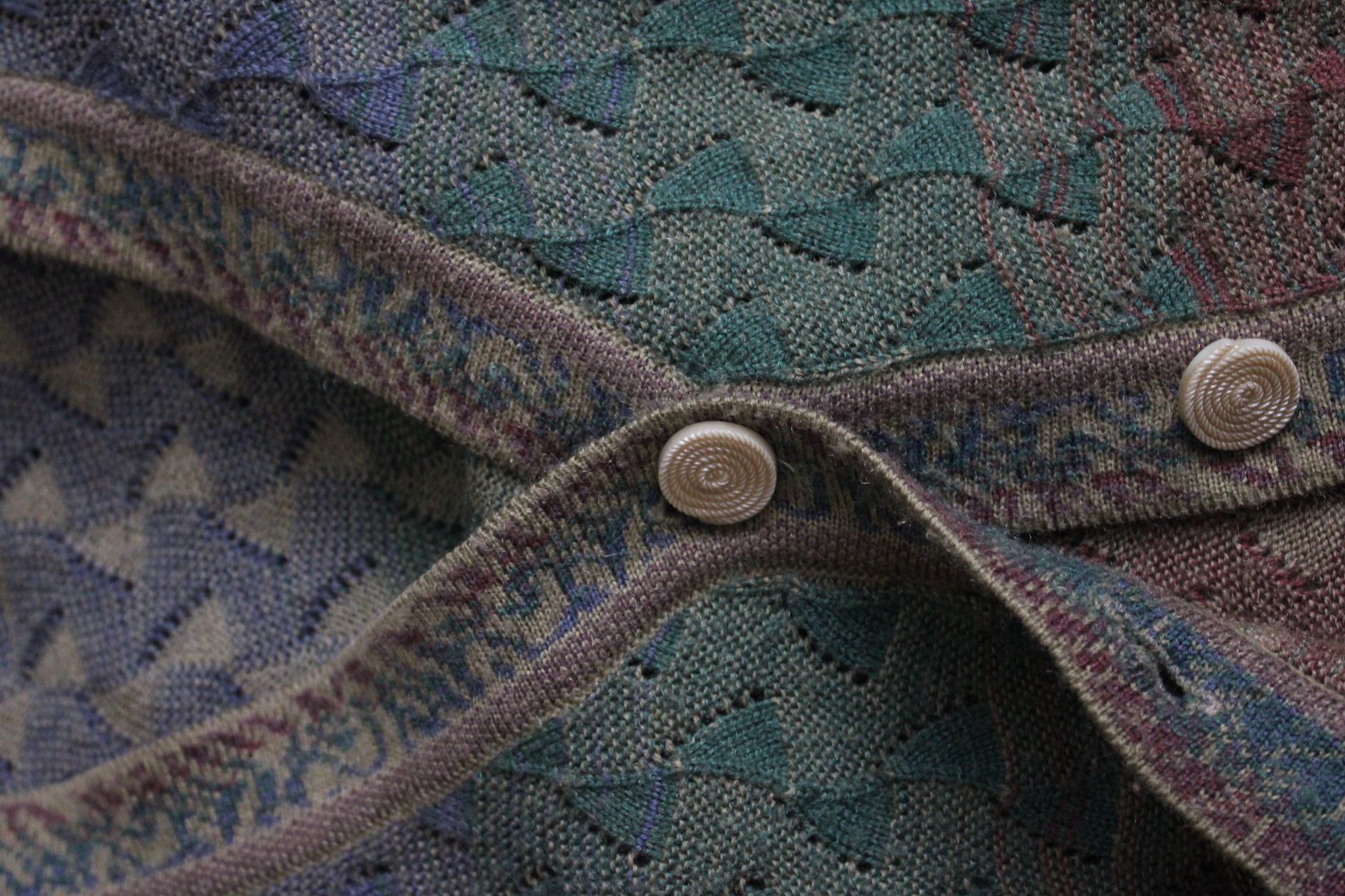
Fabric choice is a big part of what makes the current version of this silhouette feel different from its predecessors. The polo collars of the 1990s and early 2000s were often stiff, plasticky, and prone to curling. The knit polo, by contrast, is built from the same materials as a good sweater – merino wool, cotton bouclé, fine-gauge ribbing – which means it drapes rather than stands. It moves with the body instead of against it. That shift in construction alone separates it from the polo shirt tradition and places it firmly in the knitwear category.
Color plays into the trend as well. While crewnecks trend toward safe neutrals and graphic prints, knit polos are appearing in the kind of tonal, considered palette that fashion has been orbiting for several seasons – camel, stone, dusty rose, forest green, deep navy. The silhouette tends to get worn monochromatically or in quiet tonal combinations, which gives even a simple outfit a finished quality that a plain crewneck rarely achieves without additional layering or accessories.
Retail behavior is tracking the shift. A growing number of brands that built their identity around knitwear basics are now leading their seasonal drops with polo-collar styles rather than the crewneck offerings that anchored their earlier collections. The crewneck hasn’t disappeared from these lineups, but it’s no longer the automatic centerpiece it once was.
How People Are Actually Wearing It
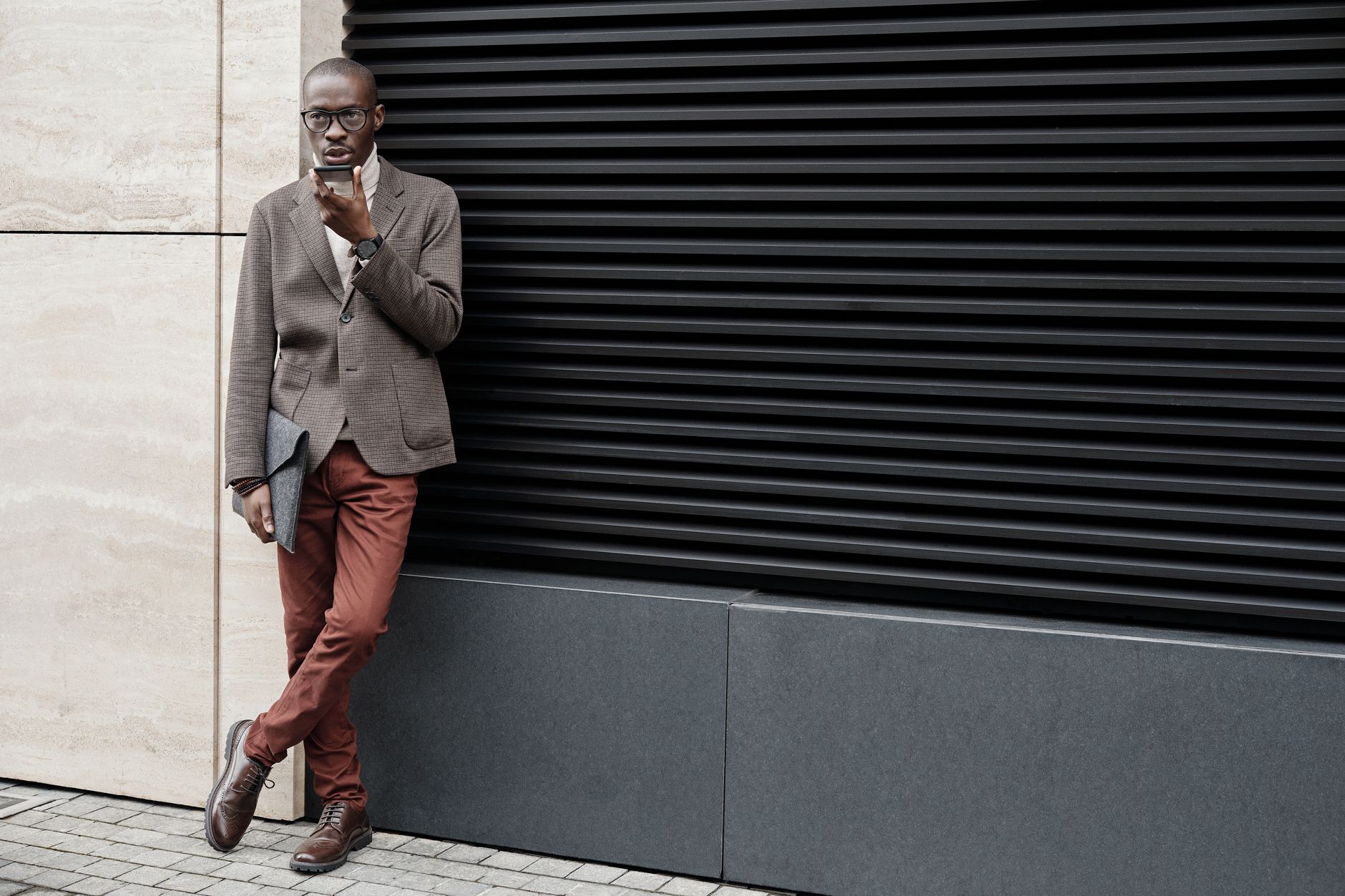
The strongest styling argument for the knit polo is its versatility across dress codes that previously required different garments entirely. Worn tucked into wide-leg tailored trousers, it reads as boardroom-adjacent. The same piece, half-tucked into dark denim, becomes weekend wear. It layers under a blazer without the collar fight that a crewneck creates – the polo’s neckline stays in place and adds visual structure to the overall look rather than getting swallowed by lapels.
Women’s styling has embraced the knit polo with particular enthusiasm. The silhouette works as a dress alternative when worn oversized over bike shorts or slim-cut trousers, creating a proportion play that feels current rather than borrowed from menswear. It also solves the “too casual, too formal” problem that comes up repeatedly in warm-weather dressing – lighter-weight knit polos in cotton or linen blends can replace the sleeveless tops and spaghetti-strap styles that feel right in July but wrong in a professional context.
Menswear has a different but equally strong use case. The knit polo is becoming the piece that fills the space between the T-shirt and the collared shirt in a way that feels natural rather than forced. For men who find the crewneck too shapeless and the Oxford shirt too studied, the knit polo offers a proportionally flatter silhouette – the collar adds definition around the face and neck that a crewneck simply doesn’t provide.
Layering potential is another point in its favor. A knit polo worn under an open overshirt, a leather jacket, or even a wool coat gives the collar something to do – it peeks out above the neckline in a way that creates visual interest without requiring a scarf or additional accessory. A crewneck layered the same way tends to disappear. That’s not inherently a flaw, but it does mean the crewneck relies on what’s layered over it rather than contributing to the look on its own terms.
The styling conversation around knit polos also intersects with how people are building outfits around footwear. A knit polo paired with tailored trousers and a clean flat – loafer, ballet flat, or low-profile sneaker – creates an effortless top-to-toe coherence. The polo’s collar adds enough formality that the shoes don’t need to compensate.
What This Means for the Classic Crewneck
The crewneck isn’t being retired – it’s being reassigned. Where it used to serve as the default answer to “what knit do I wear with this,” it’s now more deliberately chosen for specific contexts: casual weekend layering, graphic-print moments, oversized cozy dressing. The knit polo is claiming the occasions that require slightly more intention.
The more interesting question is whether the knit polo holds its ground once seasonal trends shift again or whether it pulls back into the niche it occupied before this run. Given how naturally it fits the current appetite for outfits that work across multiple contexts without significant restyling, there’s a reasonable case that it’s less a trend and more a quiet correction – the wardrobe filling in a gap it should have addressed a long time ago. Still, the crewneck’s simplicity is also its staying power, and it won’t cede ground without a fight.
Frequently Asked Questions
What is a knit polo and how does it differ from a regular polo shirt?
A knit polo is made from sweater-weight fabrics like merino or fine-gauge cotton, giving it a softer drape than traditional polo shirts, which are typically made from pique cotton.
How do you style a knit polo for a professional setting?
Tuck a fitted knit polo into tailored trousers and add a blazer over the top – the collar stays visible above the lapels and adds structure without looking overdressed.