


The cotton overshirt had a good run – relaxed, utilitarian, the go-to layer for anyone who wanted to look put-together without trying too hard. But a quieter, sharper option is now claiming that space in wardrobes everywhere: the linen blazer.

Why the Overshirt Is Losing Ground
The overshirt became a staple during a period when the line between dressed and undressed was intentionally blurred. Worn open over a tee or buttoned up as a standalone top, it offered the kind of effortless layering that felt modern without demanding much thought. For a few seasons, that was exactly what people wanted. The problem is that effortlessness can tip into shapelessness, and the overshirt – with its boxy silhouette and utilitarian pocket placement – started to read as more sloppy than studied.
The linen blazer solves this without overcorrecting. It still layers easily, still breathes in warm weather, and still carries that sense of relaxed dressing. But it adds structure at the shoulder, a cleaner chest line, and an overall silhouette that photographs better, ages better across a day’s wear, and works across more social contexts. You can wear a linen blazer to a lunch meeting and then to a rooftop dinner without a costume change. The overshirt, increasingly, can do neither particularly well.
There is also a texture conversation happening. Cotton overshirts tend to flatten out over the course of the day, losing whatever visual interest they started with. Linen, by contrast, wrinkles in a way that actually improves its appearance – the creases read as intentional, as character, rather than as neglect. That distinction matters to how clothes feel to wear and how they register to other people.
Retail behavior is already shifting. A growing number of brands that spent the last three years heavily stocking brushed cotton and chambray overshirts are quietly reducing those offerings while expanding their linen tailoring sections. The price point has also democratized – linen blazers that once started around formal-suiting prices are now widely available at contemporary and even fast-fashion tiers, removing the last practical barrier to adoption.
How to Actually Wear a Linen Blazer
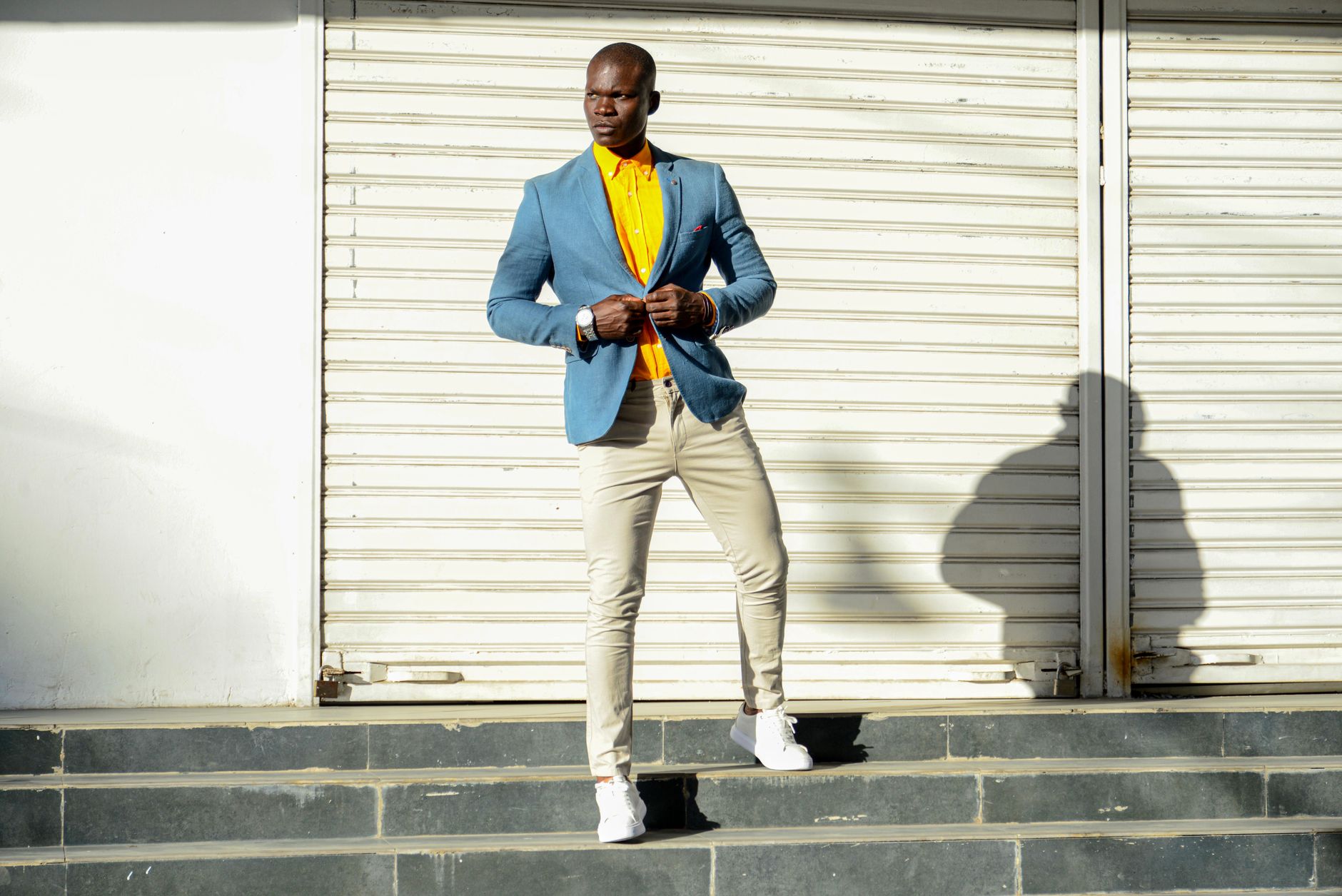
The key to making a linen blazer work is resisting the instinct to dress it up too much. The moment it gets paired with matching trousers and a button-front shirt, it stops doing what it does best – which is sitting at that productive intersection of casual and considered. The stronger styling choice is contrast: linen blazer over a vintage graphic tee, worn with straight-leg denim or relaxed trousers in a different fabric entirely. The blazer does the structural work so everything underneath can afford to be easy.
Color is where linen blazers consistently outperform the overshirt. The natural, slightly irregular weave of linen takes dye differently than cotton – earthy tones like clay, warm sand, sage, and washed olive read richer and more nuanced on linen, making even simple outfits look considered. A beige linen blazer over a white tee and white sneakers is technically a three-neutral outfit, but it reads as fashion-literate because the texture does the work that pattern or color would otherwise need to do.
Fit is the one non-negotiable. The overshirt forgave a lot of sizing variation – too big was fine, even preferable. The blazer does not extend the same generosity. A linen blazer that pulls across the back or swamps the shoulders looks unfinished in a way that undermines the whole point of wearing one. The good news is that most contemporary linen blazers are cut with slightly relaxed shoulders and a slightly shorter body than traditional suit jackets, so the sweet spot between tailored and casual is easier to land than it used to be.
Sleeve styling has become its own conversation. Rolling the sleeves of a linen blazer to the forearm – a technique borrowed from the cotton overshirt playbook – softens the formality and signals that the wearer understands the piece as a casual item, not a displaced boardroom staple. It is a small adjustment that changes the entire register of an outfit. Some brands are even cutting linen blazers with a slightly shortened sleeve specifically to encourage this kind of wear.
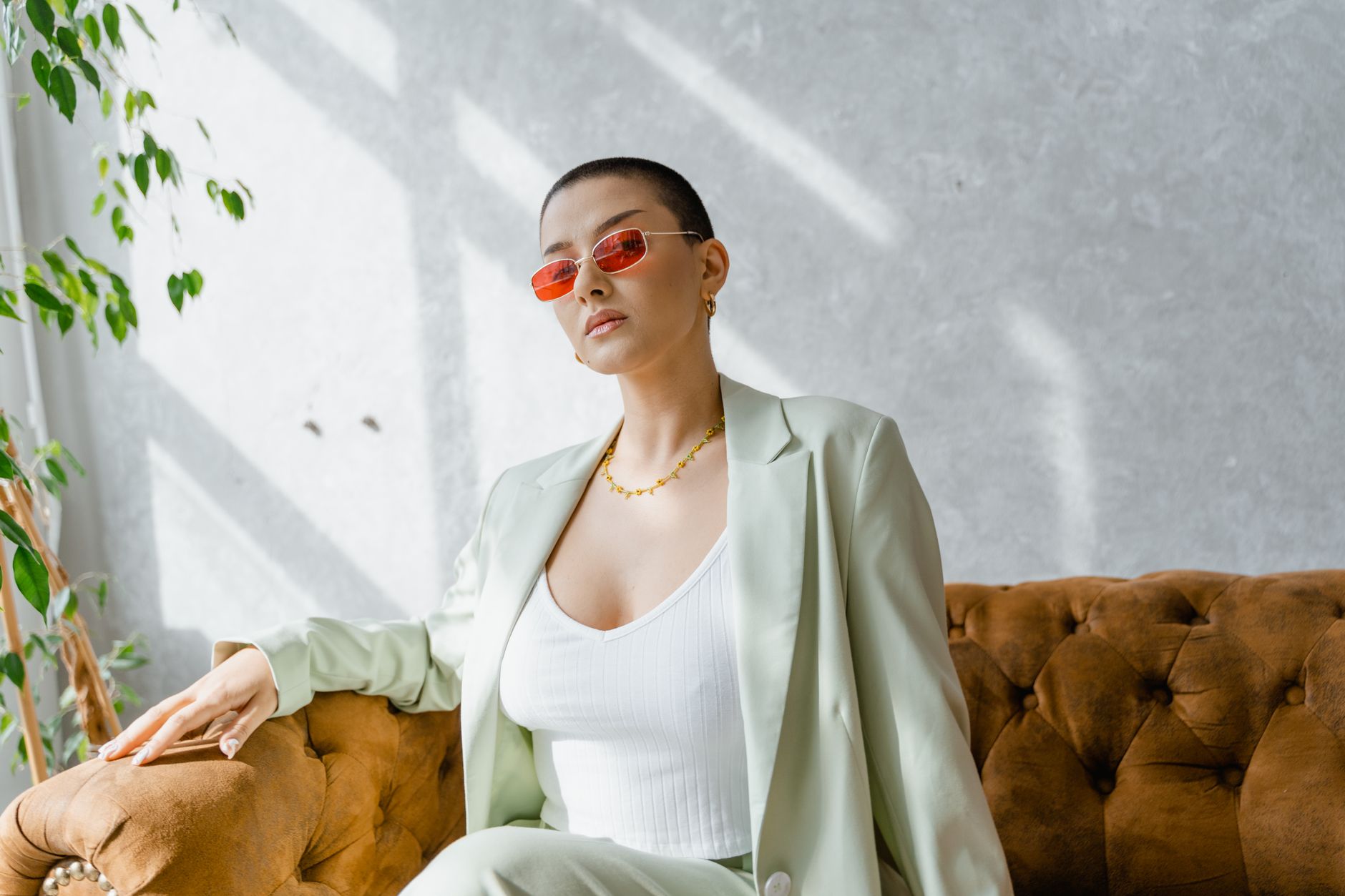
For women’s styling, the linen blazer has picked up momentum as a transitional piece that works with everything from wide-leg trousers to midi skirts to bike shorts. The oversized boyfriend-cut linen blazer in particular is doing consistent work as a layering piece, worn over slip dresses or lightweight knits in a way the overshirt never quite managed. It is the kind of versatility that makes a wardrobe item feel like a genuine investment rather than a seasonal experiment – much the same logic driving the current interest in transitional footwear staples that work across multiple dress codes.
What This Actually Signals
The shift from overshirt to linen blazer is not really about fabric preference. It reflects a quiet recalibration in how people want to present themselves – less deliberately casual, more accidentally elegant. The pandemic-era comfort dressing that made the overshirt feel relevant has given way to a desire for clothes that hold their shape and their social usefulness across a broader range of situations. The linen blazer offers that without demanding the stiffness of formal tailoring.
What the overshirt gave people was permission to look relaxed without looking like they had given up. The linen blazer gives them permission to look sharp without looking like they are trying. That is a harder balance to strike, and the fact that a single garment can consistently deliver it explains why closet real estate is shifting – one hanger at a time.
Frequently Asked Questions
Why is the linen blazer replacing the cotton overshirt?
The linen blazer offers the same relaxed layering as an overshirt but adds shoulder structure and a cleaner silhouette, making it more versatile across social settings.
How do you style a linen blazer casually?
Pair it with a graphic tee and straight-leg denim rather than matching trousers – the contrast between the blazer’s structure and relaxed basics is what makes the look work.