

Something is shifting on the summer shoe rack, and it isn’t subtle once you start noticing it. The wedge espadrille – that warm-weather staple built on a platform of braided jute and good intentions – is losing its grip on the season. In its place, the flat sandal is stepping forward: minimal, grounded, and refusing to apologize for the inch or two of height it doesn’t offer.
This isn’t the first time a comfort-coded shoe has cannibalized a slightly more elevated one. The cycle runs through every warm season, with one silhouette reading as effortless while another starts to feel like it’s trying too hard. Right now, the wedge espadrille is firmly in the “trying too hard” category, and the flat sandal is collecting its market share with very little ceremony.
Why the Wedge Espadrille Peaked When It Did
The wedge espadrille had a genuine run. For much of the last decade, it occupied a precise cultural niche: elevated enough to wear to a lunch where you wanted to look like you’d made an effort, casual enough to claim you hadn’t. It worked with linen trousers, with midi dresses, with the particular kind of summer wardrobe that prioritizes looking relaxed over actually being relaxed. Brands from Castaner to Soludos built entire identities around it.
But the wedge espadrille carries a certain visual weight that’s become harder to justify stylistically. The platform reads as maximalist in an era when the most-copied summer dressing leans stripped back. The jute sole, once charming in its craftsiness, now competes with a broader appetite for cleaner lines and less decorative construction. When a shoe starts to feel costumey before you’ve even left the house, that’s usually the beginning of the end for its trend cycle.
There’s also a practical argument working against it. Wedge espadrilles don’t survive rain, can’t handle cobblestones gracefully, and require a specific commitment of outfit energy to pull off. As the summer dressing conversation has moved toward pieces that work across more contexts – the beach bag that also works at dinner, the dress that reads appropriate everywhere – shoes that demand a complete look to make sense have become harder to reach for.
The Flat Sandal’s Quiet Takeover
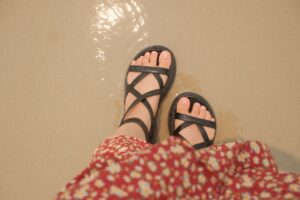
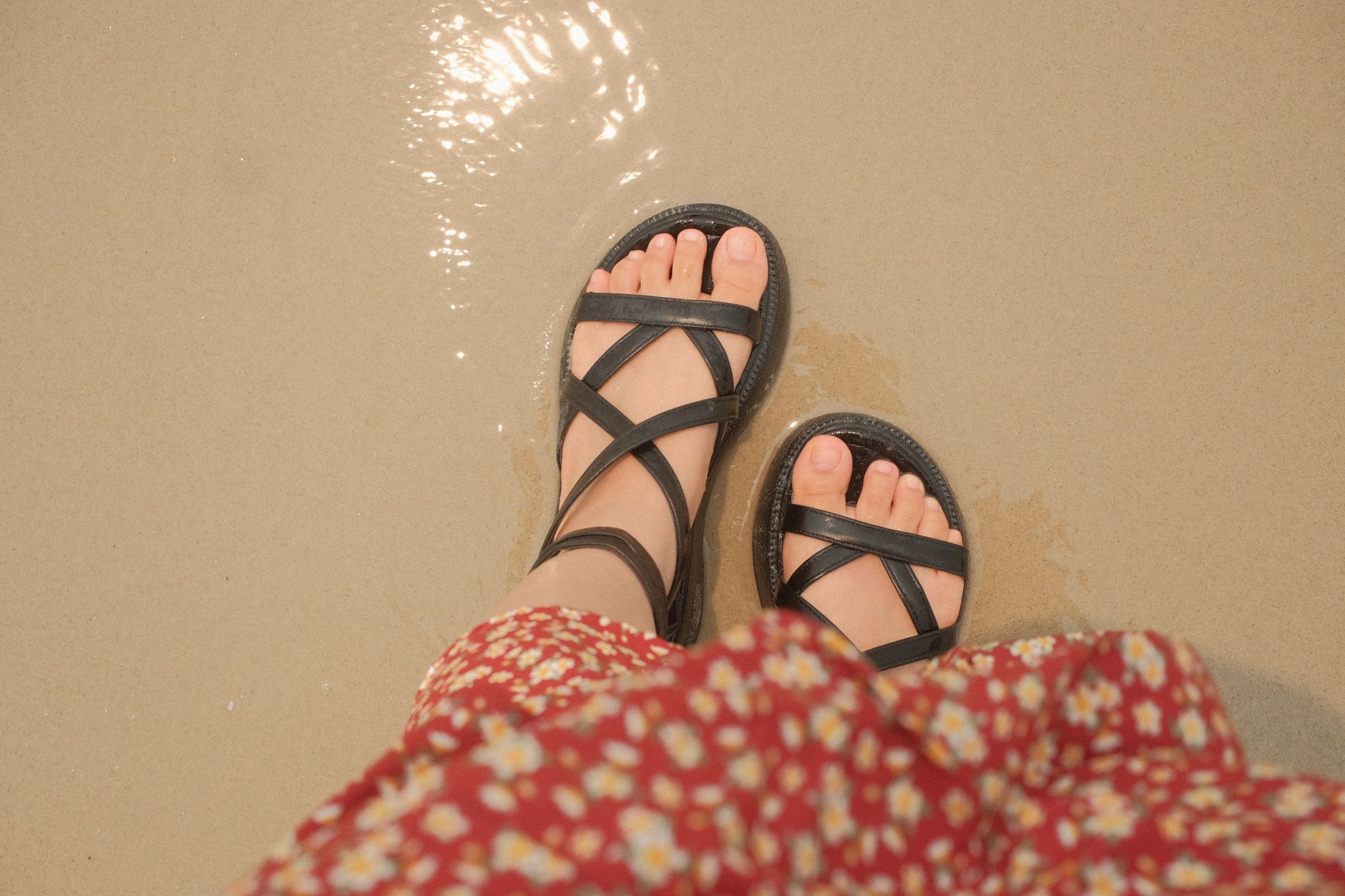
The flat sandal’s rise isn’t about any single design. It’s a category shift rather than a silhouette moment. Whether it’s a minimalist leather thong, a strappy gladiator, a barely-there slide, or a sculptural mule, what they share is proximity to the ground. That groundedness is exactly what the current fashion mood rewards. The pointed-toe flat’s displacement of the loafer followed the same logic: flatter, cleaner, less fuss, more versatility.
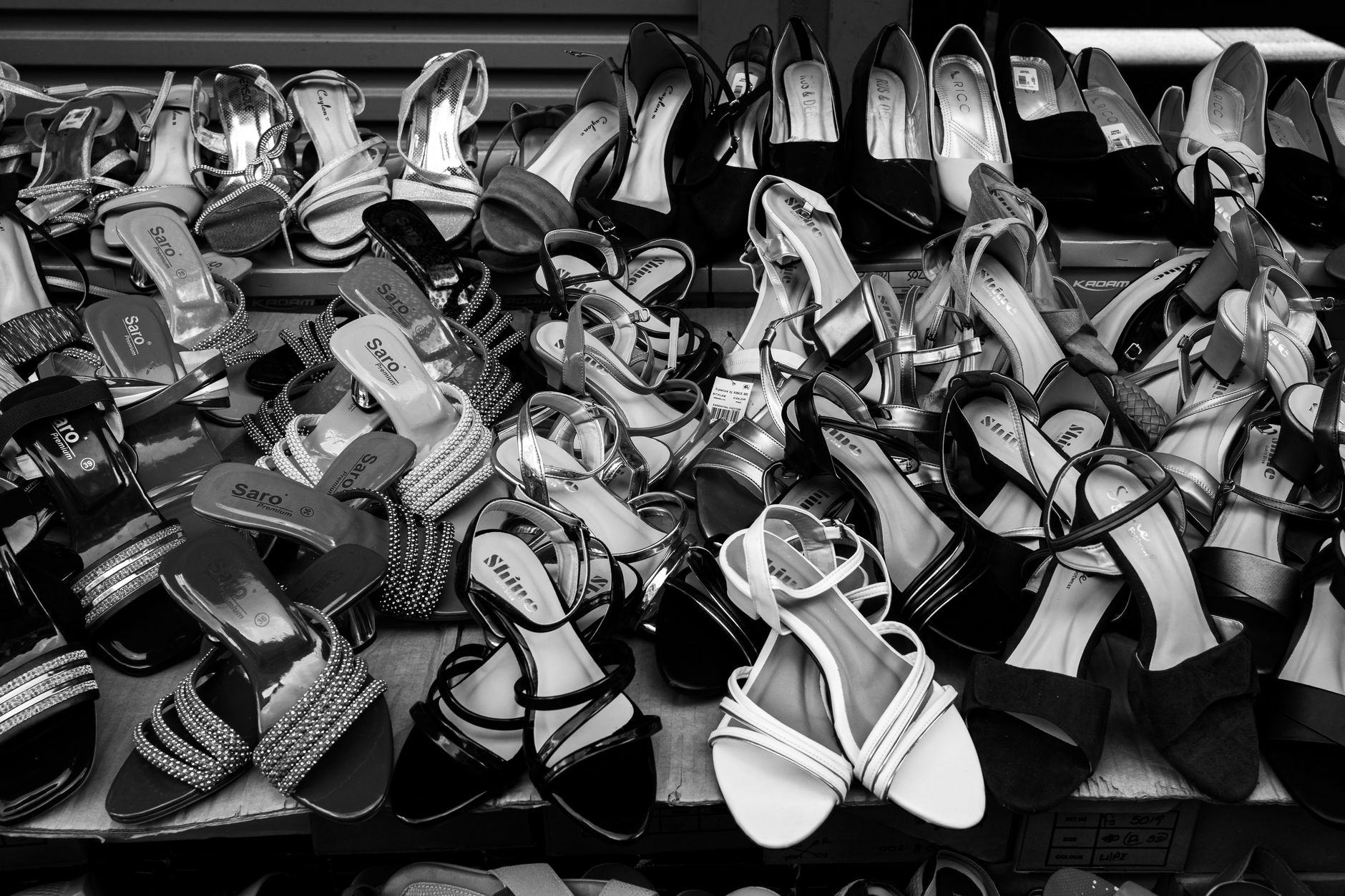
Luxury houses have been reading the room accordingly. Sandal designs across spring and summer collections have trended consistently lower to the ground, with embellishment concentrated on the upper rather than the sole. A flat sandal with interesting hardware or an unexpected strap construction delivers visual interest without the structural commitment of a wedge. The shoe does the work without the height.
What This Says About Where Summer Style Is Heading
The flat sandal’s dominance maps onto a wider rejection of what might be called “resort maximalism” – the mode of dressing that required coordinated effort, visible price tags, and a specific kind of occasion to justify itself. Summer dressing right now is being rewritten around pieces that exist without requiring justification. A flat sandal goes from morning coffee to an afternoon market to dinner without asking permission from your outfit.
There’s a confidence argument built into wearing flats that hasn’t always been available to the style conversation. For a long stretch, height was coded as polish – a few extra centimeters meant you were trying, which meant you cared. Flat sandals carry a different message entirely: the outfit is strong enough that the shoes don’t need to do elevation work. That’s a meaningful change in how summer dressing is performing itself.
Color and material have also shifted. Where wedge espadrilles leaned heavily into natural tones – straw, beige, off-white, the occasional terracotta – flat sandals are appearing in unexpected finishes. Metallic leather flats, cherry red straps, translucent PVC bands, heavily hardware-accented slides: the category is treating itself as a fashion object rather than a functional summer accessory. That creative expansion is part of what’s keeping it interesting across more of the wardrobe.
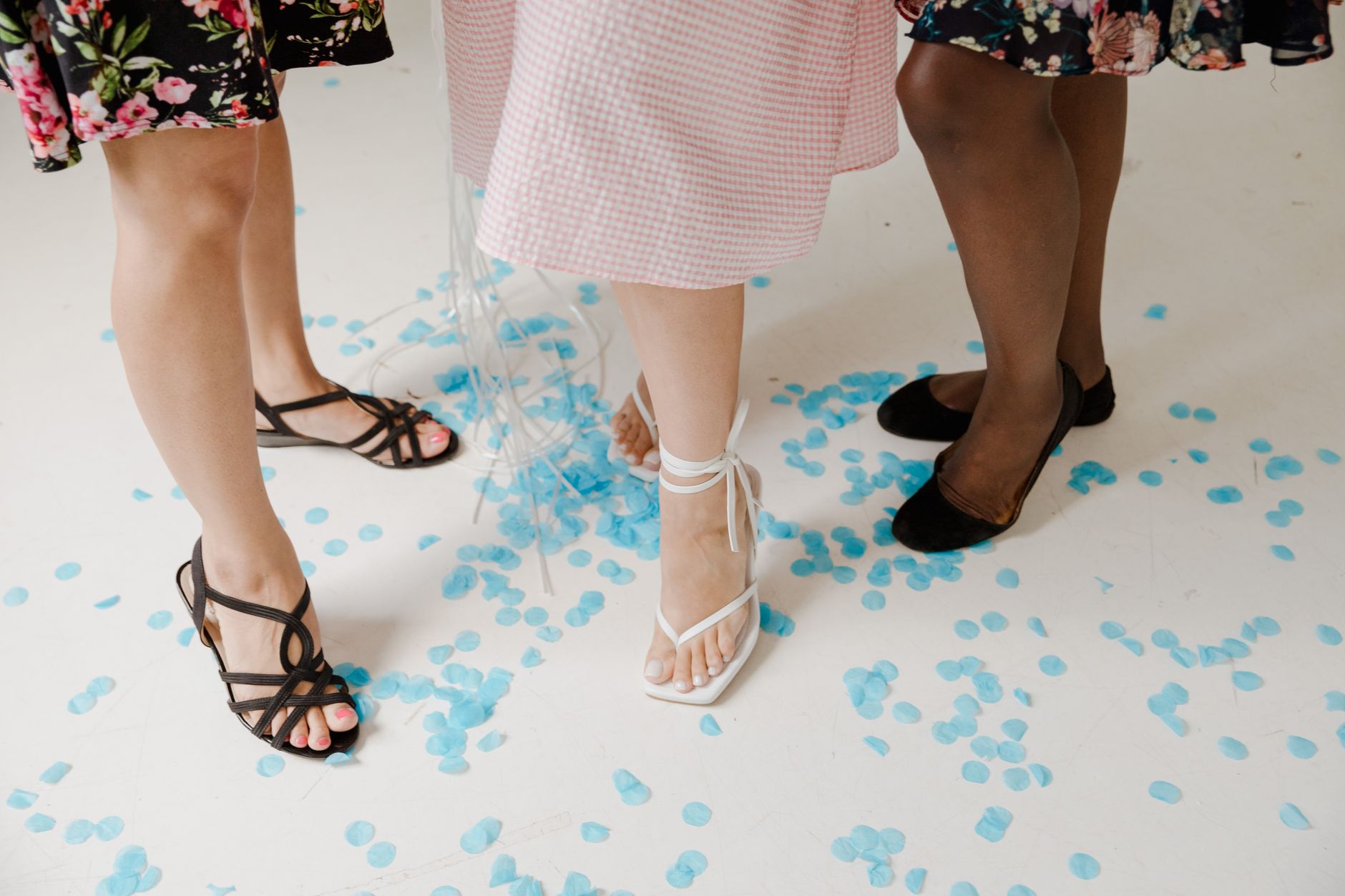
The wedge espadrille isn’t going to disappear from closets or from resort boutiques. It’s too deeply embedded in a certain vision of European summer dressing to vanish entirely. But its position as the default warm-weather elevated shoe – the thing you reach for when you want to look put-together without heels – is being contested. Flat sandals are making that argument now, and they’re making it from closer to the ground.
The question worth sitting with is whether the flat sandal’s current moment is genuinely a long-term repositioning or simply the pendulum swinging away from the wedge before it swings back. The wedge espadrille has survived several cycles of being declared over. What’s different this time is that the flat sandal isn’t just winning on style – it’s winning on versatility, wearability, and the particular kind of low-maintenance ease that summer dressing is increasingly being organized around. That’s a harder argument to come back from.