


The block-toe flat had a long run. Square-toed, low-slung, and deliberately utilitarian, it became the footwear shorthand for a certain kind of effortless European dressing. But something quieter and more considered is replacing it on the shelves of boutiques and in the rotation of women who care about shoes – the kitten heel loafer.
Why the Kitten Heel Loafer Is Having Its Moment
The kitten heel loafer is not a new invention. It pulls from two separate shoe archetypes – the loafer, with its workwear roots and prep school associations, and the kitten heel, the circa-1950s compromise between flats and real heels that Audrey Hepburn helped legitimize. What’s new is how the two are being combined and positioned right now: not as a retro novelty, but as a serious wardrobe staple.
The block-toe flat built its dominance on the idea that footwear should be comfortable first, stylish second. It rejected the conventional heel in favor of a wide, squared-off toe box that made comfort visible and legible. For several seasons, that silhouette became almost reflexive – the go-to shoe for anyone who wanted to look polished without looking like they were trying. It worked particularly well with tailored trousers and midi skirts, which dominated wardrobes during that same window.
The kitten heel loafer keeps the polish but reintroduces a small amount of elevation – typically between 1.5 and 2.5 centimeters – that changes the entire posture of an outfit. It elongates the leg without demanding the physical sacrifice of a real heel. It also carries the loafer’s inherent authority: the hardware, the structured upper, the sense that this is a shoe with something to say. That combination is landing differently than either the block-toe flat or the classic kitten heel pump ever did on their own.
There is also a timing element here. The maximalist shoe moment – platform boots, chunky trainers, exaggerated mules – has been losing energy for several seasons. The correction tends to move toward refinement rather than the opposite direction, and kitten heel loafers sit exactly at that intersection. They feel like a choice made by someone who has thought about shoes, which is precisely the signal a certain kind of fashion consumer wants to send right now.
How the Two Shoes Actually Compare
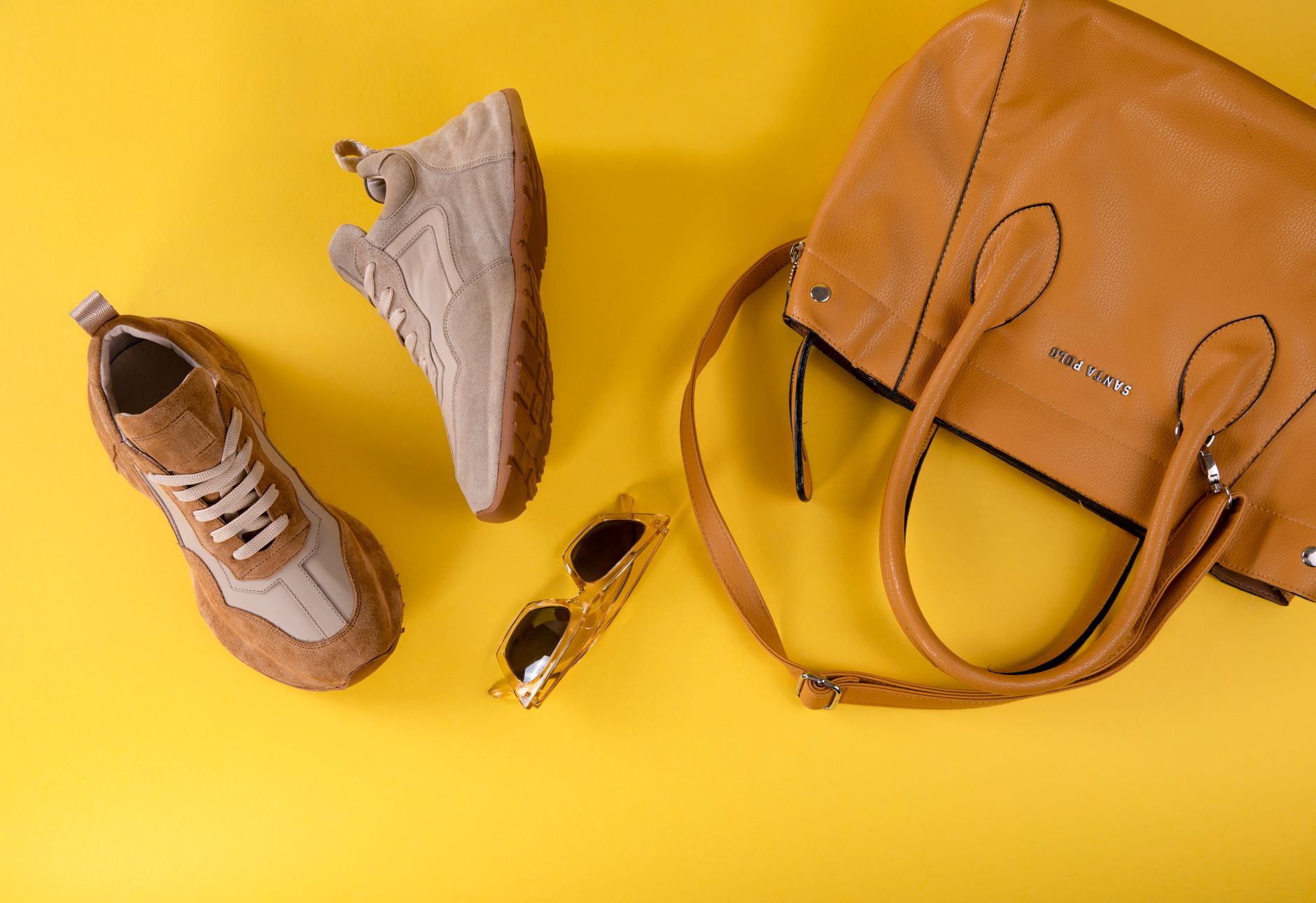
Put a block-toe flat and a kitten heel loafer side by side and the differences are more pronounced than they appear in trend coverage. The block-toe flat tends to be broader across the toe, lower to the ground, and finished with a softer leather or suede. Its proportions are deliberately casual – it can be dressed up, but it never pretends to be something formal. The kitten heel loafer reads more structured from the first glance: the toe is usually more tapered, the sole thinner, and the heel creates a visual lift that changes the shoe’s entire silhouette.
Styling possibilities also diverge. The block-toe flat worked well with the oversized-everything aesthetic – wide-leg trousers, boxy blazers, voluminous knits. Its proportions balanced out clothing that needed something grounding. The kitten heel loafer is better suited to a slightly more defined silhouette, which tracks with where ready-to-wear collections are moving. Slim-cut trousers that hit at the ankle, fitted skirts, and even straight-leg jeans worn with a tucked shirt all look sharper with a kitten heel loafer underneath them.
Comfort is the obvious concern whenever a heel reenters the conversation, and it’s worth addressing directly. Kitten heels at this height – under 3 centimeters – distribute weight very differently from a stiletto or even a modest block heel. The foot remains largely flat, and the incline is gentle enough that most wearers report no meaningful difference in fatigue compared to a flat shoe. The heel is essentially structural rather than functional, providing lift without tipping the body forward. For anyone who has spent years avoiding heels on comfort grounds, the kitten heel loafer often comes as a genuine surprise.
Colorways and finishes are also pushing the kitten heel loafer forward. Where the block-toe flat leaned into neutral suedes and matte leathers, the kitten heel loafer is appearing in a wider range of finishes – patent leather, two-tone combinations, metallic leathers, and even woven textures. This variety gives it more seasonal range. It can function as a winter staple in a dark leather and carry into spring in a bone patent or a pale tan. The block-toe flat never quite achieved that seasonal flexibility at the same commercial scale.
The slingback flat has been making a similar argument about refined footwear displacing more casual silhouettes, and the kitten heel loafer sits in that same current. Both represent a move toward shoes that carry a slightly more deliberate, dressed-back energy rather than the easy nonchalance that dominated the past few seasons. The loafer’s structure and the kitten heel’s lift together make the case that polish doesn’t have to mean discomfort – which turns out to be a case a lot of women are ready to hear.
Where This Leaves the Block-Toe Flat
The block-toe flat is not going away. Shoes that earned real wardrobe loyalty over multiple seasons don’t disappear after a single trend cycle – they just stop being the answer to every outfit question. The kitten heel loafer is simply taking up more of the space the block-toe flat used to occupy by default, particularly for occasions that call for something a step above casual. The block-toe flat still makes sense for long days and relaxed dressing; it’s just no longer the aspirational choice.
What the shift reveals is how quickly the dominant silhouette of “smart but practical” can migrate from one shoe to another. Two years ago, the block-toe flat was the obvious choice for a job interview, a gallery opening, a dinner where you wanted to look considered without looking formal. That mental shortcut now belongs to the kitten heel loafer – and once a shoe earns that kind of cultural positioning, it tends to hold it for a while. The real question is which part of the wardrobe it rewires next: right now, it’s pairing mostly with tailored separates, but its relationship with denim is where things could get more interesting.
Frequently Asked Questions
What is a kitten heel loafer?
A kitten heel loafer combines the structured upper and hardware of a classic loafer with a small heel, typically between 1.5 and 2.5 centimeters, creating a polished silhouette without significant elevation.
Are kitten heel loafers comfortable for all-day wear?
Yes, for most wearers. The heel height is low enough that weight distribution remains close to flat, making them suitable for longer wear without the fatigue associated with higher heels.