
The pointed-toe loafer had a good run. For the better part of three years, it was the flat shoe – sleek, office-appropriate, and sharp enough to carry both tailored trousers and mini skirts without missing a beat. But something softer is gaining ground, and it has holes in it.
Why the Mesh Ballet Flat Is Catching On Now
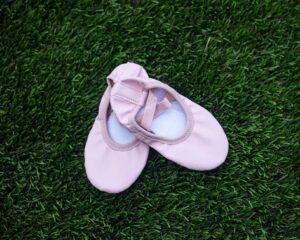
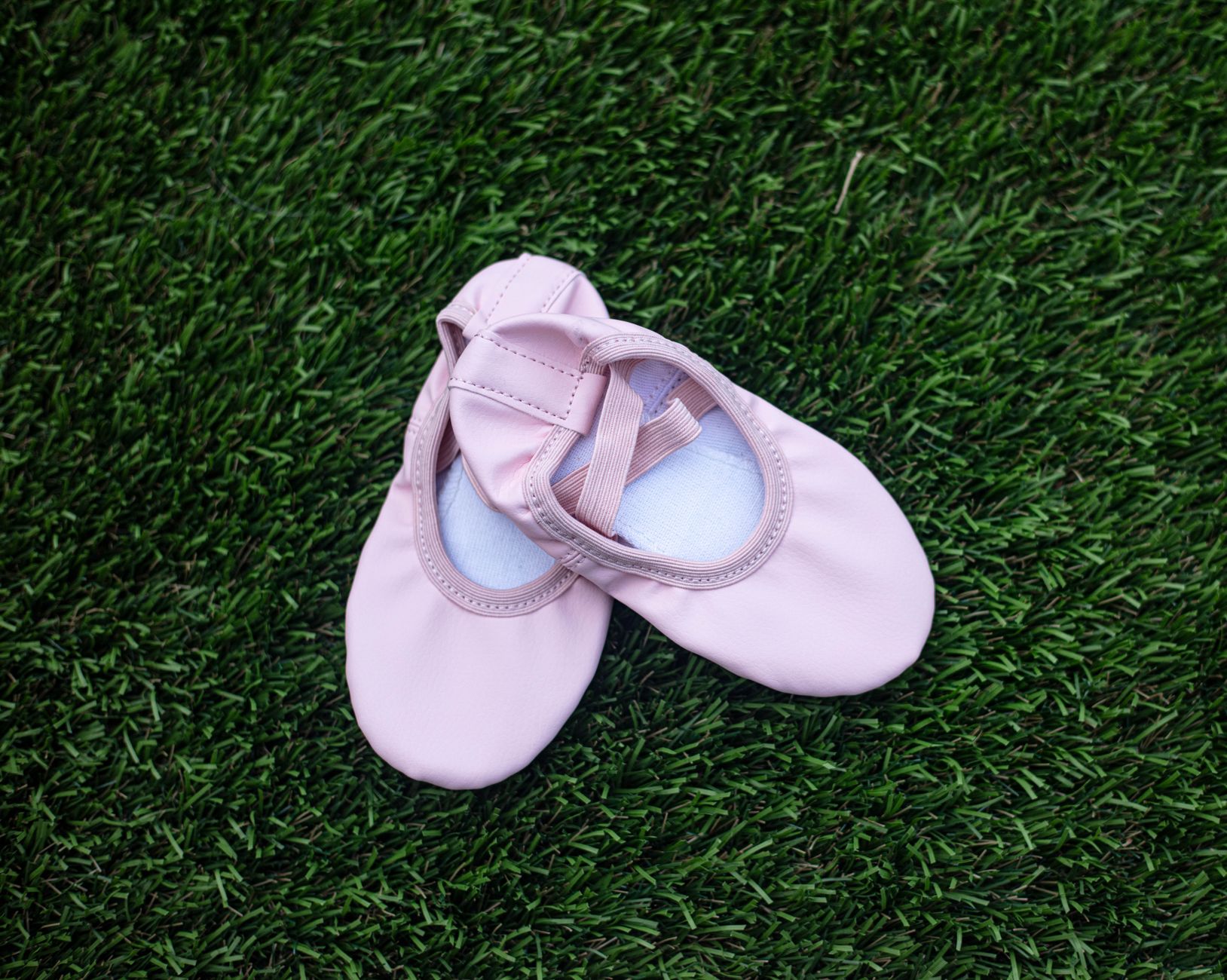
The mesh ballet flat is not a new silhouette. Its DNA traces back to dancewear, to the kind of shoe that was always practical before it was fashionable. What has changed is context. The broader appetite for sheer textures across clothing – mesh tops, lace overlays, organza layers – has created a natural demand for that same logic to reach the feet. When the rest of the outfit is playing with transparency, a solid-leather loafer starts to look heavy by comparison.
There is also a comfort argument that the pointed-toe loafer simply cannot win. The ballet flat silhouette – rounded toe, close-to-ground sole, minimal construction – makes it the quieter choice in every sense. Mesh adds breathability to that equation, which matters when the shoe is worn without socks during warmer months. The loafer requires more deliberate styling; the mesh flat tends to disappear into an outfit in a way that reads as effortless rather than unconsidered.
Runway collections over the past two seasons have been consistent on this. Flat, delicate, almost architectural footwear has appeared across shows where structured and embellished silhouettes dominated. The mesh flat sits in a category alongside fishnet-detailed mules and woven kitten heels – shoes that are interesting at the texture level without demanding attention through height or hardware. That restraint is exactly where fashion’s appetite is right now.
The loafer is not disappearing. It would be an overstatement to call this a full displacement. But the pointed-toe version specifically – which leaned heavily on its association with power dressing and office formality – is facing a style climate that has softened its enthusiasm for that kind of sharp, deliberate dressing. The mesh flat steps into that gap with something that feels less constructed, less intentional about projecting authority.

How Stylists Are Actually Wearing It
The most common pairing showing up across editorial shoots and street style coverage is the mesh ballet flat with a midi skirt – bias-cut satin, pleated cotton, or broderie anglaise – and a simple fitted top. The shoe anchors the outfit without competing with it. Where a pointed loafer would add a deliberate punctuation mark at the ankle, the mesh flat keeps the line moving. It is a subtler effect, but that subtlety is the point.
With tailored pieces, the mesh flat performs differently than you might expect. It does not read as casual or underdressed against wide-leg trousers or a sharp blazer. Instead, it functions as a counterweight – something feminine and soft placed against something structured and boxy. The visual tension works because the shoe is inherently delicate. The wearer looks like she made a considered choice rather than defaulting to heels or sneakers.
Denim pairings have also given the mesh flat a new context. Straight-leg and barrel-leg jeans cut off just above the ankle expose exactly the kind of shoe that benefits from visual lightness. A chunky loafer in that position can read as dated. The mesh flat, especially in a neutral like black, ivory, or a pale metallic, lets the denim do its work without interruption. It is the footwear equivalent of a fine chain necklace – present, but not loud.
Color and material variations are expanding the shoe’s range. The first wave was largely black or nude mesh with a simple leather or grosgrain trim at the vamp. Now the shoe is appearing in jewel tones, in tone-on-tone satin-and-mesh combinations, and with embellishment at the toe box – bows, small crystals, or a sculptural topline. That evolution makes it harder to dismiss as a minimalist-only shoe. It is building toward a category rather than remaining a single silhouette. Shoes like the grosgrain bow flat have been paving some of this same ground, establishing that decorated ballet silhouettes can carry their weight as a genuine footwear trend rather than a seasonal footnote.
One challenge the mesh flat has not fully resolved is weather and occasion range. It is genuinely limited – rain, cold, and rough terrain rule it out immediately, and some workplaces still read it as too casual. The pointed loafer’s staying power comes partly from its versatility: it bridges professional and social settings without much negotiation. The mesh flat is a warmer-weather, softer-occasion shoe, and anyone building a wardrobe around it has to account for those limits honestly.
What This Says About Where Flat Shoe Dressing Is Going
The shift toward lighter, more textural flats suggests that the flat shoe category is separating into two distinct camps: those that borrow their authority from tailoring references – loafers, oxfords, brogues – and those that borrow from movement and softness – ballet flats, mules, slingbacks. For the past few years, the first camp dominated. Right now, the second is having a moment that feels less like a trend cycle and more like a genuine recalibration of what dressed-up without heels actually looks like.
What remains unresolved is whether the mesh flat can hold its ground past a single strong season. Ballet flats have cycled in and out of fashion prominence for decades, and each time they arrive, the question is whether the iteration has enough staying power or whether it is simply filling the space between louder trends. The mesh version has texture working in its favor – texture tends to extend a silhouette’s relevance because it keeps evolving even when the shape stays fixed. But the pointed-toe loafer was also supposed to be permanent, and here we are.
Frequently Asked Questions
What is a mesh ballet flat?
A mesh ballet flat is a low-profile, rounded-toe shoe made with a sheer or open-weave mesh upper, combining the classic ballet flat silhouette with a lighter, more breathable texture.
How do you style a mesh ballet flat?
Mesh ballet flats work well with midi skirts, wide-leg trousers, and straight-leg denim. They pair best with outfits that benefit from a delicate, unstructured shoe rather than a sharp or heavy one.