


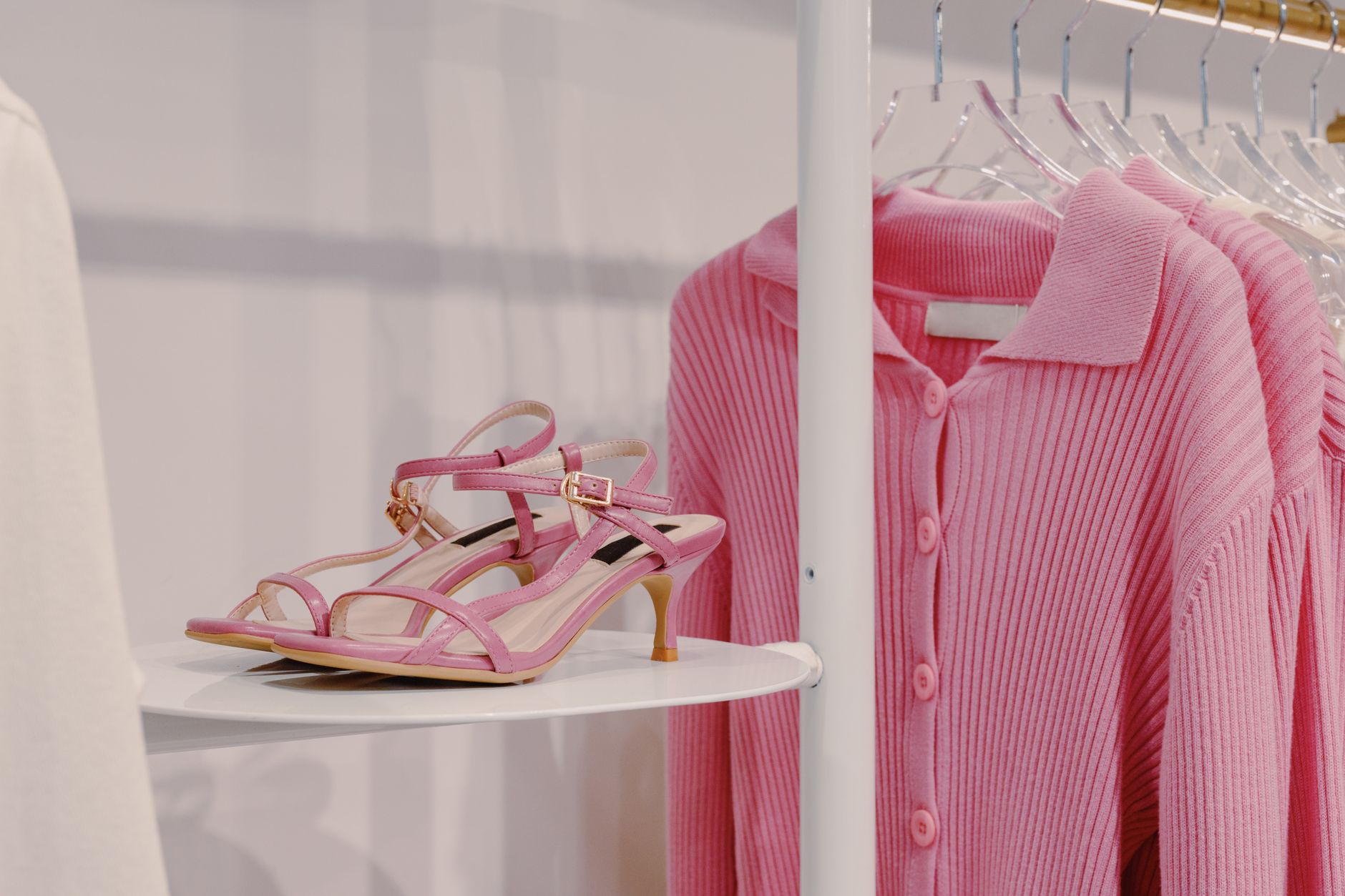
The kitten heel slingback is not making a dramatic comeback. It never really left – it simply waited while the fashion cycle exhausted itself on chunkier, louder alternatives. Now, as block-heel pumps start to feel like the footwear equivalent of a statement wall, the kitten heel slingback is showing up in closets and on runways with a quiet confidence that’s hard to argue with.
What’s driving the shift is less about nostalgia and more about proportion. After years of maximalist dressing – oversized blazers, wide-leg trousers, voluminous skirts – the silhouette is tightening again. Tailored trousers with a cigarette cut, fitted midi dresses, structured column skirts: these pieces don’t need a shoe that competes for attention. They need one that finishes the look. The kitten heel slingback does exactly that. Its low heel creates a barely-there lift, and the open back keeps the ankle visible, which elongates without overpowering.
The block-heel pump, for its part, built its moment on comfort logic and a certain dressed-down authority.
Why the Block Heel Started Losing Ground
For most of the late 2010s and into the early 2020s, the block heel made perfect sense. It offered stability, it read as practical, and it played well with the era’s preference for shoes that looked like they could handle a full day of meetings followed by dinner. But practical dressing has a shelf life when it starts looking indistinguishable from tired. The block-heel pump became so ubiquitous – in every colorway, across every price point – that it stopped reading as a choice and started reading as a default.
There’s also the silhouette problem. The block heel adds visual weight to the foot. On certain trouser widths, that works. On the narrower, more tapered cuts now gaining traction, it can make the foot look heavy and bottom-loaded in a way that disrupts the whole line of the outfit. The kitten heel slingback solves this by keeping the foot looking light. The thin heel, typically between one and two inches, doesn’t anchor the shoe to the ground the way a block does. It gives the impression of floating, which is precisely the effect a streamlined outfit needs.
Runway collections from the past two seasons have reinforced this direction repeatedly. Looks styled with delicate, low-heeled slingbacks appeared alongside narrow trousers and slim coats – a pairing that communicates a very specific kind of effortless precision. The block heel, when it appeared at all, was reserved for bulkier, more directional looks. Its role has quietly been reclassified from everyday staple to occasional accent.
The Slingback’s Specific Appeal
The slingback strap is doing more work than it gets credit for. By leaving the heel of the foot exposed, it creates an open, airy quality that a closed court shoe or a full pump doesn’t have. This matters more than it sounds. When the rest of an outfit is structured and intentional, a closed shoe can make the whole look feel sealed shut, slightly airless. The slingback introduces a breath of lightness – a small but noticeable edit that keeps the look from feeling overdone.
Comfort is part of the conversation too, though not in the way the block heel framed it. The block heel promised stability; the kitten heel slingback offers something different – ease without bulk. A heel under two inches means most people can wear this shoe for extended stretches without the structural suffering that comes with a stiletto. The slip-on nature of the slingback means it’s faster to put on and take off, which might seem trivial but registers in the overall experience of a shoe as something that respects your time. That ease extends to versatility: this shoe works with suiting, with a summer dress, with wide-leg denim styled deliberately enough to carry it.
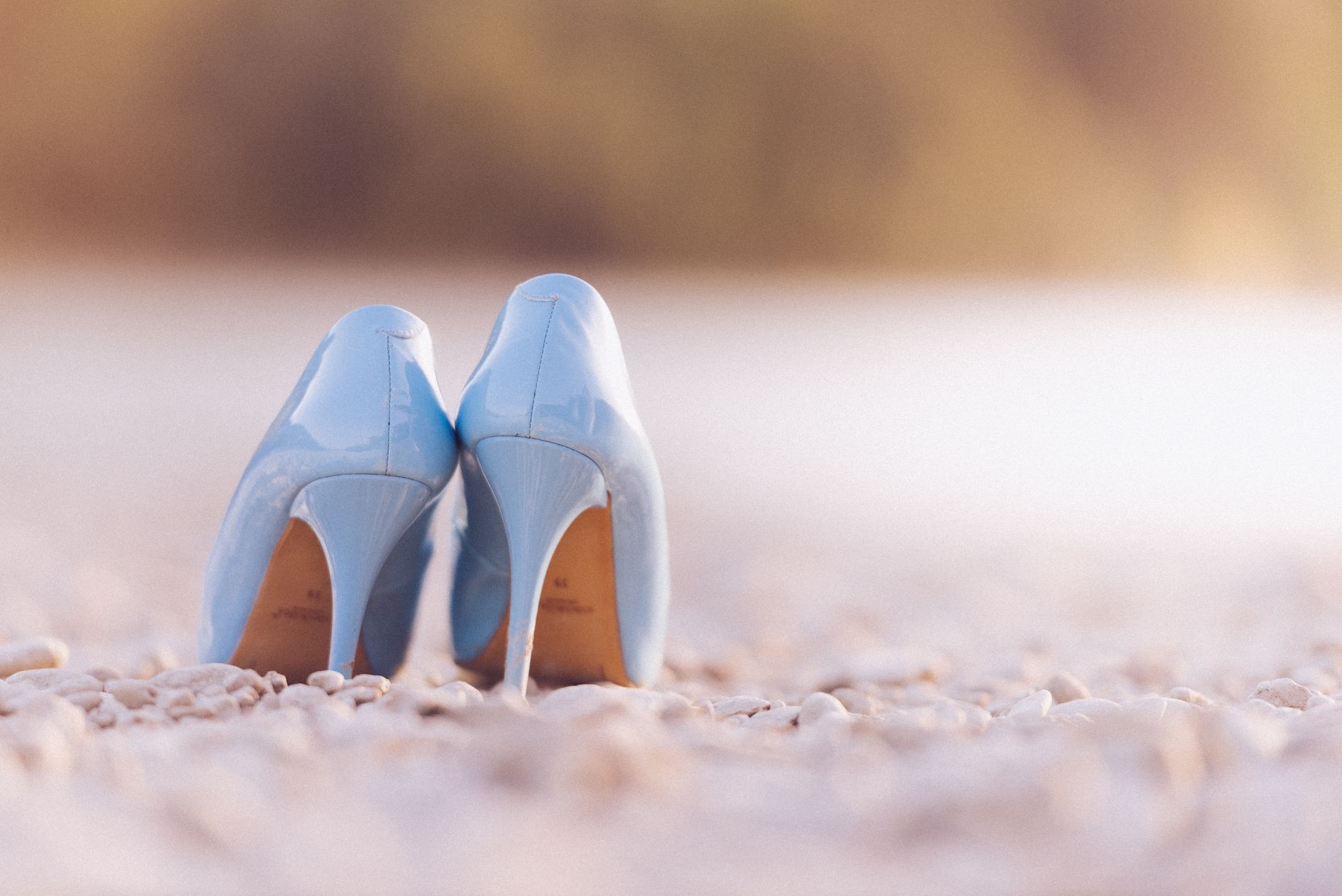
The color stories emerging around the slingback are also worth attention. While block heels trended heavily toward neutrals – nude, black, cognac – the slingback is showing up in soft pastels, in patent leather, in pointed-toe iterations with subtle two-tone details. It’s being treated as a piece with its own design ambition, not just a functional base. This signals something: the slingback is no longer the shoe you choose when you don’t want your shoe to be noticed. It’s becoming the shoe you choose precisely because you want it to be noticed – just quietly.
This mirrors what’s happening with other accessories making a similar case for refined restraint over obvious statement-making – much the way the mule heel has been edging out the strappy sandal in the same low-key, inevitable fashion.
What This Means for Your Shoe Rotation
If your wardrobe is moving toward cleaner proportions – slimmer trousers, structured midi lengths, less volume overall – the kitten heel slingback earns its place fast. It pairs with the kinds of outfits that are already doing the work, and it doesn’t interrupt them. A pointed-toe slingback in black patent with a column dress is a nearly complete argument. The same shoe in cream or camel carries a tailored trouser and a fitted knit through spring without looking like it’s trying.
The block-heel pump isn’t disappearing from anyone’s closet overnight, and it shouldn’t. It remains a solid choice for long days when you genuinely need stability, and certain wide-leg or relaxed silhouettes still wear it better than anything with a thin heel. But its position as the automatic, aspirational everyday heel is slipping – and the kitten heel slingback, after years of existing in the background as a retro footnote, is filling that vacancy with something that feels both considered and, oddly, overdue.
The most telling detail: vintage pairs from the 1990s and early 2000s are selling out at a rate that has consignment stores actively sourcing them as dedicated stock, while new production from contemporary brands is accelerating to meet demand that didn’t look this strong two years ago.