

The wooden mule had a good run. Chunky, sculptural, effortlessly Scandinavian – it became the default warm-weather shoe for anyone who wanted to look considered without trying too hard. But something is shifting on the shoe floor, and it’s small-heeled, closed-toe, and significantly more interesting.
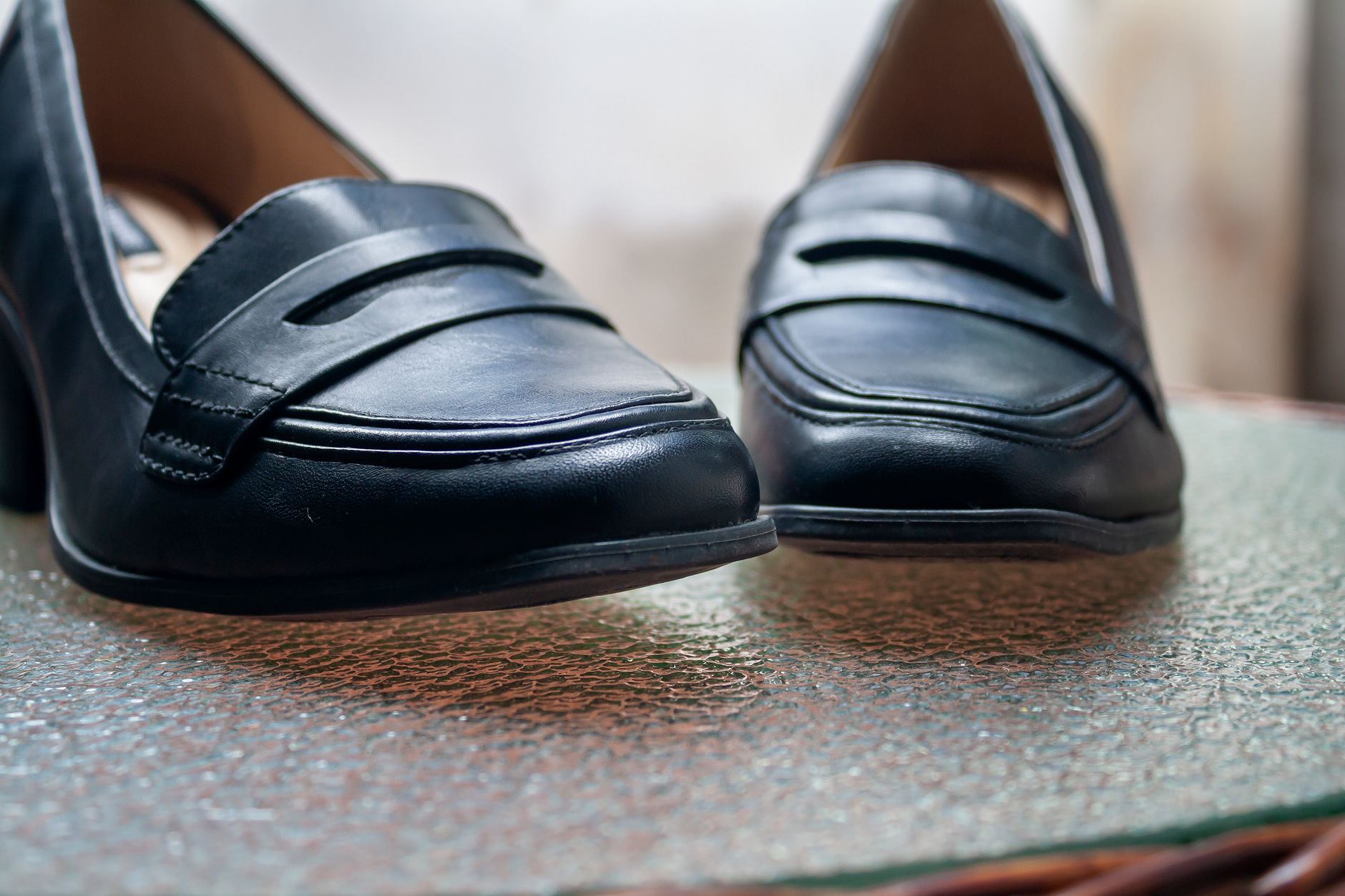
The Kitten Heel Clog Makes Its Case
The kitten heel clog is not a new shoe. It existed in various forms across the 1990s and early 2000s, occupying an awkward middle ground between the flat clog and the proper heel – too casual for the office, too structured for the weekend. That ambiguity is exactly why it’s winning now. Dressing has become less categorical, and a shoe that doesn’t fully commit to one register turns out to be the right shoe for how people actually live.
What separates the kitten heel clog from its wooden mule predecessor is the lift. The wooden mule gives height through platform bulk – the sole does the work, and the foot sits flat or nearly flat on top of it. The kitten heel clog puts the heel at the back on a slender, slightly curved post, usually two to three centimeters tall. That small difference changes the posture entirely. The foot tips forward slightly, the leg lengthens, and the silhouette reads as dressed-up even when the rest of the outfit is relaxed.
The toe box matters too. Most versions currently circulating close the toe – either with a rounded cap or a slightly tapered point – which reads as more polished than the open-toe mule. Paired with wide-leg trousers or a midi skirt, the closed-toe kitten heel clog creates a clean, pulled-together line that the backless, open mule simply can’t achieve. The mule, for all its charm, tends to make proportions read as casual by default.
Materials are doing a lot of the heavy lifting in distinguishing this shoe from its clog ancestors. Where heritage clogs leaned on raw wood and simple leather straps, the current kitten heel clog is arriving in patent leather, woven raffia, brocade fabric, and even molded rubber with glossy finishes. Some versions nod to traditional clog construction with a stacked wooden heel, while others go fully synthetic and sleek. The range is wide, which is part of why the shoe is gaining traction across different style communities simultaneously.
Why the Wooden Mule Is Losing Ground
The wooden mule had several peak years, and those peak years may be the exact reason it’s cooling off now. Any shoe that reaches full saturation – appearing on every rack at every price point – starts to feel less like a choice and more like a default. The wooden mule became the path of least resistance for anyone who wanted to look vaguely stylish without committing to a trend. That’s a useful role, but it doesn’t inspire loyalty once something fresher arrives.
There’s also a comfort conversation happening around backless shoes that wasn’t as loud a few years ago. The wooden mule, by design, requires the wearer to grip slightly with the toes to keep the shoe on while walking. Over long days or uneven surfaces, that gripping becomes fatigue. The kitten heel clog, with its enclosed structure, simply stays on the foot. It walks more like a shoe and less like an event.
Styling flexibility is another factor. The wooden mule sits most naturally with summer dresses, linen trousers, and warm-weather basics. Its seasonality is baked in – there’s something about the exposed bare foot and the heavy wooden base that signals July, and only July. The kitten heel clog, particularly in leather or heavier fabric, carries across spring, summer, and early autumn. With the right pair of socks – a white ankle sock, a sheer-knit stocking – it pushes even further into the transitional months.
The heel height also connects the kitten heel clog to a broader appetite for shoes that gesture toward elegance without fully committing to it. There’s a growing preference for footwear that reads as intentional without being uncomfortable or overly formal. The kitten heel sits in that exact pocket – it communicates effort, it elongates the leg, but it doesn’t demand a specific kind of occasion to justify itself.
Where the wooden mule often felt like an accessory to an outfit – something added at the last minute – the kitten heel clog tends to anchor the look. It has enough personality to be the point of the outfit, which is how a shoe earns its keep in a wardrobe long-term rather than cycling out with the season.
How to Wear It Now

The most wearable version of this shoe right now is a dark or neutral leather with a stacked wooden or block kitten heel – something that bridges the clog aesthetic with the femininity of the low heel. It pairs cleanly with straight-leg jeans and a tucked shirt, works under a slip dress, and holds its own with tailored shorts. This is the shoe that the wooden mule always wanted to be for transitional dressing but structurally couldn’t quite manage.
The version to watch is the patent or high-shine finish in a bold color – burgundy, forest green, cobalt. Brands experimenting in this direction are positioning the kitten heel clog as the statement shoe for people who find stilettos impractical and flat sandals too low-key. If the wooden mule was the shoe of effortless summer living, the kitten heel clog is making its bid to be the shoe of effortful cool – the kind of footwear that looks like you thought about it, because you did.