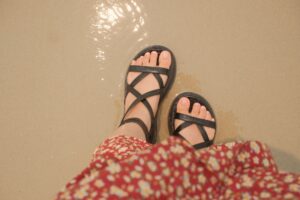
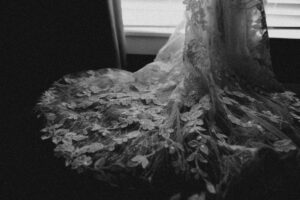

The pleated mini had a long run. For the better part of three years, it dominated fashion weeks, street style accounts, and the wardrobes of anyone paying attention to the direction hemlines were heading. But something quieter has been gaining ground – a skirt defined not by volume or construction, but by a single stripe of grosgrain ribbon running along its edge.
The grosgrain trim skirt is not a dramatic departure from anything that came before it. That is, in part, why it is winning. It sits at midi or just-below-knee length, typically in solid or subtly textured fabric, with a ribbon border – often in a contrasting or tonal shade – stitched along the hem. The detail is small. The effect is not.

Why the Pleated Mini Is Losing Ground
The pleated mini succeeded because it offered structure without stiffness, and a silhouette that read as polished without requiring much effort to style. It was the rare skirt that worked with chunky loafers and ballet flats, with oversized blazers and fitted tanks. For a moment, it felt like the answer to everything. But fashion does not reward permanence, and the pleated mini has begun to feel like a solved equation – worn so often and in so many contexts that it has stopped feeling like a choice.
There is also the question of mood. The pleated mini carried an energy that suited a particular post-lockdown appetite for going out, for being visible, for dressing with intention and volume. That appetite has quieted. The clothes that are resonating now tend to be more considered, more restrained – the kind of garments that communicate taste without announcing it.
The grosgrain trim skirt fits that shift in register. It is not trying to be noticed from across a room. It rewards closer attention, which is exactly the kind of dressing that tends to age well and attract the kind of fashion interest that lasts longer than a single season.
The Grosgrain Detail Itself
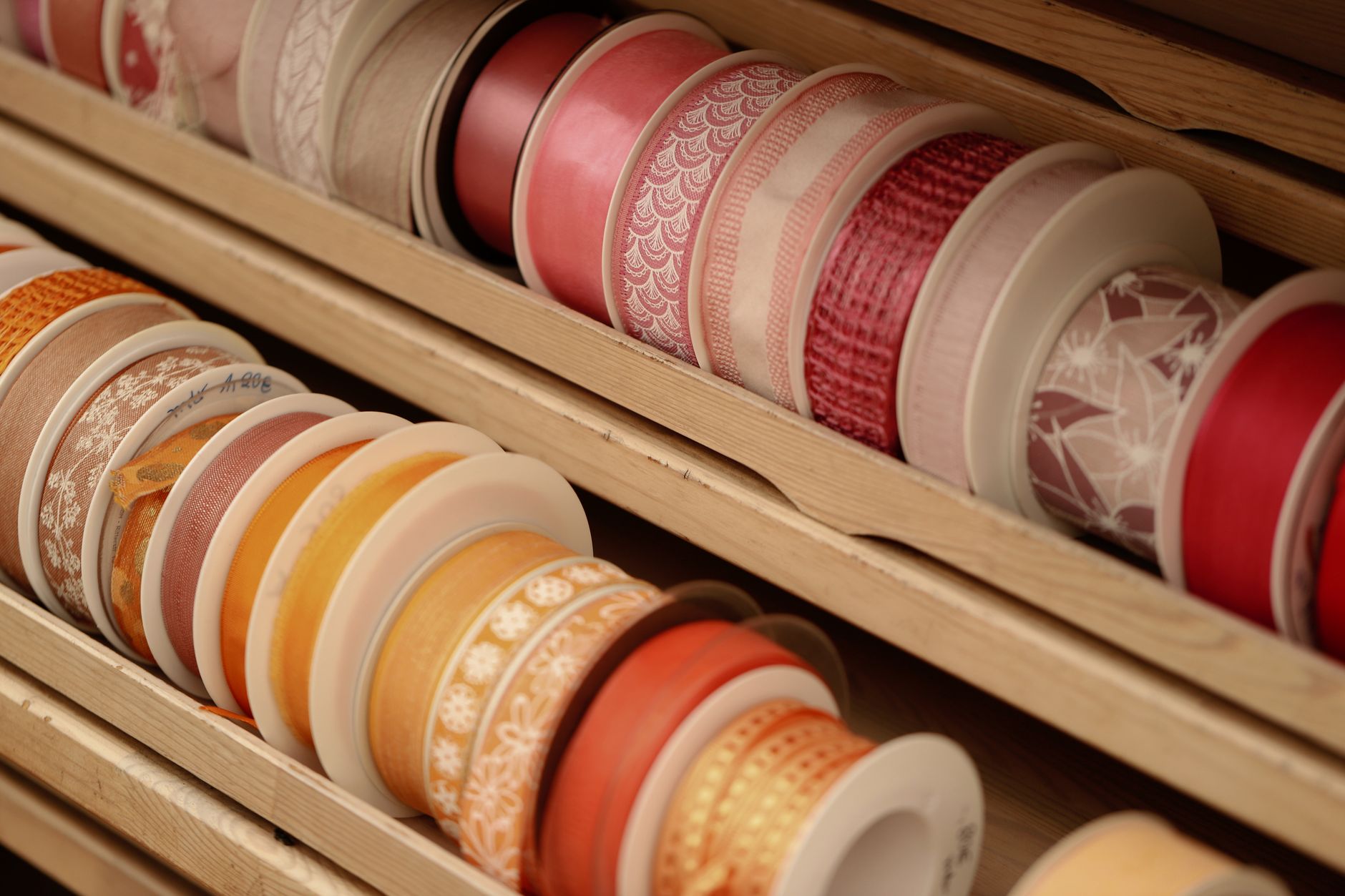
Grosgrain ribbon – with its distinctive ribbed weave and matte finish – has a long history in fashion, mostly as a trim on millinery, as a detail on ballet flats, and as a finishing touch on couture pieces that needed structure at the edge. Its current appearance on skirt hems borrows from all of those references at once. It reads as vintage without being costume-y, elevated without being precious.
What makes grosgrain particularly effective as a hem detail is its visual weight. It draws the eye down and anchors the silhouette, giving even a simple A-line or straight cut a sense of intentionality. A skirt that might otherwise read as basic becomes something with a point of view. That is a lot of work for a strip of ribbon. It is also, increasingly, exactly what the market is responding to. The grosgrain trim detail is appearing across categories, from footwear to skirts, suggesting a broader appetite for this specific finishing touch.
How the Skirt Is Being Worn
The grosgrain trim skirt has found a natural pairing with crisp button-down shirts tucked in at the waist – a combination that plays up the ribbon’s preppy associations while keeping the overall look grounded. It works equally well with simple fitted knits, particularly in fine-gauge cotton or merino, where the ribbon hem adds the only point of visual interest in an otherwise minimal outfit. The silhouette is doing the quiet work that accessories would usually do.
Color is worth paying attention to here. Many of the versions circulating on style accounts and in lookbooks lean into tonal combinations – a navy skirt with a black grosgrain border, an ivory skirt with a cream ribbon, a chocolate brown with a tan trim. The contrast is there, but it is whispered rather than stated. That restraint is part of the appeal, and it separates this trend from the louder patchwork or color-blocked skirt moments of recent seasons.
Length plays a role too. Most grosgrain trim skirts hitting the market now fall below the knee – some to midi length, others grazing the calf. That proportion shifts the whole styling equation. Where the pleated mini demanded bare legs or statement hosiery to balance it, the longer skirt length here sits comfortably with kitten heels, loafers, or even simple white sneakers. It does not demand anything particular from the rest of the outfit, which is both a styling strength and a commercial one.
The fabrics showing up most often in this silhouette – cotton poplin, lightweight wool, linen blends – reinforce the skirt’s overall message. These are not statement fabrics. They are the kind of materials that have always been associated with considered dressing, with the idea that quality of construction matters more than loudness of design. The grosgrain ribbon, in that context, functions less as decoration and more as a signal: someone thought about this. Someone finished it properly.
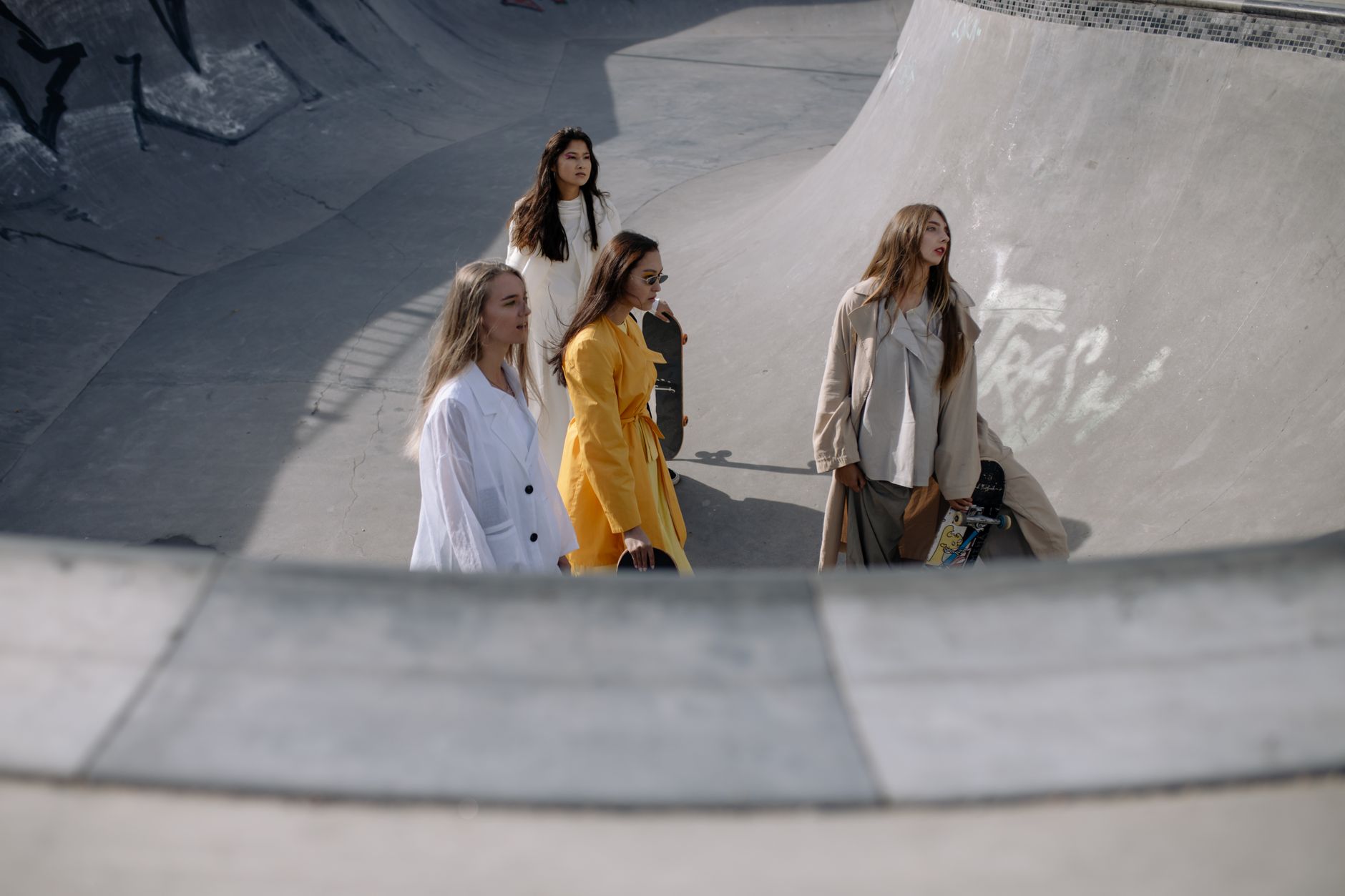
What remains genuinely open is how wide this skirt’s reach will extend beyond the fashion-forward consumer who tends to pick up on trim details before anyone else does. The pleated mini succeeded partly because it was easy to understand – its selling point was shape and silhouette, things that photograph clearly and translate quickly on a rack. The grosgrain trim skirt’s selling point is more subtle, and subtlety has historically had a harder time scaling. Whether that changes this season may depend on how aggressively mid-market retailers decide to adopt the detail – and right now, the signs suggest they are starting to notice it.