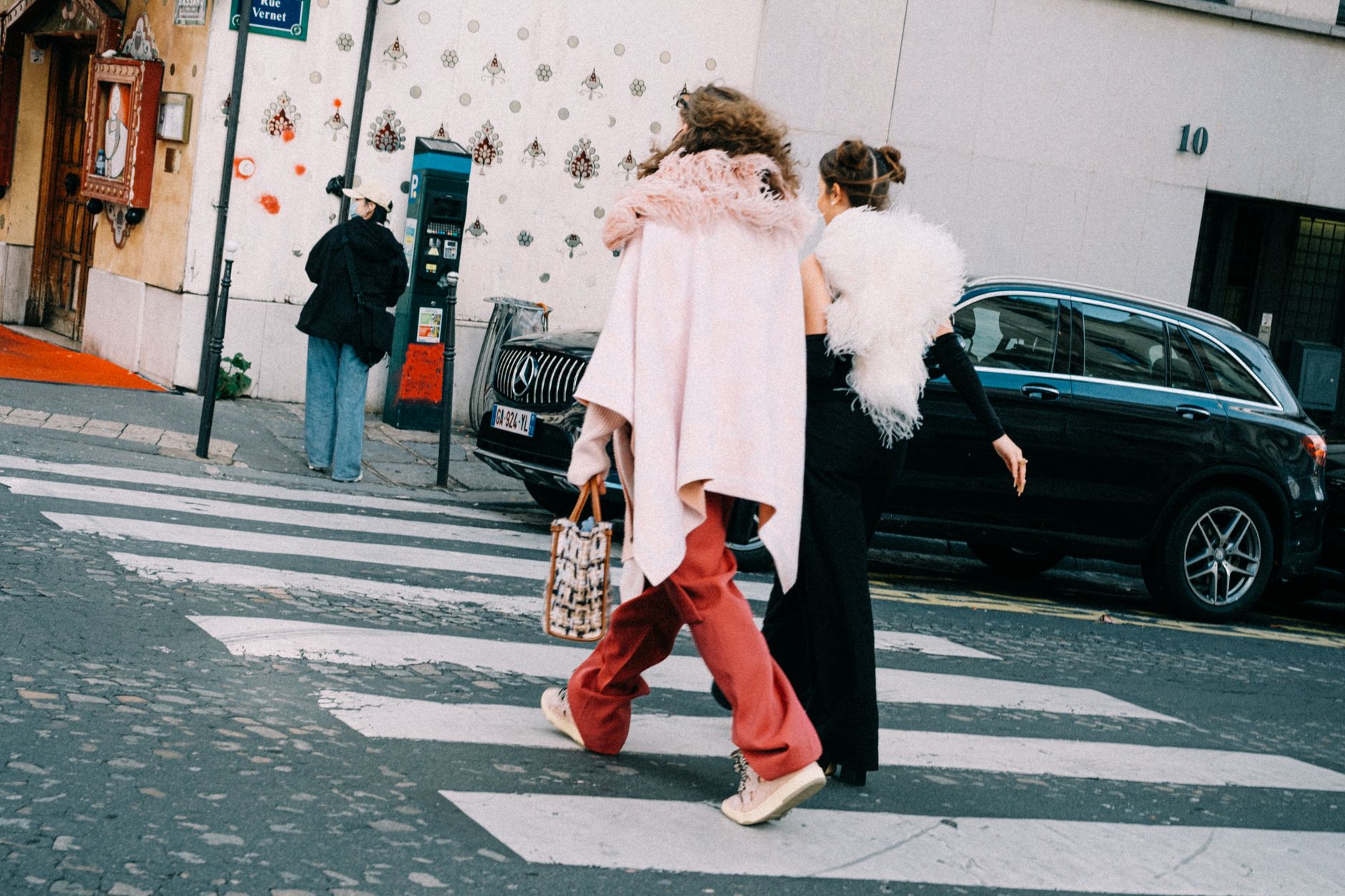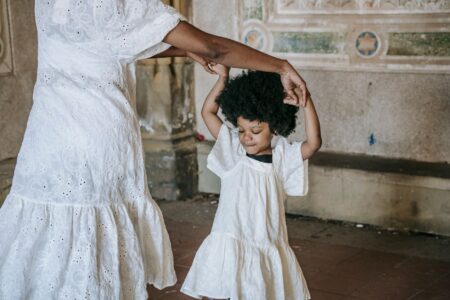


Trench coats have held their ground in fashion for over a century, cycling through cuts, lengths, and fabrics without ever fully losing relevance. But the version currently making its way through street style edits and warm-weather lookbooks is not the crisp gabardine mac most people picture. It is broderie anglaise – the eyelet embroidery fabric long associated with summer dresses and vintage blouses – cut and constructed into a full-length outerwear silhouette.
The effect is deliberately contradictory. A trench coat reads as structured, utilitarian, all-weather armor. Broderie anglaise reads as delicate, romantic, inherently decorative. Putting them together should not work. The fact that it does – and that it is doing so with enough momentum to challenge the classic mac’s dominance in the transitional outerwear category – is worth examining.
Why Broderie Anglaise Works as Outerwear
The practical case against this fabric in coat form is obvious: the eyelets let in wind, the cotton base offers limited insulation, and the white or cream colorways that define the look show every mark. None of that has slowed the trend. What broderie anglaise offers instead is texture and lightness – two qualities that gabardine, for all its durability, cannot replicate.
Spring and early autumn dressing has always presented an awkward problem. The weather calls for a layer, but a heavy coat feels wrong over a linen dress or a slip skirt. The broderie anglaise trench solves this without resorting to the denim jacket compromise or the light knit cardigan that reads as more casual than intended. It functions as a statement piece that also happens to be seasonally appropriate – which is a harder combination to achieve than it sounds.
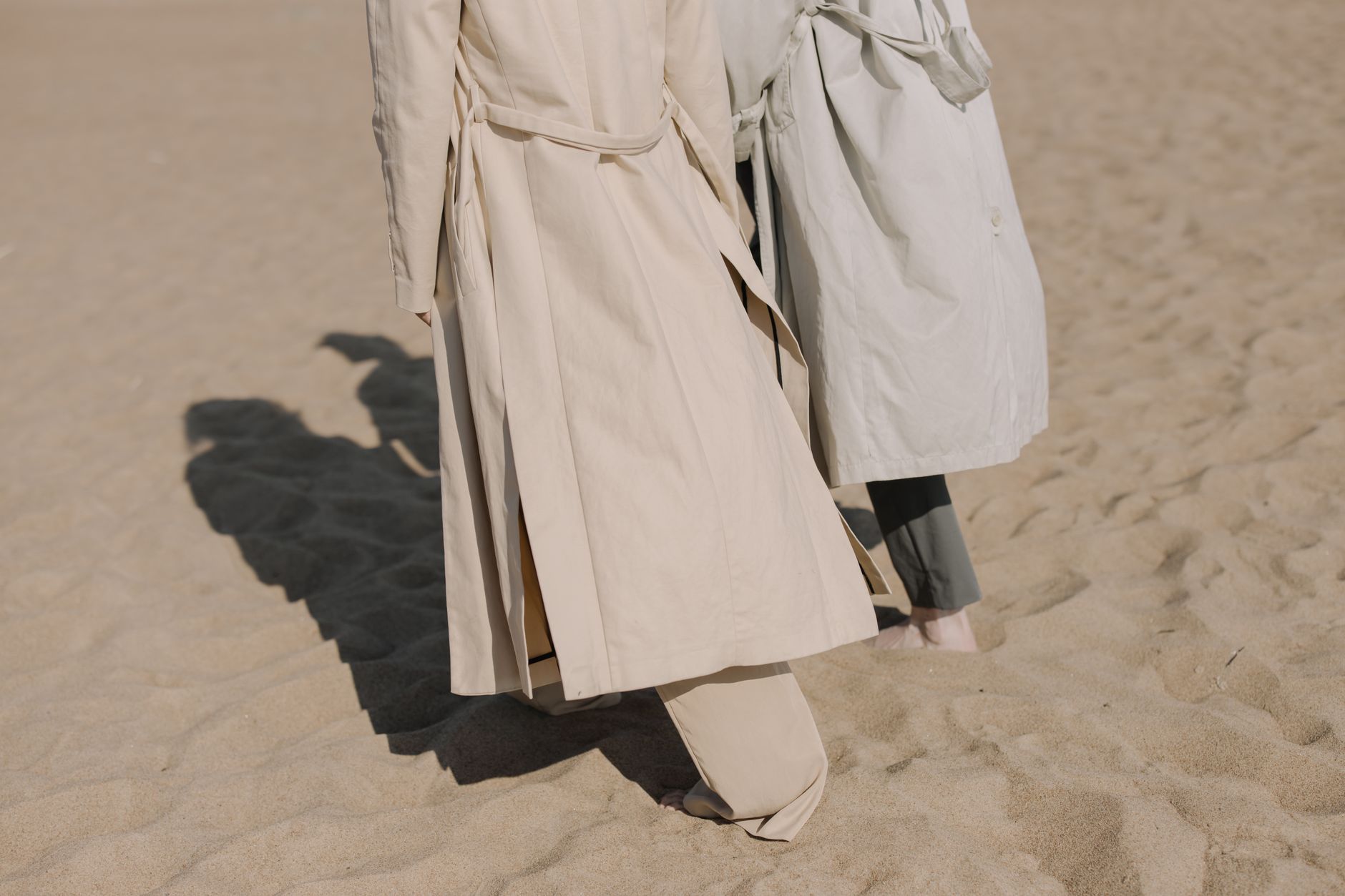
The construction itself borrows directly from classic trench architecture: storm flaps, belted waists, structured lapels, double-breasted buttons. That scaffolding is what prevents the look from reading as a summer dress with ambitions. The silhouette does the work that the fabric no longer can, and the result sits somewhere between evening cover-up and considered daytime outerwear – a category that has very little competition.
The Shift Away from the Classic Mac
The traditional mac – tan, double-breasted, belted – never disappeared, but it has spent the last few seasons looking increasingly like a default choice rather than a deliberate one. It became the coat people reach for when they are not thinking about their coat. That reliability is part of its appeal, but reliability rarely drives trend cycles, and there is a growing appetite for outerwear that reads as intentional rather than inherited.
Broderie anglaise’s rise in this space is not about replacing the mac entirely. It is about offering an alternative that carries more visual weight per layer. When everything underneath is minimal – a white tank, wide-leg trousers, simple sandals – the textured coat becomes the entire outfit rather than just its outer shell. That dynamic suits current dressing instincts, which tend toward fewer pieces with more presence rather than more pieces with less.
How Designers Are Approaching the Silhouette
Across recent collections, the broderie anglaise trench has appeared in two main interpretations. The first stays close to the classic mac template – full length, structured, with the fabric doing the differentiating work. The second loosens the construction, dropping the formality of the lapels and the rigidity of the belt in favor of something that moves more like a duster, softer at the shoulders and easier through the body.
Color has remained narrow. White and cream dominate, with occasional moves into pale blue or soft blush. This restraint is part of why the trend coheres as a trend rather than fragmenting into unrelated individual pieces. The eyelet embroidery is doing enough visual work that additional color would compete rather than complement. Keeping the palette limited also makes it easier to style – these coats work over almost anything because they are not fighting with whatever is underneath them.
Accessories have followed a predictable logic. The broderie anglaise trench has been consistently paired with minimal footwear – mule sandals, ballet flats, simple slides – and understated bags. The coat is the focal point; everything else is deliberately secondary. This styling approach reflects confidence in the garment rather than nervousness about whether it reads correctly.
The more interesting question is where the silhouette goes once the initial novelty passes. Broderie anglaise has appeared in trend cycles before, always as a surface treatment on simpler garments. Applying it to structured outerwear is a newer move, and whether it can sustain that positioning depends partly on whether designers continue to invest in the construction or let the fabric drift back toward easier applications. A coat built properly in this material – with interfacing, real buttonholes, and considered lining – has longevity. A version that simply cuts eyelet cotton into a coat shape without that underlying work will date faster than the classic mac ever did.