

The silk square scarf has had a long run at the top of the accessories hierarchy. Knotted under the chin, looped through a bag handle, or draped over the shoulders – it has been the reliable punctuation mark of a certain kind of put-together dressing for decades. But something is shifting at the headscarf level specifically, and it has very little to do with silk.
Broderie anglaise – the centuries-old whitework embroidery technique defined by its pattern of small eyelets and cutwork – has been quietly migrating upward from summer blouses and swimsuit cover-ups into headwear. The result is a headscarf that carries the same breezy, textural quality as the fabric itself: light, slightly romantic, and distinctly un-corporate.
Why Broderie Anglaise Works as a Head Covering
The argument for silk scarves as headscarves has always been partly practical. Silk is lightweight, drapes beautifully, and the square format means it can be folded into a triangle, rolled into a band, or knotted at the nape with minimal effort. The problem is that silk, particularly in the printed square format, reads formal even when it is styled casually. There is a stiffness to the associations – the Hermes heritage, the equestrian codes, the boardroom-adjacent energy – that can feel at odds with how people want to dress right now.
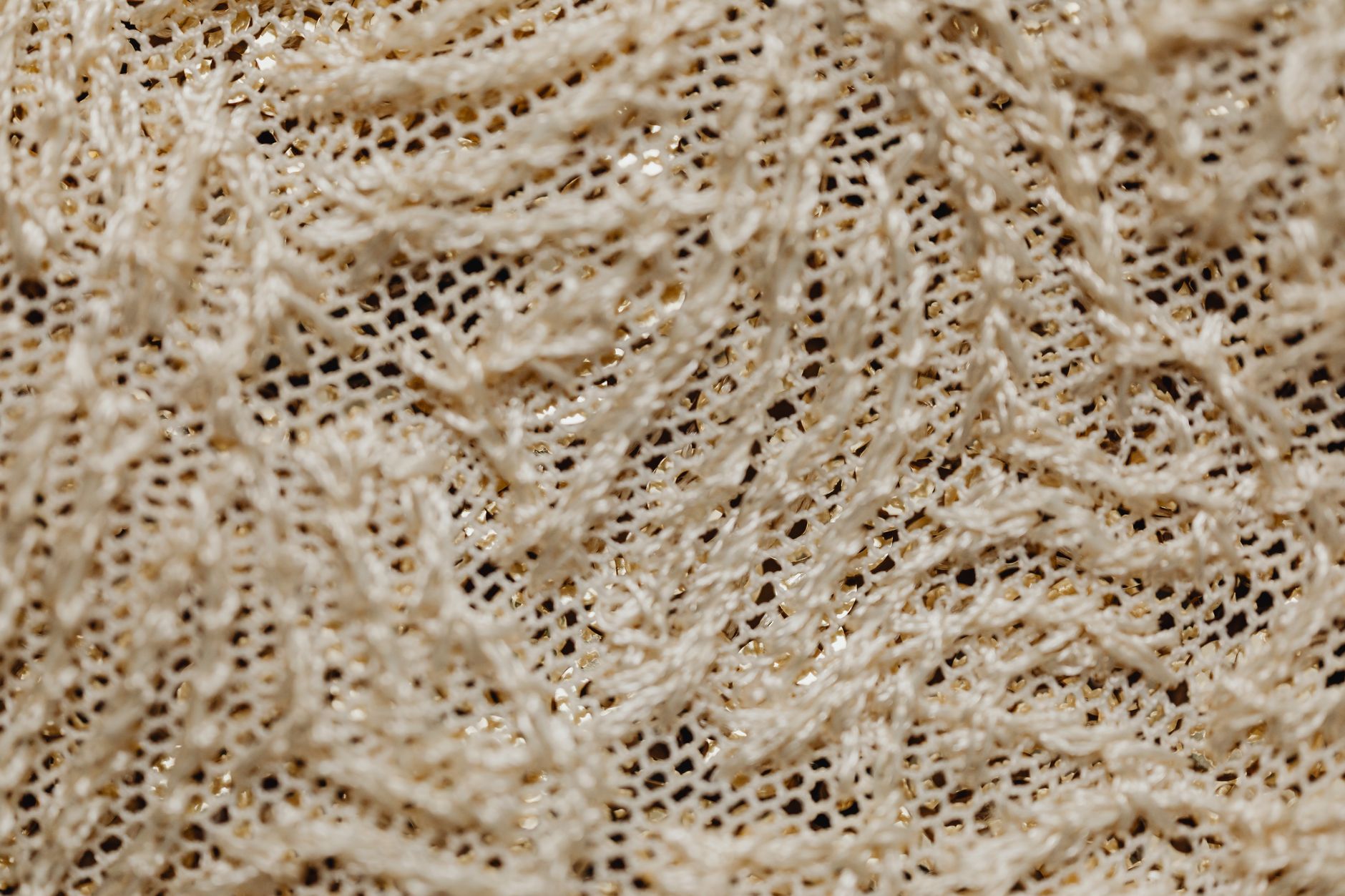
Broderie anglaise sidesteps all of that. The fabric is typically cotton or a cotton-linen blend, which means it sits differently on the head – softer, more relaxed, slightly more voluminous. The eyelet pattern adds visual interest without requiring a bold print, which makes it easier to style with patterned clothing. You get the texture and the decoration, but neither competes with what is underneath.
There is also a flattery factor worth considering. The eyelets and scalloped edges of broderie anglaise create a delicate frame around the face. Where a flat silk square can feel graphic and precise, the broderie version feels more like an organic border – softer in its line, less likely to overwhelm. For anyone who finds headscarves difficult to pull off, that distinction matters more than it might seem.
The Shift in How Headscarves Are Being Worn
The styling conversation around headscarves has changed in the last two or three years. The tightly knotted, head-hugging square – which dominated street style images for the better part of a decade – has given way to looser, more textural approaches. Scarves worn low on the forehead with the knot visible at the top. Wide bands tied simply at the back with trailing ends. Kerchief folds that show more of the fabric’s surface area. All of these styles favor volume and texture over the crisp, flat geometry that silk does best.
Broderie anglaise is well suited to every one of those approaches. Because the fabric has a natural body to it rather than draping sleekly, it holds a shape without pins or excessive fussing. A loosely tied knot in broderie anglaise looks intentional in a way that the same knot in silk often does not – silk tends to slip and flatten, requiring constant readjustment.
What This Means for the Accessories Market
High-street brands have moved quickly on this. Broderie anglaise headscarves and hair kerchiefs began appearing in summer collections at a range of price points – often packaged alongside matching bags, trim details on dresses, or sold as part of a co-ordinated set. The appeal to brands is obvious: broderie anglaise is a high-perceived-value fabric that photographs well and can be produced at moderate cost. The white-on-white eyelet work reads as artisanal even when it is not.
The silk square, by contrast, is expensive to do properly. A genuinely good silk scarf requires a print quality and a fabric weight that only shows up at a certain price point. Below that threshold, the shine looks cheap and the colors bleed. Broderie anglaise does not have the same quality gradient problem – even a less expensive version retains its visual character because the eyelet pattern itself carries the texture. That makes it a more democratic trend, accessible across a wider range of retail categories.
It is also worth noting where this trend sits in the broader broderie anglaise moment. The fabric has been building momentum across categories – appearing in shirt dresses, trousers, and swimwear cover-ups – and the headscarf is the natural extension of that trajectory. When a fabric becomes strongly associated with a seasonal sensibility, accessories follow. The headscarf is essentially the final punctuation mark in the full broderie anglaise look.
The one real limitation is color. Broderie anglaise is overwhelmingly produced in white and off-white, with occasional forays into ecru or very pale pastels. That gives it a strong seasonal identity – it reads as summer – but it also means the headscarf format lacks the year-round versatility that silk offers. A printed silk square can be worn in November without looking incongruous. A white eyelet kerchief cannot. Whether broderie anglaise manufacturers will push into deeper colorways to extend the trend’s shelf life, or whether the fabric’s seasonal specificity is part of its appeal, is the question that will determine how long this particular swap holds.
Frequently Asked Questions
What is a broderie anglaise headscarf?
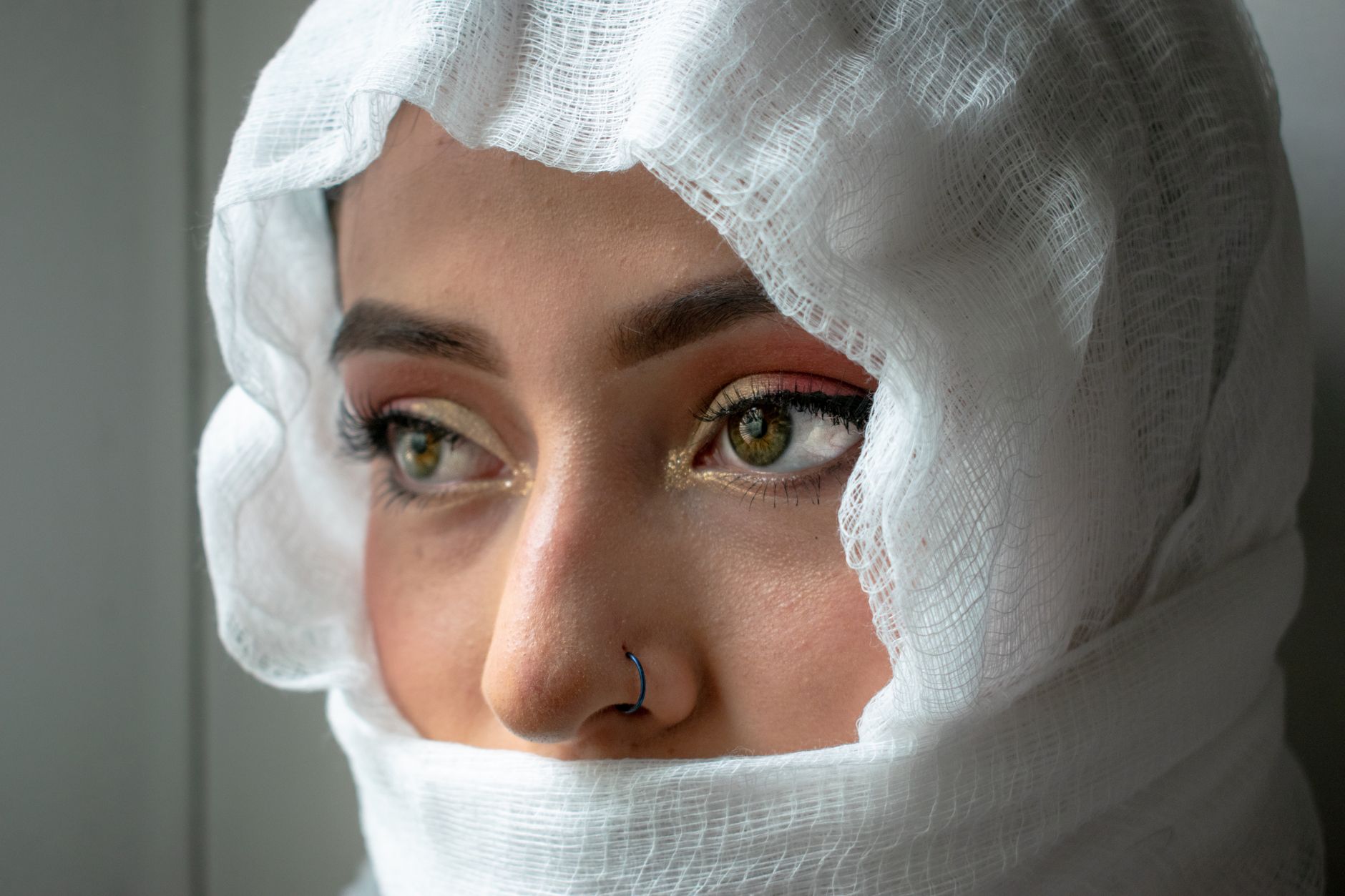
A broderie anglaise headscarf is a head covering made from the traditional eyelet embroidery fabric, typically in cotton or cotton-linen. It is worn tied around the head in a variety of loose, relaxed styles.
Why are broderie anglaise headscarves replacing silk square scarves?
Broderie anglaise headscarves suit current looser, more textural styling approaches better than silk squares. They also hold their shape without slipping and offer visual interest without requiring a bold print.