



The Sandal Shift Nobody Saw Coming
The sporty slide had a long run. For several summers, the pool slide – chunky, logo-emblazoned, worn with everything from linen trousers to bike shorts – became the default footwear choice for anyone who wanted to look casually put-together without trying too hard. It was the shoe equivalent of a shrug. But something has been quietly displacing it on sidewalks, in street style photography, and on the feet of the people whose wardrobes tend to predict where fashion is heading next: the fisherman sandal.
The fisherman sandal – that closed-toe, latticed or strapped construction that looks like it belongs on a Mediterranean dock or in a 1960s French film – has been building momentum in a way that feels less like a trend and more like a correction. Where the slide offered ease, the fisherman offers intention. Where the slide felt borrowed from athletic culture, the fisherman feels rooted in something older and more considered. And that distinction is exactly why it is winning.
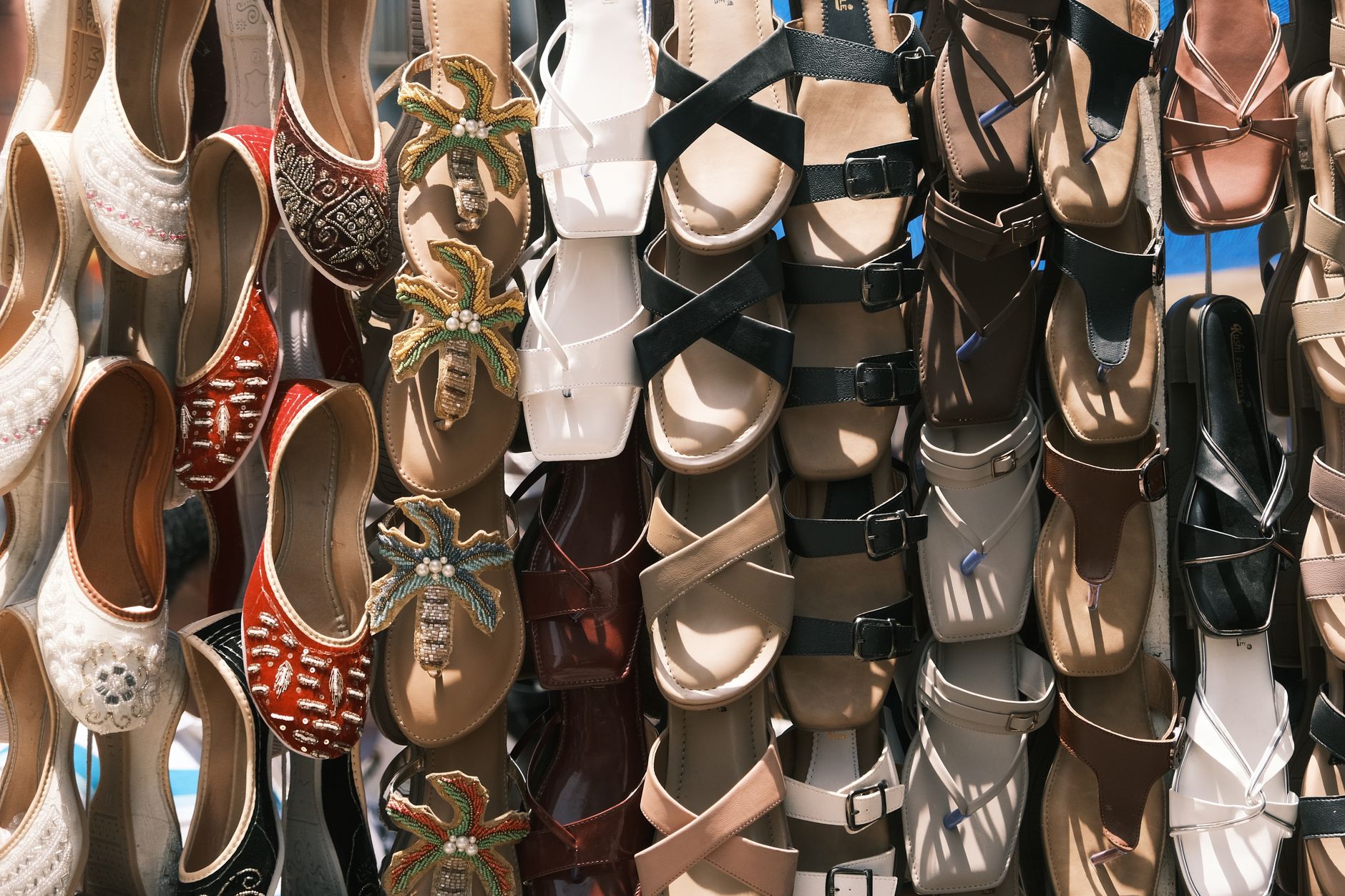
What Makes the Fisherman Sandal Different
The construction is the first thing to understand. Unlike a slide, which is essentially a single-piece mule with no real grip on the foot, the fisherman sandal wraps around the toes and sometimes the heel with a series of interlocking straps or a woven upper. That closed-toe silhouette sits in an interesting middle ground between a sandal and a shoe, making it appropriate for more settings than the slide ever managed. You can wear it to a lunch that requires some degree of formality. You can walk cobblestones in it without losing it from your foot every third step.
Historically, the style traces back to working footwear – the kind worn by fishermen and craftspeople across southern Europe and parts of Asia who needed something breathable but functional. That utilitarian origin is now functioning as a selling point, in the same way that workwear silhouettes have spent the last few years being recontextualized as fashion. A shoe with a real reason to exist has a different energy than a shoe that exists purely as a fashion object.

How It Fits the Current Direction of Dressing
The broader movement in fashion right now is toward pieces that look like they have a history, or at least a logic. Quiet, considered, slightly nostalgic – the aesthetic direction that has been gaining ground for the last two to three years rewards clothes and accessories that feel earned rather than purchased. The fisherman sandal reads exactly that way. It looks like something you might have found in the back of a market stall in Porto or brought back from a trip to Japan, even if you ordered it on your phone during your lunch break.
It also fits neatly into what is happening with the rest of the wardrobe. Wide-leg trousers, relaxed tailoring, the kind of barrel-leg silhouette that has been quietly displacing the straight trouser – all of these shapes benefit from a shoe that has some structure and visual weight at the toe. A slide, flat and open, can look too casual under a full trouser leg. A fisherman sandal anchors the ankle and gives the hem somewhere to land.
The color palette coming through in current fisherman sandal offerings is also doing something important. While slides leaned heavily into white, black, and branding, fisherman sandals are showing up in tan leather, cognac, raw suede, and dark olive – tones that read as wardrobe investments rather than seasonal trend pieces. You can see a sand-colored leather fisherman sandal sitting alongside boots and loafers in a way that a neon pool slide simply cannot.
There is also a gender-fluidity to the silhouette that the slide never quite achieved despite its unisex marketing. The fisherman sandal has been worn across genders in its historical iterations for centuries, and that history gives contemporary wearers a certain permission that feels natural rather than engineered. It is not being sold as a “genderless shoe” – it simply is one.
The Styling Argument
One practical reason the fisherman sandal is pulling ahead is its styling versatility across different dress codes. Pair it with cropped linen trousers and a white shirt and it looks intentional. Wear it with a midi dress and it does something interesting to the proportions – grounding a floaty silhouette without weighing it down. Throw it on with loose shorts and it elevates the look in a way that a slide does not, because the structure of the upper suggests effort even when no effort was made.
The slide, by contrast, has a ceiling. It maxes out at “stylishly casual” and cannot travel upward from there. Take it to a dinner reservation or a gallery opening and it reads as underdressed. The fisherman sandal does not have that ceiling. It has a floor – nobody is wearing it to a black-tie event – but its upper range is genuinely higher.
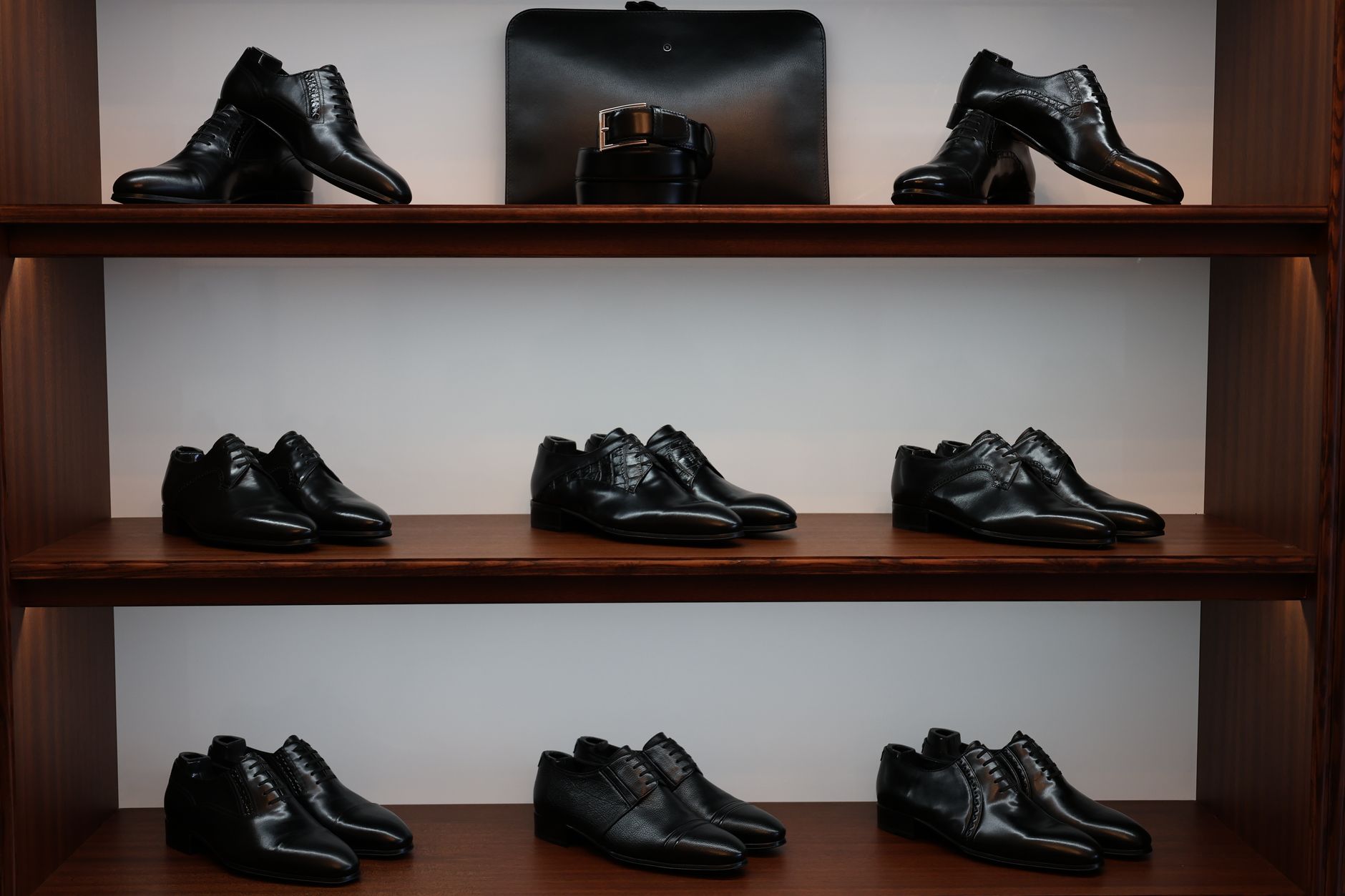
Where This Goes From Here
A growing number of footwear brands – from accessible high-street labels to smaller leather goods makers – have expanded their fisherman sandal offerings this season in ways they did not two years ago. The silhouette is appearing in more colorways, more sole heights, and in materials that push it further from its workwear origins. A chunky-soled fisherman sandal in black leather reads almost like a hybrid between a sandal and a boot, and that crossover version is getting significant traction with people who want warm-weather footwear without surrendering any edge.
The sporty slide is not disappearing. It remains a functional, easy choice, and its place in casual footwear is not under threat at the level of the wardrobe staple. What is changing is its position in the hierarchy – it is no longer the first thing people reach for when they want a sandal that feels current.
The fisherman sandal has already moved past the “emerging trend” stage. It is sitting at the point where early adopters have committed and the broader market is paying attention. The question for the next season is whether it follows the slide’s path – becoming ubiquitous to the point of invisibility – or whether its historical roots give it enough staying power to hold its position longer than the trends that came before it.
Frequently Asked Questions
What is a fisherman sandal?
A fisherman sandal is a closed-toe sandal with a latticed or multi-strap upper that wraps around the toes. It originated as working footwear in southern Europe and parts of Asia.
How do you style a fisherman sandal?
Fisherman sandals work with wide-leg trousers, midi dresses, linen separates, and relaxed tailoring. Their structured toe makes them more versatile than open-toe slides.