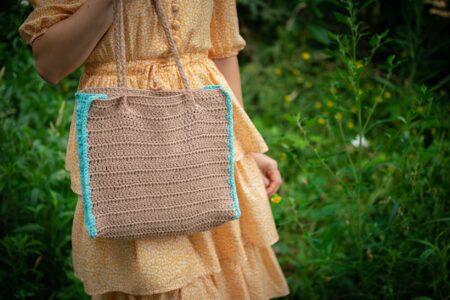



The smock dress had a long run. Loose, forgiving, and easy to style, it became the warm-weather default for women who wanted something that felt effortless without looking like they’d stopped trying. But something has been shifting quietly on the rails of high-street stores and in the flat-lays filling fashion feeds – the broderie anglaise midi dress is moving in, and the smock is moving out.
It’s not a loud takeover. It never is with broderie anglaise. The fabric’s intrinsic character – eyelet cutwork, white-on-white or tonal embroidery, a slight textural weight that reads as considered rather than casual – does the work without announcing itself. What makes the midi length specifically interesting right now is how it occupies the exact middle ground that fashion keeps gravitating toward: not too dressed up, not too relaxed, and with enough visual detail to justify wearing it somewhere that actually matters.
The smock dress peaked by overexposure.
Why the Midi Length Is Doing the Heavy Lifting
The mini version of broderie anglaise has always had its moment – floaty, romantic, easy for summer – and the broderie anglaise mini dress has already been quietly edging out the slip dress in that category. But the midi sits differently in the wardrobe. It works through more months of the year, layers more naturally over boots when temperatures drop, and carries a formality that the mini can’t quite reach. That range of use is exactly why it’s gaining ground.
The silhouette matters here. Most broderie anglaise midi dresses arriving this season lean toward a fitted or semi-fitted bodice with a skirt that falls with some structure – not stiff, but with enough body that it doesn’t cling or collapse. This is the point where it diverges most clearly from the smock. The smock’s gathered bodice and boxy volume read as deliberately casual, which worked well when that was the cultural mood. Right now, there’s a visible appetite for clothes that still have shape, even when the fabric is airy and the vibe is relaxed.
Broderie anglaise achieves this by having texture built into the cloth itself. The eyelet pattern creates visual interest that compensates for the simplicity of a clean silhouette – you don’t need ruffles, asymmetric hems, or statement sleeves to make it work. The dress earns its place on its own terms.
The Styling Logic Behind the Switch
One reason the smock dress hung on for so long is that it was genuinely easy to style. Sandals, a tote, a denim jacket thrown over the shoulders – done. The broderie anglaise midi demands slightly more intentionality, but not more effort. The distinction is important. You’re thinking about what you’re putting with it, but you’re not spending more time getting dressed.
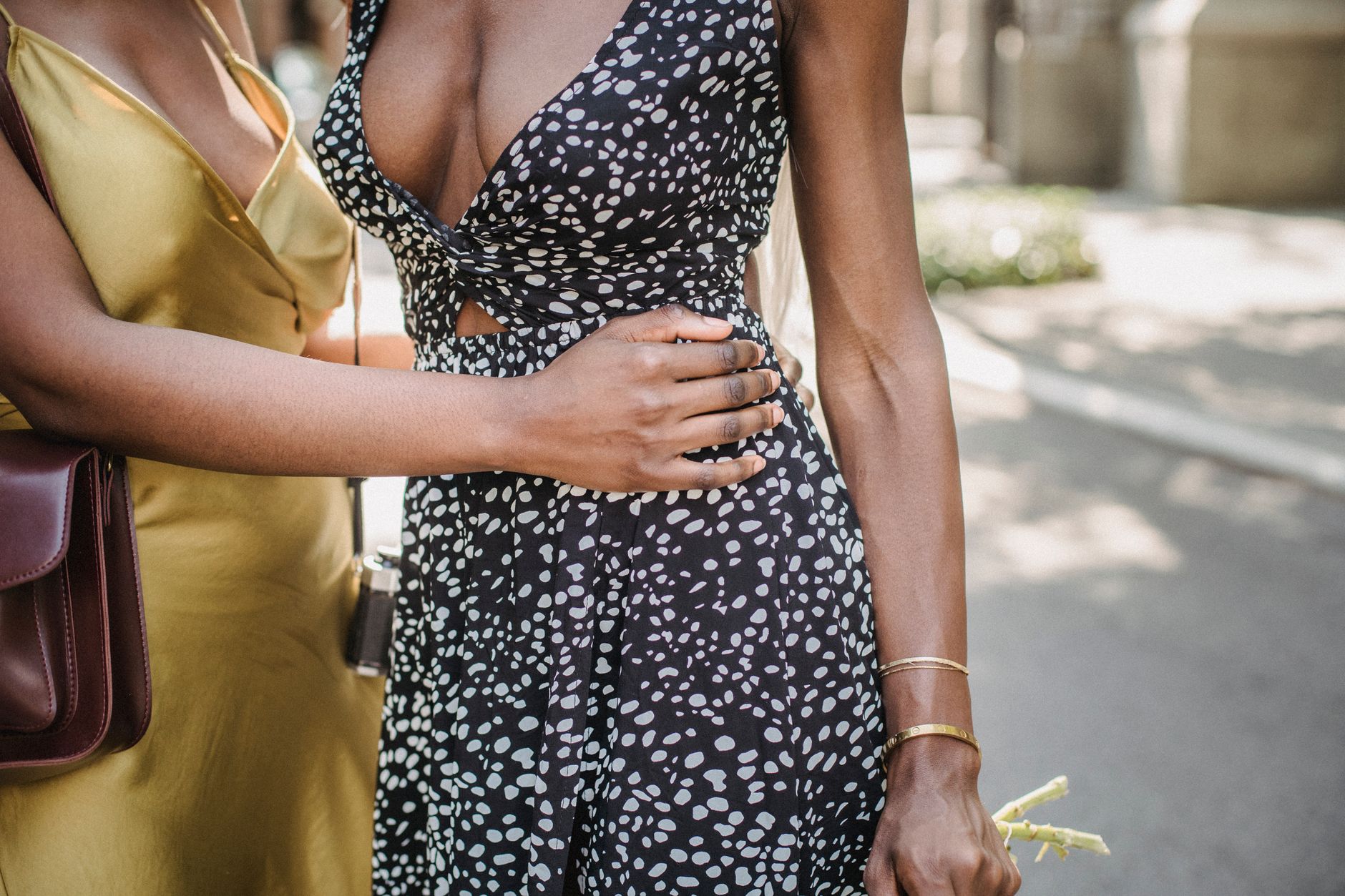
Tan leather sandals with a block heel, simple mule slides, or even clean white trainers all work with the midi length. The dress’s own surface detail means accessories can stay minimal – a small gold chain, a woven bag, nothing more. That restraint is actually the point. Broderie anglaise rewards understatement in a way the smock dress, with its already-casual energy, never quite demanded. The smock often needed help to look deliberate. The broderie anglaise midi looks deliberate by default, which is a different kind of ease. It’s the ease of a dress that has already done its job before you’ve added anything to it.
Color is another place where the two styles part ways. The smock dress proliferated in prints – floral, abstract, tie-dye – because its volume needed pattern to give it life. Broderie anglaise works best in white, ivory, ecru, or occasionally a single soft tone like pale sage or dusty blue. The eyelet work is the pattern. Anything more competes with it and muddies the effect. That constraint is actually a selling point for anyone who finds print-heavy dressing exhausting.
The Longer Shift Behind This One Style Swap
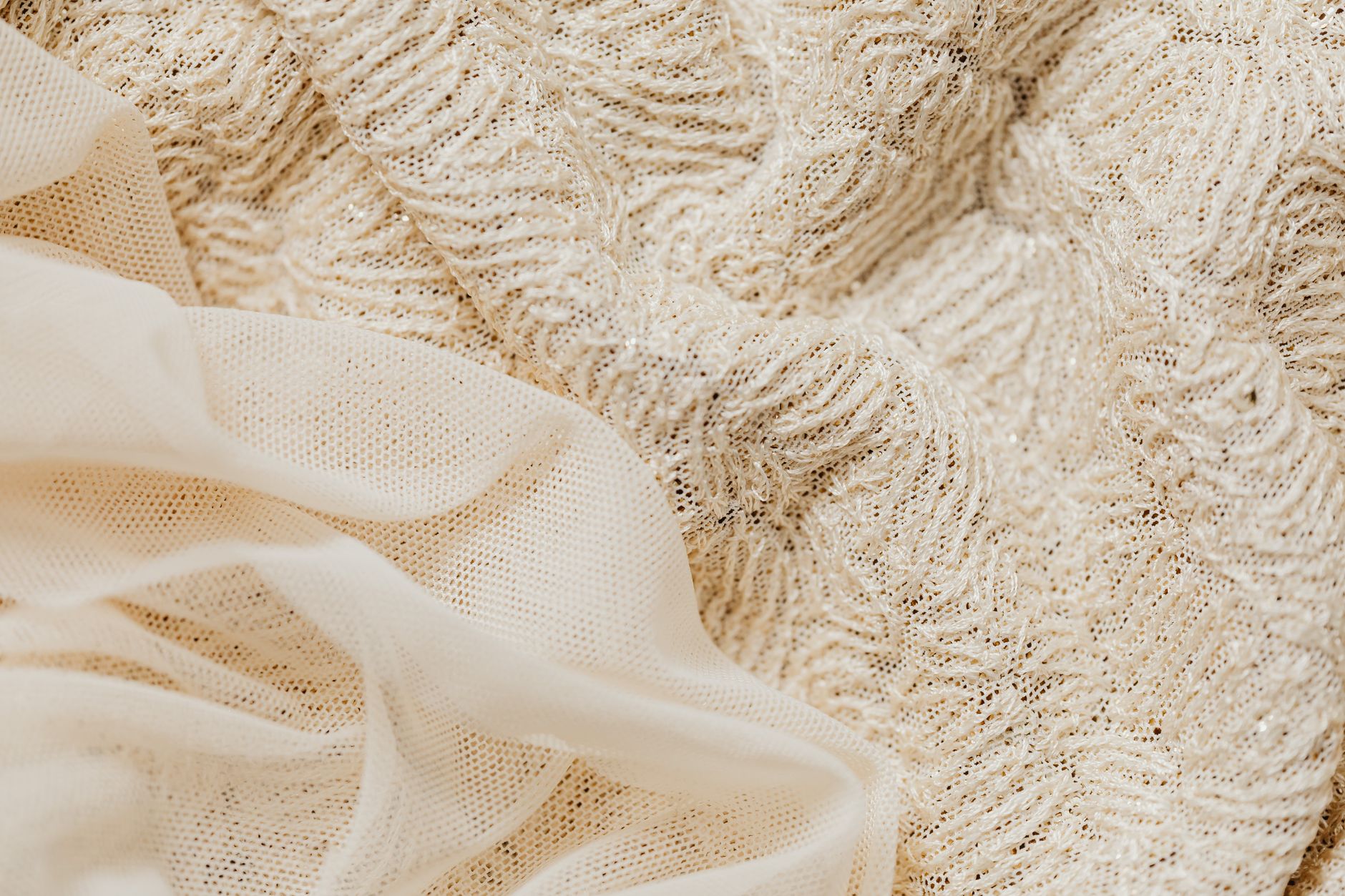
What’s happening with the broderie anglaise midi is part of a wider recalibration in casual dressing. The extremely relaxed, volume-heavy silhouettes that defined the early part of this decade – oversized everything, smocked everything, deliberately shapeless everything – are giving way to clothes that still feel comfortable but carry more craft. Broderie anglaise has always read as artisanal even when it’s mass-produced, because the eyelet construction looks like it required patience. That perception of care is worth something right now, when so much fashion looks like it was generated and printed overnight.
The midi dress format also benefits from being genuinely versatile in a way that the trend conversation often overlooks. It’s not just a summer piece. Layer it over a fitted white or black long-sleeve for early autumn and the dress moves into a different register entirely – more editorial, less holiday. Wear it alone in July for a garden party or a lunch that matters. The smock rarely made those jumps convincingly. Its casualness was baked in and couldn’t be styled out.
Broderie anglaise also connects to a longer fashion memory – it has period associations with late-60s and early-70s dressing, with prairie romanticism, with the kind of clothing that looks better slightly worn in than brand new. That quality ages well. Whether the smock dress will be remembered fondly in ten years, or whether it will date in the way that elastic waistbands and boxy cotton cuts eventually do, is the question no one styling it right now is asking yet.