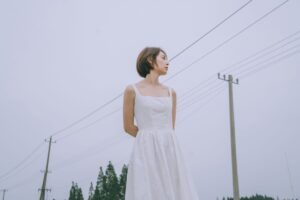
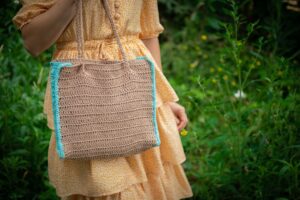

The sundress has had a long, uncontested run as the default warm-weather uniform. Casual, breezy, reliably inoffensive – it has served as a kind of fashion shorthand for summer ease. But something is shifting on the rails of boutiques and in the scroll of street style photography: broderie anglaise is claiming more and more of that real estate, and the sundress is starting to look like yesterday’s answer to a question nobody asked anymore.
Broderie anglaise – the eyelet embroidery technique that punches decorative holes into cotton or linen, typically edged with delicate stitching – has existed in some form since the 16th century. It spent decades cycling between “quaint” and “romantic,” occasionally surfacing in prairie silhouettes or white summer separates before retreating again. What’s different now is that it isn’t retreating. The fabric, and the dresses made from it, are moving into the kind of wardrobe real estate that used to belong entirely to the sundress: daytime, casual, weekend, travel.
The sundress isn’t dead. But it’s being outmaneuvered.
Why Broderie Anglaise Works Where the Sundress Falls Short
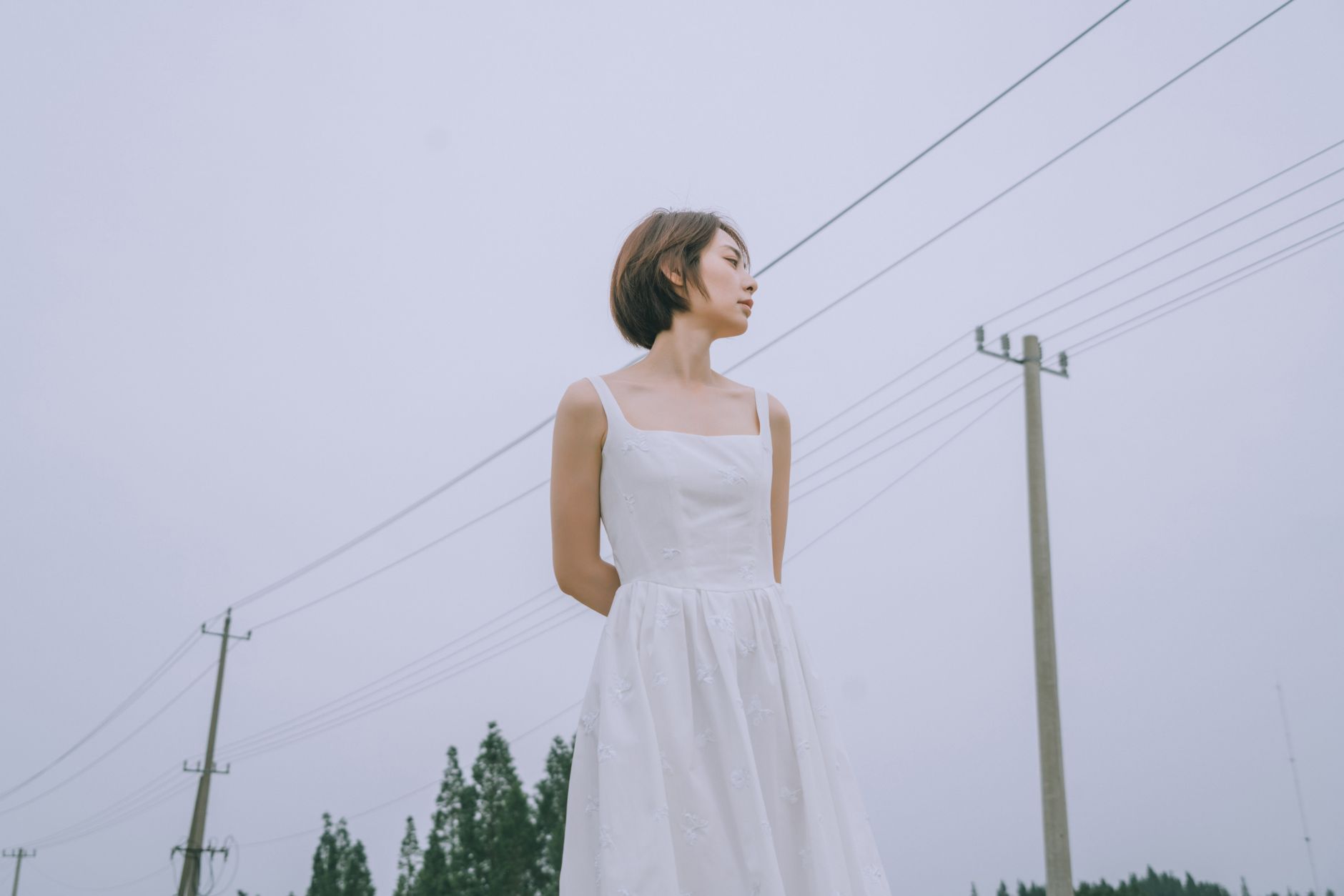
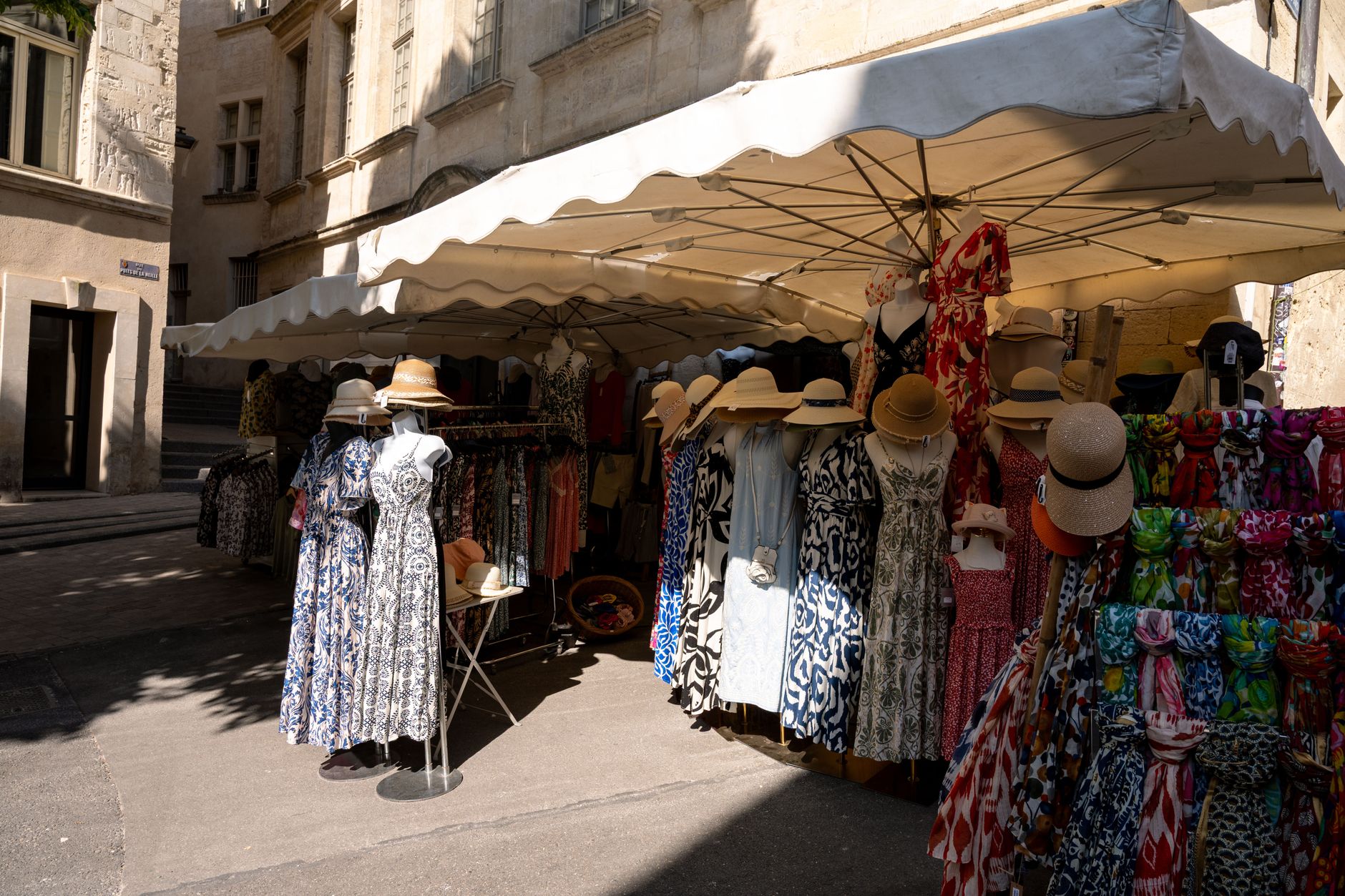
The most obvious advantage broderie anglaise has over the typical sundress is texture. A standard sundress – even a well-made one – reads as flat. It’s a silhouette play, a color play, maybe a print play, but the fabric itself rarely does anything. Broderie anglaise changes that equation entirely. The cutwork creates its own visual interest at the fabric level, which means a simple white dress in broderie anglaise carries more visual weight than a patterned sundress in plain cotton. You get complexity without busyness, which is a difficult balance to strike.
There is also a question of occasion stretch. The sundress tends to max out at brunch or a beach-adjacent activity before it starts to look underdressed. Broderie anglaise, with its inherent delicacy and craft quality, reads dressier without actually being formal. A midi-length broderie anglaise dress can move from a farmers market to an afternoon garden party without requiring any modification – no jacket, no accessories overhaul. That kind of flexibility is exactly what a certain type of dressing-conscious woman is looking for, and the sundress simply doesn’t offer it in the same way.
The breathability factor matters here too. Broderie anglaise is almost always cut from natural fibers – cotton lawn, linen, sometimes a cotton-linen blend – and the eyelet holes aren’t just decorative. They allow actual airflow through the fabric, making broderie anglaise dresses genuinely cooler to wear than many sundress fabrics that are technically lightweight but trap heat against the skin. It is, in practical terms, the more intelligent warm-weather choice.
How the Silhouettes Are Evolving
Early broderie anglaise dresses leaned heavily on romance – tiered skirts, puffed sleeves, peasant necklines. Those elements haven’t disappeared, but the silhouette range has expanded considerably. Straight-cut column dresses in broderie anglaise have become a quiet staple, offering the same ease as a sundress slip but with the fabric doing the work. Sleeveless broderie anglaise shifts with clean hems are appearing as an answer to the linen dress trend, but with more personality built into the cloth itself.
The collar moment is worth watching too. As broderie anglaise collars have been edging out statement earrings as a focal-point accessory, the same energy has filtered down into full dress silhouettes – a collar-forward broderie anglaise dress functions almost as a complete look rather than a starting point. The detailing at the neckline does the work that jewelry used to do, and the dress itself requires less styling effort as a result. That low-effort-high-result ratio is a significant driver of the trend’s staying power.
Mini lengths are also gaining ground in broderie anglaise, moving the fabric away from its cottagecore associations and into something that reads more current. A broderie anglaise mini with structured sandals or low-heeled mules sits in a completely different aesthetic register than a tiered white maxi – sharper, more deliberate, less vacation-adjacent. This range of silhouette options is something the sundress category has never really developed in the same way, partly because the sundress identity is so tied to its casual, throwaway quality.
The Market Is Paying Attention
Without naming specific brand campaigns, the pattern across the mid-range and accessible luxury market is clear: broderie anglaise dresses are being given front-of-store placement and editorial priority that would have gone to printed sundresses in previous seasons. The fabric is showing up in lookbooks that position it not as a summer-specific item but as a year-round option – styled over turtlenecks for autumn, layered under knits in transitional weather. That kind of extended seasonal positioning signals that retailers see broderie anglaise as a category with longer commercial legs than the sundress, which has always been treated as a seasonal throwaway.
Secondhand and vintage markets are also reinforcing the value perception. Well-made broderie anglaise pieces from decades past hold up structurally and aesthetically in a way that most vintage sundresses don’t – the eyelet work stays crisp, the cotton retains its body, and the silhouettes have enough timelessness to re-enter circulation without looking dated. That durability argument, both physical and aesthetic, matters in a buying culture that is increasingly skeptical of fast-fashion garments that look tired after two seasons.
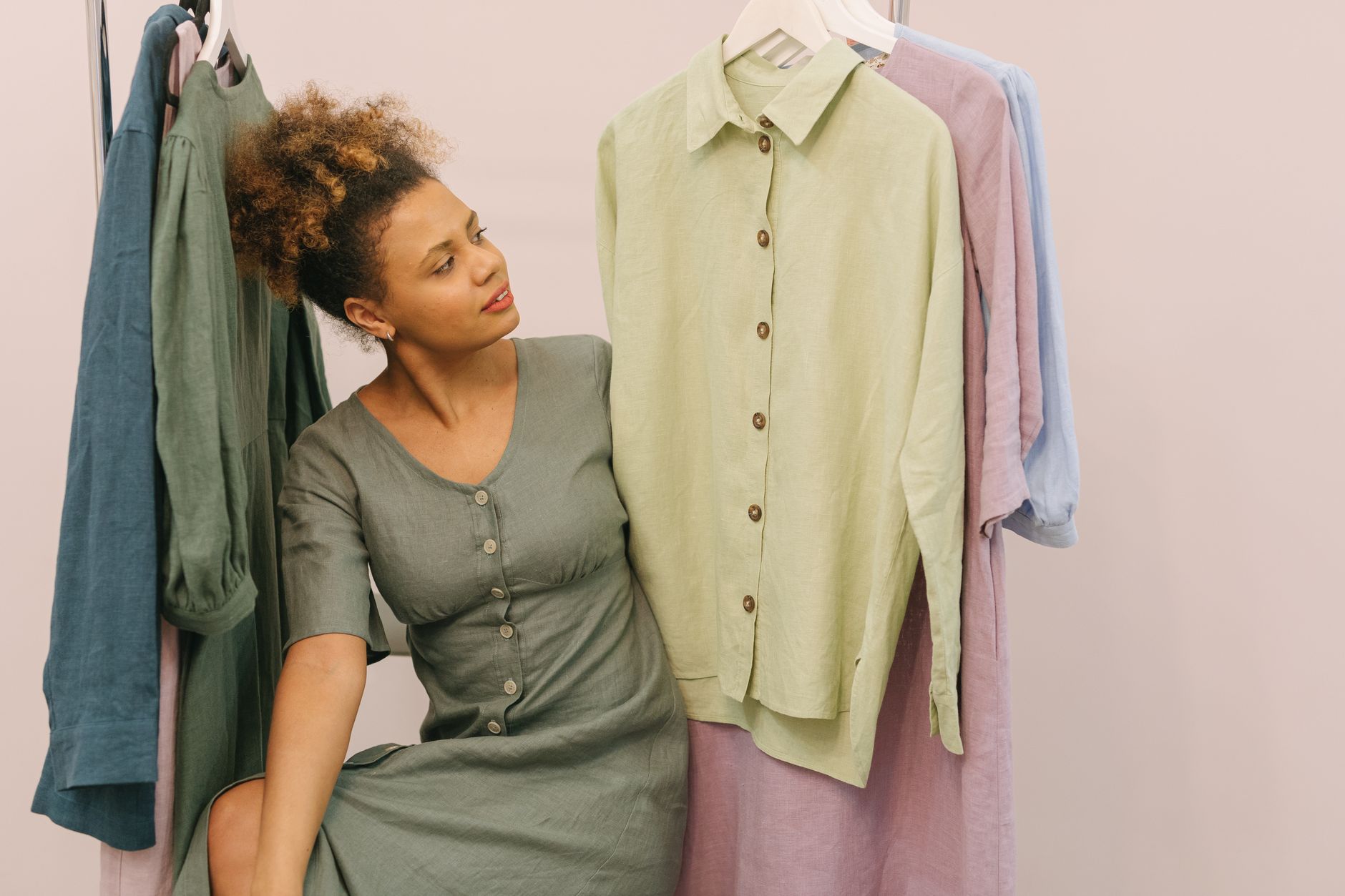
The sundress built its dominance on simplicity and accessibility, and those qualities haven’t stopped being valuable. But broderie anglaise offers everything the sundress offers – ease, warmth-appropriate fabric, femininity without effort – plus the kind of fabric craftsmanship that makes a garment feel considered rather than grabbed. When those two options are sitting side by side on the same rail, the broderie anglaise dress is an increasingly difficult case to argue against.
Frequently Asked Questions
What is broderie anglaise fabric?
Broderie anglaise is a cotton or linen fabric featuring decorative cutwork and embroidered eyelet holes, traditionally made by hand and now often produced by machine for commercial garments.
How do you style a broderie anglaise dress?
A broderie anglaise dress works well with minimal accessories since the fabric provides its own visual detail – flat sandals, simple slides, or low-heeled mules are the most common pairings.